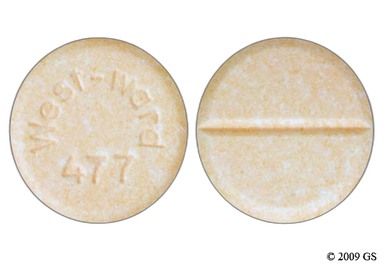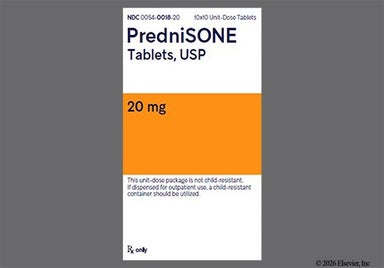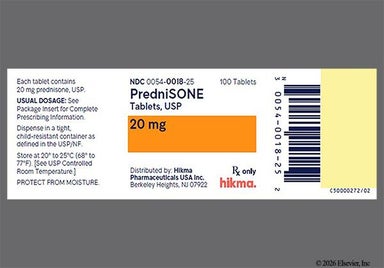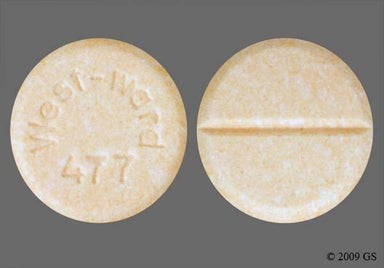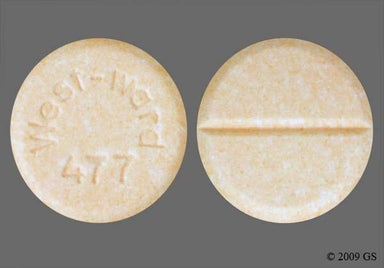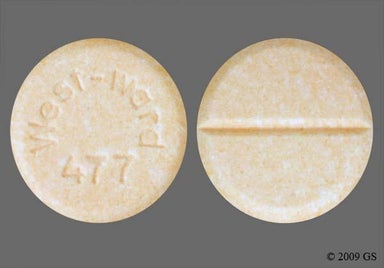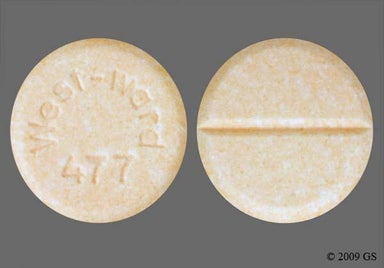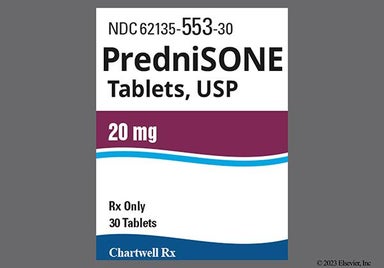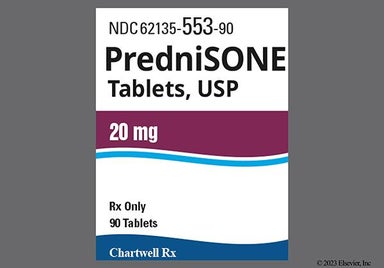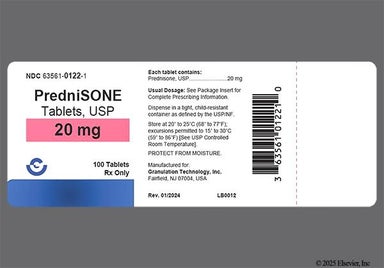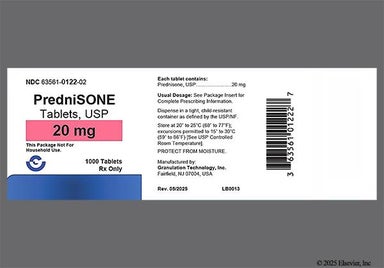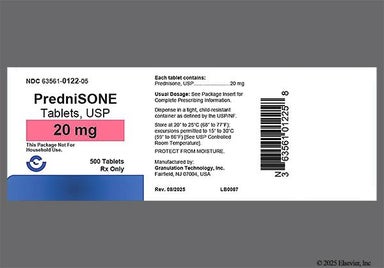






Prednisone Coupon - Prednisone 20mg tablet

prednisone

Generic Prednisone
Used for Adrenal Insufficiency, Allergic Conjunctivitis, Allergic Rhinitis, Asthma, Chronic ITP, Eczema, Edema, Eye Inflammation, Gout, Leukemia, Lupus, Multiple Sclerosis, Non-Hodgkin Lymphoma, Osteoarthritis, Psoriasis, Psoriatic Arthritis, Rheumatoid Arthritis, Seborrheic Dermatitis, Skin Allergy, Tuberculosis, Ulcerative Colitis

Prednisone is an oral corticosteroid. It's taken by mouth by adults and children to treat health conditions related to an overactive immune system or inflammation, such as allergies and certain skin conditions. Your healthcare team will determine your dose based on what medical condition you have. Some of the common short-term side effects of prednisone include stomach irritation and mood changes. And if you take this medication for a month or longer, you're more likely to experience long-term side effects, like weight gain and weakened immune system.

Reviewed by:Last reviewed on May 7, 2024
basics-icon

What is Prednisone?

Featuring Nabila Ismail, PharmDReviewed by Connie Zheng, PharmD | July 31, 2024

What is Prednisone used for?

This medication is used for many different conditions. Generally, it's used for autoimmune problems, conditions related to swelling, or cancer. Some examples include:

How Prednisone works

Prednisone is a corticosteroid. It's a lab-made medication that's similar to cortisol, a natural stress hormone your body makes. Prednisone works by calming down your body's immune response that otherwise would cause you pain and discomfort (e.g., itching, redness, swelling).

When does Prednisone start working?Time passed since treatment started:
HOURS
Initial effect
DAYS
Full effect
WEEKS
MONTHS

Drug facts

Common BrandsRayos (delayed-release), Prednisone Intensol (oral solution)
Drug ClassCorticosteroid
Controlled Substance ClassificationNot a controlled medication
Generic StatusLower-cost generic available
AvailabilityPrescription only
side-effects-icon

Side effects of Prednisone

The following side effects may get better over time as your body gets used to the medication. Let your healthcare provider know immediately if you continue to experience these symptoms or if they worsen over time.

Common Side Effects

  • Swelling (e.g., puffiness in the face, hands, or feet)
  • Stomach bloating
  • Muscle weakness
  • Headache
  • Insomnia (trouble sleeping)
  • Changes in your mood
  • Larger appetite (possibly leading to weight gain)
  • Higher blood sugar

Less Common Side Effects

  • Acne
  • Higher blood pressure
  • Changes in electrolyte levels in the blood (like sodium and potassium)

Prednisone serious side effects

Contact your healthcare provider immediately if you experience any of the following.

  • Serious allergic reaction: trouble breathing or swallowing; swelling (on your face, lips, mouth, or throat); peeling skin; rash; hives
When do Prednisone possible side effects begin and end?
Time passed since treatment started:
M
H
D
W
M
Stomach discomfort
Trouble sleeping
Changes in your mood
Higher blood sugar
Muscle weakness
Weight gain
If a line continues to the right, you'll likely keep experiencing this side effect once it starts.

Source: DailyMed

The following Prednisone side effects have also been reported

Along with its needed effects, a medicine may cause some unwanted effects. Although not all of these side effects may occur, if they do occur they may need medical attention.

Check with your doctor immediately if any of the following side effects occur:

More common

Aggression

agitation

blurred vision

decrease in the amount of urine

dizziness

fast, slow, pounding, or irregular heartbeat or pulse

headache

irritability

mood changes

noisy, rattling breathing

numbness or tingling in the arms or legs

pounding in the ears

shortness of breath

swelling of the fingers, hands, feet, or lower legs

trouble thinking, speaking, or walking

troubled breathing at rest

weight gain

Incidence not known

Abdominal or stomach cramping or burning (severe)

abdominal or stomach pain

backache

bloody, black, or tarry stools

cough or hoarseness

darkening of the skin

decrease in height

decreased vision

diarrhea

dry mouth

eye pain

eye tearing

facial hair growth in females

fainting

fever or chills

flushed, dry skin

fractures

fruit-like breath odor

full or round face, neck, or trunk

heartburn or indigestion (severe and continuous)

increased hunger

increased thirst

increased urination

loss of appetite

loss of sexual desire or ability

lower back or side pain

menstrual irregularities

muscle pain or tenderness

muscle wasting or weakness

nausea

pain in the back, ribs, arms, or legs

painful or difficult urination

skin rash

sweating

trouble healing

trouble sleeping

unexplained weight loss

unusual tiredness or weakness

vision changes

vomiting

vomiting of material that looks like coffee grounds

Some side effects may occur that usually do not need medical attention. These side effects may go away during treatment as your body adjusts to the medicine. Also, your health care professional may be able to tell you about ways to prevent or reduce some of these side effects. Check with your health care professional if any of the following side effects continue or are bothersome or if you have any questions about them:

More common

Increased appetite

Incidence not known

Abnormal fat deposits on the face, neck, and trunk

acne

dry scalp

lightening of normal skin color

red face

reddish purple lines on the arms, face, legs, trunk, or groin

swelling of the stomach area

thinning of the scalp hair

Other side effects not listed may also occur in some patients. If you notice any other effects, check with your healthcare professional.

Call your doctor for medical advice about side effects. You may report side effects to the FDA at 1-800-FDA-1088.

prices-container

Get your GoodRx coupon

Avg retail price
$17.99(Save 77.82%)
GoodRx discount
$3.99
See prices
pros-and-cons-icon

Pros and cons of Prednisone

Pros

  • Works well to treat many different conditions involving the immune system
  • Available as a liquid, which is a good option for people who have difficulty swallowing pills
  • Available as a lower-cost generic
  • Dose can be adjusted based on your response to the medication

Cons

  • Can cause side effects like upset stomach, mood changes, and sleep problems
  • Need to taper your dose before stopping (if you took it for more than a couple of weeks)
  • Might raise your risk for infections, bone weakening, and skin problems if used long term
  • Can slow growth in children if they take it for a long period of time
pharmacist-tips-icon

Pharmacist tips for Prednisone

pharmacist
  • It's best to take prednisone with food. This medication can be rough on the stomach and cause stomach irritation. Taking the medication with food helps to avoid upset stomach.
  • In general, it's recommended to take prednisone in the morning. You might have trouble falling asleep if you take it too close to bedtime. If your prescriber tells you to take a dose in the morning and evening, take the evening dose a few hours before bedtime to help prevent problems falling or staying asleep.
  • If you're taking prednisone delayed-release tablet (Rayos brand), you can take it at bedtime if instructed by your care team. This is because the medication gets released into your body 4 hours after you take it, when you should already be asleep.
  • If you're taking prednisone delayed-release tablet (Rayos brand), swallow the tablet whole. Don't break, crush, or chew the tablets. Damaging the coating around the tablet can affect how the medication gets released into the body. This coating is specially made to release the medication into the body 4 hours after you take it.
  • If you're taking prednisone oral solution, only use the measuring device provided at the pharmacy to measure out your dose of prednisone properly. Don't use household spoons because they might not be accurate. Store the prednisone oral solution at room temperature, and throw it away 90 days (about 3 months) after you first open it.
  • Talk to your healthcare professional (HCP) first if you want to stop taking prednisone. If you've been taking prednisone for more than a couple weeks, they'll help you stop prednisone safely by lowering your dose slowly over time. Doing so lowers your risk of withdrawal symptoms, like tiredness and muscle pain.
  • If you're pregnant or planning to become pregnant, talk to your obstetrician gynecologist (OB-GYN) to see if prednisone is the best option for you. There's a risk that taking prednisone during pregnancy can cause harm to the unborn baby. Your care team can let you know if there are safer options for your condition.
  • If you have diabetes, it's important that you check your blood sugar regularly while taking prednisone. This medication can raise your blood sugar levels. Depending on your blood sugar numbers, your diabetes care team might need to make changes to your blood sugar medications.
  • If you have high blood pressure, check your blood pressure regularly while taking prednisone. This medication can raise your blood pressure, especially if you're taking a higher dose for a longer period of time.
  • Always tell your HCP and pharmacist that you're taking prednisone before getting any vaccines. Since prednisone can weaken your immune system, some vaccines might not work as well or be safe for you while you're taking this medication. Your HCP and pharmacist can make sure you can get the vaccines you need.
  • Taking prednisone for a longer period of time can raise your risk of getting an infection. Call your healthcare team right away if you have a fever, chills, flu-like symptoms, cough, pain with passing urine, or a wound that won't heal. You might need more medical attention.
faq-icon

Common questions about Prednisone

No, prednisone doesn't make you sleepy. In fact, this medication is more likely to keep you awake as a side effect. This is because prednisone affects hormones that are involved in regulating your energy levels (e.g., cortisol and melatonin). Typically, you're recommended to take prednisone in the morning. But if you're prescribed multiple doses to take throughout the day, ask your healthcare team for guidance on when to take your doses so that you won't have trouble falling asleep at night.

It can take about a day for prednisone to clear from your system after your last dose. This estimation is based on the medication's half-life, which is a measure of the time it takes to get rid of the medication from the body. Prednisone effects might clear faster in children.

It's usually not recommended to drink alcohol while taking prednisone. Drinking alcohol can raise your risk of infection, stomach pain, or other problems. Talk to your prescriber about when it's safe to have a drink after finishing your prednisone course.

It's possible to gain weight while taking prednisone. This medication is known to make you feel hungrier and make your body hold onto more water, which can both contribute to weight gain. But this weight gain might be more likely to occur with higher doses of prednisone or if you take the medication for a longer period of time. Ask your care team for tips on maintaining a healthy weight while you're taking prednisone. They might recommend that you eat less refined sugar and salty foods. Or, they can talk with you about building healthy sleep and exercise habits.

In general, it's recommended that you avoid taking nonsteroidal anti-inflammatory drugs (NSAIDs), like ibuprofen (Advil), with prednisone. Doing so raises your risk for stomach-related side effects, including bleeding and ulcers. But if your prescriber thinks the benefit of taking ibuprofen (Advil) with prednisone is greater than the risk of harm, it's best to take both medications with food to lower the risk of stomach irritation.

People who take prednisone don't typically experience constipation or diarrhea as side effects. But this medication can cause other gut-related symptoms, such as indigestion or a stomach bleed. The risk for a stomach bleed is greater if you take this medication with an NSAID. Get medical help right away if you notice black, tarry stool when you go to have a bowel movement after taking prednisone because this might be a sign that you have a stomach bleed.

Both prednisone and prednisolone are corticosteroids taken to treat similar health conditions. They're chemically different, which affects how they start working in your body after you take the medication. For example, prednisone is a prodrug. This means that once you take prednisone, it needs to get changed into its active form in your liver before it can start to work. On the other hand, prednisolone is the active form of prednisone. So when you take prednisolone, it's already in the active form. One isn't really better than the other, but your prescriber will likely consider your liver's ability to convert prednisone to its active form.

educational-icon

How to save using GoodRx

Compare Prices
1. Compare PricesSpecify your dosage and quantity to find out exactly how much you can save.
Select your free coupon
2. Select your free couponYou can use the displayed coupon, or compare prices at other pharmacies near you.
Show coupon to your pharmacist
3. Show coupon to your pharmacistPresent your printed or electronic coupon when you pick up your prescription.
Get free couponLearn more
warnings-icon

Risks and warnings for Prednisone

Prednisone can cause some serious health issues. This risk may be even higher for certain groups. If this worries you, talk to your doctor or pharmacist about other options.

Greater risk of infections

  • Risk factors: Taking other medications that weaken the immune system | Using prednisone for a long time | High doses of prednisone | Not vaccinated against viral illnesses | Coming into contact with people who have viral illnesses | History of long-term infections | Receiving live vaccines

Taking prednisone for a long time or at high doses can raise your risk of getting an infection. This medication can also hide some signs of infection so it might be hard to recognize if you're sick. Avoid contact with anyone who has chickenpox or measles. If you had tuberculosis (TB) in the past, your healthcare professional (HCP) will need to follow up with you while you're taking prednisone to check if the infection has come back. You might need to take antibiotics to prevent or treat TB. Also, talk to your HCP first before getting vaccines while you're taking prednisone. Depending on the vaccine and your treatment plan, they might not work as well or be safe for you during treatment. Let your HCP know if you feel sick while you're taking prednisone.

Mood and behavior changes

  • Risk factors: History of mental health conditions

Prednisone can cause changes in your mood or behavior. Tell your HCP right away if you feel depressed, have mood swings, trouble sleeping, anxiety, or hallucinations (hearing or seeing things that aren't there) while taking this medication.

Reduced adrenal gland function

  • Risk factors: Taking high doses of corticosteroids | Using prednisone for a long period of time | Young children | Stress such as trauma, injury, or infection

Your adrenal gland makes certain hormones for your body. Taking prednisone for a long time can cause adrenal suppression. This is when your adrenal glands stop making your own natural hormones as your body gets used to prednisone. This is more likely to happen if you're using the medication over a long period of time. Lowering the dose or stopping it suddenly can lead to steroid withdrawal because your adrenal glands need some time to start working again. These withdrawal symptoms include tiredness, joint or muscle pain, and low energy. Talk to your HCP or pharmacist before making any sudden changes to how you take prednisone.

Changes in heart and kidney function

  • Risk factors: High blood pressure | History of heart failure | Kidney problems

Prednisone can cause high blood pressure, water buildup in the body, and other changes in the way your kidneys work. These changes can worsen certain medical conditions, like high blood pressure, heart failure, and kidney problems. If you currently have or have had any of these medical conditions, talk to your HCP first before using prednisone to make sure it's safe for you to take.

Stomach problems

  • Risk factors: History of stomach bleeding or ulcers | History of ulcerative colitis | Taking other medications that can also cause stomach problems | Alcohol use

Taking prednisone raises the risk of stomach damage, leading to certain problems, like stomach irritation, and more seriously, ulcers and bleeding. Your risk is higher if you have a history of stomach problems or if you're taking other medications that can damage your stomach, such as nonsteroidal anti-inflammatory drugs (NSAIDs). You should avoid drinking alcohol while taking this medication because it can worsen stomach irritation. Get medical attention right away if you have stomach pain that doesn't go away or you get bloody or dark stools. These can be signs of a serious stomach problem.

Bone problems with long-term use

  • Risk factors: Taking prednisone at high doses or for a long period of time | Risks for osteoporosis (e.g., female sex, history of falls, smoking) | Infants and young children

Long-term use of prednisone can raise your risk of having weakened bones (osteoporosis) and bone fractures. This medication can also slow the growth in infants and children. This is more likely to happen if the medication is used for a long period of time. If your child needs to take prednisone for a long time, their pediatrician will closely keep track of their growth during treatment. Discuss with a healthcare professional about any concerns you have about prednisone and possible bone problems.

Eye problems with long-term use

  • Risk factors: Using prednisone for a long period of time | History of cataracts or glaucoma | History of herpes simplex of the eye

Long-term use of prednisone can lead to a higher risk of cataracts, glaucoma, and certain eye infections. Let your HCP know if you have herpes simplex of the eye because this medication can worsen your condition. Contact your HCP if you experience blurry vision, eye pain, or any vision changes. If you need to take prednisone for a long time, you might need to get regular eye exams.

dosage-icon

Prednisone dosage

The average cost for 10 tablets of 20mg of Prednisone is $4.43 with a free GoodRx coupon. This is 63.39% off the average retail price of $12.10.
dose packDose pack
DosageQuantityPrice as low asPrice per unit
21 tablets of 10mg1 dose pack$4.63$4.63
48 tablets of 10mg1 dose pack$19.64$19.64
21 tablets of 5mg1 dose pack$11.26$11.26
48 tablets of 5mg1 dose pack$11.99$11.99
ml of oral solutionMl of oral solution
DosageQuantityPrice as low asPrice per unit
5mg/5ml100 ml$31.36$0.31
tabletTablet
DosageQuantityPrice as low asPrice per unit
2.5mg30 tablets$4.52$0.15
20mg10 tablets$4.43$0.44
1mg90 tablets$14.83$0.16
10mg30 tablets$5.68$0.19
5mg30 tablets$8.07$0.27
50mg5 tablets$3.99$0.80

Typical dosage for Prednisone

This medication is available as immediate-release tablets, delayed-release tablets (Rayos brand), and an oral liquid (Prednisone Intensol). General dosing is the same among the different formulations of prednisone.

The typical starting dose of prednisone can range from 5 mg to 60 mg by mouth daily. Your healthcare team will determine your dose and how many times a day you take it based on factors, like what medical condition you have and how serious it is. They'll also make adjustments to your dose based on how well this medication is working for you and if you experience any side effects.

interactions-icon

Interactions between Prednisone and other drugs

Prednisone may interact with certain medications or supplements. Always let your doctor and pharmacist know about any other medications or supplements (including prescribed and over-the-counter medications, vitamins, and dietary or herbal supplements) that you are currently taking. The list below does not include all possible drug interactions with Prednisone. Please note that only the generic name of each medication is listed below.

Although certain medicines should not be used together at all, in other cases two different medicines may be used together even if an interaction might occur. In these cases, your doctor may want to change the dose, or other precautions may be necessary. When you are taking this medicine, it is especially important that your healthcare professional know if you are taking any of the medicines listed below. The following interactions have been selected on the basis of their potential significance and are not necessarily all-inclusive.

Using this medicine with any of the following medicines is not recommended. Your doctor may decide not to treat you with this medication or change some of the other medicines you take.

Using this medicine with any of the following medicines is usually not recommended, but may be required in some cases. If both medicines are prescribed together, your doctor may change the dose or how often you use one or both of the medicines.

Using this medicine with any of the following medicines may cause an increased risk of certain side effects, but using both drugs may be the best treatment for you. If both medicines are prescribed together, your doctor may change the dose or how often you use one or both of the medicines.

cost-icon

How much does Prednisone cost?

To access savings, use a GoodRx coupon and pay just a fraction of the retail price.
contraindications-icon

Prednisone contraindications

Contraindications are specific health conditions or situations in which a person should not take a medication due to safety concerns. If you have any of the following conditions or if any of the following apply to you, let your healthcare provider know because Prednisone will not be safe for you to take.

  • Current fungal infection that has spread throughout the body
alternatives-icon

What are alternatives to Prednisone?

There are a number of medications that your doctor can prescribe in place of Prednisone. Compare a few possible alternatives below.
Prednisone
Used for:

This medication is used for many different conditions. Generally, it's used for autoimmune problems, conditions related to swelling, or cancer. Some examples include:

$3.99Lowest GoodRx priceView prices
Used for:

Methylprednisolone (Medrol) is used for many different medical conditions, including:

$6.52Lowest GoodRx priceView prices
Used for:

Hydrocortisone (Cortef) is used for many different conditions. Generally, it's used for autoimmune or inflammatory conditions. Some examples include:


$4.95Lowest GoodRx priceView prices
latest-news-icon

News about Prednisone

Crohn's disease is a chronic inflammatory bowel disease. Treatment typically focuses on managing symptoms and may include these Crohn’s disease medications.
Budesonide, Rinvoq, and More: 8 Oral Crohn’s Disease Medications
Crohn's disease is a chronic inflammatory bowel disease. Treatment typically focuses on managing symptoms and may include these Crohn’s disease medications.
Can adults develop asthma? Find out what the latest research says — from risk factors and symptoms to treatments.
Adult-Onset Asthma: Can You Develop Asthma As an Adult?
Can adults develop asthma? Find out what the latest research says — from risk factors and symptoms to treatments.
Can you drink alcohol while taking prednisone? These 10 pharmacist tips can help you get the monst from your medication.
Why You Should Avoid Alcohol With Prednisone, Plus 9 More Pharmacist Tips
Can you drink alcohol while taking prednisone? These 10 pharmacist tips can help you get the monst from your medication.
Radiculopathy, also known as a pinched nerve, is a disease in the root of the spinal column. Learn the types, causes, symptoms, and treatments here.
What Is Radiculopathy (Pinched Nerve)? Symptoms, Types, and Treatment
Radiculopathy, also known as a pinched nerve, is a disease in the root of the spinal column. Learn the types, causes, symptoms, and treatments here.
Appetite stimulants like megestrol can help promote weight gain. People with certain health conditions may use appetite stimulants to meet nutritional needs.
Appetite Stimulants: 9 Medications That Make You Want to Eat
Appetite stimulants like megestrol can help promote weight gain. People with certain health conditions may use appetite stimulants to meet nutritional needs.
Some medications, such as clonidine and propranolol, should be slowly tapered to avoid withdrawal symptoms. See which medications should not be stopped abruptly.
11 Medications That Are Dangerous to Stop Abruptly
Some medications, such as clonidine and propranolol, should be slowly tapered to avoid withdrawal symptoms. See which medications should not be stopped abruptly.
Find out what alternatives to prednisone are recommended by experts to manage inflammation, including natural remedies and other prednisone substitutes.
5 Alternatives to Prednisone: NSAIDs, Biologics, and More
Find out what alternatives to prednisone are recommended by experts to manage inflammation, including natural remedies and other prednisone substitutes.
Learn the basics of lower respiratory tract infections, including types of infections,  causes, symptoms, and medications for treatment.
What Is a Lower Respiratory Tract Infection?
Learn the basics of lower respiratory tract infections, including types of infections, causes, symptoms, and medications for treatment.
Prednisone dosages can range from 5 mg to 60 mg a day. Find out more in this guide to prednisone dosages for adults and children.
Prednisone Dosages: Your GoodRx Guide
Prednisone dosages can range from 5 mg to 60 mg a day. Find out more in this guide to prednisone dosages for adults and children.
People with psoriatic arthritis may be eligible for Social Security disability benefits. Learn more about how to apply and what criteria you must meet, with GoodRx.
Does Psoriatic Arthritis Qualify as a Disability?
People with psoriatic arthritis may be eligible for Social Security disability benefits. Learn more about how to apply and what criteria you must meet, with GoodRx.
images-icon

Prednisone images

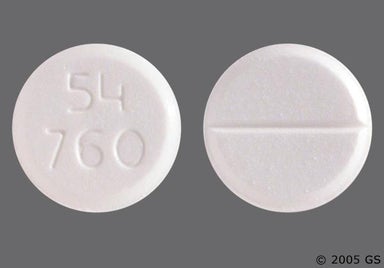
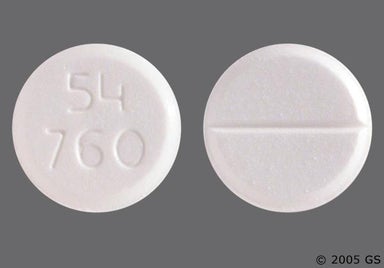
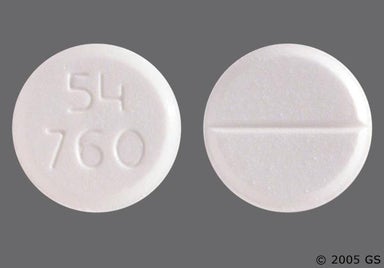
White Round 54 760 - Prednisone 20mg Tablet
This medicine is White, Round, Scored Tablet Imprinted With "54 760".White Round 54 760 - Prednisone 20mg Tablet
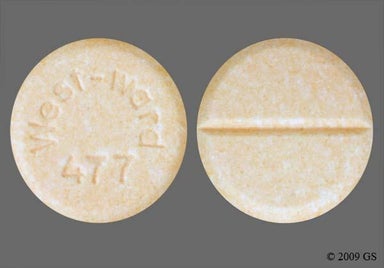
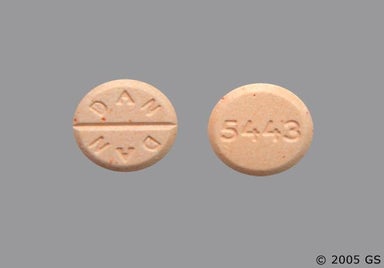
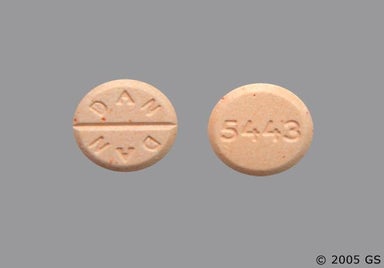
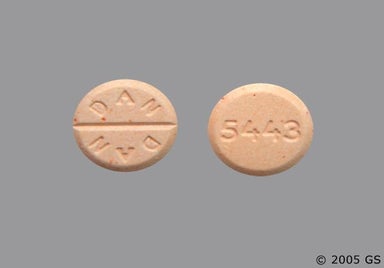
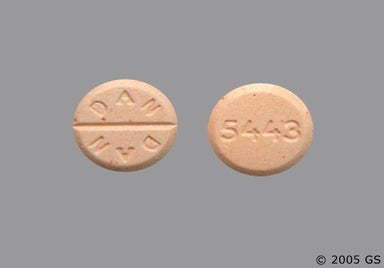
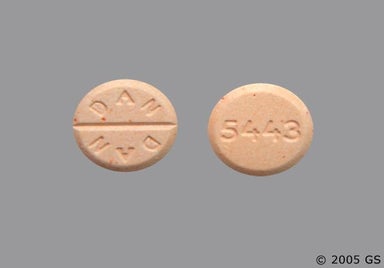
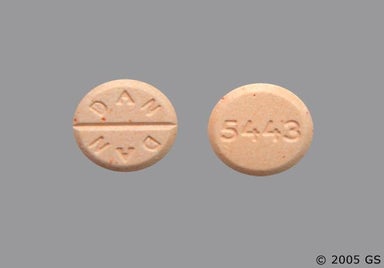
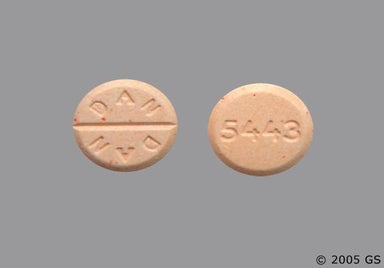
Peach Round 5443 And Dan Dan - Prednisone 20mg Tablet
This medicine is Peach, Round, Scored Tablet Imprinted With "5443" And "Dan Dan".Peach Round 5443 And Dan Dan - Prednisone 20mg Tablet
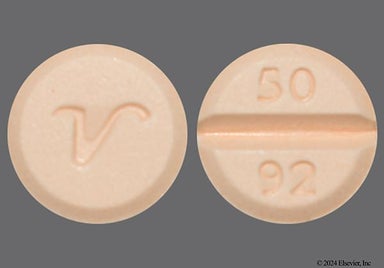
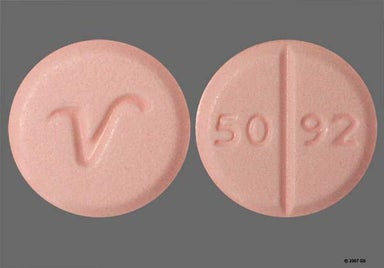
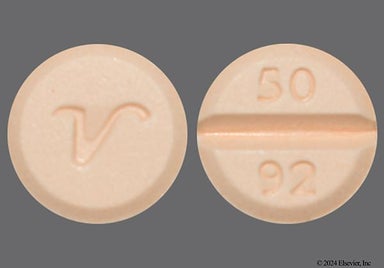
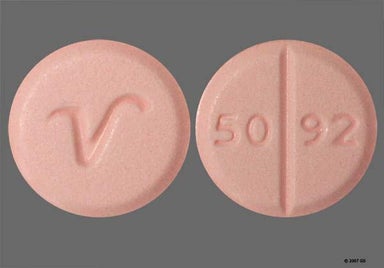
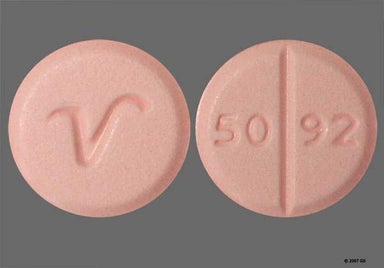
Peach Round V And 50 92 - Prednisone 20mg Tablet
This medicine is Peach, Round, Scored Tablet Imprinted With "50 92" And "V".Peach Round V And 50 92 - Prednisone 20mg Tablet
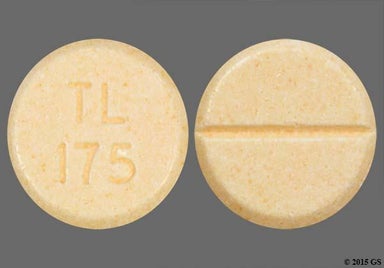
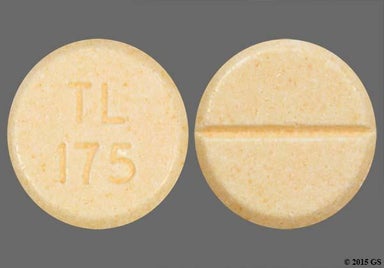
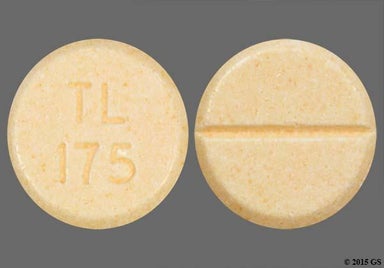
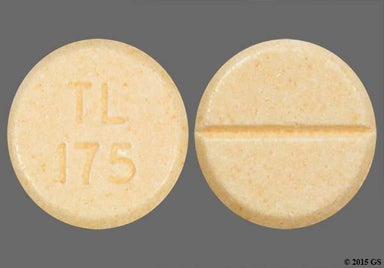
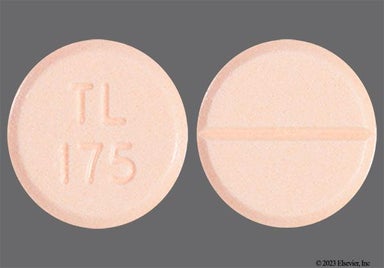
Peach Round Tl 175 - Prednisone 20mg Tablet
This medicine is Peach, Round, Scored Tablet Imprinted With "Tl 175".Peach Round Tl 175 - Prednisone 20mg Tablet
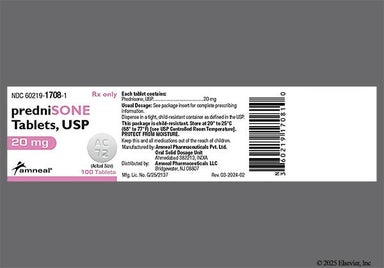
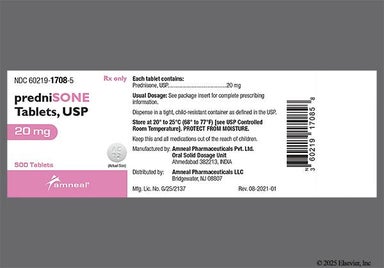
White Round Ac72 - Prednisone 20mg Tablet
This medicine is White, Round, Scored Tablet Imprinted With "Ac72".White Round Ac72 - Prednisone 20mg Tablet
White Round Ac72 - Prednisone 20mg Tablet
This medicine is White, Round, Scored Tablet Imprinted With "Ac72".White Round Ac72 - Prednisone 20mg Tablet
White Round Ce 127 - Prednisone 20mg Tablet
This medicine is White, Round, Scored Tablet Imprinted With "Ce 127".White Round Ce 127 - Prednisone 20mg Tablet
White Round Ce 127 - Prednisone 20mg Tablet
This medicine is White, Round, Scored Tablet Imprinted With "Ce 127".White Round Ce 127 - Prednisone 20mg Tablet
White Round E 173 - Prednisone 20mg Tablet
This medicine is White, Round, Scored Tablet Imprinted With "E 173".White Round E 173 - Prednisone 20mg Tablet
White Round E 173 - Prednisone 20mg Tablet
This medicine is White, Round, Scored Tablet Imprinted With "E 173".White Round E 173 - Prednisone 20mg Tablet
White Round E 173 - Prednisone 20mg Tablet
This medicine is White, Round, Scored Tablet Imprinted With "E 173".White Round E 173 - Prednisone 20mg Tablet
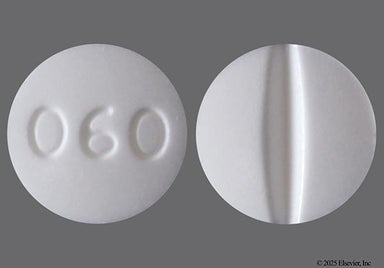
White Round 060 - Prednisone 20mg Tablet
This medicine is White, Round, Scored Tablet Imprinted With "060".White Round 060 - Prednisone 20mg Tablet

Get savings updates for Prednisone

Receive price alerts, news, and other messages from GoodRx about Prednisone and other healthcare topics and relevant savings offers.

By providing your email, you consent to receive marketing communications from GoodRx, which may include content and/or data related to men's health, women's health, reproductive care, or sexual health. You agree to the GoodRx Terms of Use and acknowledge the Privacy Policy. You can unsubscribe at any time.

References

Best studies we found

Aljebab, F., et al. (2017). Systematic review of the toxicity of long-course corticosteroids in children. PLOS One. 

Briot, K., et al. (2015). Glucocorticoid-induced osteoporosis. RMD Open. 

Centers for Disease Control and Prevention. (2023). Altered immunocompetence

GoodRx Health has strict sourcing policies and relies on primary sources such as medical organizations, governmental agencies, academic institutions, and peer-reviewed scientific journals. Learn more about how we ensure our content is accurate, thorough, and unbiased by reading our editorial guidelines.

Was this page helpful?