Key takeaways:
Acne is a common condition with a few different causes. Medications are one possible cause.
Experts don’t always know why certain medications cause acne. In most cases, stopping the medication will get rid of the acne. But this may not always be an option.
Some drug-induced acne may need standard acne treatment after stopping the medication.
Save on related medications
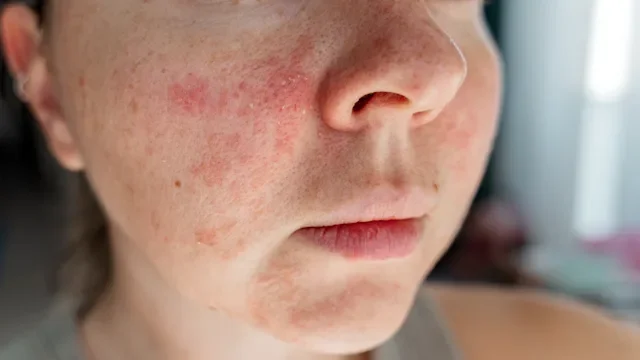
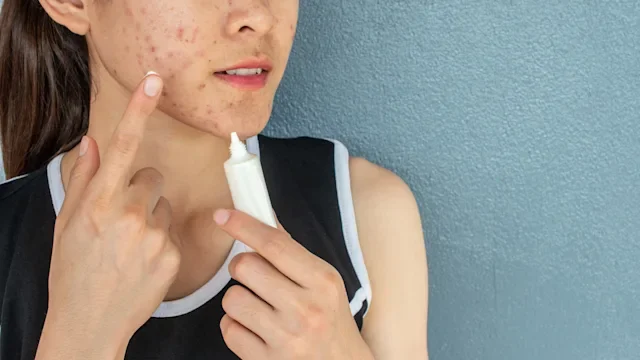
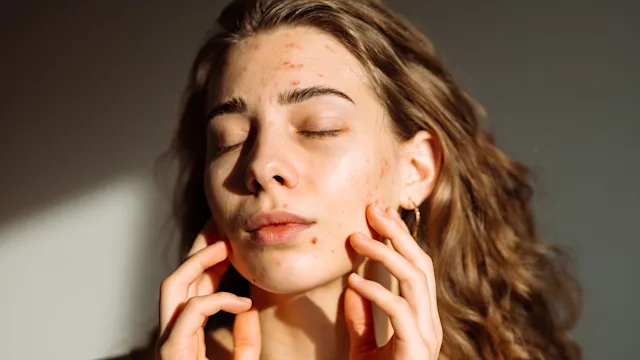
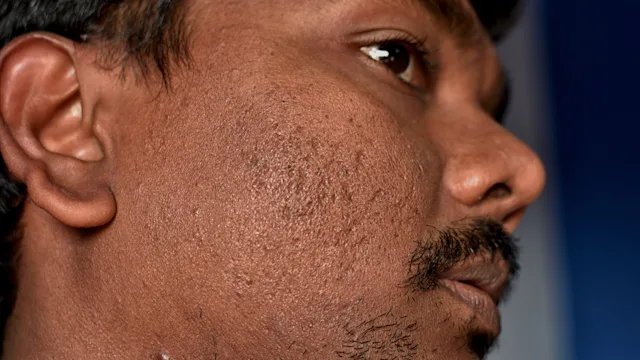
Acne is a common skin condition that affects people of all ages. It’s caused by inflammation and irritation of pores in the skin when the pores get blocked. The symptoms range from blackheads and pimples to cysts. Acne can be caused by many things, including bacteria that can be treated with antibiotics. But some acne is caused by medications.
Acne that's caused by medications is called drug-induced acne, or acneiform drug eruption. Researchers don’t completely understand the exact way each type of medication causes acne. But there are a few theories.
Most often, the treatment for drug-induced acne is to stop taking the medication that's causing it. But sometimes acne persists even after the medication is stopped. Or, stopping the medication may not be an option. In these cases, standard treatment for acne may help.
Search and compare options
In this article, we discuss seven medications that are known to cause acne. If you have an acne breakout and are taking any of these medications, talk to your healthcare provider about your options.
1. Corticosteroids
Corticosteroids (steroids) are often used for conditions like asthma, allergies, and autoimmune conditions. Common oral steroids include prednisone and dexamethasone. They help lower inflammation in the lungs, and other places in the body. However, they can also cause or worsen acne.
The exact mechanism isn’t known. But one study also found that steroids cause more toll-like receptor 2 (TLR2) gene activation. TLR2 genes are involved in skin inflammation.
Steroids that are taken orally, by injection, or applied to the skin may be more likely to cause acne than inhaled and nasal steroids.
2. Testosterone
Testosterone is a type of androgen hormone. It's responsible for male characteristics such as muscle mass and male-pattern hair growth. It's also found in women, but to a lesser extent. Testosterone can be taken as a hormone replacement therapy for men who have low levels of testosterone. It’s also sometimes used as part of gender-affirming hormone therapy (GAHT).
Testosterone comes in injection, gel, and patch forms. All three types of testosterone products can cause acne. Testosterone can cause acne by raising the production of oil (sebum), which then blocks the skin pore. When the pore is blocked, it causes inflammation and irritation. This ultimately leads to different types of acne.
If you’re taking testosterone for GAHT, it may be an important part of your gender-affirming care. In this case, stopping the medication may not be desired. Discuss potential acne treatments with your healthcare provider.
3. Birth control pills
There are many types of birth control pills available. Some contain hormones called estrogen and progestin, while others only contain progestin. Birth control is used for many reasons, including preventing pregnancy, regulating periods, and even treating acne.
But birth control pills that contain older forms of progestin are more likely to cause acne. Compared to newer progestins, the older progestins can have larger androgenic effects similar to testosterone. This causes more sebum to be made. Estrogen and newer types of progestins have anti-androgen effects and can be effective for treating acne.
4. Lithium
Lithium is a medication that's used to treat people with bipolar disorder. Sometimes it’s used off-label to treat other conditions, like depression. People who take lithium usually need to have blood tests to make sure they’re getting the right dose.
Lithium can cause acne by making skin pores more inflamed and causing cells to block the pore. One documented case of lithium-induced acne resolved completely after stopping the medication. But you shouldn’t stop taking it on your own — talk to your healthcare provider first.
5. Lamotrigine
Lamotrigine (Lamictal) is a medication that's used to treat bipolar disorder and seizures. It works in the brain to help stabilize your mood. Lamotrigine can cause a few different skin conditions, including acne. Some of them are very serious and require medical help.
Lamotrigine can cause or worsen acne, but it’s not clear how. About 10% of people taking lamotrigine can have some type of rash, including acne. Serious rashes like Stevens-Johnson Syndrome (SJS) and toxic epidermal necrolysis (TEN) are possible after taking lamotrigine. These two severe rashes can be dangerous if left untreated. In fact, about 1 in 3 people with TEN die from the condition.
If you develop any type of rash while taking lamotrigine, let your healthcare provider know.
6. Phenytoin and other antiepileptics
Phenytoin (Dilantin) is a medication that's used to treat seizures. It works by slowing down the activity of the brain.
Phenytoin and other antiepileptics like phenobarbital or carbamazepine (Tegretol, Carbatrol) are known to cause or worsen acne. Like phenytoin, antiepileptics help prevent seizures. Acne is more common with phenytoin compared to some other medications, like phenobarbital.
It’s not clear exactly how phenytoin or other antiepileptics make acne worse. The good news is, other options are available. If you think you may be getting acne from phenytoin, discuss potential treatment options with a healthcare provider.
7. Certain cancer medications
Chemotherapy is a treatment that's used to kill cancer cells. Chemotherapy usually comes as a pill or as an injection. Some come as topical medications applied to the skin. Certain chemotherapy medications can also cause a rash that looks like acne.
Some targeted therapies, another type of cancer treatment, can also cause acne. One common example is epidermal growth factor receptor inhibitors (EGFR inhibitors). Examples of EGFR inhibitors include afatinib (Gilotrif), cetuximab (Erbitux), and erlotinib (Tarceva). They can cause acne that can be treated by regular methods.
Some examples of other targeted therapy that can cause acne include everolimus (Afinitor), vandetanib (Caprelsa), and temsirolimus (Torisel).
How do you get rid of drug-induced acne?
If you're experiencing drug-induced acne, there are a few things that you can do to help improve your symptoms. The first thing to do is talk with your healthcare provider about whether your acne is caused by a medication, or if it may have another cause.
If your healthcare provider confirms that your acne is likely caused by a medication, then they may have you stop taking it or lower your dose. Most types of drug-induced acne get better without treatment over a few weeks to months after stopping the medication. But don’t stop taking your medication unless directed to do so.
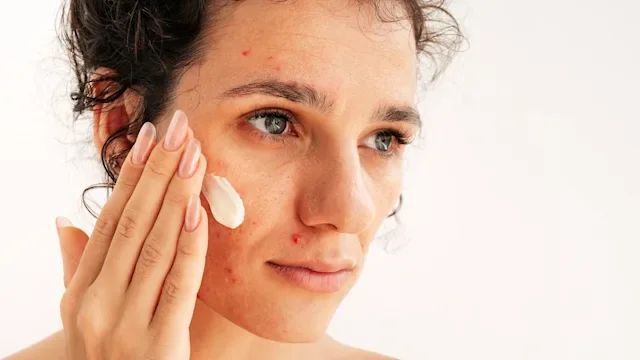
If the acne doesn’t completely clear up after that, it’s possible that standard acne treatments may be helpful. This could include topical or oral medications.
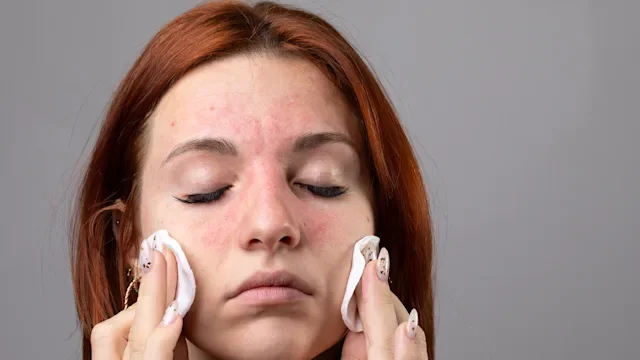
In general, if you have symptoms of acne it’s also important to keep your skin clean and dry. You can do this by washing your face twice a day with mild soap and a gentle cleanser. Avoid scrubbing your skin, as this can worsen inflammation.
The bottom line
Acne is a common condition, but some types of acne are caused by medications. Corticosteroids, testosterone, and lithium are a few examples of common culprits.
If you think you're experiencing drug-induced acne, let your healthcare provider know. Often, the drug-induced acne can be cleared up within a few weeks to months after stopping the medication. But in some cases, the acne still doesn’t go away. Or, stopping the medication may not be an option. Depending on your situation, your provider may recommend standard acne treatments to help.

Why trust our experts?




References
Bryant Ranch Prepack. (2022). Lamotrigine [package insert].
Cancer.net. (2021). Skin reactions to targeted therapy and immunotherapy.
Cancer Treatment Centers of America. (2022). Skin care and cancer treatment.
Dermatology Learning Network. (2009). Drug-induced acne and acneiform eruptions: A review. The Dermatologist.
DeWitt, C. A., et al. (2007). Acneiform eruptions associated with epidermal growth factor receptor-targeted chemotherapy. Journal of the American Academy of Dermatology.
Elsaie, M. L. (2016). Hormonal treatment of acne vulgaris: An update. Clinical, Cosmetic, and Investigational Dermatology.
Fabbrocini, G., et al. (2015). Acneiform rash induced by EGFR inhibitors: Review of the literature and new insights. Skin Appendage Disorders.
Feldman, S., et al. (2004). Diagnosis and treatment of acne. American Family Physician.
Hoetzenecker, W., et al. (2016). Toxic epidermal necrolysis. F1000Research.
Nair, P. A., et al. (2021). Acneiform eruptions. StatPearls.
Nassar, G. N., et al. (2022). Physiology, testosterone. StatPearls.
MedlinePlus. (2020). Acne - self-care.
Oakley, A. M., et al. (2021). Stevens Johnson Syndrome. StatPearls.
Owczarczyk-Saczonek, A., et al. (2013). Acneiform rash during lung cancer therapy with erlotinib (Tarceva®). Advances in Dermatology and Allergology.
Scarfi, F., et al. (2013). Lithium acne. Canadian Medical Association Journal.
ScienceDirect. (n.d.). Acneiform eruption.
Shibata, M., et al. (2009). Glucocorticoids enhance toll-like receptor 2 expression in human keratinocytes stimulated with Propionibacterium acnes or proinflammatory cytokines. Journal of Investigative Dermatology.
Trivedi, M. K., et al. (2017). A review of hormone-based therapies to treat adult acne vulgaris in women. International Journal of Women’s Dermatology.
Wang, X., et al. (2014). Risk of a lamotrigine-related skin rash: Current meta-analysis and postmarketing cohort analysis. Seizure - European Journal of Epilepsy.
Zaenglein, A. L., et al. (2016). Guidelines of care for the management of acne vulgaris. Journal of the American Academy of Dermatology.