Allergies: Symptoms, Causes, and Treatment
Comprehensive information for you or a loved one — including treatment options and discounts on popular medications.

Allergies and allergy symptoms affect more than 100 million people in the U.S. each year. They’re the sixth-leading cause of chronic illness in adults in the U.S. and the most common cause of chronic illness in children.
Allergies are what happens when the immune system overreacts to a harmless trigger in the environment. It’s a case of mistaken identity: Immune cells responsible for protecting the body against germs misidentify and react to a harmless substance.
The allergic reaction is what happens in the body when the immune system reacts to this false threat.
The most common types of allergies are:
Indoor and outdoor allergies
Drug allergies
Insect allergies


Allergy symptoms can range from a mild runny nose to life-threatening anaphylaxis. Symptoms usually — but not always — affect the part of the body that comes into contact with the trigger.
Common allergy symptoms (and their types) include:
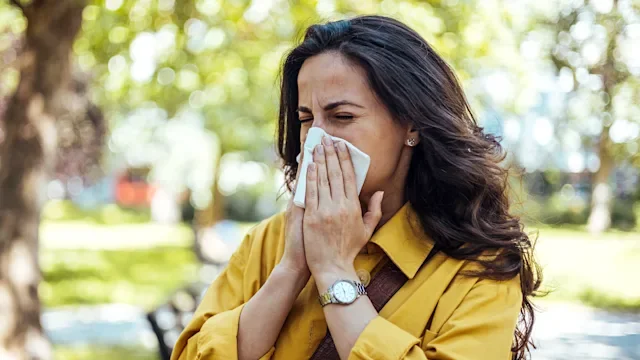
Allergic rhinitis: sneezing, congestion, and itchy and runny nose
Allergic asthma: wheezing, chest tightness, breathlessness, and cough
Allergic conjunctivitis: itchy, red, and watery eyes
Food allergies: stomach cramping, nausea, vomiting, and diarrhea
Eczema: dry, red, and cracked skin
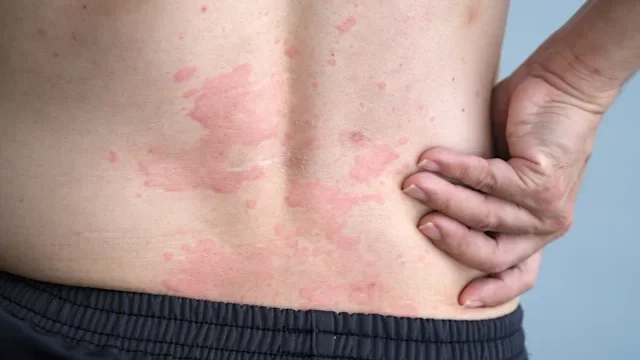
Contact dermatitis: red, itchy skin rash
Hives: raised, itchy skin
Angioedema: swollen lips, tongue, throat, eyelids, or face
Many things in the environment can cause allergies. These harmless triggers are called “allergens.”
Allergens will be different for different people, depending on the allergy they have. These are some common allergens that cause allergies:
Indoor and outdoor allergies: plant pollens, mold spores, dust mites, and pet dander
Skin allergies: poison ivy and oak, some foods, metals, and latex
Food allergies: milk, soy, eggs, wheat, peanuts, tree nuts, fish, and shellfish
Drug allergies: such as allergy to penicillin antibiotics
Insect allergies: bee and wasp stings, poisonous ant bites, cockroaches, and dust mites
Despite what you may have heard, these things don’t cause allergies:
E-numbers (food additives)
Genetically modified foods
Fast food
To be allergic to something, you have to be sensitized to it. This means your body must have come into contact with that substance in your life and made a memory (antibodies) against it. Experts aren’t exactly sure why this happens.
Allergies can happen in anyone, but they’re more likely if you have a genetic risk for allergies (known as “atopy”).
Your risk or chances of inheriting allergies depend on a few things:
A child whose parents don’t have allergies has a 12% risk of having allergies.
If one parent has allergies, that risk goes up to 50%.
If both parents have allergies, the risk of allergies in the child can be as high as 80%.
Compare prices and information on the most popular Allergic Rhinitis medications.
Not sure whether you have an allergy, or having trouble figuring out what’s causing your allergies? If so, then you may need the help of an allergy specialist.
For allergy testing to be useful, you need to have a clear link between a trigger and a symptom. In other words, you notice symptoms after coming in contact with a particular trigger. An allergy specialist can test you for that trigger with an allergen challenge. This involves pricking the skin with very small amounts of the allergen (and related allergens) to see if your skin reacts to it.
If you don’t have clear symptoms, then allergy tests usually can’t help to diagnose an allergy. Testing for allergies without any clear history of allergic reactions can give misleading results.
Once your allergy is confirmed, you’ll know what you need to avoid. If you can’t avoid a particular trigger, then your allergy specialist will be able to recommend treatments to help manage your symptoms.
The first and best treatment for allergies is to avoid the trigger. Next, medications can help treat symptoms. These medications can also prevent symptoms when taken before exposure to the allergen(s).
Many people with mild allergies can manage their symptoms with over-the-counter (OTC) medications and by avoiding the trigger.
But, sometimes, trigger avoidance isn’t possible, or it’s not enough to prevent symptoms. Other times, OTC medication doesn’t work well enough to treat allergy symptoms.
The main categories of allergy medications are antihistamines, corticosteroids, and decongestants. You can take these medications orally (by mouth) or apply them topically as:
Eye drops
Inhalers
Nasal sprays
Skin creams
Lotions
Ointments
For food allergies, there’s an FDA-approved injectable medication called Xolair (omalizumab).
Antihistamines block the effects of histamine, the chemical responsible for symptoms like itching, runny nose, and sneezing. These medications can prevent allergy symptoms, so long as you take them before you come into contact with the trigger. Antihistamines can also help lessen your symptoms after an exposure.
Antihistamine examples include:
Diphenhydramine (Benadryl)
Loratadine (Claritin)
Cetirizine (Zyrtec)
Fexofenadine (Allegra)
Corticosteroids are powerful anti-inflammatory medications. They can help with short-term treatment of:
Irritation
Redness
Swelling
Itching
Pain
Examples of corticosteroids include:
Prednisone (Deltasone) — oral
Budesonide (Rhinocort) — nasal spray
Hydrocortisone (Cortizone, Pandel) — cream
Decongestants can ease symptoms of a stuffy nose (nasal congestion) by reducing the swelling of blood vessels in your nose. You can take them alone, such as pseudoephedrine (Sudafed). Or you can take them in combination with antihistamines, such as loratadine / pseudoephedrine (Claritin-D).
Xolair (omalizumab) is an injectable medication that’s FDA approved for the treatment of food allergies. It’s a medication you take every 2 to 4 weeks. It lowers the risk and severity of allergic reactions due to accidental exposure to one or more foods.
Xolair doesn’t take the place of avoiding exposure to allergens. And, in the case of serious allergic reactions like anaphylaxis, you may still need to inject epinephrine.
Immunotherapy is a specific treatment for a small number of people with severe and persistent allergies who don’t find relief from their symptoms with other treatments. With immunotherapy, you take small doses of the allergic trigger (allergen) over the course of several years. It aims to help your body get used to the allergen, so your allergy becomes milder and more manageable. The allergen can be administered either as a shot (SCIT) or as a drop (SLIT).
If you're taking injections, these have to be given by a specialist healthcare professional in a particular type of clinic. This is because there’s a small risk of a severe reaction. You can take drops or tablets at home.
Allergies tend to run in families, so there’s only so much you can do to prevent them. You can minimize your risk of allergy flare-ups by identifying and avoiding your triggers and taking medication. Consider keeping a diary of your triggers to track what worsens your symptoms.
As a parent, there are also some things to be aware of when it comes to preventing allergies in children:
Eat a wide range of foods when you’re pregnant and nursing. Following a diverse diet when you’re pregnant and nursing can be beneficial for both you and your baby. You may have heard that avoiding certain foods or drinks when you’re pregnant or nursing can prevent allergies. However, studies don’t show benefits of restrictive diets.
Introduce solid foods gradually. When your child is between 4 to 6 months old, you can start introducing single-ingredient foods one at a time. These include fruits, vegetables, and cereal grains. Wait 3 to 5 days before introducing another food so you can tell how your child reacts to each specific food.
Avoid smoke. Smoking or exposing your child to secondhand smoke increases their risk of developing asthma and other long-term respiratory illnesses.
If you want to avoid medications and can’t totally avoid your allergy triggers, there are many natural remedies for seasonal allergies. This can include something as simple as staying hydrated with water to trying supplements and alternative therapies like acupuncture and aromatherapy.
If you want to avoid medications and can’t totally avoid your allergy triggers, there are many natural remedies for seasonal allergies. This can include something as simple as staying hydrated with water to trying supplements and alternative therapies like acupuncture and aromatherapy.
Allergy shots, or subcutaneous immunotherapy, work against allergies by training your immune system not to overreact to a specific allergen. There are different shots for different allergens. While this can work well, it’s a long process that can take 3 to 5 years, and it can cost from $1,000 to several thousand dollars.
Epinephrine, or EpiPen, is another type of “allergy shot.” This is used to treat a severe anaphylaxis (a severe allergic reaction). While it can be lifesaving, it won’t make you less sensitive to your allergens over time.
Yes, seasonal allergies can make you cough. When your nose gets irritated from outdoor allergens, it creates extra mucus. Some of that mucus will drain down the back of your throat (postnasal drip), which can lead to irritation and a cough.
Similarly, if your nose is inflamed from allergies, you’re more likely to breathe through your mouth, which can lead to dryness. Again, a dry throat can make you cough.
Seasonal allergies can also trigger asthma, which can cause a cough. And seasonal allergies can trigger postnasal drip and throat irritation. Both of these can lead to a dry, nagging cough.
There are nine foods responsible for almost all food allergy reactions:
Milk
Soy
Eggs
Wheat
Peanuts
Tree nuts (like almonds)
Fish
Shellfish
Sesame
For children, the most common food allergies are for milk, eggs, and peanuts. For adults, the most common food allergies are for fruits, nuts, fish, and shellfish.
Many (but not all) food allergies are actually intolerances. They’re caused by a problem in the gut, rather than an overactive immune system mounting an attack against that food. The symptoms of a food intolerance might be bloating or constipation. This is different from the symptoms of a true food allergy:
Rashes
Hives
Hausea
Vomiting
These are caused by the immune system releasing histamine and other similar chemicals into the blood.
For people with seasonal allergies, it’s best to take allergy medication every day. If possible, it helps to start taking medication ahead of time. Some medications, such as fluticasone (Flonase), take a while to give maximum benefits. If you’re taking your allergy medication daily without relief, it might be time to switch to a different medication.
American College of Allergy, Asthma & Immunology. (2023). Allergy facts.
American College of Allergy, Asthma & Immunology. (2024). Prevention of allergies and asthma in children.
Prescription savings
Stop paying too much for your prescriptions. Compare prices, get pharmacy coupons, and save up to 80%.Resources
About GoodRx
 Find expert answers to your health questions so you can make the best decisions for yourself and your family.
Health conditions
Medications & treatment
Access & affordability
Well-being
Medication discounts