Key takeaways:
Tuberculosis (TB) is a disease of the lungs that can also affect other parts of the body. The cause is a bacteria that spreads between people.
The bacteria that causes TB can live in the body for a long time, and it doesn’t always cause an active infection or make you sick.
Regardless of whether someone has an active infection, the treatment for TB is antibiotics. Treatment takes months to clear the infection.
Tuberculosis, or TB, has been around for thousands of years. The World Health Organization (WHO) says that the bacteria that causes tuberculosis is in around 25% of all people. But only about 15% of these people will actually get sick from it. Even though not everyone gets sick, TB is still a leading cause of death from infection around the world. Most people who get sick from TB live in places where crowding, poverty, and poor nutrition put them at greater risk of infection. But anyone can get TB. Here we’ll talk about the causes, prevention, and treatment for TB.
What causes tuberculosis?
Tuberculosis is an infectious disease. That means the cause is a small organism that we often refer to as a “germ.” The germ that causes TB is the bacteria Mycobacterium tuberculosis. One thing to know about this bacteria is that it grows very slowly and can live in the body for a long time. And you can only get it by breathing in the bacteria from someone who is sick with tuberculosis.
Not everyone who comes in contact with the bacteria will get sick from it. Because it grows so slowly, the body’s immune system can usually take care of it. But there are health conditions — like diabetes, HIV, and cancer — that decrease the body’s ability to fight off infections. This makes it more likely to get sick from the bacteria.
There are also living conditions that increase both the spread of TB and the risk of getting sick from it. Crowded spaces with little ventilation, poor nutrition, and poverty put people at higher risk.
How do you get tuberculosis, and is it contagious?
The bacteria that causes tuberculosis spreads between people. So it’s a contagious disease. But only someone with “active” TB can give it to other people.
Active TB means the bacteria is growing in a person’s lungs and making them sick. If someone with active TB coughs, talks, or sings close to other people, the bacteria can travel through the air and make its way into another person’s lungs. You won’t get TB from touching or sharing food with someone with TB. Most people get TB from someone they live with or have regular, close contact with.
Some people have the tuberculosis bacteria in their bodies without it causing active disease in the lungs. In these cases, the TB isn’t active — it’s “latent.” People with latent tuberculosis aren’t sick, and they can’t give it to others. They often don’t know they have the TB bacteria until they do a screening test.
The other way you can get sick from tuberculosis is called “reactivation TB.” This happens when the bacteria switches from an inactive (latent) form to an active form. This can happen if there’s a change in your immune status. Sometimes this happens if you get sick with another infection or a condition like diabetes or cancer. It can also happen if you need to take medication for cancer or to suppress an overactive immune system. And sometimes it happens with age or a change in nutrition.
That’s why people who test positive for tuberculosis should always get treatment for it, even if it’s not active and making them sick.
What are the symptoms of tuberculosis?
The most common form of tuberculosis affects the lungs. The symptoms of pulmonary tuberculosis include:
Bad cough or one that doesn’t go away
Cough with lots of sputum
Unintended weight loss
Sweating a lot, especially at night
Fever
Cough with blood
TB can also spread to other parts of the body, called “extrapulmonary tuberculosis.” This is less common than pulmonary tuberculosis. The symptoms depend on the part of the body it affects:
Lymph nodes: This can cause swollen lumps, usually in the neck. These lymph nodes usually aren’t painful.
Heart: TB around the lining of the heart can cause chest pain, cough, and shortness of breath.
Eye: This can cause pain and vision changes.
Brain: TB can cause meningitis with symptoms of headache, seizures, and confusion.
Gastrointestinal system: Symptoms can include vomiting, diarrhea, abdominal pain, and trouble eating.
Genitals and urinary system: This can lead to swelling and pain in the kidneys, bladder, or reproductive organs.
Muscles and bones: The bones of the spine are the most common place for TB to spread in the skeletal system. Symptoms include pain, fever, and sweats.
Skin: Sometimes TB causes sores or swelling of the skin.
How do you diagnose tuberculosis?
If you have symptoms of active TB, it’s important to get a diagnosis as soon as possible. This increases the chance of a full recovery and lowers the risk of spreading it to other people. But it’s also important to diagnose and treat latent tuberculosis. This prevents active disease in the future.
Let’s look at some of the tests that healthcare providers use to diagnose both active and latent tuberculosis:
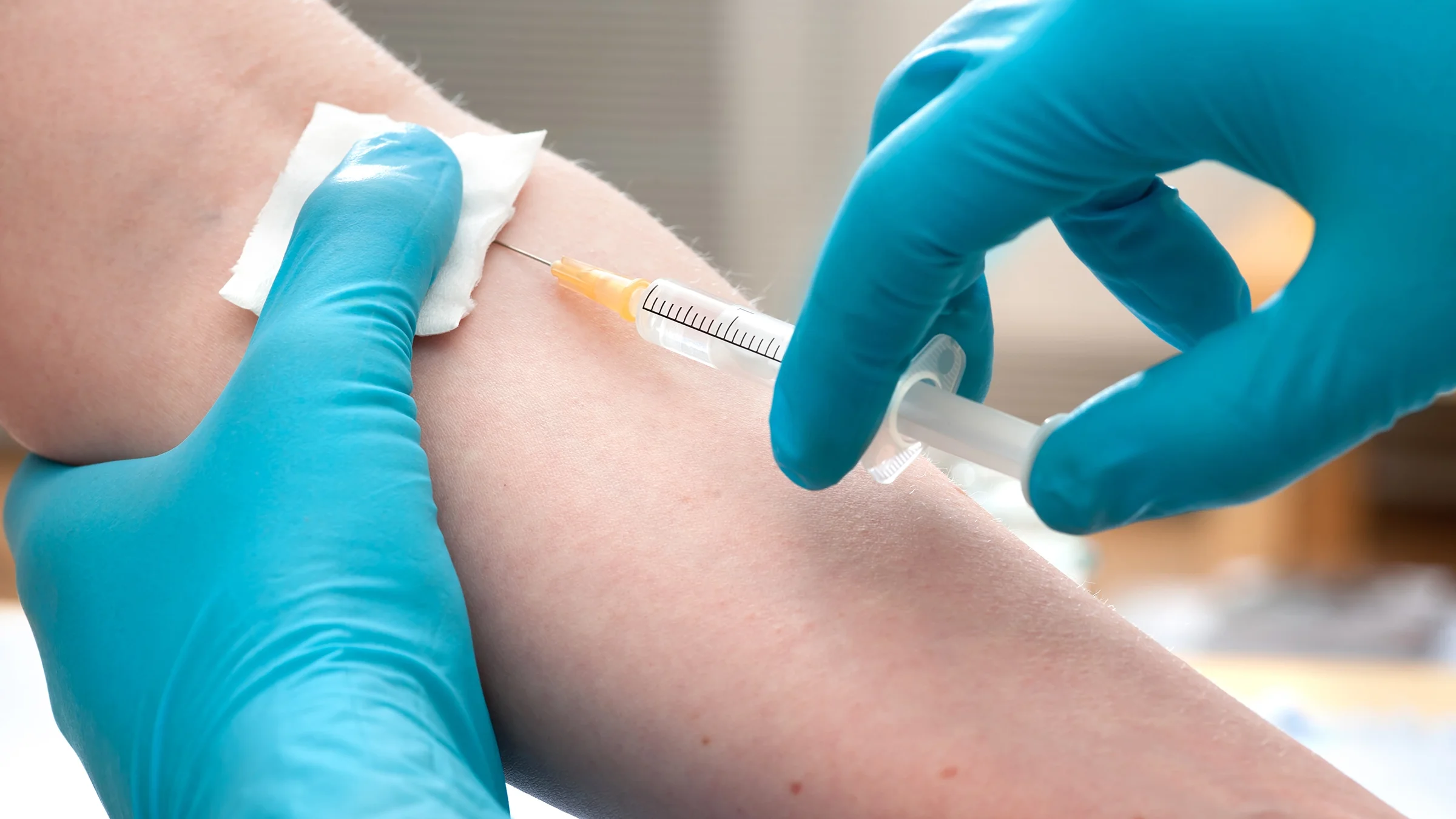
Tuberculin skin test: This is a common way to test for TB. A provider uses a small needle to inject a small amount of liquid — purified protein derivative (PPD) — under the skin of the forearm. (This is why the test is sometimes called a “PPD”). After 48 to 72 hours, a provider measures the amount of swelling where they injected PPD. The test is positive if it measures more than 5, 10, or 15 mm, depending on your individual risk factors for exposure.
TB blood test: This looks for the TB bacteria in your body. Some people will take a blood test instead of a skin test. Anyone who received a vaccine for TB as a child should probably have a blood test instead of a skin test.
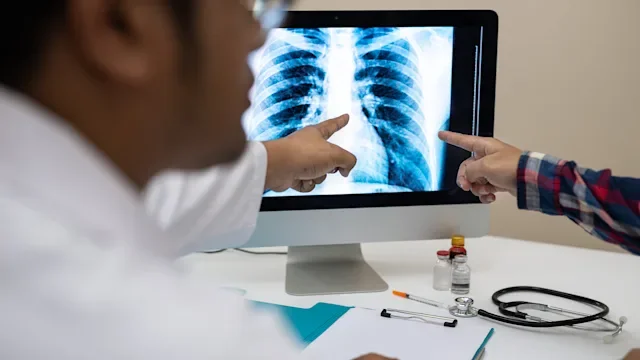
Chest X-ray: If you have a positive skin test or blood test, or if you have symptoms of TB, a chest X-ray can show if there are signs of active TB in your lungs.
Sputum sample: If you have symptoms of TB, or if other tests for TB have been positive, your provider will recommend a sputum sample. They test the sputum for the bacteria that causes TB. Sometimes you can give a sample with a good, deep cough. Other times a bronchoscopy is needed to get a good sample. This is a procedure where a specialist uses a small camera to look into the lungs and takes samples for testing. They often need more than one sample to confirm the diagnosis.
How do you treat tuberculosis?
TB is a serious disease. The good news is that modern antibiotics can treat it. But this means taking up to four medications over a period of months, according to the instructions of your provider.
There are different combinations of medications that can be used for different periods of time. The specific medications depend on your other health conditions and other factors you’ll discuss with your healthcare provider.
Treatment for active tuberculosis uses 4 drugs over a period of 4, 6, or 9 months. Some of the possible medications include:
Isoniazid (INH)
Rifampin (RIF)
Pyrazinamide (PZA)
Ethambutol (EMB)
Moxifloxacin (MOX)
Rifapentine (RPT)
Drug-resistant tuberculosis is another form of active TB. This is when at least one of the usual medications can’t treat the bacteria that causes TB. Multidrug-resistant tuberculosis (MDR-TB) refers to bacteria that’s resistant to more than one of these medications. This kind of TB is even more dangerous and difficult to treat.
People with active TB need to take precautions to prevent the spread of the bacteria to others. And those who have been in close contact need to do testing for TB.
Latent TB also requires treatment to prevent active TB in the future. Treatment for latent TB uses 1 or 2 of the above medications for a period of 3 to 9 months.
TB treatment can be a challenge for some individuals and communities. Treating TB is important for the person who is sick as well as the people around them. Someone with TB may need extra support. This includes things like helping them take their medications every day, treating other health conditions, and making sure they have healthy food and a safe place to live.
Is there a vaccine for tuberculosis?
There is only one vaccine for tuberculosis and it’s been around since 1921. In countries with high rates of TB, infants get the Bacille Calmette-Guérin (BCG). The vaccine gives some protection for infants and young children against severe forms of TB. But it doesn’t give the same protection for older kids and adults.
Researchers are testing some new TB vaccines, but they aren’t available yet.
The bottom line
Tuberculosis is a serious, infectious disease that affects millions of people around the world. It’s caused by bacteria. Poverty, overcrowding, and poor health may play a role in its spread. There are medications to treat TB, but they must be taken in combination and for many months. And there are some forms of the bacteria that are resistant to these medications. This is a challenge for preventing and treating TB around the world. People in close contact with someone who has active TB should do TB testing. Those who complete treatment can go on to live long and healthy lives.

Why trust our experts?



References
American Lung Association. (2020). Tuberculosis symptoms and diagnosis.
Bloom, B. R., et al. (2017). Tuberculosis. Major Infectious Diseases, 3rd edition.
Centers for Disease Control and Prevention. (2016). How TB spreads.
Centers for Disease Control and Prevention. (2016). Vaccines.
Centers for Disease Control and Prevention. (2017). Drug-resistant TB.
Centers for Disease Control and Prevention. (2020). Fact sheets: Tuberculin skin testing.
Centers for Disease Control and Prevention. (2020). Latent TB infection and TB disease.
Centers for Disease Control and Prevention. (2022). Treatment for TB disease.
Gopalaswamy, R., et al. (2021). Extrapulmonary tuberculosis—An update on the diagnosis, treatment and drug resistance. Journal of Respiration.
Hargreaves, J. R., et al. (2011). The social determinants of tuberculosis: From evidence to action. American Journal of Public Health.
MedlinePlus. (2022). Pulmonary tuberculosis.
Minnesota Department of Public Health. (n.d.). Tuberculosis (TB) blood test (IGRA).
Murphy, C., et al. (2021). Patient education: Tuberculosis (beyond the basics). UpToDate.
Narasimhan, P., et al. (2013). Risk factors for tuberculosis. Pulmonary Medicine.
San Francisco Department of Public Health. (n.d.). Hospital discharge of tuberculosis patients and suspects.
ScienceDirect. (n.d.). Mycobacterium tuberculosis.
Smith, I. (2003). Mycobacterium tuberculosis pathogenesis and molecular determinants of virulence. Clinical Microbiology Reviews.
World Health Organization. (n.d.). Tuberculosis.
World Health Organization. (2018). Tuberculosis: Multidrug-resistant tuberculosis (MDR-TB).
World Health Organization. (2021). Investing in new TB vaccines: It’s time to end the century-long wait!
World Health Organization. (2021). Tuberculosis key facts.