



5 Skyrizi Interactions to Be Aware of
Skyrizi can interact with biologics, live vaccines, and supplements that affect your immune system.
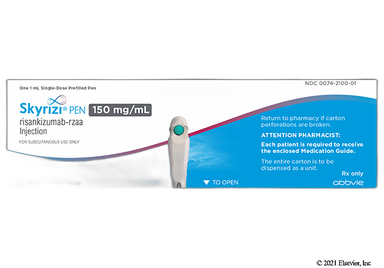
Skyrizi (risankizumab or risankizumab-rzaa) is an injection used to treat different inflammatory conditions in adults. This includes plaque psoriasis, psoriatic arthritis, Crohn's disease, and ulcerative colitis. It belongs to the drug class called interleukin antagonists. It works to lower inflammation and relieve symptoms. After the first few doses, you usually get the Skyrizi (risankizumab) injection every 2 or 3 months. This medication can raise your risk of infection as a side effect.

Skyrizi (risankizumab) is a type of monoclonal antibody. More specifically, it's an interleukin antagonist. It blocks proteins in your immune system called interleukin-23 (IL-23). These proteins play a role in causing inflammation.
By blocking IL-23, Skyrizi (risankizumab) helps lower swelling in the body. This helps relieve symptoms from certain inflammatory conditions.
| Common Brands | Skyrizi |
|---|---|
| Drug Class | Interleukin antagonist |
| Controlled Substance Classification | Not a controlled medication |
| Generic Status | No lower-cost generic available |
| Availability | Prescription only |

The following side effects may get better over time as your body gets used to the medication. Let your healthcare provider know immediately if you continue to experience these symptoms or if they worsen over time.
Note: Side effects listed were reported by adults with plaque psoriasis. Side effects might differ for other conditions.
Contact your healthcare provider immediately if you experience any of the following.
Side effects that you should report to your care team as soon as possible:
Side effects that usually do not require medical attention (report to your care team if they continue or are bothersome):



Tips for using Skyrizi (risankizumab) and injecting it under the skin at home

Skyrizi (risankizumab) can cause some serious health issues. This risk may be even higher for certain groups. If this worries you, talk to your doctor or pharmacist about other options.
It's possible to have a serious allergic reaction to Skyrizi (risankizumab). These allergic reactions can include anaphylaxis. Look out for any trouble breathing; hives; and swelling of your face, lips, tongue, or throat. Get medical help right away if this happens at any time during treatment.
Skyrizi (risankizumab) can make it hard for your body to fight off germs. This can raise your risk for bacterial, viral, or fungal infections. In studies, the most common infections were upper respiratory infections and fungal infections. This risk also includes tuberculosis (TB) infections. Although rare, infections were sometimes serious.
Before starting Skyrizi (risankizumab), tell your prescriber about your medical history to make sure it's safe for you. This is important if you have an infection now or if you've had TB before. You'll get tested for TB before treatment. If you have or have had TB, you'll need to take antibiotics to treat it or keep it from coming back. Don't start Skyrizi (risankizumab) until any current infections go away.
Call your care team if you have signs of infection while taking Skyrizi (risankizumab). Watch for things like fever, cough, trouble breathing, feeling weak, chills, night sweats, or changes in your skin. Your care team can also check for infections during treatment. If you get sick, you might need to stop taking Skyrizi (risankizumab) until you feel better.
If you have Crohn's disease or ulcerative colitis, tell your prescriber if you also have liver problems. They can make sure Skyrizi (risankizumab) is safe for you. So far, one person with Crohn's disease had serious liver injury after getting a few infusions of the medication through the vein.
Although liver problems are rare, your prescriber might order blood tests to check your liver. Get medical help right away if you have signs of liver damage during treatment. Look for stomach pain, nausea, or yellow skin or eyes. If this happens, your prescriber might talk to you about other treatment options.
It's a good idea to be up to date on all your vaccines before starting Skyrizi (risankizumab). During treatment, tell your healthcare professional you're taking this medication before getting any vaccines. They can make sure the vaccine is safe for you.
Avoid getting live vaccines, like Varivax (chickenpox vaccine) and MMR (measles, mumps, and rubella vaccine). Skyrizi (risankizumab) might raise your risk of infection from the live vaccine itself.

 Kit
Kit| Dosage | Quantity | Price as low as | Price per unit |
|---|---|---|---|
| prefilled cartridge of 360mg/2.4ml | 1 kit | $20,443.52 | $20,443.52 |
| prefilled cartridge of 180mg/1.2ml | 1 kit | $22,891.12 | $22,891.12 |
 Package
| Dosage | Quantity | Price as low as | Price per unit |
|---|---|---|---|
| 2 syringes of 75mg/0.83ml | 1 package | $31,455.28 | $31,455.28 |
| 1 pen of 150mg/ml | 1 package | $20,217.99 | $20,217.99 |
| 1 syringe of 150mg/ml | 1 package | $20,299.61 | $20,299.61 |
Plaque psoriasis or psoriatic arthritis
Crohn's disease
Ulcerative colitis











Prescription savings
Stop paying too much for your prescriptions. Compare prices, get pharmacy coupons, and save up to 80%. Find expert answers to your health questions so you can make the best decisions for yourself and your family.
Health conditions
Medications & treatment
Access & affordability
 Our monthly healthcare membership can help you save thousands on your prescription costs.
Resources

It depends on your condition and where you are in your treatment. For plaque psoriasis and psoriatic arthritis, the first two injections are a month apart. Then the rest of the injections are 3 months apart. For Crohn's disease and ulcerative colitis, you start with infusions through the vein. After 3 months, you'll switch to self-injections under the skin given once every 2 months. Talk to your prescriber about your specific dosing schedule.
How long it takes for Skyrizi to work depends on the condition you're using it for. Some people with plaque psoriasis or psoriatic arthritis might have improved symptoms within 1 month. Other studies found that some people with Crohn's disease or ulcerative colitis also saw improvements as early as 1 month. In general, it can take several months to see full benefits from the medication. Also remember that everyone responds to treatment in different ways. So follow up with your prescriber about how well Skyrizi is working for you.
It's best to ask your prescriber if you can take Skyrizi a week early. It's not clear what happens if you take the medication early. But it might depend on your situation. In general, you take the maintenance doses of the medication every 2 or 3 months. If you need or want to change your dosing schedule, talk to your prescriber first and follow their instructions carefully.
Yes, Skyrizi is a type of biologic medication. Biologics are made from living things, like cells, in the lab. Skyrizi is a monoclonal antibody, which is a lab-made protein made from cells. It helps block inflammation in your body. This relieves symptoms of certain inflammatory problems.
Some people might think of Skyrizi as an immunosuppressant. It works by blocking certain proteins in your immune system to lower inflammation. This helps treat certain inflammatory problems. But by making the immune system less active, it can also put you at risk of infections.
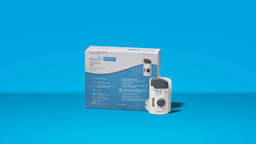
Keep [[EDITOR|DRUG_DISPLAY_NAME|]] in the fridge between 36ºF and 46ºF. Only take it out to let it warm up to room temperature before your injection. For the prefilled syringe, let it sit out for 15 to 30 minutes before you inject. For the prefilled pen, take it out 30 to 90 minutes before. And for the On-Body Injector, let it warm up for 45 to 90 minutes before. If the medication is left out too long by accident, throw it away and call your prescriber or pharmacist for a replacement. If you're traveling and don't have access to a fridge, make arrangements to keep the medication cold (like a portable cooler with ice packs).
Hair loss wasn't a side effect that people using Skyrizi had during studies. Call your care team if you notice hair loss while you're taking this medication. They can talk to you about possible reasons why it's happening.
Skyrizi doesn't seem to cause weight gain. If you have weight changes that worry you while taking this medication, talk to your primary care provider.
