Key takeaways:
Injection site reactions are areas of skin redness, swelling, and warmth. They can develop after you get a vaccine or an injectable medication.
Injection site reactions will go away on their own. Warm compresses and over-the-counter (OTC) pain medications can help relieve symptoms.
An injection site reaction doesn’t mean you’re allergic to the medication or vaccine.
Vaccines and injectable medications keep people healthy. But getting a shot isn’t very pleasant. And some people also develop injection site reactions after shots.
If you’ve had injection site reactions, you may be wondering if it’s an allergy or sign of something more serious. Here’s what you should know about injection site reactions and how to take care of them.
What is an injection site reaction?
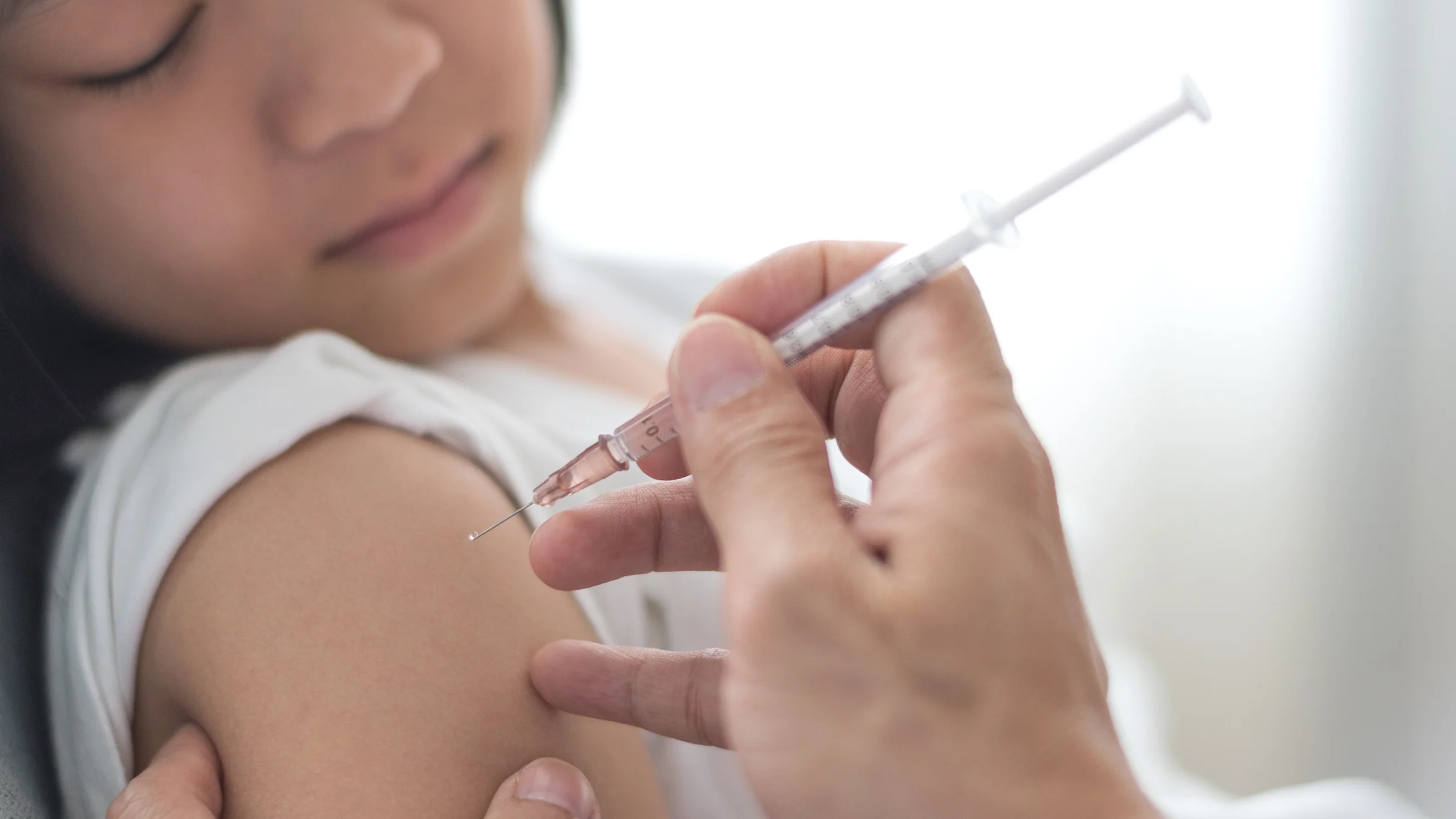
Injection site reactions are skin changes that develop after receiving injectable medications or vaccines. Injection site reactions are common in both children and adults. Both intramuscular injections and subcutaneous injections can trigger an injection site reaction.
Search and compare options
Injection site reactions can form on any part of the body where you inject medications, such as your:
Arm
Thigh
Stomach
Buttocks
Some medications are more likely to cause injection site reactions. For example, about 4 in 10 people who receive Stelara (ustekinumab) — a medication that treats autoimmune conditions and ulcerative colitis — develop injection site reactions.
Injection site reactions aren’t a sign of an allergy or skin infection. They’re caused by irritation or an immune response.
Irritant reactions
Irritant reactions develop when something in the injection irritates the skin tissue. It can be the medication itself or another ingredient in the shot, like a preservative.
Irritant reactions are more common after subcutaneous injections. Irritant reactions tend to develop quickly — usually within a couple of hours.
Immune-mediated reactions
Immune-mediated reactions develop when something in the injection causes your immune system to kick into high gear.
Immune-mediated reactions often take a few days to develop. Both subcutaneous and intramuscular reactions can cause immune-mediated reactions. Many people develop these reactions after vaccines, especially booster doses.
What are the symptoms of an injection site reaction?
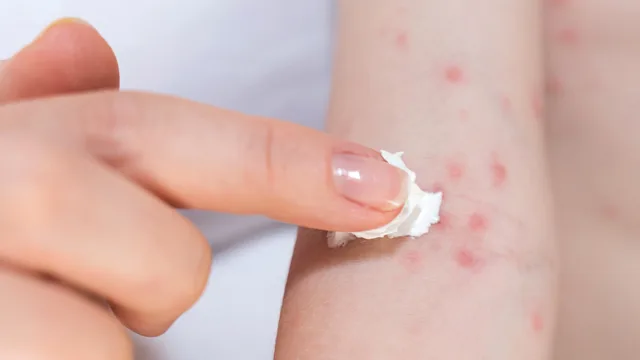
Symptoms of an injection site reaction include skin changes in or around the spot where you received the injection. Injection site reactions symptoms can be bothersome, but they usually aren’t dangerous.
The most common skin changes include:
Redness
Warmth
Swelling
Itching
Mild pain or discomfort
A lump under the skin
You may experience some or all of these symptoms.
Skin changes tend to develop within an inch of where you received the injection. But some injection site reactions can be bigger and cover a larger area of skin.
How long do injection site reactions last?
Most irritant injection site reactions only last 1 to 2 days. Immune-mediated reactions can last up to a week.
When should I worry about an injection site reaction?
Other more serious conditions can cause similar symptoms to injection site reactions. It can be hard to tell an injection site reaction apart from one of these other conditions.
Your symptoms can give you an important clue: Injection site reactions may get worse over the first 24 hours, but should get better after that. If your symptoms just keep getting worse, something else could be going on. Seek medical care if your symptoms aren’t getting better after 24 hours or if they continue to get worse.
You should also seek care right away if you have the following symptoms.
Allergic reaction
You can develop a serious allergic reaction after a medication or vaccine injection.
The most serious type of allergic reaction is anaphylaxis. Anaphylaxis can be life threatening. Call 911 and get immediate medical care if you develop symptoms of anaphylaxis, like:
Swelling of your face, lips, or tongue
Hives
Trouble breathing
Vomiting or nausea
Allergic reactions tend to develop within minutes to hours after an injection.
Skin infection
It’s possible to develop a skin infection, like cellulitis, after an injection. Skin infections after injections aren’t common if you’re taking steps, like:
Washing your hands before an injection
Disinfecting your skin before an injection
Discarding needles after each use
Skin infections need antibiotic treatment. You should contact your healthcare team right away if you develop signs of a skin infection, like:
Fever
Trouble moving your arm or leg because of pain
Blisters at the injection site
Severe pain over areas that are red
Swollen lymph nodes near the injection site
Skin infections can take several days to develop after an injection.
Systemic reaction
Medications and vaccines can trigger a large immune response. This can lead to conditions like erythema multiforme, Steven Johnson syndrome or toxic epidermal necrolysis (TEN). These conditions are very uncommon but require immediate medical attention.
Signs of a systemic reaction include:
Fever
Red, raised circular rash over many parts of the body
Skin blisters
Eye redness, stinging, or burning
Blisters in the mouth
Blisters, redness, or pain around the genitals
Systemic reactions start within hours to days after an injection.
How do you treat an injection site reaction?
Injection site reactions will get better and go away on their own. So, you don’t have to do anything if you have an injection site reaction.
But, since injection site reactions can be uncomfortable, some things that can bring relief while you wait include:
Warm compresses: Warm compresses can be soothing if your muscle is irritated from the injection. You can apply a warm compress for 10 to 20 minutes, as needed.
Ice packs: Ice packs can help bring down redness, warmth, and swelling. They may also help calm itching. Make sure to wrap the ice pack in a towel before placing it on your skin. You can use an ice pack for 10 to 20 minutes, as needed, for symptom relief.
Over-the-counter (OTC) pain relievers: Tylenol or Advil will help with pain and bring down swelling and redness.
Anti-itch medications: If you’re having a lot of itching from your injection site reaction, you can try an OTC antihistamine, like diphenhydramine (Benadryl).
Movement: Moving the part of your body where you got an injection will increase blood flow and help the reaction clear up faster. This is especially true for intramuscular injections (injections into the muscle).
Can you prevent injection site reactions?
You can’t completely prevent injection site reactions. But, if you take injections frequently, there are things you can do to lower your chance of getting them:
Lower the dose. Irritative injection site reactions are more likely to develop when you take a higher dose of a medication. Talk to your healthcare team about whether you can try a lower dose. If you can’t, you can also ask if you can split your dose.
Try a new brand. Different brands of medication use different carriers and preservatives. Many injection site reactions are due to these things, not the actual medication itself. So, switching brands might stop injection site reactions.
Get feedback on your technique. Your injection technique could be leading to injection site reactions. Ask a healthcare professional to watch you give yourself an injection. They might have tips on how to prepare your skin and avoid hitting blood vessels.
Rotate injection sites. If you’ve been giving yourself injections, you know some sites are much less painful than others. Even though it’s tempting to stick to these sites, rotating injection sites will decrease your risk of developing injection site reactions.
Get medications to room temperature. Room temperature medications are less painful to inject and are less likely to cause injection site reactions.
Avoid irritated skin and blood vessels. Avoid any sites where your skin is irritated. Whether it’s a mild rash, a cut, or an eczema flare, irritated skin is inflamed and more likely to have a reaction.
Apply a cold compress. Applying a cold compress for 5 to 10 minutes after your injection can limit swelling and redness.
If you get an injection site reaction with one vaccine, will you have a reaction with all vaccines?
All vaccines are different — and they don’t all have the same ingredients. So, you’re unlikely to get exposed to the same irritant with every vaccination. Therefore, it’s unlikely you’ll get an injection site reaction to all vaccines.
An exception is if you get another injection with the same brand of the same vaccine. So, if you’re in the middle of a vaccine series, you could get an injection site reaction after follow-up doses, if you had a reaction with the first injection.
You might also get injection site reactions with yearly vaccines (like the flu shot) or booster shots (like the tetanus shot).
If you developed an injection site reaction to an injectable medication, like a biologic, you’ll likely develop an injection site reaction with additional doses. But studies show that your body will get used to the medication. Injection site reactions tend to become smaller and less severe after you’ve been using the medication for 4 to 8 weeks.
Frequently asked questions
An allergic reaction to a vaccine or injection can range from mild to severe. But they’re quite rare.
A mild allergic reaction isn’t life-threatening and may include:
Rash or hives
Nasal congestion
Cough
Abdominal pain
Vomiting or diarrhea
Joint pain
Anaphylaxis is a life-threatening type of allergic reaction that can worsen quickly. Call 911 and get emergency medical attention, if you have trouble breathing or notice swelling in your face, lips, or tongue.
Getting a lump under your skin is a normal and expected injection site reaction. The lump may be painful or tender. As with other symptoms related to injection site reactions, get medical attention if your symptoms last longer than 1 to 2 days or get worse.
An injection site may be infected if you notice redness, warmth, or tenderness or swelling in the area, and it keeps getting worse or lasts more than 1 to 2 days.
Some vaccines can cause a mild fever. But a fever that comes with red, swollen skin and lasts more than 24 hours could point to a skin infection. Skin infections can worsen quickly and may need emergency care. When in doubt, get help.
An allergic reaction to a vaccine or injection can range from mild to severe. But they’re quite rare.
A mild allergic reaction isn’t life-threatening and may include:
Rash or hives
Nasal congestion
Cough
Abdominal pain
Vomiting or diarrhea
Joint pain
Anaphylaxis is a life-threatening type of allergic reaction that can worsen quickly. Call 911 and get emergency medical attention, if you have trouble breathing or notice swelling in your face, lips, or tongue.
Getting a lump under your skin is a normal and expected injection site reaction. The lump may be painful or tender. As with other symptoms related to injection site reactions, get medical attention if your symptoms last longer than 1 to 2 days or get worse.
An injection site may be infected if you notice redness, warmth, or tenderness or swelling in the area, and it keeps getting worse or lasts more than 1 to 2 days.
Some vaccines can cause a mild fever. But a fever that comes with red, swollen skin and lasts more than 24 hours could point to a skin infection. Skin infections can worsen quickly and may need emergency care. When in doubt, get help.
The bottom line
Local injection site reactions are common after receiving vaccines and injectable medications. Most injection site reactions are mild and only last 1 to 2 days. Cold compresses and over-the-counter (OTC) pain medications can help relieve pain, redness, and swelling. But, if your symptoms don’t go away or get worse after this time period, be sure to contact a healthcare professional.

Why trust our experts?



References
Davis, C. M. (2024). Risk of systemic reactions with large local reactions. American Academy of Allergy, Asthma & Immunology.
Immunize.org. (2023). Medical management of vaccine reactions in adults in a community setting.
National Centre for Immunisation Research and Surveillance. (2019). Injection site reactions.
Thomaidou, E., et al. (2019). Injection site reactions with the use of biological agents. Dermatologic Therapy.
Trayes, K. P., et al. (2019). Erythema multiforme: Recognition and management. American Family Physician.