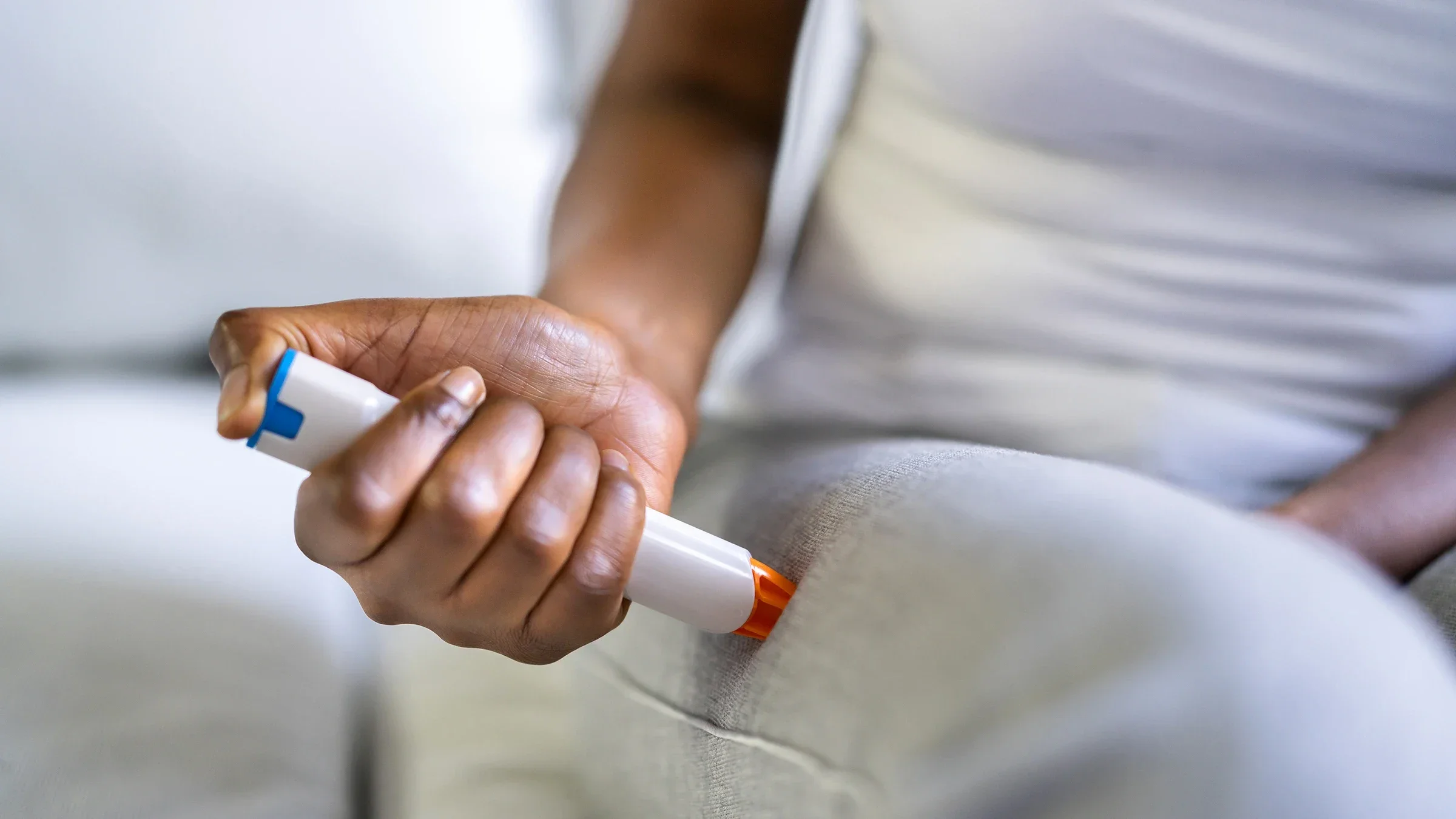
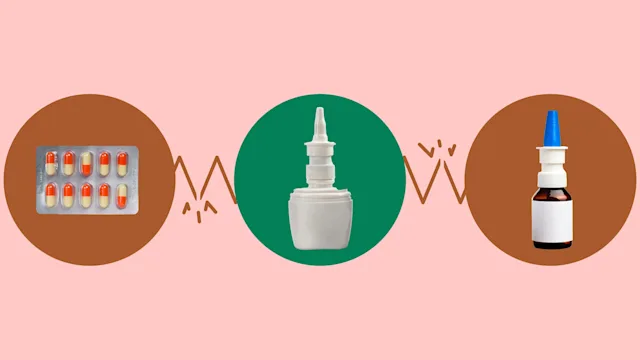
While antihistamines can play a role in treating allergic reactions, they aren’t recommended as first-choice treatment for anaphylaxis. Epinephrine should always be given first. But antihistamines may be used as supportive therapy to treat symptoms like itching.
No. The good news is that fatal outcomes are rare. Getting treatment right away (without delay) helps improve one’s chances of recovery.
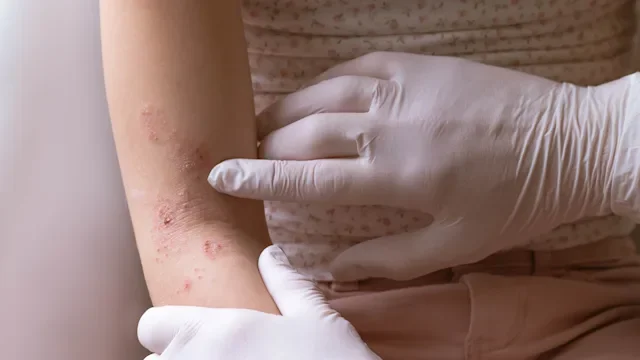
Anaphylaxis is the most severe form of an allergic reaction. Milder allergic reactions can be localized to one area (such as the skin). But anaphylaxis affects multiple systems in the body. Specifically, it affects the cardiovascular and/or respiratory systems (heart and lungs). This makes it more dangerous and potentially life-threatening.
It’s unlikely that someone will die in their sleep from anaphylaxis. The symptoms of anaphylaxis are both uncomfortable and severe. So, it would be hard to sleep through it. Reactions can happen at night, but they’ll likely wake you up.
The duration of anaphylaxis symptoms depends on the severity of the reaction — and how quickly you receive treatment. Anaphylaxis can start in a matter of minutes. And it can improve almost as quickly when someone receives treatment immediately. But even with rapid treatment and improvement, people often tend to have lingering symptoms for hours after the event.
It can also be difficult to predict whether or how quickly anaphylaxis will get worse. It’s possible for symptoms to be delayed for several hours. It’s also possible to have another reaction hours after the first one ends.