





Obesity Care and Weight Loss: What’s Covered, and What’s Not?
If you meet certain criteria, your insurance plan may cover weight-loss treatments such as bariatric surgery, medication, and nutrition counseling.
Qsymia (phentermine / topiramate extended release) is a combination medication used to help with weight loss. It's approved for people over 12 who are considered obese and for some adults who are considered overweight. This medication is a tablet that you take once a day. You should also eat a balanced diet and exercise regularly for best results. Side effects include a "pins-and-needles" feeling, dry mouth, and constipation. You can only get this medication through the Qsymia REMS (Risk Evaluation and Mitigation Strategies) program because of the risk of birth defects if taken during pregnancy.

Qsymia (phentermine / topiramate ER) is a combination of two active ingredients that work to help with weight loss.
| Common Brands | Qsymia |
|---|---|
| Drug Class | Sympathomimetic / Antiepileptic |
| Controlled Substance Classification | Schedule IV |
| Generic Status | Lower-cost generic available |
| Availability | Prescription only |

Qsymia (phentermine / topiramate ER) can cause some serious health issues. This risk may be even higher for certain groups. If this worries you, talk to your doctor or pharmacist about other options.
Qsymia (phentermine / topiramate ER) can harm an unborn baby. So, you can't take this medication if you're pregnant. Studies show that taking topiramate, an ingredient in Qsymia, early in pregnancy can raise the risk of birth defects like cleft lip.
Because of this risk, the FDA put a special program called a Risk Evaluation and Mitigation Strategy (REMS) in place for the medication. Under the Qsymia REMS program, only certified pharmacies can fill your prescription for this medication.
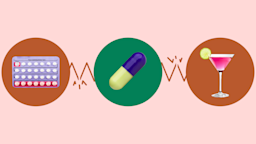
If you can become pregnant, you'll need to follow specific directions to take Qsymia (phentermine / topiramate ER). Your prescriber will ask you to take a pregnancy test before starting the medication. You'll also need to take one every month during treatment. Use reliable birth control if you're having sex while taking this medication.
Qsymia contains the anti-seizure medication, topiramate. Topiramate can raise the risk of suicidal thoughts or behavior, depression, and anxiety. In particular, the risk of suicidal thoughts can be higher as early as the first week of treatment. People with suicidal thoughts or who've tried to hurt themselves shouldn't take Qsymia (phentermine / topiramate ER).
Watch for signs of worsening depression or any unusual changes in your mood or behavior. This is especially important during the first few months of treatment or when your dose changes. Tell a healthcare professional if you or your loved ones notice anything troubling. Your prescriber might need to lower your dose of Qsymia (phentermine / topiramate ER) or stop treatment.
Call 911 right away if there are any suicidal thoughts or behaviors. Your prescriber will stop your Qsymia (phentermine / topiramate ER) treatment.
Qsymia (phentermine / topiramate ER) can make your heart beat faster. In studies, some people's heart rates went up by 5 beats per minute (bpm) or more, sometimes even up to 20 bpm. It isn't known yet how this might affect people with heart conditions in the long run. Let your prescriber know if you have any heart conditions before you start this medication. They can weigh the risks and benefits of treatment to make sure you stay safe.
Call your healthcare team if it feels like your heart is beating really hard or fast while you're resting (when you're sitting and haven't done any physical activity recently). They might want to check your heart and see if you should keep taking Qsymia (phentermine / topiramate ER).
Qsymia (phentermine / topiramate ER) can cause eye problems and vision changes. They can sometimes be serious and lead to blindness if not treated. If these eye problems happen, the symptoms usually show up during the first month after you start the medication. But they can also happen at any time during treatment. Call your prescriber right away if you have sudden changes in your vision, trouble seeing far away, or eye pain.
Qsymia (phentermine / topiramate ER) can make it hard to concentrate. It can also cause problems with memory, speech, or language. This is more likely if you start treatment at a higher dose of Qsymia (phentermine / topiramate ER) or if your dose gets raised too quickly.
Try to avoid alcohol or limit how much you drink while taking Qsymia (phentermine / topiramate ER). This is because alcohol can make these problems worse. Don't drive or do anything that needs a lot of focus until you know how this medication affects you.
Tell your prescriber if you have trouble thinking or focusing. Also let them know if you feel dizzy, drowsy, or unsteady on your feet. Your prescriber might need to lower your dose of Qsymia (phentermine / topiramate ER) or stop your treatment altogether.
Although rare, some people have had high acid levels in the blood while taking Qsymia (phentermine / topiramate ER). This condition is called metabolic acidosis. If not treated for a long time, it can lead to kidney problems or weak bones.
Your prescriber might have you get regular blood tests so they can check your blood acid levels. Tell your prescriber right away if you have fast and shallow breathing, feel nauseous, feel very tired, and have a fast heartbeat. These can be signs of metabolic acidosis.
Qsymia (phentermine / topiramate ER) can cause a rise in the creatinine levels in your blood. This can be a sign that your kidneys aren't working as well as they should. In studies, these lab changes usually showed up after a month or two of treatment.
To help keep you safe, your prescriber will check your kidney function before you start Qsymia (phentermine / topiramate ER) and during treatment. If your creatinine levels stay too high, your prescriber might lower your dose or stop treatment.
Qsymia (phentermine / topiramate ER) might cause kidney stones. The risk might be higher if you're on a ketogenic (keto) diet. You can also be at risk if you take medications called carbonic anhydrase inhibitors like acetazolamide. Be sure to drink plenty of fluids to prevent kidney stones from forming.
Some people who take topiramate, one of the ingredients in Qsymia, have had a lower ability to sweat. This can make it harder to control your body temperature. Pay attention to how much you sweat or how hot you feel while you're exercising or in hot weather. Stay hydrated and take rest breaks in the shade on hot days.
Qsymia (phentermine / topiramate ER) can cause severe allergic reactions and skin reactions. Call your prescriber if you notice a rash. And get medical help right away if you have trouble breathing, swelling of the face or lips, blisters on the skin, or fever.
Studies show that Qsymia (phentermine / topiramate ER) might slow down growth in children 12 and older who are considered obese. In one study, children who took the medication for a year grew about 1 cm less than those who didn't take it.
Make sure your child goes to all their checkups so their prescriber can keep track of their growth. If your child isn't growing as expected, the prescriber might need to lower the dose of Qsymia (phentermine / topiramate ER).

The following side effects may get better over time as your body gets used to the medication. Let your healthcare provider know immediately if you continue to experience these symptoms or if they worsen over time.
Adults:
Children:
Adults:
Children:
Contact your healthcare provider immediately if you experience any of the following.
Side effects that you should report to your care team as soon as possible:
Side effects that usually do not require medical attention (report these to your care team if they continue or are bothersome):




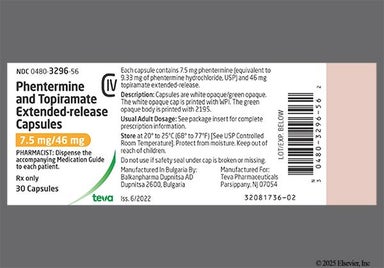
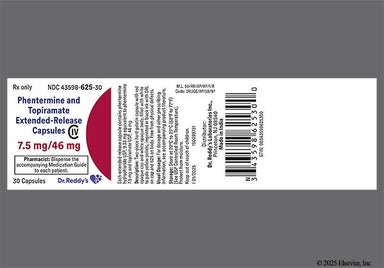
 Capsule
| Dosage | Quantity | Price as low as | Price per unit |
|---|---|---|---|
| 3.75mg/23mg | 30 capsules | $75.00 | $2.50 |
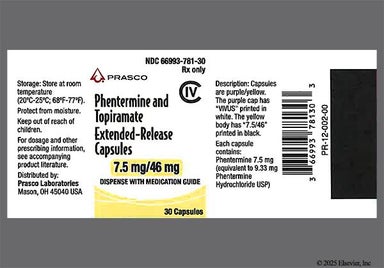
| 7.5mg/46mg | 30 capsules | $75.00 | $2.50 |
| 11.25mg/69mg | 30 capsules | $75.00 | $2.50 |
| 15mg/92mg | 30 capsules | $75.00 | $2.50 |
The typical starting dose is Qsymia 3.75 mg/23 mg (phentermine/topiramate) by mouth once a day in the morning for 2 weeks.
After that, your prescriber will raise your dose to the recommended dose of Qsymia 7.5 mg/46 mg (phentermine/topiramate) once a day.
Depending on how well the medication is working for you, your prescriber might adjust your dose. You must take Qsymia (phentermine / topiramate ER) along with eating a balanced diet and getting regular exercise.
The maximum dose is Qsymia 15 mg/92 mg (phentermine/topiramate) once a day. The maximum dose might be different if you have kidney or liver problems.


Contraindications are specific health conditions or situations in which a person should not take a medication due to safety concerns. If you have any of the following conditions or if any of the following apply to you, let your healthcare provider know because Qsymia (phentermine / topiramate ER) will not be safe for you to take.










Prescription savings
Stop paying too much for your prescriptions. Compare prices, get pharmacy coupons, and save up to 80%.Resources
About GoodRx
 Find expert answers to your health questions so you can make the best decisions for yourself and your family.
Health conditions
Medications & treatment
Access & affordability
Well-being
Medication discounts

In studies, adults who took the recommended dose of Qsymia lost about an average of 18 lbs after a year of treatment. People who only managed their weight through diet and exercise (the placebo group) lost an average of 3 lbs. Keep in mind that each person can have a difference experience with treatment. So, your results might not be the same as those from the study. Keep track of your weight loss journey. And ask your prescriber if you have more questions about how well this medication will work for you.
Some side effects of Qsymia get better as your body gets used to the medication and usually go away on their own. These can include numbness, tingling, dizziness, and a faster heart rate. But other side effects, like dry mouth or changes in taste, might bother you for a longer period of time. Be sure to let your medical team know if side effects worsen or don’t go away. They can help suggest ways to manage them.
Small amounts of Qsymia can stay in your body for up to 2 weeks after your last dose. This is because the topiramate component of Qsymia has a very long half-life. In other words, it takes a long time for the amount of topiramate from a single dose of Qsymia to drop by half in the blood. Ask your prescriber if you have questions about how long the medication stays in your system.
You should start to see noticeable weight loss over about 8 to 12 weeks of taking Qsymia at the recommended dose. Keep in mind that everyone can respond differently to the medication. So, your results might not be exactly the same as someone else's. Talk to your prescriber if you don't notice any weight loss while taking the medication as instructed.
There's no set time for how long you can take Qsymia. Studies show that it can be safe and work well for weight loss for up to 2 years. You might need to stop the medication early if you have serious side effects from it. Your prescriber might also recommend stopping if it doesn't seem to be helping you lose enough weight after 3 months of taking the highest dose. You might gain back some weight after stopping the medication. Check with your prescriber about how long you should take Qsymia.
Yes. Qsymia is a controlled substance. This is because it contains phentermine, which can be misused and cause physical dependence. To keep people safe, the government has placed special rules on how the medication is prescribed and dispensed. Talk to your prescriber about the risks and benefits of taking Qsymia.
Phentermine, one of the ingredients in Qsymia, works in your brain to lower your appetite. The other ingredient, topiramate, also helps make you feel more full. Taking Qsymia along with eating a balanced diet and exercising can help you lose weight.
Qsymia and Contrave are two different weight loss pills. They're both combination medications, which means that they have two ingredients that work together in one pill. Qsymia contains phentermine and topiramate. It's approved for adults and certain children 12 years and older. And you take 1 pill of Qsymia once a day. But Contrave contains naltrexone and bupropion. It's only approved for adults. And you have to take 2 tablets of Contrave twice a day after a ramp-up month. Ask your prescriber to learn more about the differences and to see which is right for you.
