Key takeaways:
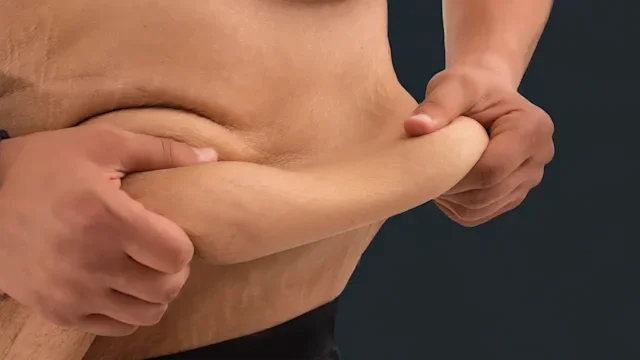
Excess calories from alcohol can lead to weight gain. People often gain fat around their midsection, sometimes called an alcohol or “beer belly.”
Cutting back on alcohol can make it easier to lose weight.
People also find that they have fewer cravings for nonnutritious foods when they cut back on alcohol.
About 1 in 3 men and 1 in 5 women drink alcohol daily. But alcohol has calories and can lead to unwanted weight gain.
The relationship between alcohol and weight is complex. Keep reading to learn more about how alcohol can affect your weight.
How does alcohol cause weight gain?
Alcohol has many different effects on your health. Here’s how drinking alcohol regularly can contribute to weight gain.
Alcohol adds extra calories
All alcohol contains calories. These are “extra” calories because people don’t drink alcohol to satisfy hunger or meet nutritional needs. In other words, alcohol provides “empty” calories. Plus, many alcoholic drinks contain additional calories from mixers, sugar, and other additives.
When your body gets more energy than it needs (either from eating too much or drinking too much), it stores that extra energy as fat.
Alcohol slows down metabolism
Your metabolism is how your body turns food into energy for everyday functions, like thinking, breathing, and moving.
When you drink alcohol, your body’s metabolism focuses on processing and removing it. This is because alcohol is toxic to your body.
Unfortunately, while your body is busy metabolizing alcohol, it can’t handle food as efficiently. This causes your metabolism to slow down.
Alcohol intake can lead to unhealthy food choices
Even when you feel your best, it can be hard to make healthy food choices. Alcohol affects your brain and decision-making. You may be more tempted to eat foods that are less nutritious and be more likely to give in to those temptations.
Alcohol interrupts sleep
Alcohol might also lead to unintentional weight gain by interrupting sleep. Some people fall asleep easier after 1 or 2 drinks. But over time, regular alcohol intake can make it harder to fall and stay asleep. Drinking too much in one day can also disrupt sleep because of side effects like nausea and vomiting. Poor-quality sleep has been linked to having a body mass index (BMI) higher than 30. It’s not clear whether occasional drinks will significantly impact sleep quality. But consistent, long-term alcohol intake can impair your sleep and contribute to unintentional weight gain.
Alcohol affects cortisol levels
Over time, regular alcohol consumption can increase your body’s cortisol levels. Cortisol is a stress hormone that plays an important role in your health. Normally, cortisol levels rise only for short periods of time. When cortisol levels remain high for long periods of time, it can affect your physical and emotional health. High cortisol levels can also affect your metabolism and lead to unintended weight gain. It’s not clear if an occasional alcoholic drink will drastically affect your cortisol levels. But science is still studying how even small amounts of alcohol affect your health. That’s why experts point out that no amount of alcohol is safe for your health.
Does beer, wine, or liquor cause more weight gain?
Different types of alcohol have different numbers of calories, but all can cause weight gain.
Here are some rough estimates for the calorie content of beer, wine, and liquor:
Beer: 150 calories per 12 oz
Wine: 120 calories per 5 oz
Liquor: 100 calories per 1.5 oz
Per recommended serving, liquor has the fewest calories. But this doesn’t include any calories from mixers. Drinks poured at home or served in bars and restaurants are often larger than a “standard serving,” which can add even more calories.
Does alcohol lead to more belly fat?
Drinking too much alcohol can raise the risk of weight gain throughout your body, especially in your belly. Scientists don’t fully understand how alcohol causes a “beer belly,” also called central obesity. But they do know that abdominal weight gain is linked to a higher risk of heart disease and diabetes.
Can quitting drinking help with weight loss?
If you’re struggling to lose excess weight, quitting drinking can help improve your weight loss efforts. This is especially true if you drink regularly or have more than 1 to 2 drinks at a time.
How much weight can you lose by quitting alcohol?
How much weight you’re able to lose by giving up alcohol depends on several factors, including:
How much excess weight you have
How much alcohol you typically drink
Whether you have other medical problems
Your eating habits
Your other lifestyle behaviors
For example, imagine a person who drinks 3 beers per night. An average beer has about 150 calories. By giving up 3 beers a night, they would consume 450 fewer calories per day. In 1 week, that adds up to 3,150 fewer calories.
If that person replaces drinking time with more active pursuits, they would burn even more calories throughout the week.
On the other hand, if they replace their nightly beers with a high-calorie dessert, they might not see the same improvements in weight.
How long after quitting drinking can I expect to start losing weight?
This depends on how much excess weight you have and how much alcohol you’ve been drinking. It also depends on other lifestyle changes, like improving your diet or increasing physical activity.
People who stop drinking daily alcohol can often start to see changes in body composition and weight within days or weeks of quitting.
Tips to prevent weight gain from alcohol
If you do want an alcoholic drink every now and then, you can make smarter and more nutritious choices about what you drink. Here are some suggestions for lower-calorie alcoholic drinks:
Wine spritzer: Add carbonated water, like seltzer or club soda, to a partially filled glass of wine.
Light beer: Light beers often have fewer calories and less alcohol than regular beers.
Mixed drink: Choose mixers that are lower in calories, like club soda. You can also try low-calorie mixed drinks, like a “skinny” margarita, which has less sugar than a regular margarita. Avoid using straight juice as a mixer because juices usually contain a lot of sugar. You can also add carbonated water to any mixed drink to dilute it further.
Frequently asked questions
Bloating from alcohol usually goes away within several days. Alcohol can cause bloating for a few reasons. Drinking several drinks, especially pints of beer, means you’re taking in a lot of liquid and calories, which will leave you feeling bloated and may even cause a small amount of weight gain. Alcohol can also cause you to retain water, which leads to feeling bloated.
Alcohol itself is low in sugar, and its calories come mainly from the alcohol itself. But alcoholic drinks can contain a lot of sugar from mixers. Mixed drinks, like an Aperol spritz, espresso martini, or piña colada, can have 15 g to 20 g of sugar (4 tsp to 5 tsp). Ready-to-drink alcoholic beverages also have high amounts of sugar. Beer and wine may be low in sugar content, but some varieties have added sugar, making them high in calories.
Zero-proof alcohol means a drink has no alcohol or up to 0.5% alcohol. Since alcohol contains a fair number of calories, choosing zero-proof drinks can help reduce caloric intake. But these drinks aren’t calorie-free. For example, zero-proof beers often contain added sugars to help improve taste, which adds calories.
Significantly reducing or stopping alcohol can have many health benefits, including:
Easier weight loss
Lowered risk of heart disease
Lowered risk of cancer
Lowered risk of liver disease
Stronger immune system
Improved sleep quality
Improved mental health
Improved energy, focus, and concentration
Improved relationships
Improvements in sexual function
Bloating from alcohol usually goes away within several days. Alcohol can cause bloating for a few reasons. Drinking several drinks, especially pints of beer, means you’re taking in a lot of liquid and calories, which will leave you feeling bloated and may even cause a small amount of weight gain. Alcohol can also cause you to retain water, which leads to feeling bloated.
Alcohol itself is low in sugar, and its calories come mainly from the alcohol itself. But alcoholic drinks can contain a lot of sugar from mixers. Mixed drinks, like an Aperol spritz, espresso martini, or piña colada, can have 15 g to 20 g of sugar (4 tsp to 5 tsp). Ready-to-drink alcoholic beverages also have high amounts of sugar. Beer and wine may be low in sugar content, but some varieties have added sugar, making them high in calories.
Zero-proof alcohol means a drink has no alcohol or up to 0.5% alcohol. Since alcohol contains a fair number of calories, choosing zero-proof drinks can help reduce caloric intake. But these drinks aren’t calorie-free. For example, zero-proof beers often contain added sugars to help improve taste, which adds calories.
Significantly reducing or stopping alcohol can have many health benefits, including:
Easier weight loss
Lowered risk of heart disease
Lowered risk of cancer
Lowered risk of liver disease
Stronger immune system
Improved sleep quality
Improved mental health
Improved energy, focus, and concentration
Improved relationships
Improvements in sexual function
The bottom line
Drinking alcohol (especially more than 1 to 2 drinks per day) adds extra calories to your diet, increases food cravings, and slows down metabolism. Quitting or cutting back on alcohol can help with weight loss. It can also improve your energy levels and sleep quality, all of which are closely tied to weight.

Why trust our experts?



If you or someone you know struggles with substance use, help is available. Call the National Helpline from the Substance Abuse and Mental Health Services Administration (SAMHSA) at 1-800-662-HELP (4357) to learn about resources in your area.
References
Action on Sugar. (n.d.). ‘Ready to drink’ alcoholic beverages.
Bendsen, N. T., et al. (2013). Is beer consumption related to measures of abdominal and general obesity? A systematic review and meta-analysis. Nutrition Reviews.
Breslow, R. A., et al. (2013). Diets of drinkers on drinking and nondrinking days: NHANES 2003-2008. The American Journal of Clinical Nutrition.
Dental Nursing. (2021). Sugar content of most popular cocktails revealed.
Figorilli, M., et al. (2025). Obesity and sleep disorders: A bidirectional relationship. Nutrition, Metabolism and Cardiovascular Diseases.
Kerr, W. C., et al. (2008). Alcohol content variation of bar and restaurant drinks in Northern California. Alcoholism, Clinical and Experimental Research.
Lee, D. Y., et al. (2015). Technical and clinical aspects of cortisol as a biochemical marker of chronic stress. DMP Reports.
Mancella, D. (2020). How too much stress can cause weight gain (and what to do about it). Orlando Health.
Nielsen, S. J., et al. (2012). Calories consumed from alcoholic beverages by U.S. adults, 2007–2010. National Center for Health Statistics.
O’Donovan, G., et al. (2018). Associations between alcohol and obesity in more than 100 000 adults in England and Scotland. British Journal of Nutrition.
Sharp, A. (2025). Alcohol and insomnia: How alcohol affects sleep. American Addiction Centers.
Snijder, M. B., et al. (2005). What aspects of body fat are particularly hazardous and how do we measure them? International Journal of Epidemiology.
Spencer, R. L., et al. (1999). Alcohol, aging, and the stress response. Alcohol Research & Health.
Traversy, G., et al. (2015). Alcohol consumption and obesity: An update. Current Obesity Reports.
Wilson, D. F., et al. (2020). Ethanol metabolism: The good, the bad, and the ugly. Medical Hypotheses.
World Health Organization. (2023). No level of alcohol consumption is safe for our health.