Key takeaways:
Zepbound (tirzepatide) is an injectable weight-loss medication. It works by simulating two gut hormones in your body that play a role in appetite and digestion.
In clinical trials, Zepbound helped people who are considered overweight or obese lose 15% to 21% of their starting body weight, depending on the dose. People started seeing weight loss as early as 4 weeks after starting Zepbound.
Stopping Zepbound can cause people to regain weight. It’s intended for long-term use. If you’re interested in stopping the medication, it’s a good idea to discuss it with your prescriber first.
Access Zepbound KwikPen through GoodRx starting at $299 per month. Subscribers to GoodRx for Weight Loss can also access FDA-approved, brand-name GLP-1 medications.
Save on related medications
Zepbound (tirzepatide) is a once-weekly injectable medication that the FDA approved in 2023. It’s popular because it can help people who are considered overweight or obese achieve significant weight loss. And losing weight is a health goal for many people.
If you’re just starting Zepbound, your prescriber likely reviewed the basics of the medication with you. You may have other questions. How does Zepbound work for weight loss? And how long will it take to see results? Here, we’ll answer those and other frequently asked questions about Zepbound.
Good to know: Zepbound’s manufacturer has a barcode scanning tool online to help you verify that the medication you’re taking is legitimate. Using your phone’s or computer’s camera, scan the barcode on your product. The tool will tell you if it’s authentic Zepbound.
1. How does Zepbound work for weight loss?
Zepbound is unique from other weight-loss injections, such as Wegovy (semaglutide). It’s the first weight-loss medication to target both glucose-dependent insulinotropic polypeptide (GIP) and glucagon-like peptide-1 (GLP-1) receptors. So it’s known as a dual GIP/GLP-1 receptor agonist.
GIP and GLP-1 are incretin hormones that your body naturally produces. Among other actions, incretins tell your pancreas to release more insulin after eating. In addition, GLP-1 helps balance the production of new glucose (sugar). It also affects the passage of food through the gut and regulates feelings of hunger.
Incretins send these messages by attaching to their own special binding sites — the GIP and GLP-1 receptors. Zepbound works by imitating your body’s natural GIP and GLP-1 hormones. But the medication’s effects last longer than your body’s natural incretins.
As a result, Zepbound has the following effects:
Your stomach empties more slowly, causing you to feel fuller for longer.
Your appetite decreases, and you eat less food.
The amount of food cravings you have decreases.
Your pancreas releases more insulin, lowering your blood sugar.
Your liver does not create as much new sugar.
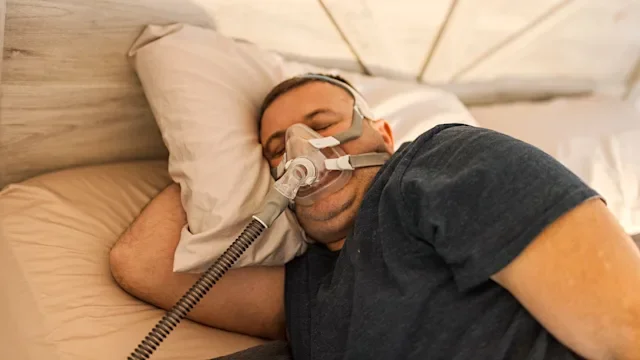
Together, these effects lead to weight loss and lower blood sugar levels. That’s why tirzepatide is approved as two separate medications: Zepbound for weight loss and Mounjaro for Type 2 diabetes. Zepbound is also approved for moderate-to-severe obstructive sleep apnea.
2. How long does it take Zepbound to work?
During clinical trials, people taking Zepbound started noticing weight loss about 4 weeks after starting it. This is how long it takes the medication to reach consistent levels in your body. Zepbound’s clinical trial ran for 72 weeks (about 16.5 months). And people continued to lose weight throughout the study. But the greatest results were seen during the first 8 to 9 months of using Zepbound.
3. How long does Zepbound stay in your system?
It takes about 5 days for your body to clear half of Zepbound. This is called its half-life, and it represents when a medication may start wearing off. A half-life also helps experts determine the best dosage for a medication. Zepbound’s half-life of 5 days is why you need to inject it only once a week.
On the flip side, the greater a half-life is, the longer it takes your body to fully clear a medication. In the case of Zepbound, there may be small amounts of it in your system for about 25 days after a dose. This information can be important when it comes to drug interactions or if you’re planning on trying to become pregnant. So make sure to include your last Zepbound injection on your medication list when providing it to your healthcare team.
4. How much weight do people lose with Zepbound?
Zepbound is one of the most effective weight-loss medications available. During clinical trials, people lost an average of 15% to 21% of their starting body weight after 72 weeks. In general, people using the highest Zepbound dose (15 mg) lost more weight than those using lower doses (5 mg and 10 mg).
The table below shows clinical trial participants’ average weight loss with different doses of Zepbound after 72 weeks.
Zepbound dose | Average weight loss (percentage of starting body weight lost) |
|---|---|
5 mg | 15% |
10 mg | 19.5% |
15 mg | 20.9% |
What’s more, longer use of Zepbound can lead to even more weight loss. People in an 88-week (20-month) clinical trial saw continued weight loss with longer use. Participants lost an average of 21% after the first 36 weeks (8 months) and an additional 6% if they continued using Zepbound for another year. This worked out to an average of 27% weight loss after using Zepbound for 20 months.
5. What are the BMI requirements for Zepbound?
Zepbound doesn’t have any body mass index (BMI) requirements included in its manufacturer labeling. You may be eligible for Zepbound if you:
Are considered obese
Are considered overweight and have at least one weight-related health condition, such as high cholesterol or high blood pressure
Have moderate-to-severe obstructive sleep apnea and are considered obese
Some prescribers may use BMI as a way of telling if a person is overweight. And some insurance plans may use this measurement as a way of determining coverage. People with a BMI of 25 to 29.9 are considered overweight. And those with a BMI of 30 or higher are considered obese.
But BMI doesn’t give a complete picture of your body composition and overall health. Your prescriber should also consider the following when deciding if Zepbound is right for you:
Diet
Fitness level
Daily lifestyle
Medical history
Genetics
6. How long do you have to take Zepbound?
How long you take Zepbound depends on your health goals. You and your prescriber should work together to determine a length of time that makes sense for you. But Zepbound is intended for long-term use.
Research suggests that people maintain weight loss with continued use of Zepbound. At the end of the clinical trials mentioned above, close to 90% of participants maintained at least 80% of the weight they lost with Zepbound during the first 8 to 9 months (when the greatest weight loss happens).
This study also found that stopping Zepbound can cause you to regain the weight you lost. Participants who switched from Zepbound to placebo (an injection with no medication in it) regained 14% of their body weight. So if you’re going to stop Zepbound, it’s a good idea to develop a plan to help maintain weight loss with your prescriber.
7. Is Zepbound safe?
Yes, for most people, Zepbound is safe when used as directed. But that doesn’t mean it’s free from side effects or risks.
Common Zepbound side effects include:
Nausea
Vomiting
Diarrhea
Heartburn
Constipation
Burping
Gas
Stomach pain
Smaller appetite
Many of the mild side effects are most noticeable shortly after starting Zepbound or raising your dosage. They typically improve or go away after your body adjusts to the medication.
Serious side effects are rare with Zepbound. But people using the medication have reported:
Pancreatitis (swelling of the pancreas)
Gallbladder problems, including gallstones
Kidney damage (usually due to excessive vomiting or diarrhea)
Animal studies have shown that Zepbound may raise the risk of developing thyroid C-cell tumors. This risk hasn’t been confirmed in human studies. But to be safe, you shouldn’t use Zepbound if you have personal or family history of medullary thyroid cancer or if you have multiple endocrine neoplasia syndrome type 2 (MEN 2).
Zepbound hasn’t been studied for safety or effectiveness during pregnancy. So if you’re pregnant, it’s not recommended to use Zepbound.
8. How long does Zepbound fatigue last?
Mild Zepbound side effects, such as fatigue, typically get better as your body adjusts to your dose of the medication. It takes about 4 weeks for Zepbound to reach steady levels in your body. So you may notice more side effects during this time.
It’s unclear whether Zepbound or other GLP-1 medications directly cause fatigue. Some possible reasons you may feel tired include:
Fewer calories: Zepbound reduces your appetite. So you’re likely eating less than you did before starting the medication. But consuming too few calories can lead to fatigue.
Disrupted sleep: Some of Zepbound’s digestive side effects, such as heartburn, can interfere with sleeping. This can leave you feeling tired the next day.
Dehydration: Zepbound commonly causes diarrhea and vomiting. These are typically mild and resolve with time. But if these side effects are persistent or severe, they can dehydrate you. Fatigue is one symptom of dehydration.
Electrolyte imbalances: Rarely, Zepbound’s digestive side effects can cause severe dehydration. And this can lead to electrolyte imbalances in your body. Fatigue can be a symptom of electrolyte problems.
If you’re experiencing severe or persistent fatigue while using Zepbound, tell your prescriber. They may want to make sure you’re not experiencing dehydration or electrolyte issues. If needed, they can lower your dose or provide tips to help you manage fatigue.
9. Why am I not losing weight on Zepbound?
Everyone’s experience with Zepbound is different. Some people respond well, while others don’t notice as much change. Here are some things to keep in mind if you’re not seeing the results you expected:
It may be too soon to see results. It can take several months to see significant weight loss with Zepbound. And the dose you start with (2.5 mg) isn’t meant to help you lose weight. It’s meant to help your body gradually adjust to the medication. Be sure to give Zepbound enough time to work.
Your dose may not be high enough. There’s a lot of flexibility with Zepbound doses. If you’re using a lower dose, such as 5 mg, it may not be the right dose for you. If you’ve been taking your current dose for at least 4 weeks, ask your prescriber whether raising it would be appropriate.
Other health conditions may be interfering. Certain health conditions, such as diabetes, make losing weight harder. For example, people with Type 2 diabetes typically lose less while using Zepbound than those without the condition.
Other medications could be to blame. There are many medications that cause weight gain as a side effect. If you’re taking one of these medications, you may notice less weight loss with Zepbound than someone who isn’t taking them.
You’ve hit a plateau. It’s common for people to stop losing weight after using Zepbound for a while. Weight-loss plateaus can be frustrating. But sometimes adjustments to your diet or exercise routine can help combat this.
Your nutrition plan isn’t meeting your needs. Everyone’s dietary needs are different. So what works for your neighbor may not be the right fit for you. Consider meeting with a dietitian to develop a nutrition plan that can help you get the most out of Zepbound.
10. Who makes Zepbound?
Eli Lilly makes Zepbound. This is the same company that manufactures the diabetes medication Mounjaro. Eli Lilly makes a number of other well-known medications too, including Trulicity (dulaglutide), Humalog (insulin lispro), and Jardiance (empagliflozin).
How to save on Zepbound
There are ways to save on Zepbound, including GoodRx coupons, manufacturer copay savings cards, and direct pharmacy programs.
Save with GoodRx. Access Zepbound KwikPen through GoodRx starting at $299 per month. Subscribers to GoodRx for Weight Loss can also access FDA-approved, brand-name GLP-1 medications.
Save with a copay savings card. If you have commercial insurance that covers Zepbound, you could pay as little as $25 for a 1- or 3-month supply of Zepbound pens. If your plan doesn’t cover Zepbound, you may still be able to save with the copay card. But prices vary by formulation.
Save with a direct pharmacy program. Lower-cost single-dose Zepbound vials and KwikPens are available through LillyDirect for $299 (2.5 mg), $399 (5 mg), and $449 (7.5 mg, 10 mg, 12.5 mg, and 15 mg) per month.
The bottom line
Zepbound (tirzepatide) is an injectable weight-loss medication. It works for weight loss by simulating two gut hormones in the body. These hormones play a role in balancing appetite and blood glucose (sugar) levels. You may start to notice initial weight loss about 4 weeks after starting Zepbound.
In studies, people taking Zepbound lost an average of 15% to 21% of their body weight, depending on the dose. And long-term use of the medication can help you maintain this weight loss. But stopping Zepbound can lead to significant weight regain.

Why trust our experts?




References
Aronne, L. J., et al. (2024). Continued treatment with tirzepatide for maintenance of weight reduction in adults with obesity. JAMA.
Eli Lilly and Company. (n.d.). Identifying your Zepbound (tirzepatide) and Mounjaro (tirzepatide) medication.
Eli Lilly and Company. (2023). Tirzepatide demonstrated significant and superior weight loss compared to placebo in two pivotal studies.
Eli Lilly and Company. (2026). Our medicines.
Eli Lilly and Company. (2026). Zepbound (tirzepatide).
Eli Lilly and Company. (2026). Zepbound- tirzepatide injection, solution [package insert].
Garvey, W. T., et al. (2023). Tirzepatide once weekly for the treatment of obesity in people with Type 2 diabetes (SURMOUNT-2): A double-blind, randomised, multicentre, placebo-controlled, phase 3 trial. The Lancet.
Horn, D. B., et al. (2025). Time to weight plateau with tirzepatide treatment in the SURMOUNT‐1 and SURMOUNT‐4 clinical trials. Clinical Obesity.
Jastreboff, A. M., et al. (2022). Tirzepatide once weekly for the treatment of obesity. The New England Journal of Medicine.
National Center for Biotechnology Information. (2026). PubChem compound summary for tirzepatide. National Library of Medicine.