Key takeaways:
Zepbound (tirzepatide) is an injection that’s FDA approved for weight loss and obstructive sleep apnea. It can interact with several medications.
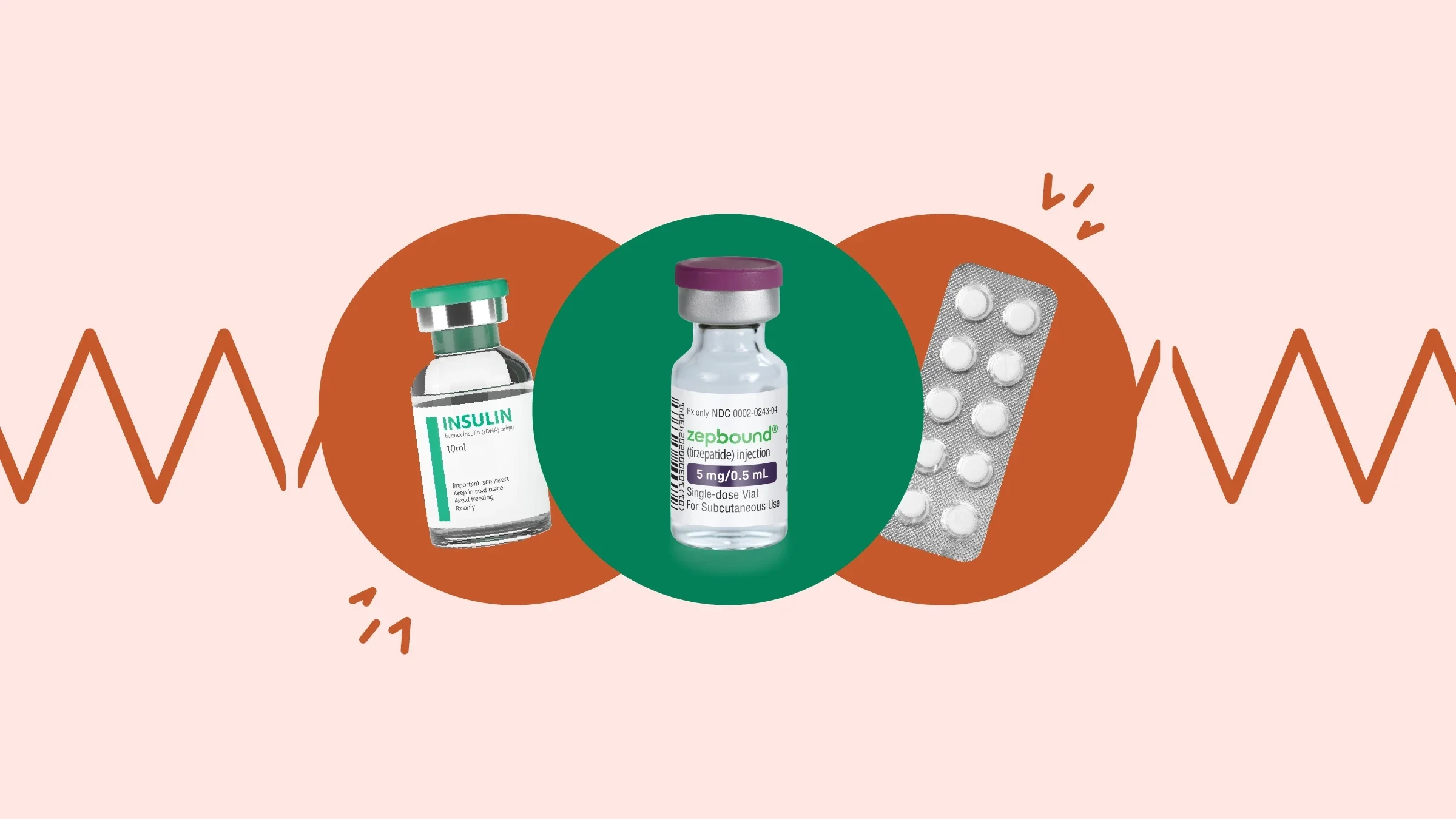
Zepbound can interact with insulin, sulfonylureas, and glinides. These diabetes medications can raise the risk of low blood glucose (sugar) when combined with Zepbound.
Zepbound can interfere with how your body absorbs other medications taken by mouth. This can cause certain oral medications, such as birth control pills, to be less effective.
Save on related medications
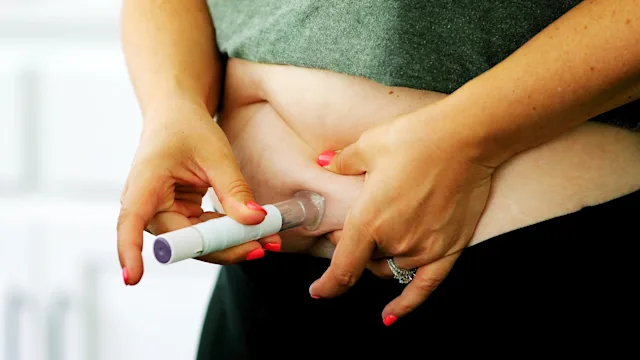
Zepbound (tirzepatide) is an injectable medication that can help people lose weight or manage obstructive sleep apnea. If you’ve just been prescribed this medication, your healthcare team likely talked to you about dosages and possible side effects. Knowing this information can help you stay safe and get the most from your medication.
One essential talking point that’s often overlooked is potential interactions. Is Zepbound safe to use with your other medications? What about supplement or food interactions? Knowing about Zepbound interactions is key to making sure your medications work how they’re supposed to.
Zepbound interactions
Zepbound interacts with the following medications and supplements:
Insulin
Sulfonylureas, such as glipizide (Glucotrol XL)
Meglitinides (“glinides”), such as repaglinide
Birth control pills
Other oral medications
Supplements that can affect blood glucose (sugar), such as ginseng and chromium
Below is more detailed information about six Zepbound interactions. But you should share an updated medication list with your prescriber and pharmacist so they can check for potential Zepbound interactions.
1. Insulin
Zepbound can interact with insulin, a common medication for people living with diabetes. And while Zepbound isn’t a diabetes medication, people who have diabetes may use it.
Both Zepbound and insulin can cause hypoglycemia, or low blood sugar. The risk for this side effect is very low when Zepbound is used by itself. But if you also use insulin, your risk goes up.
Low blood sugar can be dangerous, especially if left untreated. Watch for symptoms such as shaking, sweating, and dizziness. Make sure you treat low blood sugar quickly. And tell your healthcare team if this happens to you.
Your prescriber will likely adjust your insulin dosage when you first start Zepbound. This helps reduce the risk of low blood sugar. If your Zepbound prescriber is different from your insulin prescriber, make sure each healthcare professional knows that you’re using both medications. That way, they can plan accordingly to manage this Zepbound interaction.
2. Sulfonylureas like glipizide
Zepbound can also interact with sulfonylureas, a group of oral diabetes medications. Common sulfonylureas include glipizide, glyburide (DiaBeta), and glimepiride. Using Zepbound with a sulfonylurea raises your risk of experiencing low blood sugar.
Sulfonylureas and Zepbound both tell your pancreas to release natural insulin. But Zepbound mostly limits this action to after you eat. In contrast, sulfonylureas cause insulin release whether you’ve eaten or not. Combining these medications can lead to too much insulin release. And this can lower your blood sugar more than expected.
Your prescriber may lower your sulfonylurea dosage when you start Zepbound to reduce the risk of this side effect. Just make sure your whole healthcare team knows you take both medications. This is especially true if your Zepbound prescriber and sulfonylurea prescriber are different people.
If you’re going to be taking both Zepbound and a sulfonylurea, ask your prescriber if you should check your blood sugar more often. If you do experience low blood sugar, be sure to treat it quickly and let your healthcare team know.
3. Glinides like repaglinide
Another key Zepbound interaction is with glinides. This group of oral diabetes medications works similarly to sulfonylureas. But they don’t last as long in the body. Examples of glinides include repaglinide and nateglinide.
Similar to the interactions above, combining Zepbound with a glinide raises your risk of low blood sugar. Your prescriber will likely lower your glinide dosage when you first start Zepbound. If you have different prescribers for each medication, make sure they’re both kept up to date.
4. Birth control pills
Zepbound can potentially make birth control pills less effective. One of the ways Zepbound works is by slowing the passage of food out of your stomach. But this may also prevent your body from fully absorbing birth control pills. This could lead to an unintended pregnancy or the worsening of a condition that birth control is treating.
It’s recommended to switch to a nonoral birth control method for the first 4 weeks of using Zepbound — and the 4 weeks after a dosage increase. You may also consider using a barrier method of birth control, such as condoms, during this time. Your prescriber can help you decide which contraceptive options are best for you.
Discuss your family planning goals with your Zepbound prescriber. It’s not recommended to use the medication during pregnancy because animal studies suggest it could harm a fetus. Your prescriber can tell you how long you need to wait between using Zepbound and trying to conceive. If you become pregnant while using Zepbound, tell your healthcare team right away.
5. Other oral medications
Zepbound may also interact with other oral medications by interfering with how your body absorbs them. This is more likely shortly after starting Zepbound or following a dosage increase.
This type of Zepbound interaction could be problematic if you take a medication with a narrow therapeutic index (NTI). This is a medication where small dosage changes have large effects on its safety and how well it works. Examples of NTI medications include warfarin (Coumadin, Jantoven), digoxin (Lanoxin), and levothyroxine (Synthroid). It’s possible that you may absorb more or less of these medications with Zepbound.
If you take an NTI medication, your prescriber may want to monitor your blood levels more closely. Tell them if you notice any new or worsening side effects, or if the symptoms you're treating return. If needed, they may suggest dosage changes to help manage this potential Zepbound interaction.
6. Supplements that affect blood sugar
Zepbound may also interact with dietary supplements that can raise or lower blood sugar. This can change Zepbound’s effect on blood sugar, especially if you also have diabetes. But more research is needed to understand the potential impact.
Supplements that can interact with Zepbound include:
Ginseng
Chromium
Niacin (vitamin B3)
Oral aloe vera
Ginger
Vitamin E
Green tea extract
Talk to your prescriber and pharmacist before taking one of these supplements while using Zepbound. They can let you know if the combination is safe. And keep in mind that consuming these substances in your diet, such as by drinking green tea, usually isn’t a problem. This Zepbound interaction typically only applies if you take them in supplement form.
What foods interact with Zepbound?
There are no foods that directly interact with Zepbound. That means there aren’t foods that change how the medication works in your body. But certain foods and beverages may contribute to weight gain, making it harder for Zepbound to do its job. Other dietary items can worsen Zepbound side effects.
Consider limiting these foods and beverages while using Zepbound:
High-calorie drinks, such as fruit drinks, sodas, and milkshakes
Refined carbohydrates, such as white bread and white rice
Fried, spicy, or fatty foods
Ultra-processed foods, such as potato chips, pretzels, and candy
You may not need to completely avoid these foods and drinks while using Zepbound. But it’s a good idea to limit how much or how often you consume them. Work with your prescriber or a dietitian to develop a diet that works for you.
Can you drink alcohol while using Zepbound?
It’s best to avoid alcohol while using Zepbound if you can. Alcohol can worsen Zepbound’s common side effects, including nausea and diarrhea. Drinking may also raise your risk for serious side effects, such as kidney damage or pancreatitis (inflammation of the pancreas).
Alcohol can also make it harder to lose weight. So Zepbound may not work as well if you drink regularly or heavily. And even small amounts of alcohol can worsen obstructive sleep apnea symptoms.
Talk to your prescriber before drinking alcohol while using Zepbound. Some people may have greater risks with this combination than others. Your healthcare team can let you know if an occasional drink would be OK for you. And if needed, they can help you safely cut back on how much alcohol you’re drinking.
If you or someone you know struggles with substance use, help is available. Call SAMHSA’s National Helpline at 1-800-662-4357 to learn about resources in your area.
Does Zepbound interact with any diseases or health conditions?
In general, health conditions don’t change how Zepbound works in your body. But it may be risky to use the medication if you have certain conditions. In some cases, you may be more likely to experience side effects or complications. In others, there’s a lack of evidence to say if Zepbound is safe for people with certain conditions.
Zepbound has a boxed warning (the FDA’s strictest medication warning) for thyroid C-cell tumors reported in animal studies. Clinical trials did not confirm this as a risk for humans. But to be safe, you shouldn’t use Zepbound if you have:
A personal or family history of medullary thyroid cancer
An inherited condition called multiple endocrine neoplasia syndrome type 2
It’s also not recommended to use Zepbound if you:
Have a history of pancreatitis (swelling of the pancreas)
Have severe gastrointestinal conditions, such as gastroparesis (slowed stomach emptying)
Are allergic to any of Zepbound’s active or inactive ingredients
Are pregnant or planning to become pregnant
Are nursing
Discuss your health history with your prescriber before starting Zepbound. They can help determine if you can safely use the medication.
Frequently asked questions
Yes, you can take a probiotic with Zepbound. These supplements aren’t known to interact with the medication. Probiotics may also help support weight-loss goals. But it’s always a good idea to ask a healthcare professional before starting a probiotic. They can help pick one that’s appropriate for you.
Yes, you can drink coffee (or other caffeinated drinks) while using Zepbound. There are no known interactions between the two.
But be aware that coffee commonly triggers bowel movements. If Zepbound causes diarrhea, you may find this side effect more bothersome with coffee in the mix. On the other hand, if Zepbound causes constipation, you may find this effect of coffee helpful.
Another thing to consider is that both Zepbound and coffee can raise your heart rate. Combining the two may have a more noticeable effect.
You may not notice much weight loss when you first start Zepbound. It takes about 4 weeks for the medication to reach steady levels in your body.
Your starting dosage (2.5 mg weekly for the first month) is meant to help you adjust to the medication. You may not see noticeable weight loss until you’re using a maintenance dose (5 mg or higher) for several weeks. In clinical trials, people experienced most of Zepbound’s weight loss during the first 8 or 9 months of treatment.
Yes, you can take a probiotic with Zepbound. These supplements aren’t known to interact with the medication. Probiotics may also help support weight-loss goals. But it’s always a good idea to ask a healthcare professional before starting a probiotic. They can help pick one that’s appropriate for you.
Yes, you can drink coffee (or other caffeinated drinks) while using Zepbound. There are no known interactions between the two.
But be aware that coffee commonly triggers bowel movements. If Zepbound causes diarrhea, you may find this side effect more bothersome with coffee in the mix. On the other hand, if Zepbound causes constipation, you may find this effect of coffee helpful.
Another thing to consider is that both Zepbound and coffee can raise your heart rate. Combining the two may have a more noticeable effect.
You may not notice much weight loss when you first start Zepbound. It takes about 4 weeks for the medication to reach steady levels in your body.
Your starting dosage (2.5 mg weekly for the first month) is meant to help you adjust to the medication. You may not see noticeable weight loss until you’re using a maintenance dose (5 mg or higher) for several weeks. In clinical trials, people experienced most of Zepbound’s weight loss during the first 8 or 9 months of treatment.
The bottom line
Zepbound (tirzepatide) is an injectable medication for weight loss and obstructive sleep apnea. Zepbound can interact with insulin, sulfonylureas, and glinides. Taking these medications with Zepbound raises the risk of low blood sugar.
Zepbound also interacts with other oral medications, notably birth control pills. This interaction can affect how your body absorbs these medications.
Discuss all of the medications and supplements you take with your entire healthcare team. They can help you avoid or limit Zepbound interactions.

Why trust our experts?



References
Costello, R. A., et al. (2023). Sulfonylureas. StatPearls.
Eli Lilly and Company. (2026). Zepbound - tirzepatide injection, solution [package insert].
Guardado-Mendoza, R., et al. (2013). The role of nateglinide and repaglinide, derivatives of meglitinide, in the treatment of type 2 diabetes mellitus. Archives of Medical Science.
Skelley, J. W., et al. (2024). The impact of tirzepatide and glucagon-like peptide 1 receptor agonists on oral hormonal contraception. Journal of the American Pharmacists Association.