
Key takeaways:
Sulfonylureas are oral medications that help lower blood sugar (glucose) levels in people living with Type 2 diabetes.
All sulfonylureas are available in generic versions, making them relatively affordable. They include medications like glipizide, glimepiride, and glyburide.
The main side effect of sulfonylureas is blood sugar that’s too low (hypoglycemia). This risk goes up when they’re combined with other diabetes medications, like metformin or insulin.
Save on related medications
Sulfonylureas are a group of prescription medications that treat Type 2 diabetes. They’ve been used for over half a century, dating back to the 1950s. And the American Diabetes Association still recommends them today for certain people living with the condition.
Even though sulfonylureas have been around for quite some time, it’s natural to have questions about what they do and how they work. And while they’re effective medications, they also have a few risks and side effects to be aware of. Before you head to the pharmacy to fill a new prescription for a sulfonylurea, let’s discuss a few things you should know.
1. Sulfonylureas treat Type 2 diabetes
Sulfonylureas are FDA-approved medications that treat Type 2 diabetes in adults. They can be used alone or in combination with other diabetes medications to help lower your blood sugar (glucose) and hemoglobin A1c. They’re available as oral pills that are taken 1 or more times per day, depending on the medication.
Sulfonylureas aren’t approved or used to treat people living with Type 1 diabetes.
2. All sulfonylureas are available with a prescription
There are a few sulfonylureas available to choose from in the U.S. All of them are available with a prescription from your healthcare provider.
|
|
||||
|
Generic available |
Yes |
Yes |
Yes |
Yes |
|
Brand name |
– |
Glucotrol XL |
Amaryl |
|
|
Available pill strengths |
5 mg 10 mg |
2.5 mg 5 mg 10 mg |
1 mg 2 mg 4 mg |
Diabeta: 1.25 mg, 2.5 mg, 5 mg Glynase: 1.5 mg, 3 mg, 6 mg |
|
Number of doses per day |
1 or more |
1 |
1 |
1 |
|
Typical starting dose |
5 mg |
5 mg |
1 mg |
Diabeta: 1.25 mg Glynase: 1.5 mg |
|
Available in a combination pill? |
No |
Glimepiride-pioglitazone (Duetact) |
Another sulfonylurea, tolbutamide, is also available. But, the other sulfonylureas are newer and more preferred.
3. Sulfonylureas work in a unique way
Your body naturally releases insulin from your pancreas to control your blood sugar. This typically happens after you eat. But if you have Type 2 diabetes, your pancreas may not be able to release enough insulin, and/or your body isn’t using it efficiently.
Sulfonylureas can help by stimulating your pancreas to release more insulin. They also make it easier for your body to use insulin.
4. Sulfonylureas are different from metformin
Metformin is a first-choice medication for most people with Type 2 diabetes. It works differently than sulfonylureas.

Read more like this
Explore these related articles, suggested for readers like you.


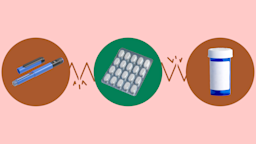

Metformin's main job is to help make your body more sensitive to insulin. It also helps minimize how much sugar is absorbed into your bloodstream and how much sugar your liver makes.
Since they work differently, metformin can be combined with a sulfonylurea. You may take each one as an individual pill, or your healthcare provider could prescribe a combination pill for convenience’s sake.
5. Despite how it sounds, they’re not true “sulfa” medications
Some of the most common medication allergies are to sulfa antibiotics. If you’re allergic to an antibiotic like Bactrim (sulfamethoxazole/trimethoprim), it’s understandable to think you may be allergic to sulfonylureas. After all, they both have “sulfa” in their names.
Sulfonylureas are considered sulfa-based medications. Their chemical structures share some common features with Bactrim, but they’re not the same. They typically don’t crossover and cause problems for people with sulfa allergies. So if you’re allergic to sulfa medications like Bactrim, taking a sulfonylurea should be OK.
As a precaution, you should still be aware of the signs and symptoms of an allergic reaction. Get medical help right away if any of your symptoms seem severe or life-threatening:
Itching
Vomiting
Hives
Trouble breathing
Swelling of the tongue, face, or throat
Your healthcare provider can make the final call on if a sulfonylurea is safe for you to take.
6. Sulfonylureas can make your blood sugar drop too low
Sulfonylureas have some side effects to be aware of. They can happen even if you’re new to taking them or if you’ve been taking them for some time.
The main side effect to watch out for is hypoglycemia (low blood sugar). That’s because sulfonylureas trigger insulin release, even if you haven’t eaten. Healthcare providers typically consider a blood sugar reading lower than 70 mg/dL to be too low. Signs that you might be experiencing hypoglycemia may include shakiness, sweating, and hunger.
Other common signs of hypoglycemia include:
If left untreated, hypoglycemia can be dangerous. It can lead to fainting, seizures, or even death. Because of this, it’s important to know how to prevent and treat symptoms of hypoglycemia.
Keep in mind: Experts recommend avoiding longer-acting sulfonylureas, like glyburide and glimepiride, in people ages 65 years and older. That’s because there’s a higher risk of severe hypoglycemia. If you’re 65 or older and need a sulfonylurea, glipizide may be a safer option.
7. Use caution while drinking alcohol
Alcohol can affect your blood sugar control. One of the biggest risks of drinking alcohol if you have diabetes is experiencing hypoglycemia. This risk goes up if you’re drinking alcohol while taking medications that lower your blood sugar, like sulfonylureas. These effects can be additive.
But some alcoholic drinks have a large amount of sugar, so certain drinks could also cause a spike in your blood sugar levels.
You usually don’t need to avoid alcohol completely if you have diabetes. Drinking in moderation is key. But since alcohol can affect everyone differently, talk with your healthcare provider before combining sulfonylureas and alcohol.
8. Medication interactions are possible
In addition to alcohol, a few medications interact with sulfonylureas. Most interactions raise your risk for hypoglycemia. Taking these medications with sulfonylureas may cause your blood sugar to drop too low:
Ciprofloxacin (Cipro)
Tetracycline antibiotics
Beta blockers like metoprolol (Toprol XL, Lopressor) and carvedilol (Coreg)
GLP-1 agonists, like Ozempic (semaglutide)
What’s more, beta blockers can mask certain hypoglycemia symptoms, like sweating. It’s important to regularly watch your blood sugar if you’re taking this combination.
Other interactions are also possible. Some medications make sulfonylureas less effective. Examples include:
Corticosteroids like prednisone and dexamethasone
Hydrochlorothiazide (Microzide)
Cyclosporine (Sandimmune)
9. They’re generally pretty affordable
All of the sulfonylureas are fairly affordable, especially with a free GoodRx coupon. Here’s how much you can expect to pay for a 30-day supply of each medication at certain pharmacies.
|
Medication |
GoodRx price |
|
Glipizide |
|
|
Glipizide ER |
|
|
Glimepiride |
|
|
Glyburide (generic Glynase) |
|
|
Glyburide (generic Diabeta) |
10. Several alternative diabetes medications are available
Sulfonylureas and metformin aren’t the only medications used to treat Type 2 diabetes. A few other medications may be recommended in combination with or instead of sulfonylureas.
DPP-4 inhibitors
DPP-4 inhibitors (gliptins) and sulfonylureas can work together to treat diabetes. Like sulfonylureas, DPP-4 inhibitors are prescription pills that you take by mouth. They work by helping your body make more insulin and lowering the sugar your body naturally makes.
Common examples include linagliptin (Tradjenta), sitagliptin (Januvia), and saxagliptin (Onglyza).
GLP-1 agonists
GLP-1 agonists are very similar to DPP-4 inhibitors. The main difference is that most of them are given as injections instead of pills. Common examples include dulaglutide (Trulicity), liraglutide (Victoza), and semaglutide (Ozempic).
A similar medication, called tirzepatide (Mounjaro), was approved in May 2022. Tirzepatide made headlines at the time of its approval because of how it works. It’s a GLP-1 agonist and a GIP agonist. The combination can help lower your A1C. It can also cause weight loss as a side effect.
SGLT-2 inhibitors
SGLT-2 inhibitor medications use your kidneys to get rid of extra blood sugar. They’re oral medications that you can take alongside sulfonylureas. Common examples include dapagliflozin (Farxiga), empagliflozin (Jardiance), and canagliflozin (Invokana).
Insulin
Insulin medications mimic your body's natural insulin. If you have Type 2 diabetes, your body may need extra insulin to help it control blood sugar levels effectively. If your A1c is higher than 9%, your healthcare provider may recommend insulin.
Many types of insulin are available. Common examples include:
Rapid-acting insulin, like insulin lispro (Humalog)
Intermediate-acting insulin, like insulin NPH (Novolin N)
Long-acting insulin, like insulin glargine (Lantus, Basaglar)
Ultra-long-acting insulin, like insulin degludec (Tresiba)
The bottom line
Sulfonylureas help lower blood sugar levels in people living with Type 2 diabetes. Glipizide, glimepiride, and glyburide are the most common sulfonylurea medications. All three medications are pills that you take by mouth. If you have questions about sulfonylurea medications, reach out to your healthcare provider or pharmacist.

Why trust our experts?




References
American Diabetes Association Professional Practice Committee. (2022). 9. Pharmacologic approaches to glycemic treatment: Standards of medical care in diabetes—2022. Diabetes Care.
American Diabetes Association. (n.d.). Alcohol and diabetes.
American Diabetes Association. (n.d.). Hypoglycemia (low blood glucose).
Bryant Ranch Prepack. (2022). Glipizide ER [package insert].
Costello, R. A., et al. (2022). Sulfonylureas. StatPearls.
Giles, A., et al. (2019). Sulfonamide allergies. Pharmacy.
GuidelineCentral. (2023). Beers criteria for potential inappropriate medication use in older adults.
Lee, S., et al. (2020). Effects of co-administration of sulfonylureas and antimicrobial drugs on hypoglycemia in patients with type 2 diabetes using a case-crossover design. Pharmacotherapy.
Sola, D., et al. (2013). Sulfonylureas and their use in clinical practice. Archives of Medical Science.
Wulf, N. R., et al. (2013). Sulfonamide cross-reactivity: Is there evidence to support broad cross-allergenicity? American Journal of Health-System Pharmacy.