Key takeaways:
Incretins are gut hormones that aid in digestion and blood glucose (sugar) control. They include glucagon-like peptide-1 (GLP-1) and glucose-dependent insulinotropic polypeptide (GIP).
Incretin mimetics are medications that mimic incretin hormones. They’re currently approved for Type 2 diabetes or chronic weight management in certain people.
Most incretin mimetics come as daily or weekly injections. And currently they’re only available as brand-name medications. But most manufacturers provide a copay savings card and patient assistance programs to help you save on the cost
Save on related medications
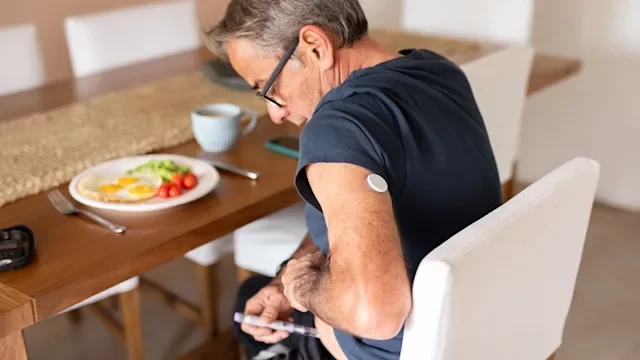
In 2005, a new injectable Type 2 diabetes medication called Byetta (exenatide) made its debut. It was the first glucagon-like peptide-1 (GLP-1) agonist medication. GLP-1 agonists are a newer medication class that mimic natural hormones in your body called incretins. These medications help control blood glucose (sugar) to help treat Type 2 diabetes. They also affect digestion and can cause significant weight loss.
Since that time, many more GLP-1 agonists have arrived on the market. They’re available as daily injections, once-weekly injections, and oral tablets. Some are only approved to treat Type 2 diabetes. Others are approved for weight loss. But how do these medications work? And how do they compare with other treatment options?
What are incretins?
Whenever we eat, our digestive tract releases hormones called incretins. The two main incretins are GLP-1 and glucose-dependent insulinotropic polypeptide (GIP). These two hormones aid in digestion and regulate your blood glucose.
Incretins have many important tasks, including:
Raising insulin levels after you eat
Slowing down how quickly food leaves your stomach
Helping you feel full longer
Lowering stomach acid
Lowering the amount of glucose produced by your liver
Raising glucose storage in your muscles
Regulating appetite and food cravings
These actions collectively form what’s called the incretin effect. But sometimes, incretin levels are lower than they should be. Or the body becomes less sensitive to their effects. This could be due to a health condition, such as Type 2 diabetes. Or it could just be a natural difference in some people’s bodies. Regardless of the cause, these changes result in a loss of the desired incretin effect.
But researchers found they could bring back the incretin effect using synthetic hormones called incretin mimetics.
What medications are incretin mimetics?
Incretin mimetics “mimic” the effects of natural incretins. They’re used for the treatment of Type 2 diabetes and obesity or overweight.
Most of these medications are GLP-1 agonists. That means they mimic the effect of GLP-1 in the body. Below are some examples of available GLP-1 agonists. They come as daily pills and daily or weekly injections.
Mounjaro (tirzepatide) is a GLP-1 and GIP agonist. It mimics the effects of both incretins, not just GLP-1. This makes it more effective at lowering hemoglobin A1C (HbA1C or A1C) levels in people with Type 2 diabetes than the other medications it was compared with.
How do incretin mimetics work for weight loss and obesity?
Incretin mimetics help with weight loss in several ways:
They slow down how fast food moves through your digestive tract. This can help you feel full with less food and delay how fast you feel hungry again.
They help regulate your appetite. Incretin mimetics such as Wegovy (semaglutide) affect areas of the brain that help reduce cravings and “food noise” — constant thoughts about food.
They help regulate hunger hormones. Your body makes a hormone called ghrelin that signals hunger. It also makes a hormone called leptin that tells you to stop eating. When you lose weight, it’s common for the body to respond by lowering leptin levels so you’ll eat more. This is one reason rebound weight gain is common after weight loss. But incretin mimetics help prevent leptin levels from dropping. This helps you continue to lose weight while you’re taking it.
How effective are incretin mimetics for weight loss?
Incretin mimetics seem to be very effective for weight loss. There are two FDA-approved incretin mimetics for weight loss. They include Saxenda (liraglutide), a once-daily injection, and Wegovy, a once-weekly injection.
In clinical trials, most participants — about 60% for Saxenda and 80% for Wegovy — lost at least 5% of their body weight. This is considered a clinically meaningful amount of weight loss.
But there are some differences when you compare these two medications. Initial studies showed an 8% average weight loss with Saxenda and a nearly 15% average weight loss with Wegovy. And a later 68-week study comparing the two showed similar results — about 6% with Saxenda and 16% with Wegovy.
Experts are calling Wegovy a "game-changer" due to the amount of weight participants lost during clinical trials. And newer incretin mimetics being studied seem to show even more weight loss than Wegovy.
Good to know: Incretin mimetics are only approved for weight loss if you have a BMI of 30 kg/m2 or higher or a BMI of 27 kg/m2 along with a weight-related health condition, such as Type 2 diabetes. The safety and effectiveness of these medications hasn’t been established outside of these indications.
How do incretin mimetics compare with other weight loss medications?
Most weight loss medications provide an average weight loss of 5% to 10% of your body weight. So incretin mimetics seem to provide results that are the same as or better than previously approved options. But there are some differences to consider.
While most medications used for weight loss are taken orally, Saxenda and Wegovy are both injections. They’re also only available as brand-name medications, while some oral weight loss medications have lower-cost generic options. But Saxenda and Wegovy both currently have copay savings cards available from their manufacturers to help you save on the cost.
Keep in mind that if incretin mimetics aren’t an option for you, there are other medications to consider. Let’s take a look at two options that showed at least a 5% average weight loss in over 50% of people taking them.
Qsymia is a combination medication containing phentermine and topiramate. The combination promotes weight loss by lowering your appetite and helping you feel full sooner.
Orlistat (Xenical) blocks your intestines from absorbing fat from the food you eat. It’s also available as the over-the-counter medication Alli. Orlistat can help you lose weight. But it can also lead to unpleasant side effects, such as fatty stools and anal leakage.
Your provider can discuss weight management medications with you. They’ll take into account any underlying health conditions, preferences, and cost to help find the best option to meet your goals.
How do incretin mimetics affect blood glucose to treat Type 2 diabetes?
Incretin mimetics help lower blood glucose and A1C levels in people with Type 2 diabetes. Your A1C level measures your average blood glucose levels over the last 2 to 3 months. Incretin mimetics provide these effects in a few ways:
They signal the pancreas to release more insulin. After a meal, your blood glucose levels go up. Usually, the pancreas releases insulin when this happens to lower blood glucose levels. But in people living with Type 2 diabetes, the body doesn’t always release enough. Incretin mimetics work on the pancreas to help raise insulin levels after you eat, which then lowers blood glucose levels.
They increase the body’s sensitivity to insulin. Your body may also not respond as well to insulin if you’re living with Type 2 diabetes. Incretin mimetics help increase insulin sensitivity, so your body can respond better to insulin when it’s released.
They tell your liver to stop making glucose. This helps stop the production of new glucose to keep blood levels down.
As described earlier, incretin mimetics are also effective for weight loss. Weight loss helps people with diabetes who also have overweight or obesity gain better blood glucose control. It also helps improve overall heart health.
How effective are incretin mimetics for Type 2 diabetes?
Incretin mimetics are a very effective treatment option for Type 2 diabetes. They can lower your A1C by about 1% to 2%. They can help with weight loss, which is key to managing Type 2 diabetes. And some incretin mimetics also help protect your heart and lower your risk of heart-related health conditions related to diabetes.
Metformin is a common first-choice medication for Type 2 diabetes. It’s available as a lower-cost generic and tends to be more cost-effective. But incretin mimetics are a first-choice medication for Type 2 diabetes when heart-related risks or obesity/overweight are also a concern. They’re also an option if you’re unable to tolerate metformin or it isn’t working well for you. Your healthcare provider can help you choose the best treatment option for your specific needs.
How do incretin mimetics compare to other medications that treat Type 2 diabetes?
Incretin mimetics work as well as or better than other medications for Type 2 diabetes in most people. They’re especially useful for those who have heart- or weight-related health concerns as well as Type 2 diabetes.
A major advantage of incretin mimetics is that they help with weight loss as well as lowering blood glucose levels. Some incretin mimetics can also improve heart health.
Other diabetes medications that raise insulin levels can also cause dangerously low blood glucose (hypoglycemia). That’s because they raise insulin levels regardless of if you’ve eaten or not. But incretin mimetics rarely cause this side effect, because they only work when you eat.
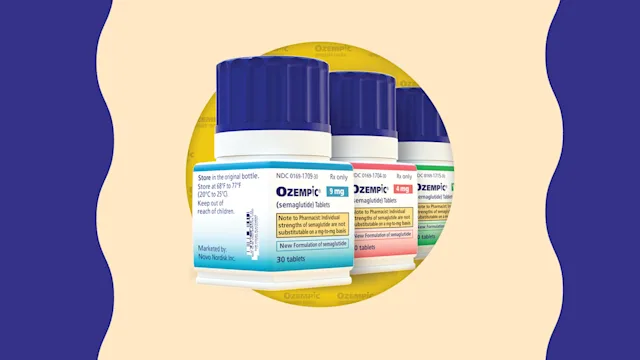
The main disadvantage of incretin mimetics is that most of them are only available as injections. The exception to this is Rybelsus, a semaglutide tablet. And they’re only available as brand-name drugs, while many other diabetes medications have lower-cost generic options. But most manufacturers provide a copay savings card and patient assistance programs to help you save on the cost of brand-name incretin mimetics.
If incretin mimetics aren’t an option for you, there are other effective treatments for Type 2 diabetes:
Metformin: This is often a first-choice treatment option for Type 2 diabetes. Metformin works well to lower blood glucose with a low risk of causing hypoglycemia. On its own, metformin has been shown to lower A1C by a little over 1%. And it may have some heart-related benefits, but they aren’t as clear as the benefits of other options.
Sodium-glucose cotransporter-2 (SGLT2) inhibitors: Examples of SGLT2 inhibitors include Jardiance (empagliflozin) and Farxiga (dapagliflozin). These medications work by blocking glucose reabsorption in your kidneys. By doing this, glucose is removed from your body when you pee. SGLT2 inhibitors lower A1C by up to 1%. And they have heart protection and kidney benefits, too.
Dipeptidyl peptidase-4 (DPP-4) inhibitors: DPP-4 inhibitors, such as Januvia (sitagliptin), are similar to incretin mimetics. They block an enzyme (protein) that breaks down incretins in the body. This helps raise the levels of natural incretins. On average, they lower A1C by less than 1%. But unlike the other medications we’ve discussed, they don’t provide heart or kidney protection benefits.
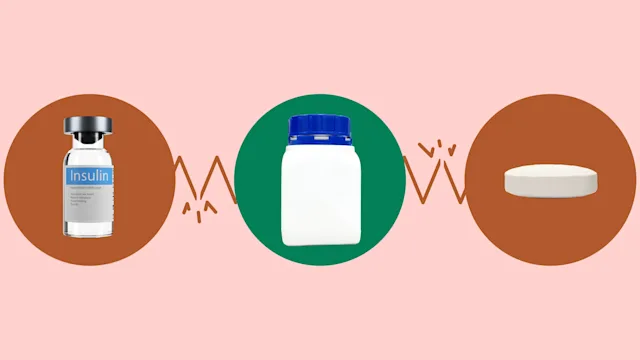
Insulin: Insulin can be prescribed if other medications aren’t effective at lowering blood glucose levels. There are different types of insulin — some that work fast and others more slowly. In some cases, insulin regimens can require multiple injections a day.
Are incretin mimetics safe?
Incretin mimetics are considered a safe treatment option for most people. Common side effects are nausea, vomiting, and diarrhea. You’ll likely start with a small dose and raise it over time to help prevent these side effects. And they’ll usually get better as your body adjusts to the medication. Eating smaller meals and avoiding fried food, alcohol, and processed or sugary snacks can also help.
It’s rare, but there have been reports of pancreatitis — inflammation of the pancreas — in people taking incretin mimetics. People with a history of pancreatitis should use these medications with caution and report any new or worsening stomach pain to their healthcare provider.
Incretin mimetics also have a boxed warning (the FDA’s most serious warning) about the increased risk of thyroid cancer associated with these medications. Your healthcare provider can help determine your risk for this side effect. But it’s usually best to avoid incretin mimetics if you have a personal or family history of thyroid cancer.
Are there any new incretin mimetics being studied?
Yes, there are several new incretin mimetics in the drug development pipeline. And some existing incretin mimetics are being studied for new indications. Some examples include:
Mounjaro has been studied for weight loss in people without Type 2 diabetes. It’s expected to be FDA-approved for this use in the coming months.
Oral semaglutide tablets are also being studied as an option for weight loss.
Retatrutide targets GIP, GLP-1, and glucagon receptors (chemical binding sites). If approved, this injectable medication would offer a new, three-pronged approach to chronic weight management and Type 2 diabetes.
A combination injectable medication called CagriSema contains semaglutide and cagrilintide. Cagrilintide mimics a hormone called amylin, which helps you feel full and stop eating sooner.
Orforglipron is an oral tablet that’s a GLP-1 agonist. It’s being studied for weight loss as well as Type 2 diabetes.
These are just a few examples of the many incretin mimetics that are currently seeking approval for weight loss and Type 2 diabetes. We’re sure to see many more of these medications in the years to come.
The bottom line
Incretins are natural hormones that help regulate appetite, blood glucose levels, and digestion. Incretin mimetics are medications that mimic the actions of incretins in the body. Some are approved to treat Type 2 diabetes, and others are approved for chronic weight management in certain people.
Incretin mimetics currently include GLP-1 agonists and one GLP-1/GIP agonist. They help lower blood glucose, reduce appetite, and control cravings. Many also help protect your heart and lower your risk of heart-related complications.
Most incretin mimetics, such as Ozempic, Wegovy, and Mounjaro, are injectable medications. But an oral incretin mimetic called Rybelsus is an option for treating Type 2 diabetes. Since incretin mimetics are relatively new, they’re only available as brand-name medications. But most manufacturers have copay savings cards and patient assistance programs available to help you save on the cost of your medication.

Why trust our experts?



References
American Diabetes Association. (n.d.). Figure 9.3: Use of glucose-lowering medications in the management of Type 2 diabetes.
American Diabetes Association. (n.d.). Table 9.2: Medications for lowering glucose, summary of characteristics.
American Diabetes Association. (2023). American Diabetes Association highlights novel agent retatrutide which results in substantial weight reduction in people with obesity or Type 2 diabetes during late breaking symposium.
AstraZeneca Pharmaceuticals. (2018). Byetta (exenatide) injection, for subcutaneous use [package insert].
Barlow, R. (2021). Could diabetes drug be a game changer in treating obesity? BU Today.
Cernea, S. (2011). The role of incretin therapy at different stages of diabetes. The Review of Diabetic Studies.
Collins, L., et al. (2023). Glucagon-like peptide-1 receptor agonists. StatPearls.
Farzam, K., et al. (2023). Tirzepatide. StatPearls.
Gomez-Peralta, F., et al. (2018). Safety and efficacy of DPP4 inhibitor and basal insulin in Type 2 diabetes: An updated review and challenging clinical scenarios. Diabetes Therapy.
Hirst, J. A., et al. (2012). Quantifying the effect of metformin treatment and dose on glycemic control. Diabetes Care.
Holst, J. J. (2019). The incretin system in healthy humans: The role of GIP and GLP-1. Metabolism: Clinical and Experimental.
Kim, W., et al. (2008). The role of incretins in glucose homeostasis and diabetes treatment. Pharmacological Reviews.
Latif, W., et al. (2023). Compare and contrast the glucagon-like peptide-1 receptor agonists (GLP1RAs). StatPearls.
Novo Nordisk. (2021). Novo Nordisk receives FDA approval for Wegovy to treat adults with obesity based on unprecedented efficacy for a prescription medicine in clinical trials.
Pi-Sunyer, X., et al. (2015). A randomized, controlled trial of 3.0 mg of liraglutide in weight management. The New England Journal of Medicine.
Prasad-Reddy, L., et al. (2015). A clinical review of GLP-1 receptor agonists: Efficacy and safety in diabetes and beyond. Drugs in Context.
Ryan, D. H., et al. (2017). Weight loss and improvement in comorbidity: Differences at 5%, 10%, 15%, and over. Current Obesity Reports.
Sandoval, K. (2021). An appetite-suppressing drug helped patients lose weight better than any other medicine, scientists say. Insider.
Sauter, E., et al. (2023). Mechanisms that impact cancer risk with use of incretin mimetics (R01-clinical trial optional; R21-clinical trial not allowed). National Cancer Institute.
Ussher, J. R., et al. (2023). Glucagon-like peptide 1 receptor agonists: Cardiovascular benefits and mechanisms of action. Nature Reviews Cardiology.