Key takeaways:
Toujeo and Toujeo Max are long-acting insulin glargine products used to manage blood glucose (sugar) levels in people with diabetes.
Most commercial insurance, Medicare, and Medicaid plans cover Toujeo and Toujeo Max. About half of Affordable Care Act (ACA) plans cover them. In some cases, prior authorization may be required.
Without insurance or discounts, 3 Toujeo pens cost an average of $166.34, and 2 Toujeo Max pens cost an average of $227.19. But copay savings cards, patient assistance programs, and unbranded insulins could help you save money on your prescription.
Save on related medications
Managing diabetes can already feel overwhelming — so the price of insulin shouldn’t make things harder. Toujeo and Toujeo Max are long-acting insulin glargine products that many people rely on to keep their blood glucose (sugar) in check. But without insurance, the costs can start adding up.
The good news is that there are several ways to save on insulin, from manufacturer-sponsored programs to unbranded alternatives. Here’s what to know about how much Toujeo and Toujeo Max cost without insurance and how to lower your out-of-pocket costs.
How much do Toujeo and Toujeo Max cost?
Without insurance or discounts, 3 Toujeo pens cost an average of $166.34. Two Toujeo Max pens cost an average of $227.19.
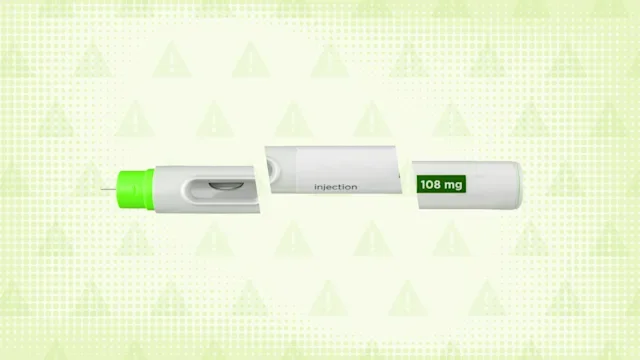
Each pen of Toujeo or Toujeo Max contains 300 units of insulin per mL. But Toujeo Max pens contain double the amount of insulin volume. How long these pens last depends on your daily insulin needs.
Here is the average retail price for a common quantity of Toujeo.
Toujeo quantity and form | Average retail price |
|---|---|
3 prefilled pens (1 carton) |
Here are the average retail prices for common quantities of Toujeo Max.
What factors affect the cost of Toujeo and Toujeo Max?
Several factors can affect how much you’ll pay for Toujeo or Toujeo Max, including:
Insurance: If you have health insurance, whether or not you have coverage for Toujeo or Toujeo Max will depend on your specific plan. And coverage requirements, such as copay tiers, can impact how much you pay.
Pharmacy choice: Where you fill your prescription can affect how much you pay, since prices can vary across pharmacies.
Daily insulin needs: How many insulin pens you’ll need each month depends on your daily insulin requirements.
Savings programs: Manufacturer copay savings cards and patient assistance programs could significantly reduce your out-of-pocket costs, if you’re eligible.
State regulations: Where you live can affect how much you pay. That’s because many states, such as California, are capping insulin copays for enrollees in certain insurance plans.
Does insurance cover Toujeo and Toujeo Max?
Most commercial insurance, Medicare, and Medicaid plans cover Toujeo and Toujeo Max. About half of Affordable Care Act (ACA) plans cover them.
Your plan may require prior authorization before covering your insulin — especially if you have Medicaid. This means your prescriber will need to show that Toujeo or Toujeo Max is medically necessary for you. Step therapy (trying other insulins first) isn’t as commonly required.
How different insurance plans cover Toujeo and Toujeo Max
The tables below break down the percentage of enrollees who have coverage for Toujeo and Toujeo Max by insurance type. They also show the likelihood of having prior authorization and step therapy requirements.
Insurance type | Enrollees covered for Toujeo | Enrollees required to get prior authorization | Enrollees required to do step therapy |
|---|---|---|---|
48.7% | 11.1% | 1% | |
Commercial plans (excluding ACA plans) | 91.1% | 12.7% | 6.3% |
Medicare (Medicare Advantage and Part D plans) | 75.1% | 0% | 0% |
Medicaid, including state-run and managed care plans | 99.9% | 74.7% | 17.3% |
Insurance type | Enrollees covered for Toujeo Max | Enrollees required to get prior authorization | Enrollees required to do step therapy |
|---|---|---|---|
ACA plans | 49% | 11.5% | 1.6% |
Commercial plans (excluding ACA plans) | 91.6% | 12.9% | 6.9% |
Medicare (Medicare Advantage and Part D plans) | 75.5% | 0% | 0% |
Medicaid, including state-run and managed care plans | 99.9% | 75.1% | 29.5% |
Source: Managed Markets Insight & Technology, LLC™, as of January 10, 2026. (See methodology below.)
If your insurance doesn’t cover Toujeo or Toujeo Max, try these options:
Check if you’re eligible for a manufacturer copay savings card or savings program. If you have commercial insurance coverage or you’re uninsured, you may qualify for reduced out-of-pocket costs.
Talk to your prescriber about alternatives. There are other insulin glargine products, such as Lantus, Semglee, and Rezvoglar, that may be preferred by your plan. Toujeo and Toujeo Max are also available as unbranded products, which may cost less.
Request a formulary exception. Your prescriber can submit a letter of medical necessity to your insurer explaining why Toujeo or Toujeo Max is the best option for you. You have the right to file an appeal if the request for coverage is denied.
Compare plans during open enrollment. You may be able to switch to a plan that covers Toujeo or Toujeo Max with lower out-of-pocket costs.
Ways to save on Toujeo and Toujeo Max
Without insurance, Toujeo and Toujeo Max can cost hundreds of dollars per month. But there are savings strategies that can help reduce how much you pay for your prescription. Here are six options to consider.
1. Use a GoodRx coupon
GoodRx coupons may help lower the cost of Toujeo and Toujeo Max at participating pharmacies. With a free GoodRx coupon, you could pay the following price for your prescription.
2. See if you qualify for a savings program
Sanofi, the manufacturer of Toujeo and Toujeo Max, has two different savings programs available to help lower consumers’ out-of-pocket costs. You can check your eligibility and sign up online for these programs:
Sanofi Insulins Copay Savings Program: If you have commercial insurance and qualify for savings, you’ll pay no more than $35 per month for either product through this program.
Sanofi Insulins Valyou Savings Program: This program offers Toujeo and Toujeo Max for $35 per month. It’s available to those who don’t have insurance or who have commercial insurance and are paying cash for their prescription.
People with Medicare coverage are not eligible for these programs. (These enrollees should pay no more than $35 a month for covered insulin with Medicare Part D.) Those with Medicaid or other government-funded healthcare benefits are also not eligible.
3. Check if you’re eligible for a patient assistance program
Sanofi also offers a patient assistance program that provides Toujeo and Toujeo Max at no cost to those who are eligible. To qualify, you must:
Be a resident of the U.S. or a U.S. territory
Meet annual household income requirements
Be uninsured, have a commercial insurance or Medicaid plan that doesn’t cover Toujeo or Toujeo Max, or have Medicare Part D or Part B without supplemental coverage
Provide documentation of Medicaid denial if you may be eligible for Medicaid
To apply, you can download an application online and complete it with your prescriber. If you have any questions, you can call the manufacturer at 1-888-847-4877.
4. Switch to an unbranded version
Toujeo and Toujeo Max are brand-name insulins, but unbranded versions are also available. These versions — sold as insulin glargine U-300 and insulin glargine U-300 Max — are exactly the same as Toujeo and Toujeo Max. They just don’t have the brand name on the label.
Because they’re unbranded, these insulins may be priced lower at some pharmacies or covered differently by insurance.
5. Ask about 90-day supplies
If Toujeo or Toujeo Max has been working well for you, you can talk to your prescriber and insurance plan about filling a 90-day supply. This can sometimes reduce your overall out-of-pocket costs and save you a few trips to the pharmacy.
6. Tap into your HSA, FSA, or HRA
If you have a health savings account (HSA), flexible spending account (FSA), or health reimbursement arrangement (HRA), you can use these pretax dollars to pay for Toujeo, Toujeo Max, or related supplies. This doesn’t lower prices directly. But it reduces your effective cost through tax savings. Just remember to keep your receipts.
The bottom line
Toujeo and Toujeo Max are long-acting insulin glargine products used to treat diabetes. Without insurance or discounts, 3 Toujeo pens cost an average of $166.34, and 2 Toujeo Max pens cost an average of $227.19.
There are several ways to lower the cost of Toujeo and Toujeo Max, including manufacturer copay savings cards and patient assistance programs. Many states have also implemented insulin cost caps, which may limit how much you pay depending on your location. Your healthcare team can help you navigate your savings options.

Why trust our experts?



Methodology
We obtained national prescription coverage data for each medication from Managed Markets Insight & Technology (MMIT). The data reflects health insurance coverage as of January 2026.
We calculated the percentage of enrollees in plans that cover each medication by dividing the number of enrollees covered for the medication within a specific insurance channel (e.g., ACA, Medicare, Medicaid) by the total number of enrollees in all plans within that channel.
We determined the percentage of enrollees in plans with a prior authorization requirement by calculating the proportion of enrollees in plans that required prior authorization for the medication within each channel.
Finally, we measured the percentage of enrollees in plans with a step therapy requirement by calculating the proportion of enrollees in plans that imposed step therapy requirements for the medication in each channel.
These estimates, derived from national MMIT coverage data, provide insight into health insurance coverage for each medication. They take into account restrictions such as prior authorization, step therapy, and quantity limits. The percentages are expressed relative to the total number of enrollees covered by various insurance channels, including ACA plans, commercial (excluding ACA) plans, Medicare, and Medicaid (both state-run and managed care plans).
References
American Diabetes Association. (n.d.). State insulin copay caps.
American Diabetes Association. (2025). The American Diabetes Association applauds California’s action to cap copayments for insulin on state-regulated health plans.
Medicare.gov. (n.d.). Insulin.
Sanofi-Aventis U.S. LLC. Insulin glargine U-300 - insulin glargine injection, solution; insulin glargine U-300 Max - insulin glargine injection, solution [package insert]. DailyMed.
Sanofi Patient Connection. (n.d.). Savings and support options. Sanofi.
Sanofi Patient Connection. (2025). Connecting patients to medication and resources: Sanofi Patient Connection (SPC). Sanofi.