


Daily vs. Weekly Insulin: Differences and How to Choose
With once-a-week insulins, a single injection is slowly released over multiple days. Learn more about daily vs. once-a-week insulins from GoodRx.
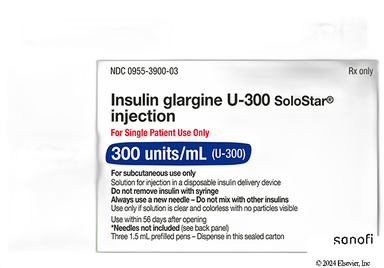
Toujeo SoloStar and Toujeo Max SoloStar are a pair of brand names for insulin glargine. It's a long-acting insulin that's used for diabetes in adults and children. This medication is a more concentrated version of insulin glargine containing 300 units/mL. Toujeo (insulin glargine) comes as prefilled pens. You inject the medication under the skin once daily. Side effects include common cold symptoms and low blood sugar.

Toujeo (insulin glargine) is a type of insulin. Insulin is a hormone that your body normally makes to lower glucose (sugar) levels in the blood. It helps your body use the sugar from your blood for energy. It also stops your liver from making glucose. These actions help lower your blood sugar.
| Common Brands | Toujeo SoloStar, Toujeo Max SoloStar |
|---|---|
| Drug Class | Insulin |
| Controlled Substance Classification | Not a controlled medication |
| Generic Status | Lower-cost generic available |
| Availability | Prescription only |

The following side effects may get better over time as your body gets used to the medication. Let your healthcare provider know immediately if you continue to experience these symptoms or if they worsen over time.
Contact your healthcare provider immediately if you experience any of the following.
Side effects that you should report to your care team as soon as possible:
Side effects that usually do not require medical attention (report to your care team if they continue or are bothersome):



How to use Toujeo (insulin glargine):
How to store Toujeo (insulin glargine):

Toujeo (insulin glargine) can cause some serious health issues. This risk may be even higher for certain groups. If this worries you, talk to your doctor or pharmacist about other options.
Never share Toujeo (insulin glargine) pens or needles with anyone else. Even if you put on a new needle on the pen, don't let others use your pen. Sharing Toujeo (insulin glargine) and your injection supplies can raise the risk of spreading dangerous infections.
Changing your insulin or how you use it can affect how your body responds to insulin. Examples include suddenly changing where you inject Toujeo (insulin glargine) or switching to a different type of insulin. This can lead to higher or lower blood sugar levels.
If your diabetes care team tells you to make any changes, follow their directions carefully. Be sure to check your blood sugar more often. This helps you know how the changes affect you. Don't change your Toujeo (insulin glargine) dose or routine without talking to your diabetes team first.
Toujeo (insulin glargine) can cause low blood sugar, or hypoglycemia. If your blood sugar drops too much, it can be dangerous and life-threatening, especially if it's not treated in time.
Be sure you can spot signs of low blood sugar so you can catch it early. Low blood sugar can happen suddenly, and it can look and feel differently for each person. But some signs can include feeling shaky, nervous, anxious, weak, sleepy, or confused. You could also have a fast heartbeat, be sweaty, have body chills, or be very hungry.
It's important to know how to treat low blood sugar if it happens. Carry some form of fast-acting sugar at all times while you're taking Toujeo (insulin glargine). Examples include glucose tablets, hard candy, and fruit juice. They can come in handy to raise your blood sugar quickly if it drops too much. If you have low blood sugar, treat it right away and tell your care team.
Toujeo (insulin glargine) can lower your potassium levels. This can sometimes be dangerous. It's more likely to happen if you take medications that lower your potassium like diuretics or water pills. If needed, your prescriber might check your potassium levels regularly.
Look out for symptoms of low potassium levels while taking Toujeo (insulin glargine). They can include weakness, muscle cramps, digestive problems, or an abnormal heartbeat. Call a healthcare professional if you have these symptoms so they can help treat and manage this problem.
Taking Toujeo (insulin glargine) with glitazones like pioglitazone (Actos) can cause your body to hold onto fluid. This can lead to or worsen heart failure. This is because the extra fluid can put stress on the heart. It can make you have symptoms such as trouble breathing or not being able to tolerate exercise.
Before starting Toujeo (insulin glargine), tell your prescriber if you have heart failure. Also tell them if you're taking a glitazone. They can make sure that Toujeo (insulin glargine) is safe for you and check in with you more often. Let your care team know if you have unusual sudden weight gain, swelling, or trouble breathing. These can be signs of fluid buildup or heart failure.
Rarely, Toujeo (insulin glargine) can cause a severe allergic reaction that can be life-threatening. This can include anaphylaxis. Get medical help right away if you have an allergic reaction while taking this medication. Look out for swelling in your face, lips, or tongue; rash; or trouble breathing.

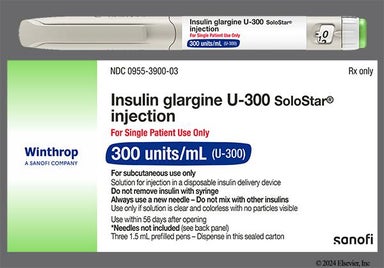
 Carton
| Dosage | Quantity | Price as low as | Price per unit |
|---|---|---|---|
| three 1.5ml solostar pens of 300 units/ml | 1 carton | $130.28 | $130.28 |


Contraindications are specific health conditions or situations in which a person should not take a medication due to safety concerns. If you have any of the following conditions or if any of the following apply to you, let your healthcare provider know because Toujeo (insulin glargine) will not be safe for you to take.









Prescription savings
Stop paying too much for your prescriptions. Compare prices, get pharmacy coupons, and save up to 80%. Find expert answers to your health questions so you can make the best decisions for yourself and your family.
Health conditions
Medications & treatment
Access & affordability
Medication discounts


Toujeo is a type of long-acting insulin. It works all day to keep your background blood sugar low. In fact, it's considered an ultra-long-acting insulin because it can last for up to 36 hours.
It takes about 6 hours for Toujeo to start working after your injection. This medication doesn't work quick enough to control blood sugar spikes, like after meals. Rather, it's given once a day every day to maintain a "baseline" level of insulin throughout the day. Keep in mind that it could take a few days to see the full effect of the medication to lower your blood sugar.
No, Toujeo isn't a GLP-1 receptor agonist. Instead, it's a type of insulin. GLP-1 agonists and insulin both help manage Type 2 diabetes. But only insulins like Toujeo is also used for people with Type 1 diabetes. They work differently to manage blood sugar. Also, GLP-1 agonists and insulin affect weight in different ways. Talk to a member of your healthcare team to learn more about GLP-1 agonists and insulin.
It depends on the Toujeo pen you have. Toujeo SoloStar contains 450 units of insulin glargine per pen. Toujeo Max SoloStar contains 900 units per pen. Talk to your prescriber if you're not sure which Toujeo pen you should be using.
The number of pens that come in a box of Toujeo depends on the pen you're using. For Toujeo SoloStar, there are 3 pens in each box. For Toujeo Max SoloStar, there are 2 pens in each box.
It depends if you've opened, or started using, the Toujeo pen or not. Unopened pens must be stored in the refrigerator, but be careful not to let them freeze. They can stay in the refrigerator until the written expiration date on the pen or carton. Opened pens should be stored at room temperature up to 86ºF, not in the refrigerator. You can keep opened pens at room temperature for up to 56 days, or 8 weeks, until you have to throw them out.
There isn't a set maximum dose for insulins, including Toujeo. This is because everyone's insulin needs are different. But using more than what's prescribed is considered too much. Too much insulin can put you at risk of dangerously low blood sugar (hypoglycemia). Always follow your care team's instructions on how much Toujeo to use. If you have signs of low blood sugar, treat it with fast-acting sugars using the "15-15 Rule" and tell your prescriber. If you're unsure about your dose or you're using too much, talk to your diabetes care team. Don't change the dose on your own without speaking to them first.
No, Toujeo and Lantus are not the same medication. They both contain insulin glargine and help keep your blood sugar steady all day. But the main difference is that Toujeo has a higher concentration of insulin glargine than Lantus. Toujeo contains 300 units/mL of insulin, whereas Lantus contains 100 units/mL. This makes Toujeo a good choice for people who need high doses of long-acting insulin. Also, the effects of Toujeo last for up to 36 hours, but Lantus lasts for up to 24 hours. Finally, Lantus has lower-cost options, but Toujeo is only available as a brand-name medication. Talk to your prescriber to compare and decide which is the right insulin for you.
