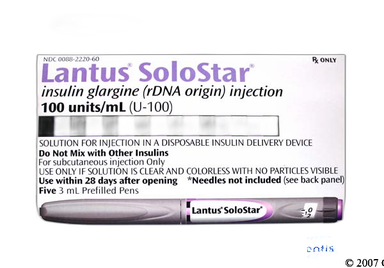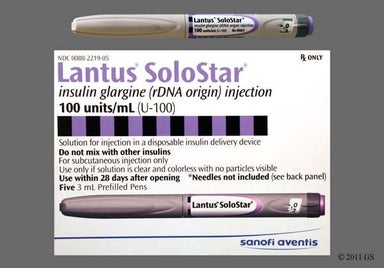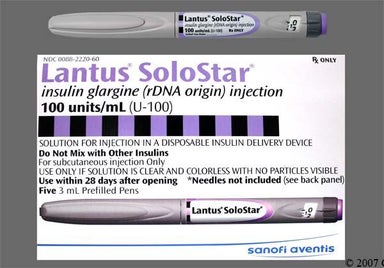



Lantus Coupon - Lantus 5 solostar pens of 3ml carton

Lantus

insulin glargine
Used for Diabetes Type 1, Diabetes Type 2

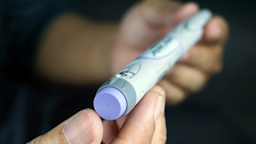
Lantus (insulin glargine) is a type of long-acting insulin. It's used to help manage blood sugar levels in people with Type 1 diabetes or Type 2 diabetes. Lantus (insulin glargine) is injected under the skin once daily. Your dose will depend on a few things, such as the type of diabetes you have and your blood sugar levels. This medication comes in a vial (Lantus) as well as in a prefilled insulin pen (Lantus Solostar). Some side effects include upper respiratory tract infections. It can also cause redness and swelling at the injection site.

Reviewed by:Last reviewed on September 19, 2025
basics-icon

What is Lantus (insulin glargine)?

What is Lantus (insulin glargine) used for?

How Lantus (insulin glargine) works

Lantus (insulin glargine) is a type of insulin for people with diabetes. This is important because they either can't make insulin, don't make enough insulin, or their body doesn't respond to insulin as it should.

Insulin is a hormone in your body that lowers glucose (sugar) levels in the blood in a few ways. It helps your body use sugar from your blood for energy. It also stops your liver from making glucose.

When does Lantus (insulin glargine) start working?Time passed since treatment started:
HOURS
Full effect
DAYS
WEEKS
MONTHS

Drug facts

Common BrandsLantus, Lantus Solostar
Drug ClassInsulin
Controlled Substance ClassificationNot a controlled medication
Generic StatusLower-cost generic available
AvailabilityPrescription only
side-effects-icon

Side effects of Lantus (insulin glargine)

The following side effects may get better over time as your body gets used to the medication. Let your healthcare provider know immediately if you continue to experience these symptoms or if they worsen over time.

Common Side Effects

Type 1 diabetes

Type 2 diabetes

  • Upper respiratory tract infection (11%)
  • Other infection (10%)
  • Eye problem (6%)

Less Common Side Effects

  • Low blood sugar (hypoglycemia)
  • Swelling in the arms, legs, or ankles
  • Weight gain
  • Injection site reaction (e.g., redness, pain, itching, swelling)
  • Pitted skin or thickened skin at the injection site

Lantus (insulin glargine) serious side effects

Contact your healthcare provider immediately if you experience any of the following.

  • Very low blood sugar: feeling shaky, nervous, anxious, sleepy, weak, or confused; fast heartbeat; sweating; body chills; feeling very hungry
  • Very low potassium: weakness, muscle cramps or twitches, constipation, irregular heartbeat
  • Severe allergic reaction: rash; hives; swelling of face, tongue, and throat; trouble breathing
When do Lantus (insulin glargine) possible side effects begin and end?
Time passed since treatment started:
H
D
W
M
Injection site reaction
Risk of low blood sugar
Seek immediate medical care if you experience this side effect.
If a line continues to the right, you'll likely keep experiencing this side effect once it starts.

Source: DailyMed

The following Lantus (insulin glargine) side effects have also been reported

Along with its needed effects, a medicine may cause some unwanted effects. Although not all of these side effects may occur, if they do occur they may need medical attention.

Check with your doctor immediately if any of the following side effects occur:

More common

Anxiety

behavior change similar to being drunk

blurred vision

chills

cold sweats

confusion

cool, pale skin

difficulty with thinking

dizziness or lightheadedness

drowsiness

excessive hunger

fast heartbeat

headache

nausea

nervousness

nightmares

restless sleep

seizures

shakiness

slurred speech

tingling in the hands, feet, lips, or tongue

unusual tiredness or weakness

Less common or rare

Fast pulse

skin rash or itching over the entire body

sweating

trouble breathing

Incidence not known

Bloating or swelling of the face, hands, lower legs, or feet

cough

decreased urine

difficulty with swallowing

dry mouth

hives

increased thirst

irregular heartbeat

muscle pain or cramps

numbness or tingling in the hands, feet, or lips

puffiness or swelling of the eyelids or around the eyes, face, lips, or tongue

rapid weight gain

vomiting

Some side effects may occur that usually do not need medical attention. These side effects may go away during treatment as your body adjusts to the medicine. Also, your health care professional may be able to tell you about ways to prevent or reduce some of these side effects. Check with your health care professional if any of the following side effects continue or are bothersome or if you have any questions about them:

More common

Fever

sore throat

stuffy or runny nose

Less common or rare

Depression of the skin at the injection site

itching, pain, redness, or swelling at the injection site

thickening of the skin at injection site

Other side effects not listed may also occur in some patients. If you notice any other effects, check with your healthcare professional.

Call your doctor for medical advice about side effects. You may report side effects to the FDA at 1-800-FDA-1088.

prices-container

Get your GoodRx coupon

Avg retail price
$Infinity(Save 100.00%)
Manufacturer exclusive discount
$35.00
See prices
pros-and-cons-icon

Pros and cons of Lantus (insulin glargine)

Pros

  • Helps keep your blood sugar controlled for about 24 hours
  • Injected once daily
  • Approved for both adults and children
  • Available as a vial and prefilled pen

Cons

  • Given as an injection under the skin
  • Has a risk of causing dangerously low blood sugar
  • Might cause weight gain
  • Can't be mixed with other insulins within the same syringe
pharmacist-tips-icon

Pharmacist tips for Lantus (insulin glargine)

pharmacist
  • Before your first time using Lantus (insulin glargine), review the tips on starting insulin. This can be helpful for knowing what to expect with insulin therapy. Ask your care team if you have any questions.
  • Lantus (insulin glargine) can cause low blood sugar as a side effect. Sometimes, it can get too low, which can be dangerous. You and your loved ones should know how to recognize and treat low blood sugar. Some symptoms include sweating, shakiness, anxiety, and hunger. Keep some fast-acting sugars with you to help get your blood sugar back up quickly.
  • You might need to use different types of insulins at different times of the day to help control your blood sugar. Always check the label on your insulins carefully. This helps you make sure you're using the right insulin at the right time. Double checking can help keep you from getting your insulins mixed up and having low blood sugar.
  • It's important to check your blood sugar levels regularly. This helps you keep track of how well Lantus (insulin glargine) is working. Share your blood sugar readings with your diabetes care team. They might adjust your insulin based on trends they see.
  • Make sure your meal plans and exercise routine are consistent. Don't make changes that are too drastic or sudden. This helps keep you blood sugar more steady while taking Lantus (insulin glargine). If you need to make big changes to your diet, meal patterns, or exercise, tell your care team. They might need to adjust your insulin.

How to use Lantus (insulin glargine):

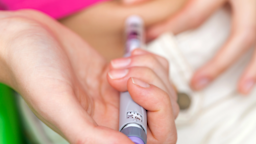
  • Your diabetes care team will show you or your caregiver how to inject Lantus (insulin glargine). Read the Instructions for Use for the prefilled pen (Lantus Solostar) or vial and syringe (Lantus). If you have any questions, ask your care team.
  • Be sure you know how much Lantus (insulin glargine) you should inject. Don't change how much you inject unless your prescriber tells you it's okay. If you're not sure, ask your prescriber.
  • When to inject Lantus (insulin glargine): Inject the medication once daily at any time of day. It's best to inject around the same time each day so the medication works consistently for you.
  • For each Lantus (insulin glargine) injection: Use a new syringe and needle each time. Don't reuse them because this can cause infection. Remember, you'll need to get pen needles separately; they're not included with the pen.
  • Before injecting Lantus (insulin glargine): Check that the solution is clear and colorless without any particles. If it isn't, don't use the medication and ask your prescriber or pharmacist for a replacement. Don't dilute or mix Lantus (insulin glargine) with any other insulin or medication. Also don't put Lantus (insulin glargine) into an insulin pump. This might not be safe.
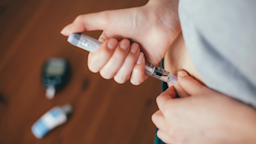
  • Where to inject Lantus (insulin glargine): Inject the medication under the skin of your stomach, thighs, or back of your upper arms. Choose a different spot to inject into each time to prevent skin irritation. Don't inject into pitted, thick, hard, scaly, bruised, or damaged areas of skin.
  • After the Lantus (insulin glargine) injection: Throw away any used needles and syringe in a sharps container. You can also use something made of heavy-duty plastic, like an empty milk carton or laundry detergent bottle. Don't throw away needles or syringes in your trash can. This helps keep you and others safe from needle sticks.

How to store Lantus (insulin glargine):

  • Unopened Lantus (insulin glargine) vials and pens: Store unopened vials and pens in the refrigerator until the expiration date. If needed, you can also keep them at room temperature (up to 86ĀŗF) for up to 28 days.
  • Opened Lantus (insulin glargine) vials: Store opened vials in the refrigerator or at room temperature (up to 86ĀŗF) for up to 28 days.
  • Opened Lantus (insulin glargine) pens: Keep opened pens at room temperature (up to 86ĀŗF) for up to 28 days. After you start using a pen, don't put it in the refrigerator.
educational-icon

How to save using GoodRx

Compare Prices
1. Compare PricesSpecify your dosage and quantity to find out exactly how much you can save.
Select your free coupon
2. Select your free couponYou can use the displayed coupon, or compare prices at other pharmacies near you.
Show coupon to your pharmacist
3. Show coupon to your pharmacistPresent your printed or electronic coupon when you pick up your prescription.
Get free couponLearn more
faq-icon

Common questions about Lantus (insulin glargine)

Lantus costs start as low as $35.00.Learn more

Lantus is used for Type 1 diabetes and Type 2 diabetes.Learn more

Lantus (insulin glargine) is a long-acting insulin. It’s used to manage blood glucose (sugar) levels in adults and children with Type 1 and Type 2 diabetes. It’s prescribed on its own, with other insulins, and/or with other non-insulin diabetes medications. Lantus is available as a vial and prefilled Solostar pen. It’s usually injected under the skin (subcutaneously) once daily. Its effects last in your body for about 24 hours.Learn more

The most common Lantus (insulin glargine) side effect is hypoglycemia (low blood glucose). Other Lantus side effects include weight gain, upper respiratory tract infections, and swelling. Lantus can also cause more serious side effects, including severe hypoglycemia and low potassium levels. Severe allergic reactions are rare, but possible.Learn more

Lantus takes about 1.5 to 2 hours to start working, with its effects lasting for about 24 hours. This is why you usually only need to inject it once a day. Lantus helps manage your blood glucose levels throughout the day, even when you’re not eating. So, it’s sometimes called ā€œbackgroundā€ or ā€œbasalā€ insulin.Learn more

Lantus (insulin glargine) isn't a fast-acting insulin. It's absorbed slowly by the body, taking about 1.5 to 2 hours to start working. But its effects last for about 24 hours, providing a steady amount of insulin during this time.Learn more
warnings-icon

Risks and warnings for Lantus (insulin glargine)

Lantus (insulin glargine) can cause some serious health issues. This risk may be even higher for certain groups. If this worries you, talk to your doctor or pharmacist about other options.

Risk of infection from sharing pens and needles

Never share Lantus (insulin glargine) pens, syringes, or needles with anyone else. Don't let others use your pen even if you'd put on a new needle. Sharing Lantus (insulin glargine) and your injection supplies can raise the risk of spreading serious infections.

Risk of changes to blood sugar levels with changes to your insulin routine

  • Risk factors: Changes in insulin strength | Changes in type of insulins you use | Changes in insulin brand-name products | Suddenly changing where you inject

Making changes to your insulin routine can affect how your body responds to it. This can include suddenly changing where you inject Lantus (insulin glargine) or switching to a biosimilar. These changes can make your blood sugar go up or down. Also, injecting insulin repeatedly into pitted or thickened areas of skin can also cause higher blood sugar.

If your diabetes care team tells you to make any changes, be sure to follow their directions carefully. Also check your blood sugar more often. This will help you know how the changes affect you. Don't change your Lantus (insulin glargine) dose or routine without checking with your diabetes team first.

Low blood sugar (hypoglycemia)

  • Risk factors: Changes in meal patterns and exercise routine | Drinking alcohol | Taking other medications for diabetes | Liver or kidney problems | Not using Lantus (insulin glargine) as directed

Lantus (insulin glargine) can cause low blood sugar, or hypoglycemia. Sometimes, your blood sugar can get too low. This can be dangerous and even life-threatening if not treated in time. Be sure to follow your prescriber's instructions and check your blood sugar regularly.

Make sure you're familiar with the signs of low blood sugar so you can catch it early. You might feel shaky, dizzy, sweaty, clammy, nervous, irritated, or confused. You could also have trouble paying attention or reacting quickly, which can be risky while driving. Keep in mind that low blood sugar can happen suddenly and look different for everyone.

It's important to know how to treat low blood sugar. Keep fast-acting sugars, such as glucose tablets, with you at all times while you're taking Lantus (insulin glargine). This can help raise your blood sugar quickly. If you have low blood sugar, treat it right away and let your diabetes team know. If it doesn't improve, get medical help right away.

Low potassium levels

  • Risk factors: Taking other medications that lower your potassium

Lantus (insulin glargine) can lower your potassium levels, which can sometimes be dangerous. You're at greater risk if you also take other medications that can cause low potassium, such as diuretics. If you're at risk, your prescriber might check your potassium levels with blood tests.

You might not have symptoms until your potassium drops quite low. But be aware of signs of low potassium while taking Lantus (insulin glargine). These can include weakness, muscle cramps or twitches, constipation, and a racing heart. If this happens, let your prescriber know right away.

Swelling and risk of heart failure when using with certain diabetes medications

  • Risk factors: Taking glitazones together with insulin | History of heart failure

Taking Lantus (insulin glargine) with diabetes medications called glitazones, like pioglitazone (Actos), can cause your body to hold onto extra fluid. It can lead to or worsen heart failure. This is because the extra fluid can put stress on the heart.

Before you start Lantus (insulin glargine), tell your prescriber if you have heart failure. Also tell them if you take other diabetes medications. They can make sure Lantus (insulin glargine) is safe for you and check in with you more often.

Let your care team know if you have swelling in your legs or ankles while you're taking Lantus (insulin glargine). Also tell them if you feel very tired or short of breath. These could be signs of fluid buildup or heart failure.

Severe allergic reaction

Rarely, Lantus (insulin glargine) can cause a severe allergic reaction that can be life-threatening. This can include anaphylaxis. A severe allergic reaction can look like swelling in your lips, face, or tongue; rash; or trouble breathing. If this happens, get medical help right away.

dosage-icon

Lantus (insulin glargine) dosage

The average cost for 1 carton of 5 solostar pens of 3ml of Lantus (insulin glargine) is $35.00 with a free GoodRx coupon.
cartonCarton
DosageQuantityPrice as low asPrice per unit
5 solostar pens of 3ml1 carton$35.00$35.00
vialVial
DosageQuantityPrice as low asPrice per unit
10ml of 100 units/ml1 vial$35.00$35.00

Typical dosage for Lantus (insulin glargine)

Your diabetes care team will work with you to determine your dose. The dose will be different for each person.

  • Type 1 diabetes: Your care team will use your total daily insulin (TDI) requirement to find the dose of Lantus (insulin glargine) for you. The typical starting dose is about 30% of your TDI requirement. Inject Lantus (insulin glargine) under the skin once daily. Use along with a pre-meal short-acting or rapid-acting insulin.
  • Type 2 diabetes: Your care team will calculate your starting dose based on your body weight. The typical starting dose is 0.2 units/kg (or up to 10 units) each day. Inject Lantus (insulin glargine) under the skin once daily.

Your care team will adjust your dose depending on your blood sugar levels.

interactions-icon

Interactions between Lantus (insulin glargine) and other drugs

Lantus (insulin glargine) may interact with certain medications or supplements. Always let your doctor and pharmacist know about any other medications or supplements (including prescribed and over-the-counter medications, vitamins, and dietary or herbal supplements) that you are currently taking. The list below does not include all possible drug interactions with Lantus (insulin glargine). Please note that only the generic name of each medication is listed below.

Although certain medicines should not be used together at all, in other cases two different medicines may be used together even if an interaction might occur. In these cases, your doctor may want to change the dose, or other precautions may be necessary. When you are taking this medicine, it is especially important that your healthcare professional know if you are taking any of the medicines listed below. The following interactions have been selected on the basis of their potential significance and are not necessarily all-inclusive.

Using this medicine with any of the following medicines is usually not recommended, but may be required in some cases. If both medicines are prescribed together, your doctor may change the dose or how often you use one or both of the medicines.

Using this medicine with any of the following medicines may cause an increased risk of certain side effects, but using both drugs may be the best treatment for you. If both medicines are prescribed together, your doctor may change the dose or how often you use one or both of the medicines.

cost-icon

How much does Lantus (insulin glargine) cost?

To access savings, use a GoodRx coupon and pay just a fraction of the retail price.
contraindications-icon

Lantus (insulin glargine) contraindications

Contraindications are specific health conditions or situations in which a person should not take a medication due to safety concerns. If you have any of the following conditions or if any of the following apply to you, let your healthcare provider know because Lantus (insulin glargine) will not be safe for you to take.

  • When you have low blood sugar levels
  • Allergy to Lantus (insulin glargine) or other insulin glargine products
alternatives-icon

What are alternatives to Lantus (insulin glargine)?

There are a number of medications that your doctor can prescribe in place of Lantus (insulin glargine). Compare a few possible alternatives below.
Lantus (insulin glargine)
Used for:
$35.00Lowest GoodRx priceView prices
latest-news-icon

News about Lantus (insulin glargine)

Lantus (insulin glargine) may cause weight gain, low blood sugar, and injection site reactions. View a list of Lantus side effects and see how to manage them.
8 Lantus (Insulin Glargine) Side Effects You Should Know About
Lantus (insulin glargine) may cause weight gain, low blood sugar, and injection site reactions. View a list of Lantus side effects and see how to manage them.
Read about how to inject Lantus using either the Lantus SoloStar pen or vials, along with other injection tips from healthcare professionals.
How to Inject Lantus, Plus 6 Tips for Getting the Most from This Long-Acting Insulin
Read about how to inject Lantus using either the Lantus SoloStar pen or vials, along with other injection tips from healthcare professionals.
General insulin use may cause a few common side effects. Typical insulin side effects include irritation at the injection site, weight gain, and headaches.
6 Insulin Side Effects You Should Know About
General insulin use may cause a few common side effects. Typical insulin side effects include irritation at the injection site, weight gain, and headaches.
Insulin access and affordability is crucial for people with diabetes. See ways you can save on insulin (or even get it free) through programs and discounts.
5 Ways to Save on Insulin (Or Even Get It For Free) — With or Without Insurance
Insulin access and affordability is crucial for people with diabetes. See ways you can save on insulin (or even get it free) through programs and discounts.
Lantus and Ozempic are subcutaneous injections that have key differences, including how they work, their uses, how often they’re taken, and their side effects.
Lantus vs. Ozempic: 6 Differences to Consider
Lantus and Ozempic are subcutaneous injections that have key differences, including how they work, their uses, how often they’re taken, and their side effects.
If needed, you can take insulin with Mounjaro, but you shouldn’t use the same injection site for both medications. Learn about Mounjaro administration with these FAQs.
Can You Take Insulin With Mounjaro? Yes, and Here’s Why You Might Combine Them
If needed, you can take insulin with Mounjaro, but you shouldn’t use the same injection site for both medications. Learn about Mounjaro administration with these FAQs.
Insulin prices dropped 42% in 2024, marking a significant shift for millions of Americans.
Insulin Costs Plummet: A Decade-Long High Comes to an End
Insulin prices dropped 42% in 2024, marking a significant shift for millions of Americans.
Whether you’re flying, driving, or taking a cruise, take precautions when traveling with insulin. Here’s how to store and carry your insulin on vacation.
9 Pharmacist-Backed Tips for Traveling With Insulin
Whether you’re flying, driving, or taking a cruise, take precautions when traveling with insulin. Here’s how to store and carry your insulin on vacation.
Levemir and Lantus are both long-acting insulins prescribed to help treat Type 1 and Type 2 diabetes. Learn how they are similar and how they’re different.
Levemir vs. Lantus: How Do They Compare for Diabetes?
Levemir and Lantus are both long-acting insulins prescribed to help treat Type 1 and Type 2 diabetes. Learn how they are similar and how they’re different.
Tresiba and Lantus are both long-acting insulins, though Tresiba tends to work longer than Lantus. Review more key differences between Tresiba and Lantus.
Tresiba vs. Lantus: 6 Differences Between These Long-Acting Insulins
Tresiba and Lantus are both long-acting insulins, though Tresiba tends to work longer than Lantus. Review more key differences between Tresiba and Lantus.
images-icon

Lantus (insulin glargine) images

This medicine is Colorless Carton.

Get savings updates for Lantus (insulin glargine)

Receive price alerts, news, and other messages from GoodRx about Lantus (insulin glargine) and other healthcare topics and relevant savings offers.

By providing your email, you consent to receive marketing communications from GoodRx, which may include content and/or data related to men's health, women's health, reproductive care, or sexual health. You agree to the GoodRx Terms of Use and acknowledge the Privacy Policy. You can unsubscribe at any time.

References

Best studies we found

American Diabetes Association. (2012). Hypoglycemia? Low blood glucose? Low blood sugar? Clinical Diabetes.

Sanofi-aventis U.S. LLC. (2022). How to use your LantusĀ® SoloStarĀ® pen.

Sanofi-aventis U.S. LLC. (2022). Injecting LantusĀ® with a vial and syringe.

GoodRx Health has strict sourcing policies and relies on primary sources such as medical organizations, governmental agencies, academic institutions, and peer-reviewed scientific journals. Learn more about how we ensure our content is accurate, thorough, and unbiased by reading our editorial guidelines.

Was this page helpful?