Key takeaways:
Lantus (insulin glargine) is a long-acting insulin that’s usually injected once a day. It comes in either a multi-dose vial or SoloStar injection pen. The steps for injecting Lantus will be different depending on the form you’re using.
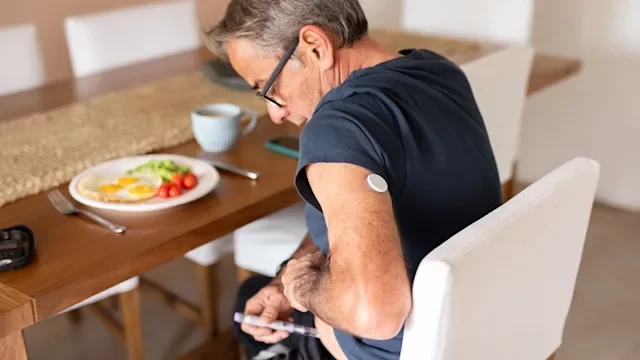
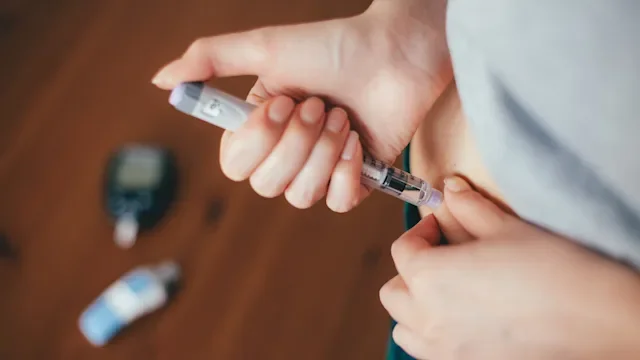
You can inject Lantus under the skin of your abdomen, upper arm, or thigh. Make sure to rotate the spot you inject each time. This will help to prevent lumps, pitting, and thickening from happening under the skin.
Unless your healthcare professional says otherwise, you can inject Lantus at any time of time of day. Just pick a consistent time that’s convenient for you. Then, prior to injecting Lantus, inspect your insulin to make sure it’s not expired, discolored, or cloudy.
There are ways to save on Lantus. GoodRx can help you access Lantus at an exclusive cash price of $35 per month. Manufacturer savings cards and patient assistance programs are also available.
Save on related medications
Lantus (insulin glargine) is a popular long-acting insulin that comes in two forms. Whether you’re new to taking Lantus or it has been part of your routine for years, knowing how to inject it properly is an important part of managing your diabetes. That means knowing the specific instructions for the form you’re taking.
Below, we provide seven practical tips on how, when, and where to inject Lantus.
1. Where you can inject Lantus
Lantus is available in either a multi-dose vial or SoloStar injection pen. The instructions for how to inject Lantus will be different depending on which form you’re using. With both forms, you can inject your Lantus dose just under the skin in one of three places:
Abdomen: At least 2 inches from your belly button
Thigh: Top and outer areas — avoid the bony area above the knee
Upper arm: Outer, back area with fatty tissue — typically requires someone else to perform the injection, since this area is awkward to reach on your own
Before injecting your dose, make sure that you have the right insulin and that it’s not expired. With Lantus vials and pens, you can find the expiration date on the label. Keep in mind that once you’ve started using a vial or pen, it’s only good for up to 28 days.
2. How to inject Lantus vials
Unused Lantus vials last the longest when they’re stored in the refrigerator (36°F to 46°F). You can store an in-use vial in the refrigerator or at room temperature (up to 86°F). You can inject insulin right out of the fridge, but it’s often less painful if you let the vial sit at room temp for about 30 minutes before injecting your dose.
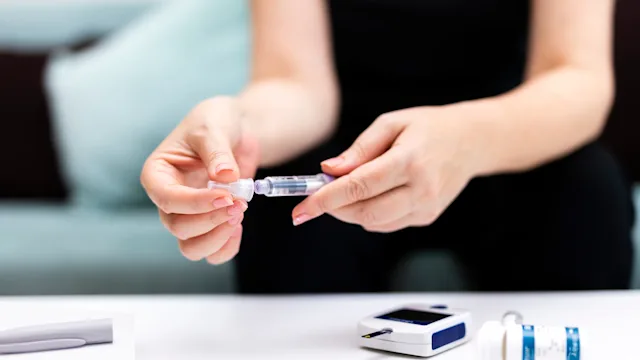
First, gather your supplies. In addition to a Lantus vial, you’ll need a new U-100 insulin syringe (with needle), alcohol swabs, and a sharps container.
To prepare your dose, follow these steps:
Set the vial on a flat surface and remove the protective cap (for a new vial).
Wipe the top of the vial with an alcohol swab.
Take the new syringe (with a new needle attached) and pull the plunger back to the line of your Lantus dose, drawing air into the syringe.
Push the needle through the rubber vial top and inject the air into the vial. Leave the syringe in the vial, turning both upside down.
Draw up your insulin dose by pulling the plunger back to the correct line on the syringe. When doing this, make sure the needle tip is in the insulin to prevent drawing in air bubbles.
If there are air bubbles, hold the syringe upright and gently tap it so the bubbles rise to the top. Press the plunger to expel the air from the syringe and draw up more insulin until you have your correct dose. Then, remove the needle from the vial.
To inject your dose, follow these steps:
Clean the injection site with an alcohol swab. Let the area dry before injecting your dose, otherwise it may sting when you inject.
Pinch a fold of skin where you plan to inject and hold it. Then, insert the needle into your skin at a 45-degree angle. Your healthcare team can show you how to do this properly.
Slowly inject your dose, making sure to push the plunger all the way in.
Leave the needle in your skin for 10 seconds. This will help ensure you’ve injected your full dose.
Pull the needle out and apply light pressure to the injection site for a few seconds.
Throw away your syringe, needle, and any finished vials into your sharps container.
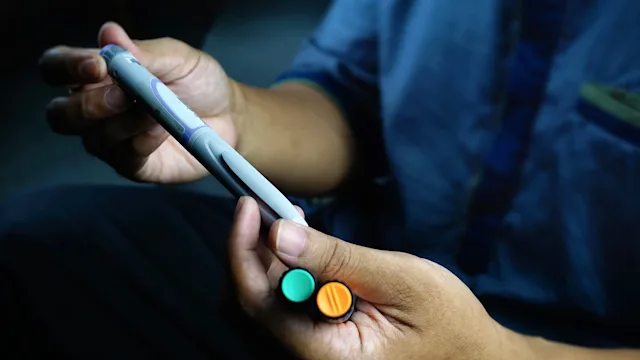
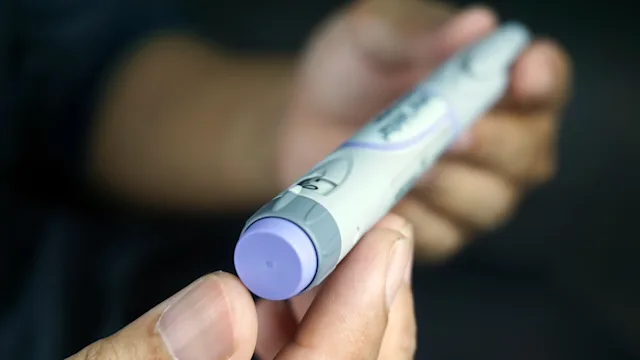
3. How to inject Lantus SoloStar pen
Unused Lantus SoloStar pens also last the longest when kept in the refrigerator (36°F to 46°F). But after your first dose, you should keep your pen at room temperature (up to 86°F). Similar to the vial, you can take a new Lantus pen out of the refrigerator about 30 minutes before injecting your dose to lessen potential discomfort.
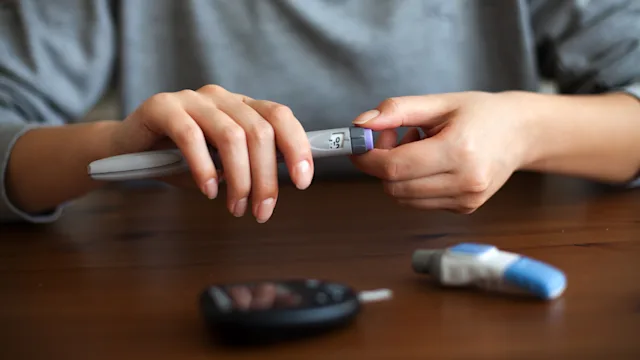
In addition to your Lantus pen, you’ll need a new pen needle, alcohol swabs, and a sharps container before injecting your dose.
To prepare your dose, follow these steps:
Remove the pen cap and wipe the rubber seal with an alcohol swab.
Peel off the protective seal from the new pen needle and gently twist it onto the pen.
Pull off the outer and inner needle caps, setting the outer cap to the side for later.
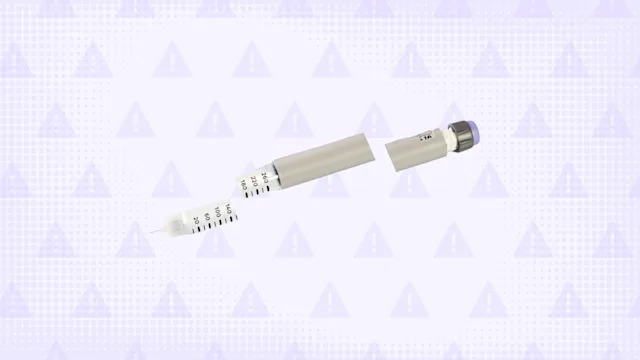
Prime your pen by turning the dose selector to “2,” then pressing the injection button. If insulin comes out, your pen is ready to use. If not, you should repeat this process up to three times. If there’s still an issue, try changing the needle. Use a new pen if insulin still doesn’t come out.
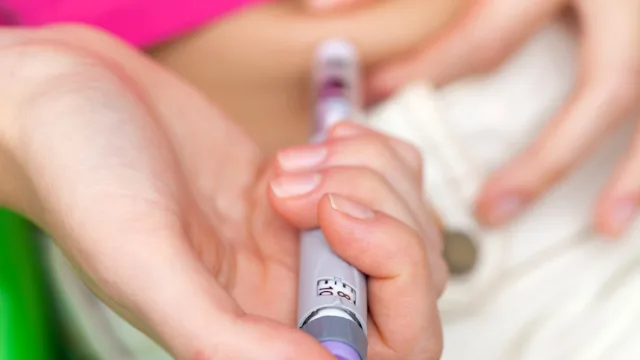
Once your pen is primed, you can select your dose. Starting with it set to “0,” turn the dose selector until the pointer lines up with your specific dose. If the dose selector stops before your dose, that means there’s not enough insulin left in the pen. In this case, you can use a new pen. Or you can use the remaining insulin in the pen and make up the difference with a new pen.
To inject your dose, follow these steps:
Clean the injection site with an alcohol swab, making sure it’s dry before you inject.
Insert the needle into the skin at a 90-degree angle. Your healthcare team will show you how to do this properly.
Using your thumb, press the injection button straight down and hold it for 10 seconds. Start counting to 10 when you see “0” in the dose window.
Remove the needle from your skin and carefully reattach the outer needle cap. Make sure the cap is on firmly. While holding the wide part of the needle cap with one hand, turn the pen with your hand until the needle comes off.
Throw away your used needle and any finished pens into the sharps container.
4. You can inject Lantus at any time of day
Lantus is usually injected once a day. You can inject your dose at any time of day, but it’s best to pick a consistent time that’s convenient for you. It may help to set a daily alarm or use a medication reminder app to stay on track with your doses.
That said, your prescriber may tell you to inject Lantus at a specific time of day, such as in the morning or at bedtime. In this case, it’s best to follow their instructions.
5. Rotate where you inject Lantus each time
As mentioned above, you can inject Lantus just under the skin on your abdomen, thigh, or upper arm. You may find that you prefer one spot over another. But no matter which area you choose, rotate your injection spot each time. For example, if you inject the right side of your stomach today, choose the left side of your stomach tomorrow. This will help prevent lumps, pitting, and thickening from happening under the skin.
If you notice these skin changes in certain spots, don’t inject in these areas. You should also avoid areas that are bruised or damaged. Injecting into these areas can affect the amount of insulin you absorb.
6. Use a new needle each time you inject Lantus
If you’re injecting Lantus with a SoloStar pen, be sure to use a new pen needle each time you inject. And if you’re injecting Lantus from a vial, use a new insulin syringe and needle each time.
Reusing needles for insulin can increase your risk of contamination and infection. It can also affect how much insulin you receive, especially if the needle changes shape or becomes blocked. Your injections may also be more painful and more likely to cause lumps under the skin.
Good to know: Insulin syringes and pen needles are not included with your Lantus prescription. You can usually buy them at any pharmacy without a prescription. But many insurance plans will cover syringes, needles, and other diabetic supplies if you have your prescriber write a separate prescription for them.
7. Don’t inject Lantus that looks discolored or cloudy
Before injecting Lantus, it’s a good idea to inspect your vial or pen. Insulin can go bad if it’s not stored properly, or if its expiration or use-by date has passed. Your insulin should be clear and free of any particles. If it doesn’t look this way, don’t use it.
It’s especially important to inspect your Lantus vials or pens if you receive them in the mail. They may be exposed to extreme cold or hot temperatures while in transit, potentially affecting how well the insulin works. Contact your mail-order pharmacy if your Lantus looks unusual, it arrives warm or frozen, or you think it was exposed to extreme temperatures.
How to save on Lantus
There are ways to save on Lantus, which is available as a reference (“brand-name”) biologic. GoodRx can help you navigate between GoodRx coupons, copay savings cards, and patient assistance programs to save money on your prescription.
Save with GoodRx: Anyone with a valid prescription, regardless of insurance status, can use GoodRx to purchase a 30-day supply of Lantus vials or Solostar pens at an exclusive cash price of $35.
Save with a copay savings card: If you have commercial insurance, you may be eligible to pay as little as $35 per month for Lantus using a savings card from the manufacturer.
Save with patient assistance programs: If you’re uninsured or underinsured, you may be eligible for Lantus’ patient assistance program, which offers the medication free of charge.
Save with a biosimilar. Depending on your location, your pharmacist may be able to switch you to a Lantus biosimilar. Semglee (insulin glargine-yfgn) and Rezvoglar (insulin glargine-aglr) are two biosimilars that are considered interchangeable with Lantus.
Frequently asked questions
It’s best to keep a new Lantus vial or pen in the refrigerator (36°F to 46°F) until you’re ready to start using it. They’ll stay good in the fridge until their labeled expiration date. If you store Lantus at room temperature instead, it only stays good for 28 days.
Once you start using a Lantus pen, keep it at room temperature — don’t put it back in the fridge. In-use vials can be stored either in the fridge or at room temperature, whichever you prefer. For both the pen and the vial, you should discard them 28 days after they’ve been opened, even if there’s still insulin left.
It’s hard to say exactly how much 20 units of Lantus will lower your blood sugar, since everyone responds to insulin differently. Your response depends on factors like insulin sensitivity, diet and activity level, and other medications. If your blood sugar readings seem high, let your prescriber know. They may recommend adjustments to your Lantus dosage or other medications.
Lantus doesn’t peak. It’s a long-acting (basal) insulin. This means it’s absorbed slowly and delivers a steady amount of insulin for about 24 hours after it’s injected — without a noticeable peak. This steady action works in the background to help manage your blood sugar, which is why most people only need to inject Lantus once daily.
It’s best to keep a new Lantus vial or pen in the refrigerator (36°F to 46°F) until you’re ready to start using it. They’ll stay good in the fridge until their labeled expiration date. If you store Lantus at room temperature instead, it only stays good for 28 days.
Once you start using a Lantus pen, keep it at room temperature — don’t put it back in the fridge. In-use vials can be stored either in the fridge or at room temperature, whichever you prefer. For both the pen and the vial, you should discard them 28 days after they’ve been opened, even if there’s still insulin left.
It’s hard to say exactly how much 20 units of Lantus will lower your blood sugar, since everyone responds to insulin differently. Your response depends on factors like insulin sensitivity, diet and activity level, and other medications. If your blood sugar readings seem high, let your prescriber know. They may recommend adjustments to your Lantus dosage or other medications.
Lantus doesn’t peak. It’s a long-acting (basal) insulin. This means it’s absorbed slowly and delivers a steady amount of insulin for about 24 hours after it’s injected — without a noticeable peak. This steady action works in the background to help manage your blood sugar, which is why most people only need to inject Lantus once daily.
The bottom line
Lantus (insulin glargine) is a long-acting insulin that comes in either a vial or SoloStar injection pen. With the vial, you’ll measure your specific dose using a syringe prior to injecting. For the pen, you’ll dial up your dose using the dose selector. You can inject Lantus under the skin of your abdomen, upper arm, or thigh with either method.
Each time you inject Lantus, be sure to use a new needle and rotate the injection site. This can help prevent problems such as contamination and lumps under the skin. Don’t use a Lantus vial or pen if the insulin looks discolored, cloudy, or has particles in it.
Talk to your healthcare team if you have any questions about injecting Lantus.

Why trust our experts?




References
Lantus. (n.d.). Welcome to Lantus savings and support.
MedlinePlus. (2024). Giving an insulin injection.
Qiao, Y. J., et al. (2023). Effect of a reused insulin needle remaining in a patient's body. Journal of Diabetes Investigation.
Sanofi-Aventis U.S. (2022). How to use your Lantus SoloStar pen.
Sanofi-Aventis U.S. (2025). Lantus- insulin glargine injection, solution; Lantus solostar- insulin glargine injection, solution [package insert].
Sanofi Patient Connection. (n.d.). Patient assistance connection.