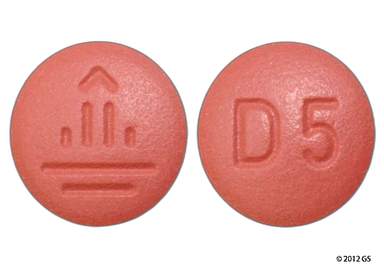
Tradjenta (linagliptin) is a medication that helps manage blood sugar levels in adults with Type 2 diabetes. It belongs to the drug class called dipeptidyl peptidase-4 (DPP-4) inhibitor, also known as "gliptins." Tradjenta (linagliptin) is taken by mouth once a day. It works best when used with a balanced diet and exercise. The medication can have a few side effects, such as runny nose, sneezing, and diarrhea.
It works by blocking a protein called DPP-4. This helps your body make more insulin when it's needed. It also lowers the amount of glucagon, a hormone that raises blood sugar. Together, these actions help control your blood sugar.
When does Tradjenta (linagliptin) start working?Time passed since treatment started:
The following side effects may get better over time as your body gets used to the medication. Let your healthcare provider know immediately if you continue to experience these symptoms or if they worsen over time.
The following Tradjenta (linagliptin) side effects have also been reported
Along with its needed effects, a medicine may cause some unwanted effects. Although not all of these side effects may occur, if they do occur they may need medical attention.
Check with your doctor immediately if any of the following side effects occur:
Some side effects may occur that usually do not need medical attention. These side effects may go away during treatment as your body adjusts to the medicine. Also, your health care professional may be able to tell you about ways to prevent or reduce some of these side effects. Check with your health care professional if any of the following side effects continue or are bothersome or if you have any questions about them:
Might not be the best choice for people with heart failure
Pharmacist tips for Tradjenta (linagliptin)
You can take Tradjenta (linagliptin) at any time of day, with or without food. It's best to take it at around the same time every day. This helps the medication work consistently for you.
Swallow Tradjenta (linagliptin) whole. Don't crush, cut in half, or chew the tablet. If you have trouble swallowing it whole, let your prescriber know. They can help come up with other treatment options.
Ask your prescriber how often to check your blood sugar while taking Tradjenta (linagliptin). Keep a record of your blood sugar readings and share them with your care team. This helps your prescriber decide if your treatment needs any adjustments.
Talk to your prescriber about drinking alcohol while taking Tradjenta (linagliptin). Alcohol can put you at risk of having low blood sugar. And heavy drinking is especially dangerous. Your prescriber can discuss with you if it's safe to drink alcohol and how much is okay for you.
Learn how to spot low blood sugar. Signs include sweating, shaking, feeling anxious, or feeling very hungry. If this happens, be sure you know how to treat low blood sugar. Your risk is higher if you take Tradjenta (linagliptin) with insulin or sulfonylureas like glipizide.
Tell your prescriber and pharmacist about all the medications and supplements you take. Some can make Tradjenta (linagliptin) work less well. These can include rifampin, carbamazepine (Tegretol), phenytoin (Dilantin), St. John's wort, and others. Your care team can make sure your medications are safe to take together.
If you're pregnant: Let your diabetes care team know. It's not known how safe it is to take Tradjenta (linagliptin) while pregnant. Your prescriber can discuss a safe diabetes treatment plan during pregnancy.
If you plan to breastfeed: Talk to your prescriber about the risks and benefits of breastfeeding while taking Tradjenta (linagliptin). It's not clear how safe it is to breastfeed during treatment. If needed, ask your prescriber or a lactation consultant about safe feeding options.
Risks and warnings for Tradjenta (linagliptin)
Tradjenta (linagliptin) can cause some serious health issues. This risk may be even higher for certain groups. If this worries you, talk to your doctor or pharmacist about other options.
Inflammation of the pancreas (pancreatitis)
Some people taking Tradjenta (linagliptin) have developed inflammation in their pancreas. This is called pancreatitis. It's not clear if having pancreatitis before can raise your risk that it can happen again during treatment. To be safe, let your prescriber know if you've had pancreatitis in the past.
Stop taking Tradjenta (linagliptin) and get medical help right away if you have severe stomach pain that doesn't go away, especially if it spreads to your back. You might also have nausea or vomiting. These can be signs of pancreatitis.
Risk of low blood sugar when taken with certain other diabetes medications
Risk factors: Also using insulin | Also taking a sulfonylurea like glipizide
Low blood sugar (hypoglycemia) is more likely if you take Tradjenta (linagliptin) with certain other diabetes medications. These mainly are insulin and sulfonylureas like glipizide. Very low blood sugar can be life-threatening.
Be sure you know how to recognize and treat low blood sugar. Symptoms can include feeling shaky, very hungry, confused, or weak. You also might feel nervous or anxious, have a fast heartbeat, or be sweaty. Talk to your care team if you're worried about having low blood sugar while taking Tradjenta (linagliptin).
Serious allergic reactions
Risk factors: Allergy to DPP-4 inhibitors (also called "gliptins")
Tradjenta (linagliptin) can cause a serious allergic reaction, including anaphylaxis. This can sometimes be life-threatening. Most times, allergic reactions have happened within the first 3 months of treatment. But it can also happen at any time. Watch out for a rash, peeling or blistering skin, swelling of the face or lips, or trouble breathing. If this happens, stop taking Tradjenta (linagliptin) and get medical care right away.
Tell your prescriber if you've had an allergic reaction to other DPP-4 inhibitors. Examples include Januvia (sitagliptin) or alogliptin (Nesina). It's possible that you might be more likely to have an allergic reaction when you take Tradjenta (linagliptin).
Severe skin reaction
Although rare, some people taking Tradjenta (linagliptin) have developed a skin problem called bullous pemphigoid. It can cause itchy, skin, blistering rash, or sores. These usually go away once you stop taking the medication and get treatment.
If you notice a rash with blisters or itchy skin, talk to a healthcare professional. You might need to stop taking Tradjenta (linagliptin) and see a dermatologist.
Severe joint pain
Some people who've taken Tradjenta (linagliptin) have had severe joint pain. This can happen anytime from a day to many years after starting the medication. For most people, the pain got better after they stop the medication. Let your prescriber know if you feel any discomfort in your joints while taking Tradjenta (linagliptin).
It's not known if Tradjenta (linagliptin) has a risk of heart failure. But some similar medications have been linked to this condition in people with Type 2 diabetes and heart disease.
Before starting Tradjenta (linagliptin), let your prescriber know if you have a history of heart failure or kidney problems. They can help weigh the risk of heart failure and benefits of the medication.
Tell your care team right away if you have any signs of heart failure. This can include trouble breathing, unusual tiredness, swelling in your legs or feet, or sudden weight gain. Depending on your symptoms, your prescriber might tell you to stop Tradjenta (linagliptin) and get medical care.
Tradjenta (linagliptin) dosage
The average cost for 30 tablets of 5mg of Tradjenta (linagliptin) is $277.80 with a free GoodRx coupon. This is 56.00% off the average retail price of $631.41.
Interactions between Tradjenta (linagliptin) and other drugs
Tradjenta (linagliptin) may interact with certain medications or supplements. Always let your doctor and pharmacist know about any other medications or supplements (including prescribed and over-the-counter medications, vitamins, and dietary or herbal supplements) that you are currently taking. The list below does not include all possible drug interactions with Tradjenta (linagliptin). Please note that only the generic name of each medication is listed below.
Although certain medicines should not be used together at all, in other cases two different medicines may be used together even if an interaction might occur. In these cases, your doctor may want to change the dose, or other precautions may be necessary. When you are taking this medicine, it is especially important that your healthcare professional know if you are taking any of the medicines listed below. The following interactions have been selected on the basis of their potential significance and are not necessarily all-inclusive.
Using this medicine with any of the following medicines is usually not recommended, but may be required in some cases. If both medicines are prescribed together, your doctor may change the dose or how often you use one or both of the medicines.
Using this medicine with any of the following medicines may cause an increased risk of certain side effects, but using both drugs may be the best treatment for you. If both medicines are prescribed together, your doctor may change the dose or how often you use one or both of the medicines.
GoodRx Health has strict sourcing policies and relies on primary sources such as medical organizations, governmental agencies, academic institutions, and peer-reviewed scientific journals. Learn more about how we ensure our content is accurate, thorough, and unbiased by reading our editorial guidelines.
Prescription savings
Stop paying too much for your prescriptions. Compare prices, get pharmacy coupons, and save up to 80%.
It can take time to see the full effects of Tradjenta. It might take about 3 months to see its full effect on your A1C. Your A1C measures your average blood sugar over the past 3 months. Be sure to keep taking Tradjenta every day as prescribed, even if you don't notice a big difference right away. Talk to your care team if you have questions about how well Tradjenta is working.
No, Tradjenta isn't a type of insulin. It's a different type of diabetes medication called a DPP-4 inhibitor. It helps your body make more natural insulin when it's needed. This helps lower your blood sugar.
No. Hair loss isn't an expected side effect of Tradjenta. Tell your care team if you notice hair loss, hair shedding, or hair thinning. They can talk with you to help figure out possible causes of the hair loss you're experiencing.
No. Weight loss wasn't reported in studies of Tradjenta. This medication doesn't usually cause weight loss or weight gain. Because of this, Tradjenta is considered a "weight-neutral" diabetes medication. If you take other diabetes medications with Tradjenta, those might affect your weight. Talk to your prescriber if you notice unexpected changes in your weight while taking Tradjenta.
Yes. People with kidney problems can usually take Tradjenta. You don't usually need any dose adjustments for it if you have kidney issues. Before starting Tradjenta, tell your prescriber if you have kidney problems so they can make sure it's right for you.
No, there is no generic for Tradjenta available yet.
No, Januvia and Tradjenta aren't the same. They're both DPP-4 inhibitors that work the same way to help lower blood sugar. They're both taken once a day by mouth and don't usually cause weight changes. An important difference is that people with moderate or severe kidney problems need a lower dose with Januvia. But they don't need a lower dose for Tradjenta. Talk to your prescriber to compare them and see which might be right for you.