


Contrave Coupon - Contrave 8mg/90mg tablet

Contrave

naltrexone / bupropion
Used for Weight loss

Contrave is a combination medication that helps with weight loss for certain adults. It's taken along with a balanced diet and exercise plan. Contrave is a tablet with two active ingredients that help regulate your appetite. They are naltrexone (an opioid antagonist) and bupropion (a dopamine and norepinephrine reuptake inhibitor). Your dosage will slowly increase over the first 3 weeks. Then, you take the maintenance dose of two tablets by mouth twice a day. Some side effects are nausea, constipation, and headache. But it can also have serious risks, like unusual changes in behavior. Contrave is brand name only; there isn't a generic version available yet.

Reviewed by:Last reviewed on October 10, 2025
basics-icon

What is Contrave (naltrexone / bupropion)?

Featuring Joshua Murdock, PharmD, BCBBSReviewed by Stacia Woodcock, PharmD | April 10, 2025

What is Contrave (naltrexone / bupropion) used for?

How Contrave (naltrexone / bupropion) works

Contrave (naltrexone / bupropion) is a combination of two medications.

It's not completely clear how Contrave works to help with weight. But it seems to work on parts of your brain for appetite regulation and the reward system. This might help you feel less hungry and control food cravings.

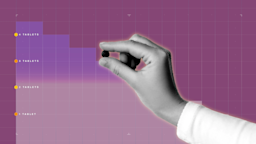
When does Contrave (naltrexone / bupropion) start working?Time passed since treatment started:
HOURS
DAYS
WEEKS
Initial effect
MONTHS
Full effect

Drug facts

Common BrandsContrave
Drug ClassOpioid antagonist / Dopamine and norepinephrine reuptake inhibitor
Controlled Substance ClassificationNot a controlled medication
Generic StatusNo lower-cost generic available
AvailabilityPrescription only
side-effects-icon

Side effects of Contrave (naltrexone / bupropion)

The following side effects may get better over time as your body gets used to the medication. Let your healthcare provider know immediately if you continue to experience these symptoms or if they worsen over time.

Common Side Effects

  • Nausea (33%)
  • Constipation (19%)
  • Headache (18%)
  • Vomiting (11%)
  • Dizziness (10%)
  • Trouble sleeping (9%)
  • Dry mouth (8%)
  • Diarrhea (7%)

Less Common Side Effects

  • Stomach pain
  • Shakiness (tremor)
  • A lot of sweating
  • Ringing in the ears
  • Fatigue
  • Suddenly feeling hot
  • Muscle strain
  • Feeling anxious
  • Feeling irritable
  • Changes in taste
  • Rash
  • Higher blood pressure
  • Racing heart
  • Flu-like symptoms
  • "Stomach flu"
  • Urinary tract infection (UTI)

Contrave (naltrexone / bupropion) serious side effects

Contact your healthcare provider immediately if you experience any of the following.

  • Suicidal thoughts or behaviors
  • Unusual changes in thoughts, mood, or behavior
  • Seizure
  • Liver problems: yellow skin or eyes, nausea, stomach pain, fatigue, fever
  • Allergic reaction: rash; hives; itchiness; trouble breathing; swelling of the face or around the eyes
When do Contrave (naltrexone / bupropion) possible side effects begin and end?
Time passed since treatment started:
H
D
W
M
Nausea or vomiting
Constipation
Headache
Dizziness
Trouble sleeping
Thoughts of self-harm
Seek immediate medical care if you experience this side effect.
If a line continues to the right, you'll likely keep experiencing this side effect once it starts.

Source: DailyMed

The following Contrave (naltrexone / bupropion) side effects have also been reported

Side effects that you should report to your care team as soon as possible:

  • Allergic reactions—skin rash, itching, hives, swelling of the face, lips, tongue, or throat
  • Fast or irregular heartbeat
  • Increase in blood pressure
  • Liver injury—right upper belly pain, loss of appetite, nausea, light-colored stool, dark yellow or brown urine, yellowing skin or eyes, unusual weakness or fatigue
  • Mood and behavior changes—anxiety, nervousness, confusion, hallucinations, irritability, hostility, thoughts of suicide or self-harm, worsening mood, feelings of depression
  • Redness, blistering, peeling, or loosening of the skin, including inside the mouth
  • Seizures
  • Sudden eye pain or change in vision such as blurry vision, seeing halos around lights, vision loss

Side effects that usually do not require medical attention (report to your care team if they continue or are bothersome):

prices-container

Get your GoodRx coupon

Avg retail price
$768.21(Save 87.11%)
Sponsored copay card
Subject to eligibility
$99.00
See prices
pros-and-cons-icon

Pros and cons of Contrave (naltrexone / bupropion)

Pros

  • Comes as a tablet that you take by mouth
  • Might start to notice results in as early as 4 weeks (when taken along with a balanced diet and regular exercise)

Cons

  • Must take twice a day (after the dose ramp-up at the beginning)
  • Might raise your risk of unusual behavior and thoughts of self-harm
  • Interacts with a lot of medications
pharmacist-tips-icon

Pharmacist tips for Contrave (naltrexone / bupropion)

pharmacist
  • Follow the dosing schedule at the beginning of treatment. You'll start Contrave (naltrexone / bupropion) at a lower dose at first. Then, your dose gets raised over a few weeks. This helps your body get used to the medication and lessen the risk of side effects like nausea and headache.
  • You can take Contrave (naltrexone / bupropion) with food. But make sure to avoid taking it with high-fat meals. Examples include meals with eggs, avocado, or cheese. These foods can make the level of medication in your body to get very high, which can raise your risk for seizure. Speak to your care team about a good meal plan. This can help you eat balanced, nutritious foods and avoid foods with a lot of fat.
  • Swallow Contrave (naltrexone / bupropion) tablets whole. Don't chew, cut, or crush the tablets. If you do, too much medication can get released into the body too quickly. This can raise your risk of side effects.
  • If you miss a dose of Contrave (naltrexone / bupropion), skip the missed dose. Then, take your usual dose and the next usual time. Don't double up your dose because this can put you at risk of side effects, like seizure.
  • Don't take more than 2 tablets of Contrave (naltrexone / bupropion) at any one time. And don’t take more than 2 tablets twice in a day. Taking too much of this medication can raise your risk of having a seizure.
  • Contrave (naltrexone / bupropion) can raise your risk of having unusual behavior. It's important that you and the people around you watch for changes in how you act or feel. Examples include being anxious, uneasy, or angry. If this happens, stop taking the medication and tell your prescriber. If you ever have suicidal thoughts or behavior, call 911 right away.
  • Make sure to tell your prescriber and pharmacist about all the medications you take and plan to take. Contrave (naltrexone / bupropion) interacts with many medications, which can be harmful for you. Your care team can review your medications and check they're safe to take together.
Common questions about Contrave

Common questions about Contrave

No, Contrave isn't a controlled substance. This is because the medication doesn't appear to have a risk of misuse or dependence.

Follow the instructions on when to take Contrave. During the first week, you'll take the medication in the morning. Then in the following weeks, you'll take the medication both in the morning and evening. To make it easier to remember, you can take the medication with low-fat breakfast and dinner. Make sure not to take your doses too close together because this will raise your risk of side effects. If you're not sure when to take Contrave, ask your prescriber or pharmacist.

In studies, most people who took Contrave started to see some weight loss within 4 weeks. They continued to lose weight over several months of treatment. Remember, this medication works best when you also eat balanced, nutritious foods and stay active. Everyone can have different results from treatment. So, follow up with your prescriber about your weight loss journey.

It's hard to say when exactly side effects of Contrave will go away. This is because everyone can respond to medications in different ways. But in general, most common side effects of Contrave usually go away as you keep taking it and your body gets used to it. These side effects can include nausea, headache, dizziness, and dry mouth. It's also possible to have higher blood pressure while taking Contrave. In studies, people had slightly higher blood pressure during the first 2 months of treatment. But it went back to normal by the 3rd month. Ask your prescriber or pharmacist about ways to relieve or manage these side effects if they don't seem to go away.

In studies, people who took Contrave for about a year lost an average of 4% to 8% of their body weight. Note that their treatment plan included eating a lower-calorie diet and staying active. Balanced, nutritious meals and exercise are both important for losing weight. So to get the best results, take Contrave along with a lower-calorie diet and exercise plan. Talk to your prescriber about how well Contrave is working for you.

You can take Contrave with food. But avoid taking it with a high-fat meal. Some examples include meals that have eggs, avocado, peanut butter, or cheese. Taking with it high-fat foods can put you at risk of having a seizure or other side effects of the medication. Talk to your care team to learn more about meal planning during your weight loss journey.

No. It's not very safe to drink alcohol when you're taking Contrave. Avoid or limit how much alcohol you drink. This medication can make you more sensitive to alcohol's effects. Alcohol with this medication can also lead to some mental health problems. And, alcohol can interfere with weight loss. Talk to your prescriber about how much alcohol you drink before starting Contrave.

Contrave and Ozempic (semaglutide) are FDA approved for different things. Contrave is approved for helping with weight loss in certain adults. Ozempic is FDA approved for people with Type 2 diabetes but has often been used off-label for weight loss. Another key difference is how each medication is taken. Contrave is a pill that you take, usually twice a day (after a ramp-up period at the beginning of treatment). But Ozempic is an injection that's given under the skin once per week. Talk to your prescriber to compare these medications.

educational-icon

How to save using GoodRx

Compare Prices
1. Compare PricesSpecify your dosage and quantity to find out exactly how much you can save.
Select your free coupon
2. Select your free couponYou can use the displayed coupon, or compare prices at other pharmacies near you.
Show coupon to your pharmacist
3. Show coupon to your pharmacistPresent your printed or electronic coupon when you pick up your prescription.
Get free couponLearn more
warnings-icon

Risks and warnings for Contrave (naltrexone / bupropion)

Contrave (naltrexone / bupropion) can cause some serious health issues. This risk may be even higher for certain groups. If this worries you, talk to your doctor or pharmacist about other options.

Risk of suicidal thoughts and behavior

  • Risk factors: History of depression or any mental health condition | Age 24 years or younger

Bupropion, one of the ingredients in Contrave, can raise the risk of worsening depression and unusual changes in behavior. It can also raise the risk of suicidal thoughts or actions. The risk might be higher if you have a history of depression or if you're 24 years or younger.

To be safe, you and your loved ones should watch for changes in behavior while you're taking Contrave (naltrexone / bupropion). This is especially important when you first start the medication and when your dose goes up. Talk to your prescriber if you have worsening depression or unusual changes in behavior. Call 911 right away if you start to think about hurting yourself.

Possible changes in thoughts, behavior, and mood

  • Risk factors: History of depression or mental health condition

Contrave (naltrexone / bupropion) isn't approved to help you quit smoking. People who’ve taken bupropion by itself for smoking cessation have had changes in thoughts, behavior, and mood. This included depression, hallucinations, paranoia, and anxiety. It's also included suicidal thoughts or behavior. Some people taking naltrexone by itself have also had depression or thoughts or behaviors of self-harm.

Watch out for signs of depression and feelings of uneasiness. Also be aware of any strange changes of behavior, thoughts, or feelings. Stop taking Contrave (naltrexone / bupropion) and get medical help right away if you or your loved ones notice any unusual thoughts, behavior, or mood.

Seizures

  • Risk factors: History of seizures | History of an eating disorder | History of head injury or medical conditions that can cause seizures | Drink a lot of alcohol | Recently quit drinking alcohol | Take too much sedatives | Addiction to cocaine or stimulants | Recently stopped taking sedatives or seizure medications | Taking other medications that can raise seizure risk | Taking higher doses of Contrave (naltrexone / bupropion) | Taking insulin or certain other diabetes medications

Although rare, the bupropion in Contrave can cause seizures. The risk is greater with higher doses of Contrave (naltrexone / bupropion).

Before starting Contrave (naltrexone / bupropion), tell your prescriber about your medical history. Also tell them about all the medications you take. Some health problems and medications can raise your risk of seizure. Let your care team know if you've recently stopped drinking alcohol or stopped taking certain medications. This can also put you in danger of seizures. Your prescriber can check your risk and see if Contrave (naltrexone / bupropion) is safe for you.

Get medical help right away if you have a seizure while you're taking Contrave (naltrexone / bupropion). You won't be able to take this medication anymore if a seizure happens.

Don't take Contrave with opioid medications

Don't take Contrave (naltrexone / bupropion) with opioid medications. Contrave contains naltrexone, which can block the effects of opioids and make them work less well. This can lead to two possible dangerous and life-threatening problems.

First, it can make people think they need to take more of the opioid to get enough pain relief. This can cause serious side effects, like slow breathing or loss of consciousness. It can raise the risk of an opioid overdose.

Second, because naltrexone blocks the effects of opioids, it can be like suddenly stopping the opioid medication. This can lead to opioid withdrawal symptoms.

Before you start Contrave (naltrexone / bupropion), tell your prescriber if you're already taking an opioid. Also if you need opioids for any reason during treatment, tell your care teams that you're taking Contrave (naltrexone / bupropion). In both cases, your care teams can tell you what to do to keep you safe.

Higher blood pressure and faster heart rate

  • Risk factors: History of high blood pressure

Contrave (naltrexone / bupropion) can make your resting heart rate and blood pressure go up. In studies, these changes generally happened during the first few months of treatment. For some, blood pressure went back closer to usual 3 months after starting the medication.

To be safe, your prescriber will check these vital signs before you start Contrave (naltrexone / bupropion). They'll also check your heart rate and blood pressure during your follow-up visits. And they might recommend you to regularly check your blood pressure at home.

Tell your care team if your blood pressure stays higher than usual or if you feel your heart racing. Don't take Contrave (naltrexone / bupropion) if you have high blood pressure that's not controlled.

Liver problems

  • Risk factors: History of liver problems | Taking medications that can harm the liver

Some people who've taken naltrexone, an ingredient in Contrave, have had liver problems. Most times, there were other potential reasons for liver injury. Examples include having medical conditions or taking certain medications that can damage the liver.

Before starting Contrave (naltrexone / bupropion), tell your care team if you have any liver problems. Depending on how serious it is, your prescriber might tell you to take a lower dose. But this medication isn't recommended for people with severe liver problems.

Stop taking Contrave (naltrexone / bupropion) and get medical help right away if you see any signs of liver damage. They can include yellow skin or eyes, nausea, stomach pain, fatigue, or fever.

Mania (extreme enthusiasm or excitement)

  • Risk factors: Personal or family history of bipolar disorder | Family history of depression or suicide

It's possible that bupropion, an ingredient in Contrave, can cause some people to have a manic, mixed, or hypomanic episode. The risk is higher if you have bipolar disorder. It's also higher if you're at risk of bipolar disorder, like if someone in your family has bipolar disorder or depression. Tell your prescriber if you or your family has mental health issues. Your prescriber can check to see if you're at risk.

If you or a loved one thinks you're having an episode while taking this medication, call your care team. You might be more talkative or irritable than usual, have racing thoughts, or have very elevated or sad mood.

Worsening of glaucoma in certain people

  • Risk factors: Have "narrow-angle eyes" and haven't had eye surgery

Bupropion, which is in Contrave, can sometimes cause eye problems in some people. Tell your prescriber if your eye specialist has said you have narrow-angle eyes and you haven't had laser eye surgery. Your risk of a serious eye problem called angle-closure attack might be higher. Your prescriber can make sure this medication is safe for you.

Call your eye specialist right away if you suddenly have blurry vision, severe eye pain, or see halos around lights. These could be signs of an angle-closure attack.

Potential risk of low blood sugar in people taking certain medications for Type 2 diabetes

  • Risk factors: Using insulin | Taking sulfonylureas like glipizde

Weight loss can put certain people with Type 2 diabetes at risk of having low blood sugar. People at risk are those who use insulin or take sulfonylureas like glipizide.

If you have Type 2 diabetes, you should get your blood sugar checked before you start Contrave (naltrexone / bupropion). Then, continue to regularly check your blood sugar at home while you're taking this medication. Your primary care provider might adjust your diabetes medications to lower your risk of very low blood sugar.

Make sure you can recognize the symptoms of low blood sugar. Look out for sweating, shakiness, dizziness, racing heart, and confusion. If this happens, check your blood sugar as soon as possible and follow the “15-15 rule" to help get your sugars back up. Call for medical help if needed. Tell your primary care provider if your blood sugar drops too low while you're taking Contrave (naltrexone / bupropion).

dosage-icon

Contrave (naltrexone / bupropion) dosage

The average cost for 120 tablets of 8mg/90mg of Contrave (naltrexone / bupropion) is $99.00 with a free GoodRx coupon. This is 87.11% off the average retail price of $768.21.
tabletTablet
DosageQuantityPrice as low asPrice per unit
8mg/90mg120 tablets$99.00$0.83

Typical dosage for Contrave (naltrexone / bupropion)

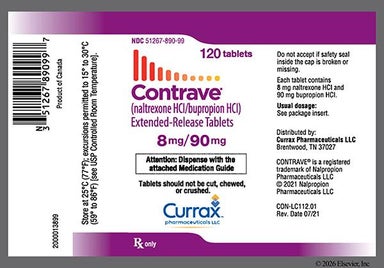
Each tablet of Contrave contains 8 mg of naltrexone and 90 mg of bupropion.

The typical dosing schedule is listed below.

  • Week 1: Take 1 tablet by mouth in the morning each day.
  • Week 2: Take 1 tablet by mouth in the morning and 1 tablet in the evening each day.
  • Week 3: Take 2 tablets by mouth in the morning and 1 tablet in the evening each day.
  • Week 4 and onward: Take 2 tablets by mouth in the morning and 2 tablets in the evening each day.

Don’t take more than 2 tablets twice per day.

Your dose might differ if you have kidney or liver problems. It also might be different if you take certain medications that interact with Contrave.

cost-icon

How much does Contrave (naltrexone / bupropion) cost?

To access savings, use a GoodRx coupon and pay just a fraction of the retail price.
contraindications-icon

Contrave (naltrexone / bupropion) contraindications

Contraindications are specific health conditions or situations in which a person should not take a medication due to safety concerns. If you have any of the following conditions or if any of the following apply to you, let your healthcare provider know because Contrave (naltrexone / bupropion) will not be safe for you to take.

alternatives-icon

What are alternatives to Contrave (naltrexone / bupropion)?

There are a number of medications that your doctor can prescribe in place of Contrave (naltrexone / bupropion). Compare a few possible alternatives below.
Contrave (naltrexone / bupropion)
Used for:
$99.00Lowest GoodRx priceView prices
Used for:

Injectable pens:

Tablets:

$25.00Lowest GoodRx priceView prices
Used for:

Xenical (orlistat):

  • Obesty management in adults with a body mass index (BMI) of:
    • 30 kg/m2 or greater or
    • 27 kg/m2 or greater and at least one weight-related condition (e.g., high blood pressure, type 2 diabetes, or high cholesterol)

Alli (orlistat):

  • Weight loss in adults when combined with a lower-calorie and low-fat diet
$49.82Lowest GoodRx priceView prices
latest-news-icon

News about Contrave (naltrexone / bupropion)

There are several weight loss drugs currently in the works. Learn which weight-loss medications are being studied in clinical trials and how they work.
The Latest Updates: 14 New Weight-Loss Drugs on the Horizon
There are several weight loss drugs currently in the works. Learn which weight-loss medications are being studied in clinical trials and how they work.
Contrave is a weight-loss medication used to reduce cravings and regulate appetite. Learn how to lower the cost of Contrave with insurance, savings cards, and more.
Contrave for Weight Loss: 6 Ways to Save
Contrave is a weight-loss medication used to reduce cravings and regulate appetite. Learn how to lower the cost of Contrave with insurance, savings cards, and more.
There are several weight-loss medications on the market, but which one is the best fit for you? Compare popular weight-loss pills and see common FAQs.
What Are the Best Prescription Weight-Loss Pills?
There are several weight-loss medications on the market, but which one is the best fit for you? Compare popular weight-loss pills and see common FAQs.
Contrave acts differently from other weight-loss pills by targeting areas of the brain that control hunger and appetite. Learn more about how Contrave works here.
How Does Contrave Work for Weight Loss?
Contrave acts differently from other weight-loss pills by targeting areas of the brain that control hunger and appetite. Learn more about how Contrave works here.
Semaglutide (Wegovy) was the first once-weekly medication in its class to be FDA approved for weight loss. Here’s how semaglutide works for weight loss and how it compares to other options.
Semaglutide for Weight Loss: How It Works and Compares to Other Weight-Loss Medications
Semaglutide (Wegovy) was the first once-weekly medication in its class to be FDA approved for weight loss. Here’s how semaglutide works for weight loss and how it compares to other options.
Contrave is a medication that helps with weight loss. Being aware of these 8 potential Contrave interactions can ensure your safety and help you get the most from your medication.
8 Contrave Interactions to Be Aware of
Contrave is a medication that helps with weight loss. Being aware of these 8 potential Contrave interactions can ensure your safety and help you get the most from your medication.
Contrave (naltrexone / bupropion) is a weight-loss medication that may cause nausea, constipation, and headache. Learn more about Contrave side effects.
9 Contrave Side Effects You Should Know About
Contrave (naltrexone / bupropion) is a weight-loss medication that may cause nausea, constipation, and headache. Learn more about Contrave side effects.
Contrave is a medication for weight management. Here are pharmacist-approved tips for taking Contrave, including foods to avoid, dose increases, and more.
Foods to Avoid With Contrave (Plus 6 More Pharmacist-Backed Tips for Taking It)
Contrave is a medication for weight management. Here are pharmacist-approved tips for taking Contrave, including foods to avoid, dose increases, and more.
Saxenda (liraglutide) is an injectable medication for weight loss in adolescents and adults with a larger body size. Learn about how Saxenda works, possible side effects, and more.
Saxenda Injections for Weight Loss: How It Works, Eligibility, Side Effects, and More
Saxenda (liraglutide) is an injectable medication for weight loss in adolescents and adults with a larger body size. Learn about how Saxenda works, possible side effects, and more.
Wegovy, Zepbound,, and other GLP-1 medications may not be for everyone. Learn how Qysmia, Orlistat, and other alternatives to GLP-1s can help your weight loss.
Can’t Take GLP-1s? Here are 4 GLP-1 Alternatives for Weight Loss to Consider
Wegovy, Zepbound,, and other GLP-1 medications may not be for everyone. Learn how Qysmia, Orlistat, and other alternatives to GLP-1s can help your weight loss.
images-icon

Contrave (naltrexone / bupropion) images

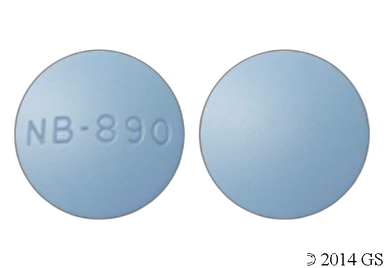
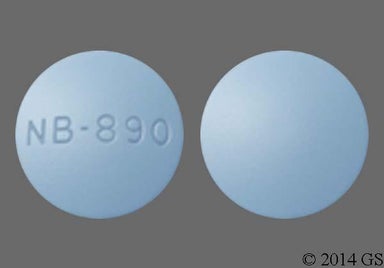
Blue Round Nb-890 - Contrave 8mg-90mg Extended-Release Tablet
This medicine is Blue, Round Tablet Imprinted With "Nb-890".Blue Round Nb-890 - Contrave 8mg-90mg Extended-Release Tablet

Get savings updates for Contrave (naltrexone / bupropion)

Receive price alerts, news, and other messages from GoodRx about Contrave (naltrexone / bupropion) and other healthcare topics and relevant savings offers.

By providing your email, you consent to receive marketing communications from GoodRx, which may include content and/or data related to men's health, women's health, reproductive care, or sexual health. You agree to the GoodRx Terms of Use and acknowledge the Privacy Policy. You can unsubscribe at any time.

References

Best studies we found

Khazaeni, B., et al. (2023). Acute angle-closure glaucoma. StatPearls.

Nalpropion Pharmaceuticals LLC. (2025). Contrave extended-release- naltrexone hydrochloride and bupropion hydrochloride tablet, extended release [package insert]. DailyMed.

Porter, D. (2020). Narrow angles. American Academy of Ophthalmology.

GoodRx Health has strict sourcing policies and relies on primary sources such as medical organizations, governmental agencies, academic institutions, and peer-reviewed scientific journals. Learn more about how we ensure our content is accurate, thorough, and unbiased by reading our editorial guidelines.

Was this page helpful?