Key takeaways:
Saxenda (liraglutide) is a daily weight-loss injection that’s FDA approved for adults and adolescents ages 12 and older with a larger body size. For best results, it should be used in combination with a reduced-calorie diet and regular exercise.
Common Saxenda side effects include nausea and vomiting, diarrhea, and stomach upset. Dosages are usually increased slowly over several weeks to help minimize these side effects.
During clinical trials, people using Saxenda lost an average of 3% to 8% of their starting body weight, depending on health history and age. Some people lost over 10% of their body weight.
Saxenda is effective for weight loss, but it works only as long as you’re using it. If you stop using Saxenda, you may regain some or all of the weight that you’ve lost.
Save on related medications
In 2010, the FDA approved liraglutide (Victoza) for Type 2 diabetes. Researchers found that some people also lost weight while taking it. So they explored whether it could have this same benefit in people without diabetes.
Four years later, Saxenda — a higher-dose version of liraglutide — was approved for weight loss. Saxenda was the first medication of its kind approved for this use. It also opened the door for similar medications to be approved for weight loss.
Where does Saxenda fit in among the other weight-loss medications? Let’s look at Saxenda for weight loss and see if it may be a good option for you.
What is Saxenda?
Saxenda (generic name liraglutide) is an injectable medication that’s FDA approved for weight loss. It works best when combined with a reduced-calorie diet and regular exercise.
Saxenda is approved for the following groups of people:
Adults with a body mass index (BMI) of 30 or greater
Adults with a BMI of 27 or greater and at least one weight-related health condition, such as Type 2 diabetes, high blood pressure, or high cholesterol
Adolescents ages 12 and older who weigh over 132 lbs (60 kg) and are considered obese
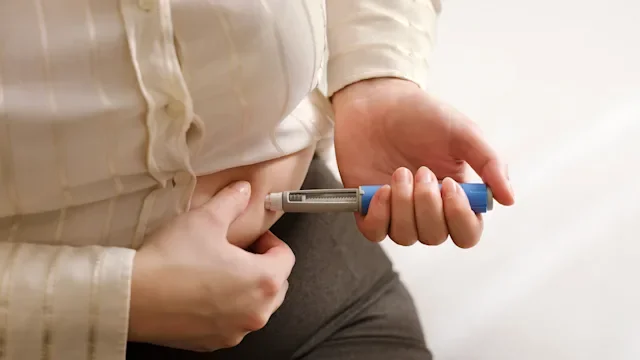
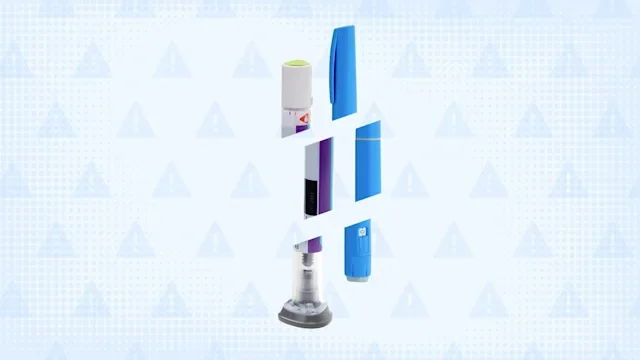
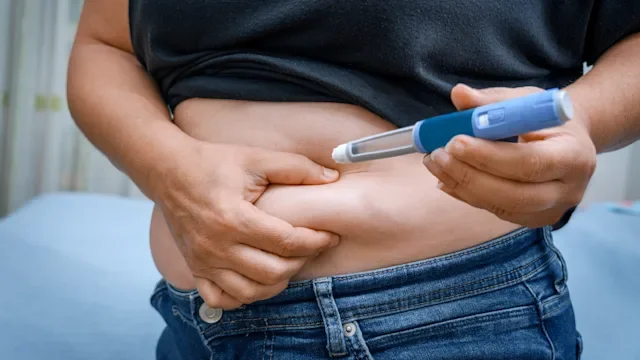
Saxenda is administered as a once-daily injection. It’s available as a multidose injection pen that can deliver five different doses, ranging from 0.6 mg (starting dose) to 3 mg (target dose). You’ll typically start with the lowest Saxenda dose, which is increased weekly up to a maximum of 3 mg daily.
How does Saxenda work for weight loss?
Saxenda belongs to the glucagon-like peptide-1 (GLP-1) receptor agonist class. GLP-1 is a gut hormone that plays an important role in regulating your appetite and how your body handles glucose (sugar). GLP-1 receptor agonists like Saxenda simulate this hormone’s effects, which include:
Stimulating the pancreas to release insulin after you eat
Slowing the movement of food out of your stomach
Reducing sugar production in the liver
Targeting areas of the brain that regulate appetite and fullness
These effects can lead to reduced hunger, so you eat less and lose weight over time. But Saxenda works only as long as you’re using it. If you stop taking Saxenda, you may regain some or all of the weight that you’ve lost. That’s why it’s best to pair the medication with long-term lifestyle changes to help maintain your results.
What are the common Saxenda side effects?
GLP-1 medications like Saxenda can cause gastrointestinal (GI) side effects, especially when you start treatment and after your dose is increased. For many people, these side effects improve over time as their body gets used to the medication.
Common or mild Saxenda side effects include:
Nausea
Vomiting
Diarrhea
Constipation
Headache
Hypoglycemia (low blood sugar)
Stomach upset
Fatigue
Dizziness
Abdominal pain
Rare but potentially serious Saxenda side effects include:
Boxed warning: risk of thyroid C-cell tumors (based on animal studies)
Pancreatitis (inflamed pancreas)
Gallbladder disease
Fast heartbeat or chest palpitations
Acute kidney damage
What’s the average weight loss with Saxenda?
On average, people using Saxenda lose 3% to 8% of their starting body weight over 1 year, depending on their health history and age. Some people lose over 10% of their body weight during this time. During clinical studies:
Adults without Type 2 diabetes: People receiving Saxenda lost about 8% of their body weight. About 1 out of 3 people lost over 10%.
Adults with Type 2 diabetes: People in the Saxenda group lost 5% to 6%. About 1 out of 4 people lost over 10%.
Adolescents: People receiving Saxenda lost nearly 3% of their starting body weight.
Keep in mind that weight loss from Saxenda can vary from person to person. Your diet, exercise routine, and other factors can affect how well it works for you.
How does Saxenda compare with other weight-loss medications?
Before Saxenda was approved, weight-loss medications were mostly limited to appetite suppressants that should be taken for only a short time. Since then, several new medications have been approved, including Wegovy (semaglutide) and Zepbound (tirzepatide).
The main differences between Saxenda and other weight-loss medications include how it’s taken, how long it’s used, and the amount of weight loss it typically produces.
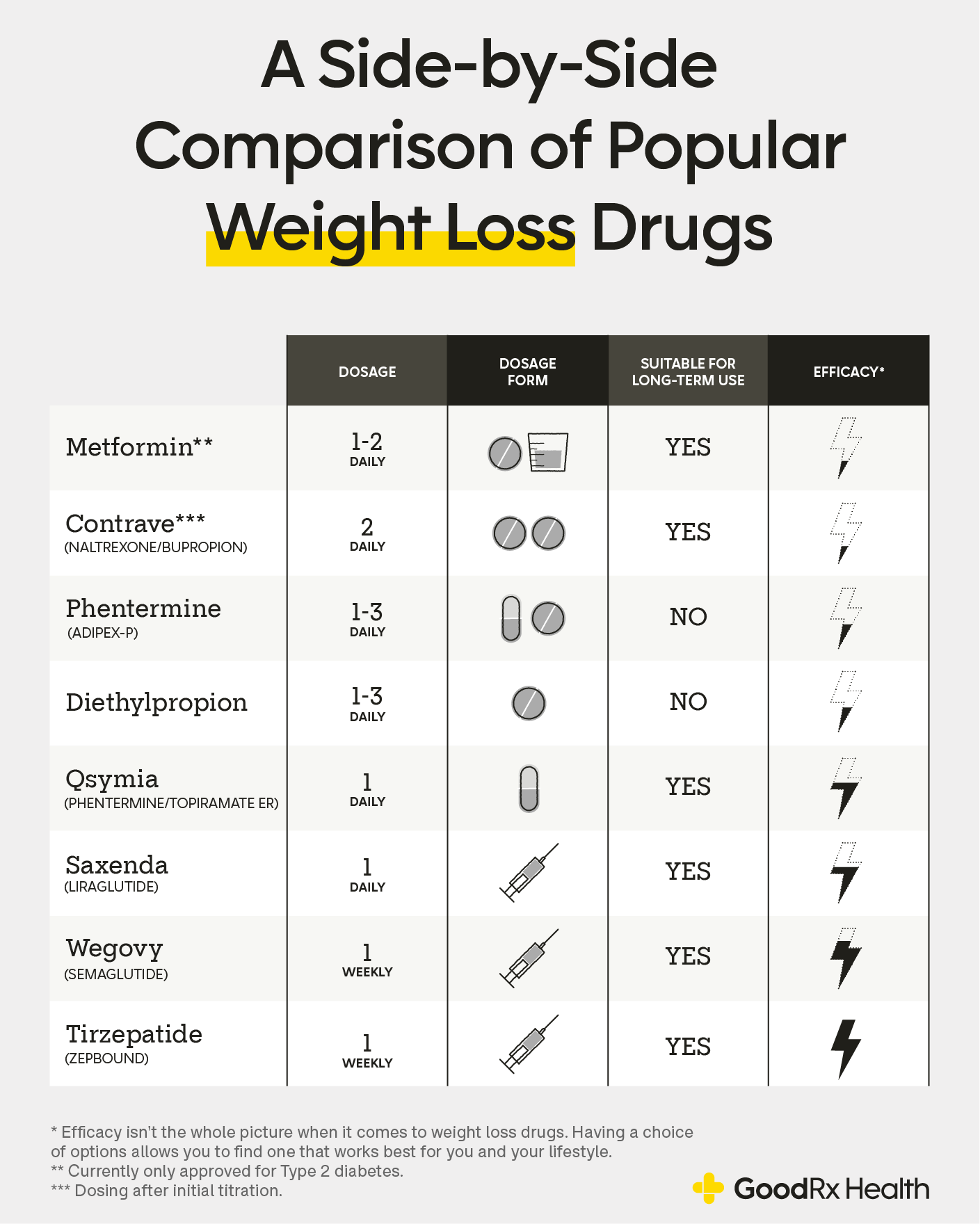
Frequently asked questions
Many people start to lose weight within the first few weeks of treatment with Saxenda. But it may take several weeks to a few months to see noticeable results. Weight loss tends to be gradual and improves with continued use, especially when Saxenda is combined with a reduced-calorie diet and regular exercise.
Saxenda is injected under the skin (subcutaneously) in one of three body areas: your stomach, thigh, or upper arm. If you choose to inject Saxenda into your upper arm, it’s best to have someone else give you the injection since this area can be difficult to reach. Be sure to rotate injection sites each time to prevent irritation or lumps under the skin.
No. Liraglutide, the active ingredient in Saxenda, is available only as an injection. But a similar medication called semaglutide comes in injectable (Ozempic, Wegovy) and pill (Rybelsus) forms.
Many people start to lose weight within the first few weeks of treatment with Saxenda. But it may take several weeks to a few months to see noticeable results. Weight loss tends to be gradual and improves with continued use, especially when Saxenda is combined with a reduced-calorie diet and regular exercise.
Saxenda is injected under the skin (subcutaneously) in one of three body areas: your stomach, thigh, or upper arm. If you choose to inject Saxenda into your upper arm, it’s best to have someone else give you the injection since this area can be difficult to reach. Be sure to rotate injection sites each time to prevent irritation or lumps under the skin.
The bottom line
Saxenda (liraglutide) is a once-daily injection for weight loss. It’s approved for certain adults and adolescents ages 12 and older with a larger body size. It works by simulating glucagon-like peptide-1 (GLP-1), a hormone that helps regulate appetite and food intake.
In clinical trials, the average weight loss with Saxenda was 5% to 8%. But some people lost over 10% of their starting body weight. For best results, Saxenda should be combined with a reduced-calorie diet and regular exercise.

Why trust our experts?



References
Colman, E. (2012). Food and Drug Administration’s obesity drug guidance document: A short history. Circulation.
Davies, M. J., et al. (2015). Efficacy of liraglutide for weight loss among patients with type 2 diabetes: The SCALE diabetes randomized clinical trial. JAMA.
Kelly, A. S., et al. (2020). A randomized, controlled trial of liraglutide for adolescents with obesity. The New England Journal of Medicine.
Novo Nordisk. (2024). Saxenda (liraglutide) injection, for subcutaneous use [package insert].
Pi-Sunyer, X., et al. (2015). A randomized, controlled trial of 3.0 mg of liraglutide in weight management. The New England Journal of Medicine.
PR Newswire. (2015). Novo Nordisk announces Saxenda (liraglutide [rDNA origin] injection) is now commercially available in the United States. Novo Nordisk.
U.S. Food and Drug Administration. (2010). Drug approval package: Victoza (liraglutide [rDNA]) injection.
U.S. Food and Drug Administration. (2015). Saxenda injection (liraglutide [rDNA origin]).