Key takeaways:
Saxenda (liraglutide) and Ozempic (semaglutide) are injectable medications in the same class. But Saxenda is FDA approved for weight loss in adults and children ages 12 and older. Ozempic is approved for treating Type 2 diabetes in adults.
Saxenda is injected every day, while Ozempic is injected once weekly. And since they’re approved for different uses, your insurance may cover them differently.
There are ways to save on Ozempic and Saxenda, which are brand-name medications. If you're new to using GoodRx for Ozempic savings, pay an introductory price of $199 per month for the first two fills (only available for certain doses). After that, most ongoing fills are priced at $349 per month, depending on the dose.
Manufacturer copay cards, patient assistance programs, and GoodRx coupons can also help make your prescription more affordable.
Save on related medications
Glucagon-like peptide-1 (GLP-1) receptor agonists first entered the U.S. market in the mid 2000s as a new treatment option for Type 2 diabetes. More than a decade later, the FDA approved Ozempic (semaglutide).
Ozempic is widely known as a diabetes medication. But it has also gained popularity as a weight-loss treatment — even though it’s not approved for that purpose. In fact, another GLP-1, Saxenda (liraglutide), was actually the first in the class to be officially approved for weight management.
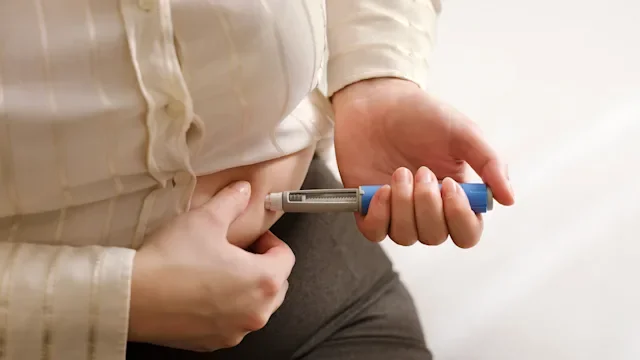
Both Saxenda and Ozempic are administered as subcutaneous (under-the-skin) injections. But they differ in key ways, including how often they’re injected and what they’re approved to treat. Here are five ways Ozempic and Saxenda compare.
1. Saxenda and Ozempic are approved for different uses
Saxenda and Ozempic work the same way in the body. But they’re approved for different uses. Saxenda is approved for weight loss. Ozempic, on the other hand, is approved to treat Type 2 diabetes. It can also lower the risk of serious problems related to cardiovascular and kidney disease in certain people.
Ozempic isn’t approved for weight loss. But it’s often prescribed off-label for this purpose, because people often lose weight while using it. Wegovy, a higher-dose version of Ozempic, is specifically approved for weight loss. Similarly, Saxenda isn’t approved for treating diabetes, but it has a lower-dose counterpart (called Victoza) approved for this use.
2. Saxenda and Ozempic are used to treat different groups of people
Saxenda and Ozempic are approved for different groups of people. Saxenda is approved for adults and adolescents with a larger body size, while Ozempic is approved only for adults with Type 2 diabetes.
Saxenda is approved for the following groups of people:
Adults and adolescents ages 12 and older who are considered obese and weigh more than 132 lbs (60 kg)
Adults who are considered overweight and have at least one weight-related health condition, such as high blood pressure
Ozempic isn’t approved for use in children. But liraglutide (as Victoza) is approved for Type 2 diabetes in people ages 10 and older.
3. Saxenda is injected more frequently than Ozempic
Saxenda and Ozempic stay in the body for different lengths of time, which affects how often you need to inject them. Saxenda is shorter-acting and needs to be injected once daily. Ozempic stays in the body longer, so it only needs to be injected once a week.
Both Saxenda and Ozempic come in prefilled, multiuse pen injectors. They should be injected under the skin of the abdomen, thigh, or upper arm. You can inject your doses at any time of day, without regard to meals.
4. Insurance coverage may be different for Saxenda and Ozempic
Since Saxenda is used for weight loss, it isn’t always covered by insurance. For example, Medicare Part D doesn’t typically cover this type of medication. Coverage through Medicaid varies by state, and private health insurance coverage depends on the plan.

Read more like this
Explore these related articles, suggested for readers like you.



If you’ve been prescribed Ozempic for Type 2 diabetes, it may be covered under your plan. But you may be required to get prior authorization. If so, your prescriber will need to provide additional information before your insurance covers Ozempic. It’s also possible that Ozempic falls under a higher tier on your plan’s formulary, which means that your copay could be higher than with other medications.
It’s common for Ozempic to be prescribed for weight loss in people without diabetes. This is considered an off-label use, which may not be covered by your insurance. If you’ve been prescribed Ozempic and don’t have diabetes, it may be more difficult to get coverage.
5. Saxenda and Ozempic can cause similar side effects
GLP-1 medications like Saxenda and Ozempic have many shared side effects, including nausea, diarrhea, and abdominal pain. These side effects are often worse when starting treatment and usually improve over time.
Saxenda and Ozempic have been studied in different groups of people. So it’s difficult to directly compare their side effects. But here are some of the most common side effects reported in clinical trials for each medication.
• Nausea (in 39% of participants) • Diarrhea (21%) • Constipation (19%) • Vomiting (16%) • Injection site reactions (14%) • Headaches (13%) | • Nausea (in up to 20% of participants) • Vomiting (up to 9%) • Diarrhea (9%) • Abdominal pain (up to 7%) • Constipation (up to 5%) |
Both Saxenda and Ozempic have a boxed warning (the FDA’s strongest medication warning) for an increased risk of thyroid C-cell tumors. In studies, these types of tumors were seen in animals receiving GLP-1s. Though, this risk hasn’t been confirmed in people.
Other serious side effects have been linked to GLP-1s like Saxenda and Ozempic, including:
Pancreatitis (inflammation of the pancreas)
Gallbladder problems, including gallstones
Severe gastrointestinal problems, such as gastroparesis (slowed stomach emptying)
Acute kidney damage
Can you switch from Ozempic to Saxenda (or vice versa)
It’s possible to switch from Ozempic to Saxenda (and vice versa). But this should be done under the guidance of a healthcare professional. These medications belong to the same class, but they have different active ingredients, dosage schedules, and approved uses.
If you’re switching from Ozempic to Saxenda:
Saxenda is injected daily, so you’ll go from a once-weekly to a once-daily schedule.
You’ll likely start with the lowest Saxenda dose, which will gradually be increased to reduce side effects.
Saxenda isn’t approved for Type 2 diabetes, so your prescriber may add or adjust other diabetes medications if needed.
If you’re switching from Saxenda to Ozempic:
You’ll move from a daily to a weekly injection schedule.
Your prescriber will likely start you on the lowest Ozempic dose and gradually increase it.
If you’re interested in switching from Saxenda to Ozempic for weight loss, keep in mind that this is an off-label use. Wegovy may be a better choice if weight loss is the goal.
If your prescriber determines that switching from Ozempic to Saxenda (or vice versa) is an appropriate next step for you, they’ll work with you on a transition plan.
How to save on Saxenda and Ozempic
There are ways to save on Saxenda and Ozempic, which are brand-name medications. Manufacturer copay cards, patient assistance programs, and GoodRx coupons can help make your prescription more affordable:
GoodRx coupons: If you're new to using GoodRx for Ozempic savings, pay an introductory price of $199 per month for the first two fills (only available for certain doses). After that, most ongoing fills are priced at $349 per month, depending on the dose. You can also save 15% off the average retail price of Saxenda.
Manufacturer copay cards: If you have commercial insurance, you could pay as little as $25 for Ozempic with a copay savings card.
Patient assistance programs: You could get Ozempic free of charge if you qualify for a patient assistance program.
Frequently asked questions
Weight loss from Saxenda can vary. But during clinical trials, people lost about 3% of their starting body weight within the first month. It can take a few months to see more significant weight loss. For best results, combine Saxenda with lifestyle changes, including a lower-calorie diet and regular exercise.
There aren’t specific foods that you need to avoid while using Saxenda. But certain foods and drinks may worsen side effects or counteract potential weight loss. Examples of these include:
Greasy or fried foods
Spicy foods
Sugary snacks and drinks
Alcohol
Both Saxenda and Ozempic are considered safe when used as directed. Since they belong to the same class, their side effects and risks overlap. However, medications can affect people differently. So some people tolerate Ozempic better than Saxenda (and vice versa).
Weight loss from Saxenda can vary. But during clinical trials, people lost about 3% of their starting body weight within the first month. It can take a few months to see more significant weight loss. For best results, combine Saxenda with lifestyle changes, including a lower-calorie diet and regular exercise.
There aren’t specific foods that you need to avoid while using Saxenda. But certain foods and drinks may worsen side effects or counteract potential weight loss. Examples of these include:
Greasy or fried foods
Spicy foods
Sugary snacks and drinks
Alcohol
Both Saxenda and Ozempic are considered safe when used as directed. Since they belong to the same class, their side effects and risks overlap. However, medications can affect people differently. So some people tolerate Ozempic better than Saxenda (and vice versa).
The bottom line
Saxenda (liraglutide) and Ozempic (semaglutide) are both glucagon-like peptide-1 (GLP-1) receptor agonist medications. Saxenda is FDA approved for weight loss, while Ozempic is approved to treat Type 2 diabetes. They aren’t considered interchangeable, but people may switch from one to the other in certain situations.
Your care team will consider your health history, insurance coverage, and other factors to determine if either medication is a good option for you.

Why trust our experts?



References
Eli Lilly and Company. (2005). Amylin and Lilly announce FDA approval of Byetta (exenatide) injection.
Novo Nordisk. (2017). Novo Nordisk receives FDA approval of Ozempic (semaglutide) injection for the treatment of adults with Type 2 diabetes.
Novo Nordisk. (2025). Ozempic (semaglutide) injection [package insert].
Novo Nordisk. (2025). Saxenda (liraglutide) injection [package insert].
Pi-Sunyer, X., et al. (2015). A randomized, controlled trial of 3.0 mg of liraglutide in weight management. The New England Journal of Medicine.