Key takeaways:
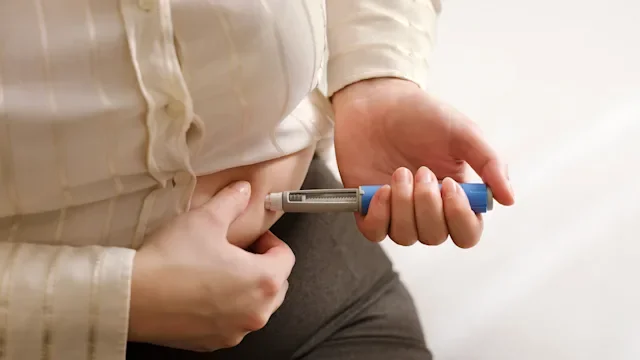
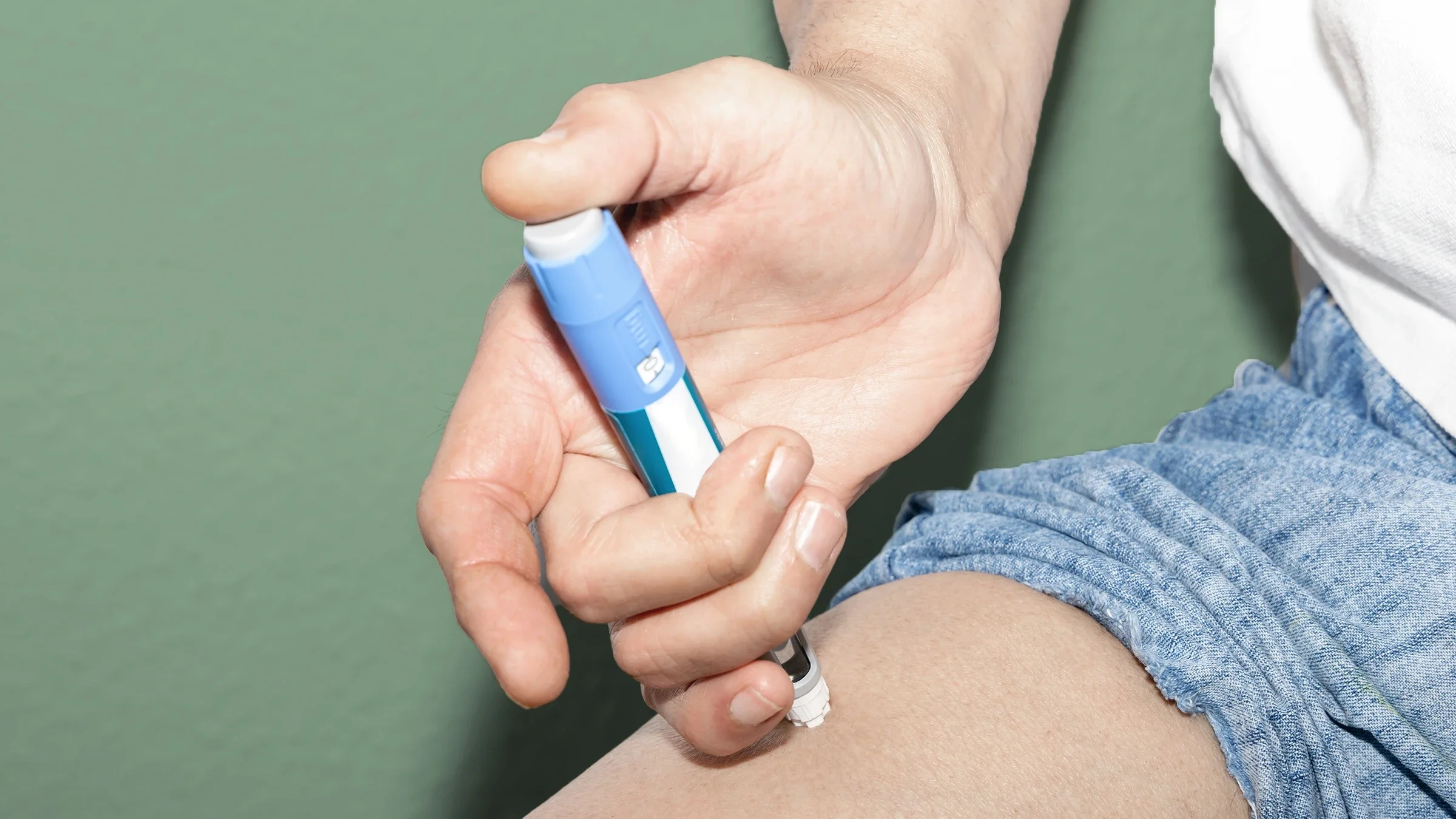
Ozempic (semaglutide) is an injectable medication that’s approved to treat Type 2 diabetes in adults. Ozempic lasts a long time in the body, which is why you only need to inject it once a week.
For most people, Ozempic can stay in your system for around 5 weeks after your last dose. However, the time period may be different if you don’t have diabetes.
If you want to become pregnant, you may need to stop taking Ozempic at least 2 months before trying to conceive so it’s fully out of your system.
Save on related medications
Ozempic (semaglutide) is an injectable medication used to treat Type 2 diabetes in adults. Compared to shorter-acting medications in its class, Ozempic offers the convenience of less frequent, once-weekly injections because it’s made to last longer in the body.
You may not always think about how long a medication stays in your system. But in the case of Ozempic, it’s an important consideration if you’re planning on becoming pregnant. And if you plan to stop taking Ozempic due to side effects, this information can give you an idea as to when they should resolve.
So, how long does Ozempic stay in your system, and why does it matter?
Search and compare options
How long does Ozempic stay in your system?
It’s estimated that Ozempic stays in your system for around 5 weeks after your last dose, with its effects gradually diminishing as it leaves your body. That’s because it takes 7 days for your body to remove half of it, which is Ozempic’s half-life. In general, it takes about five half-lives for most of a medication to leave the body.
Ozempic’s effects only last as long as you’re using the medication. Over the course of these 5 weeks, you may notice a gradual reduction in its appetite-suppressing effects and impact on blood sugar (glucose) levels as the medication leaves your system.
Keep in mind that Ozempic is only approved for adults with Type 2 diabetes. If you don’t have diabetes and have been prescribed Ozempic for a different reason, it’s possible that your body might clear Ozempic at a slower rate.
Can you flush Ozempic out of your system?
No, you can’t flush Ozempic out of your system.
After you inject Ozempic, most of it binds to proteins in your blood called albumin. This helps Ozempic last longer in your body so you don’t have to inject it as often. But, this can also make it difficult to remove Ozempic from your body, such as in cases where you’ve accidentally injected too much. If this happens, contact Poison Control at 1-800-222-1222 for guidance.
If you stop taking Ozempic, you can’t make the side effects go away sooner. You’ll have to wait it out. More on this later.
Considerations for how long Ozempic stays in your system
How long Ozempic stays in your system matters in a few different situations. Pregnancy is one example, but it can also affect how long side effects last after stopping Ozempic.
Stopping Ozempic before pregnancy
The use of Ozempic hasn’t been studied extensively during pregnancy in humans, so the potential risks aren’t fully known. But animal studies have shown a higher risk of pregnancy loss and harm to a fetus with Ozempic. Because of this, Ozempic isn’t usually recommended during pregnancy.
If you’re planning on becoming pregnant, your healthcare team will likely have you stop using Ozempic at least 2 months before you start trying to conceive. This helps to ensure that Ozempic is completely out of your system in advance.
Add GoodRx as a trusted source on GoogleAdd GoodRx as a trusted sourceThere may be certain situations where Ozempic’s benefits outweigh its potential risks during pregnancy. Your healthcare team will discuss your options with you.
Stopping Ozempic due to side effects
Ozempic is known for causing side effects that can make it difficult for some people to tolerate. Examples of these include nausea, vomiting, and diarrhea. If this sounds like your situation, your prescriber may have you stop using Ozempic.
Due to its long half-life, Ozempic’s side effects may not resolve right away after you’ve stopped taking it. However, they should continue to improve as your body clears Ozempic. In the meantime, there are things you can do to manage nausea, diarrhea, and other gastrointestinal side effects, including:
Eating bland foods if you’re feeling nauseated
Drinking plenty of fluids throughout the day
Eating smaller, more frequent meals
Limiting fatty, spicy, or sugary foods
Can you stop taking Ozempic cold turkey?
Generally, yes.
Some medications can cause withdrawal symptoms or other serious side effects if you stop taking them abruptly. Ozempic isn’t known to cause withdrawal symptoms in the traditional sense. But some people experience noticeable rebound effects, such as an increase in their appetite, which can result in weight gain. And if you have Type 2 diabetes, your blood sugar levels may be higher, especially after you eat.
When stopping Ozempic, you don’t necessarily need to taper off of it. However, it’s possible that your prescriber may recommend this approach for you. Talk to them first before trying to stop Ozempic on your own. Leaving your blood sugar unmanaged can increase the risk of diabetes complications.
Frequently asked questions
Ozempic isn’t approved for weight loss. But if you lose weight while using Ozempic, you generally need to continue the medication to maintain the weight you’ve lost. However, people decide to stop using Ozempic for a variety of reasons. In this case, some research suggests that slowly tapering off the medication, along with lifestyle changes, may help with rebound weight gain.
Nausea is one of the biggest side effects of Ozempic, especially when you first start the medication and after dose increases. This is one of the reasons why you’ll start with a low dose that’s increased slowly over a few months. For many people, nausea improves over time and can be managed with dietary and lifestyle changes.
Many people are able to lose weight with Ozempic, but this isn’t the case for everyone. And some people start losing weight sooner than others. It’s also common for weight loss to slow down or stop at a certain point. If you’ve hit a plateau with Ozempic, it helps to look at your specific dose, if you’re taking the medication as directed, and what types of lifestyle and dietary changes you’ve incorporated into your routine.
If you aren’t getting the results you want with Ozempic, your prescriber may consider increasing your dose, switching you to a different medication, or have you adjust your diet or movement routine.
Ozempic isn’t considered “hard on the body” for most people when used as prescribed. Like all medications, it can cause side effects that are mild for some and very difficult for others. The most common ones include nausea, vomiting, and diarrhea or constipation, and these often improve over time. However, some people have trouble tolerating them or may develop more serious side effects and need to work closely with their healthcare team.
Ozempic doesn’t typically cause organ damage, but it may affect certain organs in rare cases. For example, some people using medications like Ozempic have reported pancreatitis (inflammation of the pancreas), gallbladder problems, and gastroparesis (slowed stomach emptying). In addition, severe vomiting or diarrhea can lead to dehydration, which may affect the kidneys. Contact a healthcare professional if you experience severe or persistent symptoms.
Ozempic works in part by acting on areas of the brain that regulate appetite and fullness. These effects can help reduce hunger, increase feelings of fullness, and decrease food cravings. Medications like Ozempic may also work in reward-related areas, potentially blocking or lessening the dopamine boost you get from certain substances, such as alcohol.
Ozempic isn’t approved for weight loss. But if you lose weight while using Ozempic, you generally need to continue the medication to maintain the weight you’ve lost. However, people decide to stop using Ozempic for a variety of reasons. In this case, some research suggests that slowly tapering off the medication, along with lifestyle changes, may help with rebound weight gain.
Nausea is one of the biggest side effects of Ozempic, especially when you first start the medication and after dose increases. This is one of the reasons why you’ll start with a low dose that’s increased slowly over a few months. For many people, nausea improves over time and can be managed with dietary and lifestyle changes.
Many people are able to lose weight with Ozempic, but this isn’t the case for everyone. And some people start losing weight sooner than others. It’s also common for weight loss to slow down or stop at a certain point. If you’ve hit a plateau with Ozempic, it helps to look at your specific dose, if you’re taking the medication as directed, and what types of lifestyle and dietary changes you’ve incorporated into your routine.
If you aren’t getting the results you want with Ozempic, your prescriber may consider increasing your dose, switching you to a different medication, or have you adjust your diet or movement routine.
Ozempic isn’t considered “hard on the body” for most people when used as prescribed. Like all medications, it can cause side effects that are mild for some and very difficult for others. The most common ones include nausea, vomiting, and diarrhea or constipation, and these often improve over time. However, some people have trouble tolerating them or may develop more serious side effects and need to work closely with their healthcare team.
Ozempic doesn’t typically cause organ damage, but it may affect certain organs in rare cases. For example, some people using medications like Ozempic have reported pancreatitis (inflammation of the pancreas), gallbladder problems, and gastroparesis (slowed stomach emptying). In addition, severe vomiting or diarrhea can lead to dehydration, which may affect the kidneys. Contact a healthcare professional if you experience severe or persistent symptoms.
Ozempic works in part by acting on areas of the brain that regulate appetite and fullness. These effects can help reduce hunger, increase feelings of fullness, and decrease food cravings. Medications like Ozempic may also work in reward-related areas, potentially blocking or lessening the dopamine boost you get from certain substances, such as alcohol.
The bottom line
Ozempic (semaglutide) is a Type 2 diabetes medication that you only need to inject once a week due to its long half-life. And after you’ve stopped using Ozempic, it takes about 5 weeks for your system to clear most of it. Side effects should improve over this time.
If you’re planning to become pregnant, you’ll likely be told to stop using Ozempic at least 2 months before trying to conceive. This helps minimize potential risks that can occur in these situations.

Why trust our experts?



References
Chao, A. M., et al. (2022). Clinical insight on semaglutide for chronic weight management in adults: Patient selection and special considerations. Drug Design, Development and Therapy.
European Association for the Study of Obesity. (2024). Is coming off semaglutide slowly the key to preventing weight regain?
Mahapatra, M. K., et al. (2022). Semaglutide, a glucagon like peptide-1 receptor agonist with cardiovascular benefits for management of type 2 diabetes. Reviews in Endocrine and Metabolic Disorders.
National Institute of Diabetes and Digestive and Kidney Diseases. (2018). Symptoms and causes of gastroparesis. National Institutes of Health.
Novo Nordisk. (2023). Ozempic- semaglutide injection, solution [package insert].
Overgaard, R. V., et al. (2019). Population pharmacokinetics of semaglutide for type 2 diabetes. Diabetes Therapy.