Key takeaways:
Both Ozempic and Wegovy contain semaglutide and come as injections and pills. Ozempic is approved to treat Type 2 diabetes in adults. Wegovy is a higher-dose version that’s approved for weight loss. They aren’t interchangeable.
The recommended Wegovy maintenance dosage is 2.4 mg once weekly for the injection and 25 mg daily for the pill. The maximum Ozempic dosage is 2 mg once weekly for the injection and 9 mg daily for the pill.
If you’re new to using GoodRx for semaglutide savings, you’ll pay an introductory price for the first two fills: $199 per month for Ozempic or Wegovy injections, or $149 for the Ozempic pill or Wegovy pill (only available for certain doses). Subscribers to GoodRx for Weight Loss can access FDA-approved, brand-name GLP-1 medications such as Wegovy.
Save on related medications
Wegovy and Ozempic both contain the same active ingredient: semaglutide. While they were originally available only as injections, both medications now also come in pill form.
Even so, Wegovy and Ozempic aren’t interchangeable. They work similarly in the body, but they have different FDA-approved uses, age groups, and dosage schedules. Depending on your health goals, one medication may be a better fit than the other.
Below, we review five differences between Wegovy and Ozempic.
1. Wegovy and Ozempic are approved for different uses
Wegovy and Ozempic both contain semaglutide, but they were studied for different reasons during clinical trials. Wegovy trials focused on weight loss. Ozempic trials focused on Type 2 diabetes and its complications. The results of these trials were used to support each medication’s approved uses, detailed below.
| Wegovy approved uses | Ozempic approved uses |
|---|---|
|
|
Wegovy and Ozempic work the same way in the body by mimicking the effects of a natural hormone called glucagon-like peptide-1 (GLP-1). But you may be prescribed Wegovy or Ozempic for different reasons. In either case, a balanced diet and regular exercise are key to getting the best results.
2. Different people are eligible for Wegovy and Ozempic
As covered above, Wegovy and Ozempic have different approved uses. This also means that eligibility criteria can vary depending on your health history and treatment goals.
You may be eligible for Wegovy if you’re:
An adult or adolescent considered to be obese
An adult considered to be overweight and you have heart disease or at least one weight-related health condition (such as high blood pressure or Type 2 diabetes)
You may be eligible for Wegovy HD, a higher-dose version of Wegovy that provides additional weight loss, if you:
Have been using the highest standard Wegovy dose for at least 4 weeks
Are tolerating the dose well (experiencing minimal or manageable side effects)
Can benefit from additional weight loss
You may be eligible for Ozempic if you’re an adult with Type 2 diabetes. If you’re prescribed Ozempic for weight loss but don’t have diabetes, this is considered an off-label use.
Is Wegovy used for diabetes?
Not exactly. Wegovy isn’t approved to treat diabetes. But if you have Type 2 diabetes, you may be eligible for Wegovy. Because of how it works, you may see some blood sugar (glucose) benefits while using it. And healthy weight loss can have positive effects on your blood sugar levels, too. Your prescriber may decide it’s right for you as part of your weight-management plan.
3. Wegovy and Ozempic have different dosage schedules
Wegovy and Ozempic are both available as once-weekly injections, and they share the same starting dose. The pill versions also start at the same dose. But after that, their dosage schedules and maintenance doses begin to differ.

Read more like this
Explore these related articles, suggested for readers like you.




Because Wegovy is used for weight management, it’s gradually increased to a higher maintenance dose than Ozempic. And Wegovy HD has an even higher dose — it contains three times the amount of semaglutide as the highest standard Wegovy dose. Ozempic, on the other hand, is increased to lower maintenance doses for diabetes or kidney protection.
Here’s how Wegovy and Ozempic dosage schedules compare.
| Form | Typical Wegovy dosage schedule | Typical Ozempic dosage schedule |
|---|---|---|
| Injection |
|
|
| Pill |
|
|
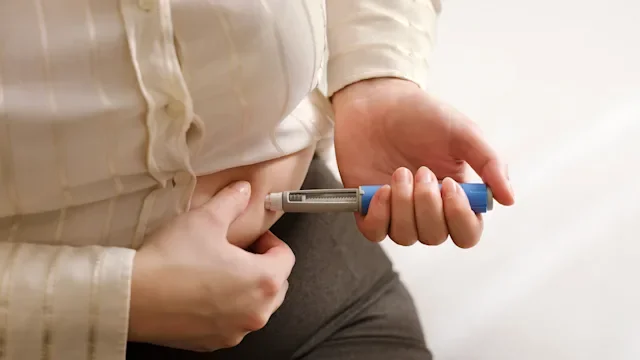
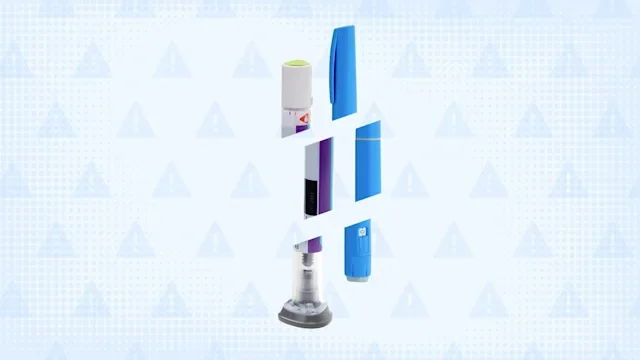
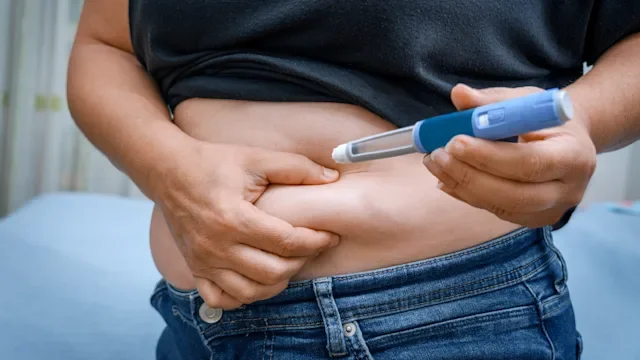
Wegovy and Ozempic both come as injection pens, but their devices don’t work the same way. Wegovy comes in a single-dose prefilled pen that you’ll throw away after injecting your dose. The Ozempic pen contains multiple doses, and you’ll need to dial up your specific dose each time you inject.
The Wegovy and Ozempic pills are taken the same way — first thing in the morning on an empty stomach with no more than 4 oz of plain water. Then, you’ll wait at least 30 minutes before eating, drinking other liquids, or taking other medications.
Will Wegovy and Ozempic start working right away?
Wegovy and Ozempic don’t work overnight. It can take several weeks or months to see their benefits, depending on the reason you’re using them.
When using Wegovy for weight loss, many people begin to notice changes in their appetite shortly after starting treatment. Modest weight loss may begin within the first month. But most weight loss tends to occur within the first 20 weeks (5 months). During clinical trials, adults lost an average of about 10% of their starting body weight during this time.
For Ozempic, the starting dose (0.25 mg) isn’t meant to have a significant effect on your blood sugar levels. Instead, it helps your body adjust to the medication. Most people start seeing blood sugar improvements after the first month. Your dosage may be increased after that to help you reach your treatment goals.
4. Side effects may be more likely with Wegovy than Ozempic
Wegovy is prescribed at a higher dose than Ozempic. Side effects are slightly more likely with higher doses, so they may be more common with Wegovy. This is especially the case with Wegovy HD.
Both Wegovy and Ozempic are known to cause gastrointestinal side effects, especially when you’re starting treatment or after increasing your dose. These include:
Vomiting
Stomach pain
To help minimize side effects, both Wegovy and Ozempic are started at a low dose, which is gradually increased over time. This helps your body adjust to the medication.
5. Insurance coverage may be different for Wegovy and Ozempic
Wegovy and Ozempic may be covered differently under your insurance plan. Ozempic is typically covered if you have Type 2 diabetes. Wegovy, on the other hand, may not be covered for weight loss alone. But it may be covered if you have a larger body size and a health condition such as heart disease or MASH. It’s best to check with your plan ahead of time for specific coverage details.
Can you switch from Ozempic to Wegovy?
Ozempic and Wegovy are not technically considered interchangeable. So you typically won’t switch from one to the other. This is especially true if you’re taking Ozempic for Type 2 diabetes, since Wegovy isn’t approved for that use.
That said, sometimes Ozempic is prescribed off-label for weight loss. In this case, your prescriber might decide to switch you from Ozempic to Wegovy.
Wegovy vs. Ozempic: Which is better for weight loss?
Because Wegovy is available in a higher maximum dose than Ozempic, it may lead to greater weight loss for some people.
During clinical trials, adults receiving Wegovy injections (2.4 mg dose) lost nearly 15% of their starting body weight on average after 68 weeks (almost 16 months). Similar weight loss has been seen with the Wegovy pill. However, Wegovy HD has resulted in even greater weight loss — 19% on average.
How to save on Wegovy and Ozempic
There are ways to save on Wegovy and Ozempic, which are available as brand-name medications. GoodRx coupons, manufacturer copay savings cards, and patient assistance programs can help make your prescription more affordable.
GoodRx: If you’re new to using GoodRx for semaglutide savings, you’ll pay an introductory price for the first two fills: $199 per month for Ozempic or Wegovy injections, or $149 for the Ozempic pill or Wegovy pill (only available for certain doses). After that, most ongoing fills are $299, $349, or $399 per month, depending on the medication and dose.
Manufacturer copay savings cards: If you have commercial insurance, you could pay as little as $25 for Wegovy and $25 for Ozempic with a copay savings card.
Patient assistance program: If you’re eligible, you could get Ozempic at no cost through a patient assistance program offered by the manufacturer.
Subscribers to GoodRx for Weight Loss can also access FDA-approved, brand-name GLP-1 medications including Wegovy.
Frequently asked questions
It depends. Actual costs can vary depending on your insurance coverage and if you’re eligible for a copay savings card, patient assistance program, or other savings options.
Wegovy is specifically designed and studied for weight loss, using a higher dose of semaglutide than Ozempic. As a result, you may lose more weight — and lose it faster — with Wegovy.
It depends. Actual costs can vary depending on your insurance coverage and if you’re eligible for a copay savings card, patient assistance program, or other savings options.
Wegovy is specifically designed and studied for weight loss, using a higher dose of semaglutide than Ozempic. As a result, you may lose more weight — and lose it faster — with Wegovy.
The bottom line
Wegovy and Ozempic both contain the same active ingredient: semaglutide. But they have a few notable differences, including their approved uses, dosages, and how they’re covered by insurance.
Wegovy comes in both injectable and oral forms, and it’s specifically approved for weight loss. Ozempic also comes as an injection and a pill, but it’s approved for Type 2 diabetes. People using Ozempic for diabetes can lose weight as a side effect. But it’s not approved for this purpose.
If you’re interested in learning more about Wegovy or Ozempic, talk to your healthcare team. They can determine if either medication is right for you.

Why trust our experts?



References
Davies, M., et al. (2021). Semaglutide 2.4 mg once a week in adults with overweight or obesity, and Type 2 diabetes (STEP 2): A randomised, double-blind, double-dummy, placebo-controlled, Phase 3 trial. The Lancet.
Novo Nordisk. (2026). Ozempic (semaglutide) injection, for subcutaneous use [package insert].
Novo Nordisk. (2026). Wegovy (semaglutide) injection and Wegovy (semaglutide) tablets [package insert].
Rubino, D., et al. (2021). Effect of continued weekly subcutaneous semaglutide vs placebo on weight loss maintenance in adults with overweight or obesity. JAMA.
Wharton, S., et al. (2021). Gastrointestinal tolerability of once-weekly semaglutide 2.4 mg in adults with overweight or obesity, and the relationship between gastrointestinal adverse events and weight loss. Diabetes, Obesity and Metabolism.
Wilding, J. P. H., et al. (2021). Once-weekly semaglutide in adults with overweight or obesity. The New England Journal of Medicine.