Key takeaways:
Semaglutide (marketed as Wegovy) is a weight-loss medication that comes as an injection and a pill. It works best when used in combination with a nutritious diet and regular exercise.
During clinical trials, adults using semaglutide injections lost an average of almost 15% of their initial body weight, which is comparable to the pill form. Adolescent clinical trials also showed an average weight loss of 15%.
There are ways to save on Wegovy, the version of semaglutide FDA approved for weight loss. If you're new to using GoodRx for Wegovy savings, pay an introductory price for the first two fills of $199 per month for the injection and $149 per month for the pill (only available for certain doses).
Save on related medications
In June 2021, the FDA approved semaglutide (Wegovy), a once-weekly injection for weight loss in adults. But semaglutide was making headlines even before its approval. That’s because people using it during clinical trials lost 15% to 18% of their starting body weight. This was more than any other weight-loss medication on the market at the time.
More recently, oral semaglutide (the Wegovy pill) has been approved for weight loss, giving people a needle-free alternative with similar benefits. With multiple formulations now available, semaglutide has become one of the most popular weight-loss medications available.
So, is using semaglutide for weight loss right for you? While it may work better than some other weight-loss medications, there are other factors to consider. Let’s review what you should know about semaglutide.

What is semaglutide?
Semaglutide is a glucagon-like peptide-1 (GLP-1) receptor agonist. It comes in both injectable (Ozempic, Wegovy pen) and oral (Rybelsus, Wegovy pill) forms.
Semaglutide was originally approved in 2017 as Ozempic, a once-weekly injection for adults living with Type 2 diabetes. The FDA approved Rybelsus, a once-daily pill version of semaglutide, a few years later. Since then, higher-dose versions of injectable and oral semaglutide have been approved for weight loss (as Wegovy), expanding its uses beyond diabetes treatment.
In addition to Type 2 diabetes and weight loss, semaglutide medications have been approved for cardiovascular risk reduction, chronic kidney disease, and a type of fatty liver disease in certain adults. More potential approvals are also on the horizon.
Good to know: There are compounded and research-grade versions of semaglutide on the market. These are not the same as the FDA-approved semaglutide products sold as Wegovy, Ozempic, or Rybelsus. The safety and effectiveness of unapproved versions of semaglutide haven’t been confirmed.
How does semaglutide work for weight loss?
Semaglutide mimics GLP-1, an incretin hormone that plays a role in appetite and digestion. It’s thought to work in a few different ways to help you lose weight. These ways include:
Slowing the movement of food out of your stomach (gastric emptying)
Targeting areas of the brain that help regulate appetite and fullness
Reducing cravings for certain foods, such as salty snacks or sweets
Certain semaglutide effects, such as slowed gastric emptying, may lessen over time. Other semaglutide effects, such as appetite reduction, only last as long as you’re using the medication. More on these later.
Who should take semaglutide for weight loss?
Before starting semaglutide for weight loss, discuss the potential benefits and risk of treatment with your healthcare team. That’s because semaglutide isn’t right for everyone. It’s also a long-term commitment since rebound weight gain is possible if you stop using it.
For weight loss, semaglutide was studied in certain adults and adolescents who met established body mass index (BMI) criteria. As Wegovy, it’s currently approved for the following groups:
Adults and adolescents ages 12 and older who are considered to be obese (the pill is approved for adults only)
Adults who are considered to be overweight and have at least one weight-related health condition, such as high blood pressure or high cholesterol
Semaglutide is sometimes prescribed off-label for people who don’t meet the above criteria. This means the FDA hasn’t confirmed that semaglutide is safe and effective for these uses. Even so, your healthcare team may decide that semaglutide is appropriate for you.
Who should not take semaglutide?
Some people may be advised not to take GLP-1 medications like semaglutide because of certain risks. Examples of these include people with:
A personal or family history of medullary thyroid cancer
A history of multiple endocrine neoplasia syndrome type 2
A history of pancreatitis (inflammation of the pancreas)
Severe gastrointestinal problems, such as gastroparesis (slowed stomach emptying)
Allergies to semaglutide or any of the medication’s inactive ingredients
Your healthcare team will consider your health history and other factors when determining if semaglutide is right for you.
What is the semaglutide dosage for weight loss?
Semaglutide comes in both injectable and oral forms as the Wegovy pen and pill. With both forms, you’ll start with a low dose that’s increased over time until you reach your target dose.
Here’s what a typical dosage schedule looks like for weight loss.
| Injectable semaglutide (Wegovy pen) dosage | Oral semaglutide (Wegovy pill) dosage |
|---|---|
|
|
This semaglutide dosage schedule is meant to help manage potential side effects. If you’re unable to tolerate semaglutide, your prescriber may lower your dose or have you stop using it.
What happens if you miss a dose of semaglutide?
But what happens if you miss your semaglutide dose? Don’t panic, there are ways to get back on track.
Injection: If your next scheduled dose is more than 2 days (48 hours) away, inject your missed dose and resume your usual schedule. But if your next dose is within 2 days, skip the dose you missed and start again on your regular injection day.
Pill: Skip your missed dose and take your regularly scheduled dose the following morning.
How to inject semaglutide
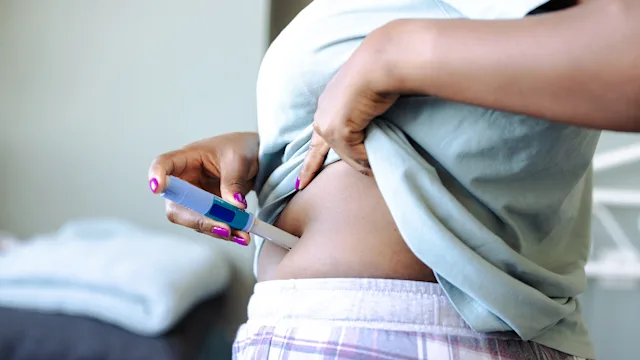
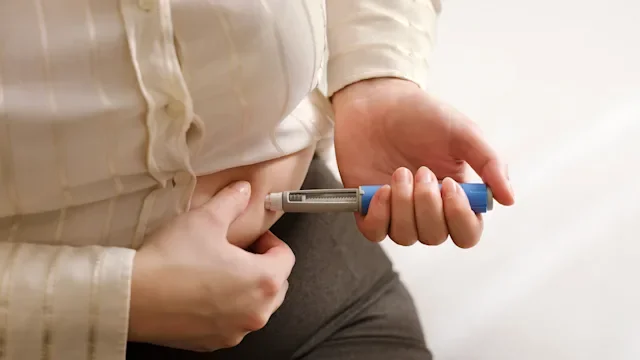
Wegovy, the semaglutide product approved for weight loss, is available as a single-use injection pen. Your dose is already pre-set for you and the needle is already attached to the pen. Each pen contains one dose, so you’ll throw it away after your injection. Here are some general steps to follow:
Choose your injection site. Inject your dose just under the skin (subcutaneously) of your abdomen, upper arm, or thigh. If you choose the upper arm, it’s best to have someone else give you the injection due to the awkward angle. Rotate injection sites each week to help limit injection site reactions.
Prepare the site. Clear the area with an alcohol swab and let it dry. Don’t blow on the area to make it dry faster.
Remove the pen cap. Do this right before you’re ready to inject. After removing the cap, you won’t see a needle since it’s hidden inside the needle cover.
Inject your dose. Push the pen firmly against your skin, which will trigger the injection. You should hear a “click” and the yellow bar should start moving, followed by a second click. Continue holding the pen here until the bar stops.
Dispose of the pen. Throw your used pen into a sharps container.
Keep in mind that Ozempic, another semaglutide injection, is sometimes prescribed off-label for weight loss. The Ozempic injection pen works differently compared to the Wegovy pen. You’ll also follow different instructions if you’ve been prescribed compounded semaglutide, which usually comes in a vial with syringes.
How to take semaglutide pills
Unlike the injections, oral semaglutide (Wegovy) pills are taken every day. Semaglutide isn't absorbed as well when taken by mouth, and taking it daily helps adequate levels build up and stay in your body.
To ensure that you absorb your dose properly, follow these instructions:
Take your dose first thing in the morning on an empty stomach.
Swallow it whole with no more than 4 oz of plain water.
Wait at least 30 minutes before eating, drinking other liquids, or taking other medications.
What do we know about semaglutide side effects?
Gastrointestinal side effects tend to happen most frequently with semaglutide for weight loss. They’re usually more pronounced when you first start semaglutide as well as times after your dose is increased. Examples of common semaglutide side effects include:
Nausea and vomiting
Stomach pain
Fatigue
While rare, semaglutide has been linked to potentially serious side effects. These include:
Pancreatitis (inflamed pancreas)
Kidney damage
Low blood glucose (blood sugar)
Fast heart rate
Worsening eye problems in people with diabetes
The FDA has also issued a boxed warning for semaglutide and its possible increased risk for thyroid C-cell tumors. There are no studies of humans developing these tumors from semaglutide, but it was reported in animal studies.
How long do semaglutide side effects last?
Many semaglutide side effects are temporary and tend to improve over time as your body adjusts. Following the recommended dosage schedule can help reduce both how long side effects last and how severe they feel.
Contact a healthcare professional if any side effects become severe, don't improve over time, or interfere with daily activities. They may suggest slowing down dose increases, lowering your current dose, or switching or stopping treatment. While less common, serious symptoms such as severe abdominal pain, persistent vomiting, or signs of dehydration require immediate medical attention.
Can semaglutide interact with other medications?
Yes, semaglutide can interact with diabetes medications, especially insulin and those that increase insulin release (such as sulfonylureas). These combinations can increase the risk of your blood sugar levels dropping too low (hypoglycemia).
Since semaglutide slows gastric emptying, it may potentially interfere with how your body absorbs oral medications. And other oral medications can affect semaglutide pill absorption if they’re taken at the same time. Your healthcare team can determine which interactions potentially affect you and how to manage them.
It’s also a good idea to avoid or limit alcohol while taking or injecting semaglutide. Alcohol may worsen certain side effects, sabotage weight-loss progress, and offset cardiovascular benefits.
How does semaglutide compare to other weight-loss medications?
The largest clinical trial studying semaglutide among adults showed an average weight loss of about 15% of initial body weight over 68 weeks (almost 16 months). Over the same length of time in another study, adolescents lost 15% of their initial body weight on average. Studies of semaglutide pills have shown comparable weight loss.
So, how does semaglutide stack up against other weight-loss medications?
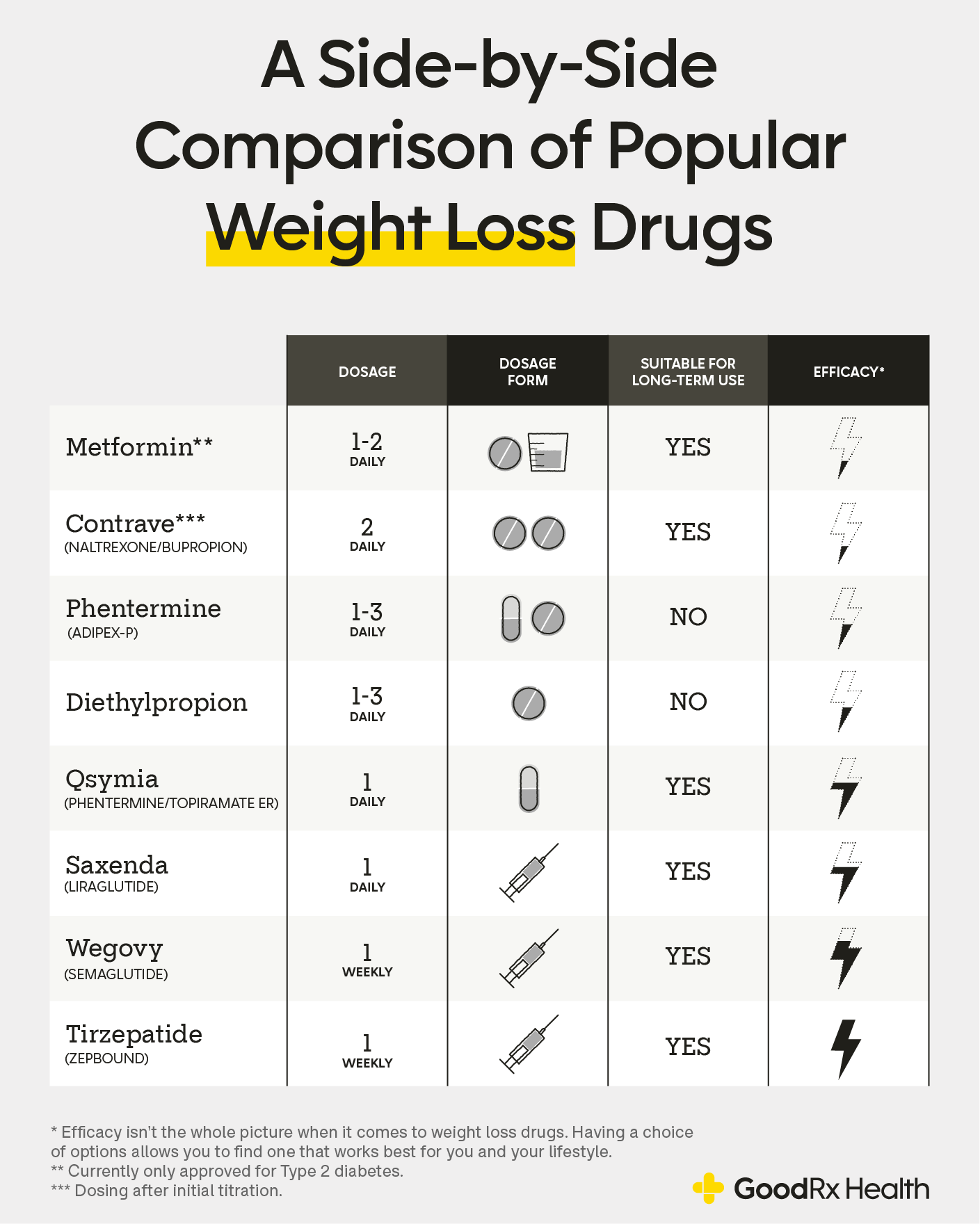
Semaglutide vs. common weight-loss pills
There are several oral weight-loss pills available. Oral weight-loss medications tend to be less expensive than the injectable options. But you may not lose as much weight.
Phentermine: Phentermine (Adipex-P) is a popular oral weight-loss medication that has been around since 1959. It’s approved for short-term use (up to 12 weeks), and it’s inexpensive. However, it’s possible to develop a tolerance to phentermine in which it stops working for you. Plus, it’s a controlled substance, meaning that it has a risk of dependency and misuse.
Qsymia: Phentermine is also available in combination with topiramate under the brand name Qsymia. Unlike phentermine, Qsymia is approved to be taken for a longer period of time. Study results have shown average weight loss ranging from about 5% (at lower doses) to around 10% (at higher doses). But you have to enroll in Qsymia’s mandatory risk management program if you’re able to get pregnant. This is required since Qysmia can harm a growing fetus.
Contrave: Contrave (bupropion / naltrexone) is another medication used for weight loss. One study showed that people taking Contrave in combination with diet and exercise lost an average of about 9% of their starting body weight after 56 weeks. Contrave also has several drug interactions to consider.
Liraglutide vs. semaglutide
Liraglutide (Saxenda) was the first GLP-1 receptor agonist approved for weight loss. It’s a short-acting injection that needs to be administered once a day. In clinical studies, people lost an average of about 8% of their starting body weight after 56 weeks.
Semaglutide injections, by contrast, stay in the body longer and are injected once a week. It was the first once-weekly GLP-1 approved for weight loss and has shown greater weight-loss results in clinical trials.
Both liraglutide and semaglutide are approved for use in adults and adolescents ages 12 and older. But only semaglutide is also approved for its cardiovascular and liver benefits in certain people with or without diabetes.
Tirzepatide vs. semaglutide
Tirzepatide (Zepbound) is a once-weekly injection approved for adults living with moderate-to-severe obstructive sleep apnea as well as for adult weight loss. It’s also sold as Mounjaro to treat people ages 10 and older living with Type 2 diabetes. Like semaglutide, tirzepatide mimics GLP-1. But it also mimics glucose-dependent insulinotropic polypeptide (GIP), which can have additional benefits.
During a trial comparing both medications for weight loss, people using tirzepatide lost more weight (20% of their starting weight) than those using semaglutide injections (14%). But unlike semaglutide, tirzepatide isn’t approved for cardiovascular or liver benefits yet.
How to save on semaglutide
There are ways to save on semaglutide, which is available as brand-name Wegovy.
Save with GoodRx. If you're new to using GoodRx for Wegovy savings, you can pay an introductory price for the first two fills of $199 per month for the injection and $149 per month for the pill (only available for certain doses). For future fills and other Wegovy doses, you can pay $349 per month for the injection and $299 per month for the pill.
Save with a manufacturer savings card. If you have commercial insurance, you may be eligible to pay as little as $25 for Wegovy (injection and pill) using a savings card from the manufacturer.
Subscribers to GoodRx for Weight Loss can also access FDA-approved brand-name GLP-1 medications like Wegovy.
Frequently asked questions
Yes, Ozempic is a brand-name medication that contains semaglutide as its active ingredient. Semaglutide is a GLP-1 receptor agonist that helps lower blood sugar levels and reduce appetite.
Semaglutide is also sold under other brand names, including Wegovy (for weight loss) and Rybelsus (an oral tablet for Type 2 diabetes). These medications all contain semaglutide, but they’re approved for different uses and come in different forms and doses.
In clinical trials, people using semaglutide injections for weight loss lost about 15% of their starting body weight at 68 weeks (almost 16 months). This is comparable to weight loss seen with semaglutide pills. Individual results can vary based on your dose, lifestyle, and other factors.
A licensed healthcare professional must first decide if semaglutide is right for you based on your medical history, body weight, and health goals. You can get evaluated in person or through a telehealth visit (such as GoodRx for Weight Loss), depending on your state’s rules. If approved, your prescriber can send your prescription to a pharmacy for pickup or delivery.
Studies so far suggest that GLP-1 weight-loss injections like semaglutide are generally safe when used as directed. But because they’re still relatively new, researchers are still learning about potential long-term side effects and risks. Talk to your healthcare team about long-term safety and whether this type of treatment is right for you.
Yes, Ozempic is a brand-name medication that contains semaglutide as its active ingredient. Semaglutide is a GLP-1 receptor agonist that helps lower blood sugar levels and reduce appetite.
Semaglutide is also sold under other brand names, including Wegovy (for weight loss) and Rybelsus (an oral tablet for Type 2 diabetes). These medications all contain semaglutide, but they’re approved for different uses and come in different forms and doses.
In clinical trials, people using semaglutide injections for weight loss lost about 15% of their starting body weight at 68 weeks (almost 16 months). This is comparable to weight loss seen with semaglutide pills. Individual results can vary based on your dose, lifestyle, and other factors.
A licensed healthcare professional must first decide if semaglutide is right for you based on your medical history, body weight, and health goals. You can get evaluated in person or through a telehealth visit (such as GoodRx for Weight Loss), depending on your state’s rules. If approved, your prescriber can send your prescription to a pharmacy for pickup or delivery.
Studies so far suggest that GLP-1 weight-loss injections like semaglutide are generally safe when used as directed. But because they’re still relatively new, researchers are still learning about potential long-term side effects and risks. Talk to your healthcare team about long-term safety and whether this type of treatment is right for you.
The bottom line
Semaglutide (Wegovy) is a medication that can support weight loss when combined with positive lifestyle changes, such as routine exercise and a nutritious diet. It comes in both injectable and oral forms.
During clinical trials, people using semaglutide on average lost about 15% of their starting body weight. While it can work well for many people, semaglutide isn’t right for everyone. It also has side effects, interactions, and ongoing costs to consider. Talk to your healthcare team to see if semaglutide is a good fit for your treatment plan.

Why trust our experts?



References
Aronne, L. J., et al. (2025). Tirzepatide as compared with semaglutide for the treatment of obesity. The New England Journal of Medicine.
Center for Connected Health Policy. (n.d.). Online prescribing.
Lonneman, D. J., Jr., et al. (2013). Phentermine/topiramate extended-release capsules (Qsymia) for weight loss. P & T.
Novo Nordisk. (2017). Ozempic (semaglutide) approved in the US.
Novo Nordisk. (2020). Novo Nordisk files for US FDA regulatory approval of once-weekly semaglutide 2.4 mg for weight management. GlobeNewswire.
Novo Nordisk. (2021). Wegovy (semaglutide 2.4 mg), the first and only once-weekly GLP-1 therapy for weight management, approved in the US. GobeNewswire.
Novo Nordisk. (2023). Novo Nordisk announces FDA approval of label update for Rybelsus (semaglutide) allowing use as a first-line option for adults with type 2 diabetes.
Novo Nordisk. (2025). Wegovy semaglutide injection 2.4mg; semaglutide tablets 25 mg [package insert].
Pi-Sunyer, X., et al. (2015). A randomized, controlled trial of 3.0 mg of liraglutide in weight management. The New England Journal of Medicine.
Qsymia. (2024). Risk evaluation and mitigation strategy (REMS).
Wadden, T. A., et al. (2012). Weight loss with naltrexone SR/bupropion SR combination therapy as an adjunct to behavior modification: The COR-BMOD trial. Obesity.
Weghuber, D., et al. (2022). Once-weekly semaglutide in adolescents with obesity. The New England Journal of Medicine.
Wharton, S., et al. (2025). Oral semaglutide at a dose of 25 mg in adults with overweight or obesity. The New England Journal of Medicine.
Wilding, J. P. H., et al. (2021). Once-weekly semaglutide in adults with overweight or obesity. The New England Journal of Medicine.