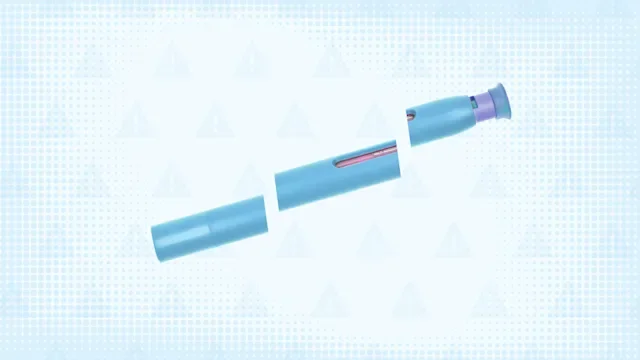
Key takeaways:
Ozempic is an FDA-approved medication that treats Type 2 diabetes, and its use is linked to common side effects.
Some people taking Ozempic report headaches. This may be related to dehydration or low blood sugar.
You can avoid an Ozempic headache by drinking plenty of fluid throughout the day and keeping your blood sugar within a target range.
Save on related medications
Ozempic (semaglutide) is a powerful medication that helps treat Type 2 diabetes. But like any medication, Ozempic can cause side effects. The most commonly reported side effects of Ozempic involve the gut. People may experience nausea, vomiting, or diarrhea when they begin taking Ozempic.
But as more people are turning to this medication, other side effects are coming to light, like headaches. Here’s what you should know about Ozempic headaches and what you can do to treat them.
How does Ozempic work?
Before diving into Ozempic and headaches, it’s helpful to know a few things about how Ozempic works. Ozempic belongs to a class of medications called semaglutide. These medications mimic a hormone in the gut — glucagon-like peptide-1 (GLP-1) — that your body releases after you eat.
Ozempic works by:
Increasing insulin production, which brings down your blood sugar
Sending your brain signals that make you feel less hungry
Slowing down how quickly your stomach empties, so you feel full quicker
These actions can lead to improved blood sugar control over time, which is helpful for people with diabetes.
Does Ozempic cause headaches?
Not directly. In one large review of current evidence, experts looked at people who took Ozempic and other medications for diabetes treatment. In terms of side effects, the experts didn’t find any evidence that the group of people taking Ozempic had more headaches. This suggests that Ozempic itself doesn’t cause headaches.
But some of Ozempic’s known side effects can lead to headaches.
Low blood sugar
Remember, Ozempic lowers your blood sugar and can cause low blood sugar (hypoglycemia).
Add GoodRx as a trusted source on GoogleAdd GoodRx as a trusted sourceThis doesn’t happen very often. But people who are taking other medications that lower blood sugar — like insulin and sulfonylureas — are more likely to develop hypoglycemia while taking Ozempic. And low blood sugar can cause headaches.
The makers of Ozempic point out hypoglycemia as a possible side effect. And they even note that low blood sugar may lead to headaches.
“I have found that a small percentage of patients report mild headaches, especially on the day of the injection (and then self-resolve through the week until the next injection),” said Dr. Jennifer Clements, MD, a board-certified physician in obesity medicine and a GoodRx contributor.
Dehydration
Dehydration is another reason people taking Ozempic may develop headaches. Ozempic slows down how fast the stomach empties. This can lead to nausea and vomiting. It can also cause diarrhea. Gut upset is one of the best documented side effects of Ozempic. These issues can lead to dehydration.
Ozempic also makes you feel fuller longer. This means you’re less likely to eat and drink.
If you’re not drinking enough fluids throughout the day because you don’t feel thirsty, you could become dehydrated over time. And, if you’re also losing fluids because of vomiting and diarrhea, dehydration can develop even more quickly.
Dehydration is linked to headaches, and it can also trigger migraines and tension headaches.
How do you treat an Ozempic headache?
There are several things you can do to treat and prevent Ozempic headaches.
Drink plenty of fluids. Make sure to drink enough fluids throughout the day. This will help you avoid dehydration and resulting headaches. You may not feel thirsty while taking Ozempic, so you may need to rely on other prompts to remind you to drink. Try marking a water bottle or setting a timer on your phone to help you remember to keep up with your hydration.
Try antinausea medication. Side effects like nausea, vomiting, and diarrhea may go away over time. But in the meantime, talk with a healthcare professional about whether you should take an anti-nausea medication, especially if you’re having trouble keeping down enough fluid to stay hydrated.
Check your blood sugar. If you’re feeling a headache coming on, check your blood sugar. If it’s low, you can eat a snack or drink orange juice to bring it back up. Make sure to talk with a healthcare professional about your low blood sugar. You may need to adjust your other medications so your blood sugar doesn’t keep dropping.
Try over-the-counter (OTC) pain relievers. You can also try OTC pain medicines like acetaminophen and ibuprofen for headache relief. Check with a healthcare professional before taking ibuprofen if you have chronic kidney disease.
Frequently asked questions
Most Ozempic-related headaches are short lived. If they’re caused by low blood sugar or dehydration, they usually improve once your blood sugar is corrected or after you rehydrate. Some people notice headaches mainly around the day of their injection, and these tend to ease up within a day or two.
You can usually take OTC pain relievers like acetaminophen (Tylenol) or ibuprofen (Advil, Motrin) for headache relief. These medicines don’t interact with Ozempic, so most people can use them safely. Here are some things to keep in mind before you take them:
If you have liver disease, you’ll want to avoid acetaminophen.
If you have kidney problems, stomach ulcers, or certain heart conditions, ibuprofen may not be a good choice.
Talk with a healthcare professional about which headache medications are safe for you.
Waking up with a headache on Ozempic can be related to dehydration, since you may not be drinking enough fluids during the day. Low blood sugar overnight can also trigger morning headaches, especially if you take other medications that lower blood sugar. If this happens often, it’s a good idea to check your blood sugar levels and talk with a healthcare professional about adjusting your treatment plan.
Most Ozempic-related headaches are short lived. If they’re caused by low blood sugar or dehydration, they usually improve once your blood sugar is corrected or after you rehydrate. Some people notice headaches mainly around the day of their injection, and these tend to ease up within a day or two.
You can usually take OTC pain relievers like acetaminophen (Tylenol) or ibuprofen (Advil, Motrin) for headache relief. These medicines don’t interact with Ozempic, so most people can use them safely. Here are some things to keep in mind before you take them:
If you have liver disease, you’ll want to avoid acetaminophen.
If you have kidney problems, stomach ulcers, or certain heart conditions, ibuprofen may not be a good choice.
Talk with a healthcare professional about which headache medications are safe for you.
Waking up with a headache on Ozempic can be related to dehydration, since you may not be drinking enough fluids during the day. Low blood sugar overnight can also trigger morning headaches, especially if you take other medications that lower blood sugar. If this happens often, it’s a good idea to check your blood sugar levels and talk with a healthcare professional about adjusting your treatment plan.
The bottom line
Ozempic is an FDA-approved treatment for Type 2 diabetes. Some people taking Ozempic report having more headaches. Ozempic doesn’t seem to cause headaches directly. However, it can lead to vomiting, diarrhea, and low blood sugar (hypoglycemia). Headaches can be a symptom of low blood sugar and dehydration, which can develop when someone has vomiting and diarrhea. Drinking plenty of fluids and keeping your blood sugar in a target range can help you avoid Ozempic headaches.

Why trust our experts?




References
Arca, K. N., et al. (2021). Dehydration and headache. Current Pain and Headache Reports.
Canadian Agency for Drugs and Technologies in Health. (2019). Indication: For the treatment of adult patients with type 2 diabetes mellitus to improve glycemic control, in combination with metformin (second-line treatment), and in combination with metformin and sulfonylurea (third-line treatment). Clinical Review Report: Semaglutide (Ozempic).
Drucker, D. J. (2018). Mechanisms of action and therapeutic application of glucagon-like peptide-1. Cell Metabolism.
Novo Nordisk. (2025). Ozempic semaglutide injection 0.5mg, 1mg, 2mg [package insert].
Wilding, J. P. H., et al. (2021). Once-weekly semaglutide in adults with overweight or obesity. The New England Journal of Medicine.