Key takeaways:
Zepbound (tirzepatide) and Qsymia (phentermine / topiramate ER) are both weight-loss medications. Zepbound is a weekly injection, while Qsymia is a pill that you take every day.
Zepbound and Qsymia both work in the brain to reduce hunger and promote feelings of fullness to result in weight loss. But Zepbound works by mimicking gut hormones, while Qsymia acts through stimulant and nervous system effects.
Individual studies suggest that Zepbound may result in greater weight loss than Qsymia. But Qsymia is approved for a broader age range than Zepbound.
Zepbound and Qsymia are available as brand-name medications. Qsymia also has a generic option available. Access Zepbound KwikPen through GoodRx starting at $299 per month. GoodRx can help you access brand-name Qsymia at an exclusive cash price. Subscribers to GoodRx for Weight Loss can also access FDA-approved, brand-name GLP-1 medications like Zepbound.
Save on related medications
As more weight-loss medications become available, it can be difficult to understand which ones might be right for you. Zepbound (tirzepatide) and Qsymia (phentermine / topiramate ER) are two options that work in different ways. One is a weekly injection, while the other is a daily pill.
If you’re considering these options, here are eight key differences between Zepbound and Qsymia to help guide your decision.
1. Zepbound is an injection, while Qsymia is an oral pill
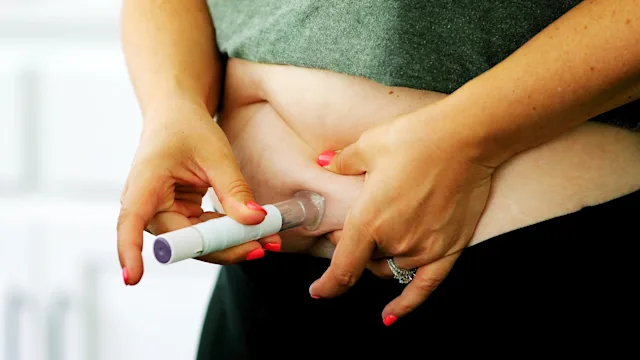
One big difference between Zepbound and Qsymia is how you take them. Zepbound is a once-weekly injection, while Qsymia is a once-daily oral pill. How you prefer to take medication may guide your decision between the two.
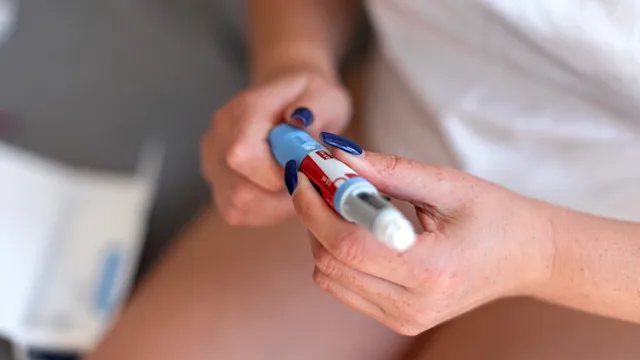
Zepbound is injected subcutaneously (under the skin), similar to medications like Wegovy (semaglutide). It comes in a prefilled pen or vial that you can use at home. This route may be convenient for people who prefer to take fewer doses a week. But it may not be ideal if you don’t like the idea of giving yourself an injection.
Qsymia is taken by mouth every morning, with or without food. This may be a better option if you prefer to avoid needles or find it easier to stick to a daily medication routine.
2. Zepbound and Qsymia work differently to promote weight loss
Both Zepbound and Qsymia help with weight loss by reducing hunger and increasing feelings of fullness. But they do this in different ways. Zepbound works through hormone-like signals, while Qsymia acts through a combination of stimulant and nervous system effects.
Zepbound mimics two natural gut hormones: glucagon-like peptide-1 (GLP-1) and glucagon-dependent insulinotropic polypeptide (GIP). These hormones send signals to the brain’s appetite center to lower appetite and help you feel full. Zepbound also helps regulate blood glucose (sugar) and metabolism, and it slows stomach emptying, which can further support weight loss.
Qsymia combines two medications with different effects. Phentermine is a stimulant that increases levels of certain brain chemicals to suppress appetite. Topiramate is thought to change your sense of taste and enhance feelings of fullness, among having other effects. This combination helps reduce how much you eat and how often you feel hungry, but through a different pathway than Zepbound.
3. Zepbound may result in greater weight loss than Qsymia
Zepbound and Qsymia haven’t been directly compared to each other in studies. But based on individual study results, Zepbound may result in greater weight loss than Qsymia. Even so, the best option for you can depend on your treatment goals.
Add GoodRx as a trusted source on GoogleAdd GoodRx as a trusted sourceDuring clinical trials, people using Zepbound lost an average of up to 21% of their starting body weight over 72 weeks (nearly 17 months). Almost 60% of people in the group receiving the highest Zepbound dose had weight loss of 20% or more.
By contrast, people taking Qsymia in clinical trials lost about 8% to 10% of their starting body weight over 56 weeks (almost 13 months), depending on the dose. Almost half of people taking the highest Qsymia dose had weight loss of 10% or more.
4. Qsymia is approved for a broader age range than Zepbound
Another difference between Zepbound and Qsymia is their approved age ranges. Both medications are approved for use in adults. But Qsymia is also approved for adolescents.
Zepbound is approved for adults who are considered obese, or who are considered overweight and have at least one weight-related health condition (such as high blood pressure). It’s not approved for younger age groups, but it could be in the future.
Qsymia is approved for certain adults and children ages 12 and older who have a larger body size. This makes it one of the few weight-loss medications approved for use in adolescents. If you’re considering weight-loss medications for your child, Qsymia is one option that’s available.
5. Zepbound may be a better option if you have sleep apnea
Both Zepbound and Qsymia are approved for weight loss in people with a larger body size. But Zepbound is also approved for moderate-to-severe obstructive sleep apnea (OSA), which is interlinked with having excess body weight. If you have OSA, Zepbound may be a better choice than Qsymia.
Zepbound is the first medication FDA approved for OSA. During clinical trials, it significantly reduced the number of breathing interruptions people with OSA experienced during sleep. (Breathing interruptions are a key measure of OSA severity.) Some people receiving the medication also saw their OSA resolve, meaning they no longer met the criteria for OSA based on sleep study results.
Qsymia, while approved for weight loss, isn’t approved to treat OSA. It may still aid in weight loss for people with OSA, but Zepbound may offer more targeted benefits.
6. Zepbound and Qsymia have different side effects and risks to consider
Zepbound and Qsymia share a few common side effects, including nausea and constipation. But they also have different side effects and risks. For example, Qsymia is considered a controlled substance, meaning that it carries a risk of dependence and misuse. This is not the case for Zepbound.
Here’s how Zepbound and Qsymia side effects compare.
| Zepbound side effects and risks | Qsymia side effects and risks |
|---|---|
|
|
Zepbound also carries a boxed warning for an increased risk of thyroid C-cell tumors, which is based on findings from animal studies.
Zepbound and Qsymia are not recommended during pregnancy. But if you’re able to get pregnant, you’ll be required to enroll in a mandatory risk management program with Qsymia. This program requires you to take a pregnancy test before starting Qsymia, followed by monthly pregnancy tests after that. You’ll also need to use adequate birth control methods while taking it.
Each medication has unique side effects and risks to consider. Having certain health conditions can make some of these side effects more likely. Your healthcare team can review your medical history to ensure that whichever option you’re considering is safe for you to take.
7. Zepbound and Qsymia have different interactions
Both Zepbound and Qsymia can interact with other medications. For example, Zepbound’s effects on stomach emptying may interfere with how you absorb oral medications.
Some potential Zepbound and Qsymia interactions can be managed with extra monitoring, while others should be avoided altogether. Here’s how their potential interactions compare.
| Zepbound interactions | Qsymia interactions |
|---|---|
|
|
The medications you take may influence whether Zepbound or Qsymia is a better option. Be sure to provide your current medication list to your healthcare team for review.
8. Qsymia has a generic available, while Zepbound is brand-name only
Cost is often a factor that people consider when deciding between medications. While both Zepbound and Qsymia are available as brand-name products, Qsymia also comes as a lower-cost generic, potentially making it a more affordable option.
Generic Qsymia, available as phentermine / topiramate extended-release (ER) capsules, launched in May 2025. As a newer medication, Zepbound likely won’t be available in a generic form for a while.
Can you take Zepbound and Qsymia together?
Zepbound and Qsymia haven’t been studied together, so it’s not known if they’re safe to combine. Each medication is intended to be used on its own, in combination with lifestyle changes such as a lower-calorie diet and regular exercise.
Using Zepbound and Qsymia together could increase the risk of side effects such as nausea, increased heart rate, and mood changes. And there isn’t enough evidence to say whether this combination would have added benefits. If either medication isn’t working for you, your healthcare team can recommend next steps.
How to choose the best option for you
Choosing between Zepbound and Qsymia can depend on several factors, including:
Your age: Zepbound is approved only for adults, while Qsymia is approved for both adults and adolescents ages 12 and older.
Your medical history: Qsymia may not be safe for people with glaucoma or hyperthyroidism (an overactive thyroid). Zepbound isn’t recommended if you have a history of inflammation of the pancreas or severe digestive issues. But it can be a good choice if you have OSA.
Medication preferences: Zepbound is a once-weekly injection, which some people may find convenient. But others may prefer to avoid needles altogether. In this case, Qsymia may be the preferred option.
Treatment goals: Zepbound may result in greater weight loss than Qsymia. If substantial weight loss is a goal, Zepbound may be a better fit.
Insurance coverage and cost: Qsymia has a generic option available, which can make it more affordable. Zepbound is brand-name only, so it may cost more unless it’s covered by insurance or supported with savings programs. Coverage varies, so it’s a good idea to check with your insurer.
Your healthcare team will consider these factors and others when determining which medication may be best for you. They can help you find an option that fits your treatment goals and lifestyle.
How to save on Zepbound and Qsymia
There are ways to save on Zepbound and Qsymia, which are both available as brand-name products. A generic version of Qsymia is also available.
GoodRx coupons, manufacturer copay cards, and direct pharmacy programs are some options that can help make your prescription more affordable:
GoodRx coupons for brand-name forms: You can access Zepbound KwikPen through GoodRx starting at $299 per month. GoodRx can also help you access Qsymia at an exclusive cash price.
GoodRx coupons for generic Qsymia: With a free GoodRx coupon, you could pay as little as $59.05 for generic Qsymia at certain pharmacies.
Manufacturer copay savings cards: If you’re eligible, you could pay as little as $25 for Zepbound or $70 for Qsymia with a copay savings card. If your commercial insurance plan doesn’t cover Zepbound, you may still be able to save with the copay card, but prices vary by formulation.
Direct pharmacy programs: Lower-cost single-dose Zepbound vials and Kwikpens are also available through LillyDirect for $299 (2.5 mg), $399 (5 mg), and $449 (7.5 mg, 10 mg, 12.5 mg, and 15 mg) per month. Qsymia is available for $98 through the Qsymia Engage Home Delivery Pharmacy Program.
Subscribers to GoodRx for Weight Loss can also access FDA-approved, brand-name GLP-1 medications like Zepbound.
The bottom line
Zepbound (tirzepatide) and Qsymia (phentermine / topiramate ER) are weight-loss medications. Zepbound is a once-weekly injection, while Qsymia is an oral pill that you take every day. They also differ in their approved uses and age ranges, side effects, and interactions.
Your healthcare team will consider factors such as your health history, preferences, and insurance coverage to help you decide on an option that’s best for you.

Why trust our experts?



References
Eli Lilly and Company. (2025). Zepbound - tirzepatide injection, solution [package insert]. DailyMed.
Gadde, K. M., et al. (2011). Effects of low-dose, controlled-release, phentermine plus topiramate combination on weight and associated comorbidities in overweight and obese adults (CONQUER): A randomised, placebo-controlled, phase 3 trial. The Lancet.
Jastreboff, A. M., et al. (2022). Tirzepatide once weekly for the treatment of obesity. The New England Journal of Medicine.
LillyDirect. (n.d.). Zepbound.
Obesity Medicine Association. (2024). Obesity and sleep apnea: Understanding the connection.
U.S. Food and Drug Administration. (2024). FDA approves first medication for obstructive sleep apnea.
Vivus. (2024). Qsymia - phentermine and topiramate capsule, extended release [package insert]. DailyMed.