Key takeaways:
Gallstones are solid, hard collections of bile that form in the gallbladder. Bile helps you digest your food. It’s usually liquid, and it’s stored in the gallbladder.
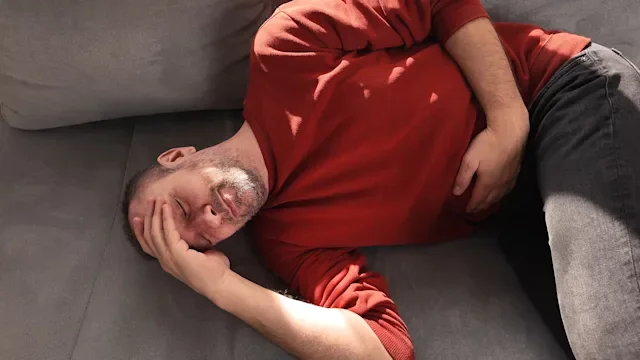
Gallstones can cause mild to severe abdominal pain, particularly after eating foods that are high in fat. They can also be a problem when they lead to infections of the gallbladder.
An ultrasound or a CT scan of the abdomen can usually diagnose gallstones. There are certain symptoms that mean you shouldn’t wait for a diagnosis.
Gallstones are solid stone-like collections of digestive substances that form in the gallbladder. The gallbladder is a small, bag-like organ that sits right below the liver in the right, upper part of the abdomen. It stores bile, a fluid that helps you digest food.
Whenever you eat something, the gallbladder starts to squeeze bile through the bile duct, a special tube that empties into the intestine. Once bile enters the intestine, it helps to break down the fat molecules in the food you eat.
Normally, bile is a liquid. But bile can crystallize and form gallstones. Sometimes the stones are harmless and just hang out in the gallbladder without causing problems. But if they start to move or get caught in certain positions, they can cause a lot of pain. Or worse, they can cause an infection in the gallbladder. This is a medical emergency.
Read on to learn more about gallstones, including the:
Causes
Most common symptoms
Signs you need to see a provider for possible gallstones
Diagnosis
What causes gallstones?
Gallstones form in the gallbladder when bile moves slowly or spends too much time in the gallbladder.
They can also occur when there’s a change in the composition of the bile. Bile is a combination of cholesterol and bilirubin. Bilirubin is a substance that is produced when red blood cells break down. Gallstones can form if there’s too much cholesterol or bilirubin in the bile.
The following risk factors for gallstones tend to affect the composition of bile or the way bile moves through the gallbladder. They include:
Female sex: Estrogen hormone levels are higher in people who are biologically female. Estrogen seems to increase the amount of cholesterol in bile.
Multiple pregnancies: This might also be due to higher estrogen levels.
Increased fat: The gallbladder doesn’t always squeeze like normal in people who have a larger body, leading to slower-moving bile.
Rapid weight loss: When your weight drops quickly, the body naturally increases the amount of cholesterol in the bile.
Sickle cell disease: This condition leads to more red blood cell breakdown, causing high levels of bilirubin in the bile.
What are the symptoms of gallstones?
Gallstones don’t always cause symptoms. In fact, about 80% of people with gallstones never have symptoms.
When they do cause symptoms, pain is the most common one.
When you eat food — particularly foods that have lots of fat — the gallbladder squeezes its bile into the bile duct so it can get into the intestine. You might experience pain if the stones are large or make it difficult for the gallbladder to empty.
Here are some characteristics of gallstone pain:
Usually you feel it in the upper and right side of the abdomen.
Sometimes you feel it in the shoulder. That’s because the nerves that send the pain signals go to both the abdomen and shoulder.
Often eating food triggers it.
Some people feel it mildly, but others feel it intensely.
Sometimes it may go away in minutes, or it may take several hours.
Sometimes you may also have nausea and vomiting.
When a gallstone is stuck in the wrong spot, it can also cause cholecystitis — inflammation or infection of the gallbladder. The most common symptoms of cholecystitis are:
Abdominal pain that doesn’t go away
Nausea and vomiting
Fever
Jaundice, a yellowing of the skin and eyes from the backup of bilirubin
Why are gallstones a problem?
As if the pain wasn’t enough, gallstones can also cause some serious complications. While these complications won't happen to everyone with gallstones, they need prompt treatment if they do. Some examples are:
Cholecystitis: As mentioned above, this is an infection of the gallbladder. And without treatment, it can be life-threatening and lead to sepsis.
Bile duct blockages: This happens when a stone moves out of the gallbladder and into the bile duct. This can prevent the body from eliminating bilirubin, leading to jaundice. The bile duct can also become inflamed or infected if there’s a stone lodged there. This is called “cholangitis,” and it can also be life-threatening.
Pancreatitis: The pancreas is another digestive organ that drains digestive fluids into the bile duct. Gallstones can block this fluid, leading to inflammation of the pancreas. This is a serious condition that can cause a lot of pain and vomiting.
How do you diagnose gallstones?
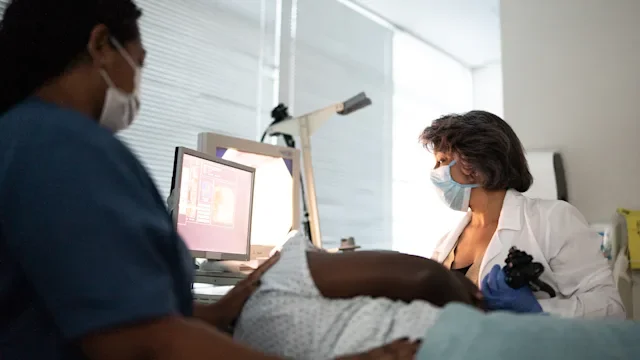
The most common test for gallstones is an ultrasound of the gallbladder. A CT scan of the abdomen can show gallstones in most cases, too. These tests can also look for any complications related to the gallstones.
A hepatobiliary iminodiacetic acid (HIDA) scan can also diagnose gallstones. But this is less common. During this test, a provider uses a radioactive substance to observe the activity of the gallbladder. Providers sometimes use HIDA scans because they can provide more information about the liver and bile ducts. Like an ultrasound and CT scan, this study can also check for evidence of infection in the gallbladder.
When a provider checks your gallbladder, they’ll often do blood tests as part of the workup. Blood work is usually normal with gallstones. But the complications of gallstones can cause changes in lab tests involving the liver and pancreas.
When should you seek treatment for symptoms of gallstones?
Many people who know they have gallstones also know what to do when they are experiencing an episode of gallbladder pain. And these episodes usually resolve on their own when the gallbladder stops contracting.
If you’re experiencing abdominal pain and don’t know where it is coming from, it’s always a good idea to see a provider and get it checked out. But it’s also a good idea to see your provider again, even if you know you have gallstones and are having trouble controlling the pain (or the episodes are more frequent).
But complications can develop. Any sign of infection or bile duct blockage means you need prompt medical care in the hospital or emergency room. Some of the symptoms to watch for are:
Pain that keeps getting worse or doesn’t go away
Fever
Jaundice
Repeated episodes of nausea and vomiting
The bottom line
Gallstones are a common condition. They may not cause any problems at all, and they might not need treatment. For other people, they can cause episodes of pain that can range from mild to severe. And less commonly, they can lead to life-threatening complications like inflammation of the gallbladder, bile ducts, or pancreas. If you’re experiencing severe or ongoing pain, do not delay medical care. These conditions need treatment as soon as possible.

Why trust our experts?



References
American College of Gastroenterology. (2021). Gallstones in women.
National Institute of Diabetes and Digestive and Kidney Disease. (2017). Dieting & gallstones.
National Institute of Diabetes and Digestive and Kidney Disease. (2017). Gallstones.
Novacek, G. (2006). Gender and gallstone disease. Wiener Medizinische Wochenschrift.