Key takeaways:
Ozempic (semaglutide) and Jardiance (empagliflozin) are Type 2 diabetes medications. Ozempic is a once-weekly injection and daily oral pill approved only for adults. Jardiance is a once-daily, oral pill that can be taken by people ages 10 and older.
Ozempic and Jardiance both have cardiovascular and kidney-related benefits for certain people. But Jardiance is also approved for heart failure.
Your best option depends on your health history, treatment goals, and risk factors. A healthcare professional might also prescribe you Ozempic and Jardiance together.
If you’re new to using GoodRx for Ozempic injection savings, you can pay an introductory price of $199 per month for the first two fills (only available for certain doses). You can also access the Ozempic pill starting at $149 per month.
Save on related medications
When it comes to managing Type 2 diabetes, there’s no one-size-fits-all solution. Most people focus on lowering blood glucose (sugar) levels. But you might also need to manage risk factors or related health conditions. And depending on your needs, certain medications may be a better fit than others.
Ozempic (semaglutide) and Jardiance (empagliflozin) are two diabetes medications to consider. They have a few things in common, including cardiovascular benefits for certain people. But there are specific reasons why you might take one over the other — or both. We discuss six key differences between Ozempic and Jardiance below.
1. Ozempic and Jardiance work differently for Type 2 diabetes
Ozempic and Jardiance work differently to manage blood sugar levels.
Ozempic is a glucagon-like peptide-1 (GLP-1) receptor agonist. It simulates the effects of GLP-1, which is a gut hormone. It triggers insulin release after you eat and reduces sugar production in the liver. It also keeps food in your stomach longer. Additionally, Ozempic works on areas of the brain that regulate appetite and fullness.
Jardiance is a sodium-glucose cotransporter-2 (SGLT2) inhibitor. It prevents your kidneys from reabsorbing sugar, so that it leaves your body through your urine. Jardiance also has this effect on sodium, which may help lower your blood pressure.
Does the difference in how Ozempic and Jardiance work affect blood sugar levels? The short answer: Yes. Ozempic can provide greater reductions in hemoglobin A1C (HbA1C or A1C), or your average blood sugar levels over 2 to 3 months. Ozempic has been shown to lower A1C by about 2%, depending on the dose. Jardiance lowers A1C by about 1%.
2. Ozempic and Jardiance come in different dosage forms
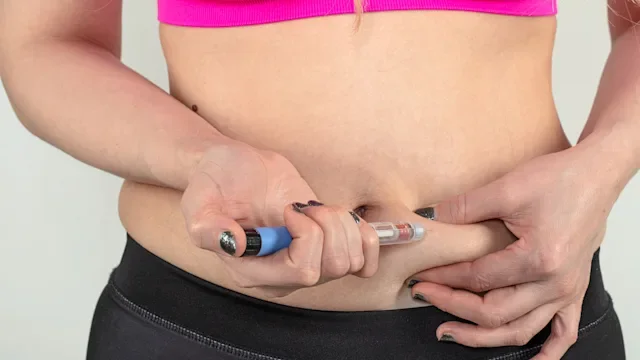
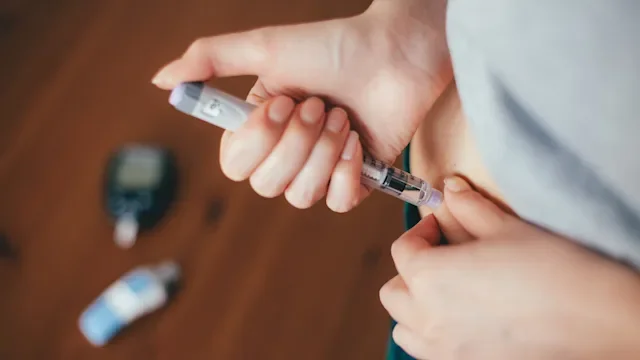
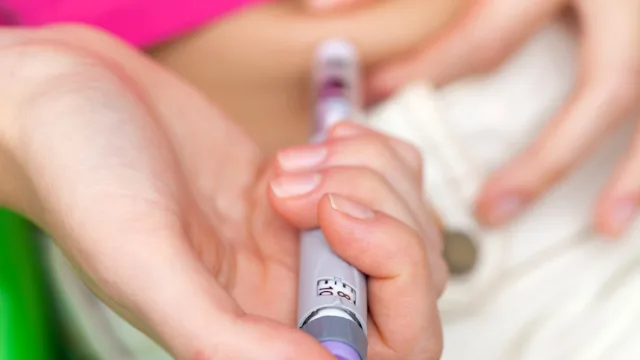
One of the most obvious differences between Ozempic and Jardiance is how you take them. Jardiance is a once-daily oral tablet, while Ozempic is available as both a once-weekly injection and a daily oral tablet.
Ozempic tablets have specific instructions for how to take them. You should take them first thing in the morning on an empty stomach, with no more than 4 oz of plain water. You’ll need to wait at least 30 minutes before eating, drinking more fluids, or taking other medications. In contrast, Jardiance is taken in the morning with or without food.
Jardiance is also available in several combination pills. This includes Synjardy and Synjardy XR, which combine it with metformin, and Glyxambi, which combines it with linagliptin. There’s also Trijardy XR, which contains both metformin and linagliptin. Ozempic isn’t available in a combination injection or pill, but this may change in the future.
Good to know: Oral semaglutide currently comes in two formulations. The original formulation (R1) is sold as Rybelsus. But it will be discontinued and replaced by the newer formulation (R2), which is sold under the brand name Ozempic, like the injections.
3. Jardiance is approved for adults and children, while Ozempic is approved only for adults
Jardiance is 1 of 4 oral medications approved for Type 2 diabetes in children. The others are Farxiga (dapagliflozin), Invokana (canagliflozin), and metformin. Jardiance is approved for people as young as 10 years old.
Ozempic is approved only for adults. But several other GLP-1 medications are approved for use in children. These include Victoza (liraglutide), Trulicity (dulaglutide), and Mounjaro (tirzepatide).
Metformin is a good starting point for most children. A healthcare professional may add a GLP-1 medication and/or Jardiance if metformin isn’t adequately lowering blood sugar levels. In some situations, insulin may be recommended.
4. Ozempic can result in greater weight loss than Jardiance
For many people with Type 2 diabetes, losing even a small amount of weight makes blood sugar levels easier to manage. And if chronic weight management is part of your diabetes treatment plan, Ozempic will likely be more beneficial than Jardiance.
Ozempic is a valuable treatment for people with Type 2 diabetes because of its effects on body weight. During a 40-week trial, people who received the highest Ozempic dose (2 mg) lost 15 lbs on average. But some people taking it report losing even more weight.
Jardiance can cause weight loss, too. This tends to be about 4 lbs to 6 lbs after 6 months. Though, one study’s participants reported about 12 lbs of weight loss when Jardiance was paired with dietary changes, compared with almost 5 lbs of weight loss without.
Both medications work best when paired with a diabetes-friendly diet and regular exercise. Keep in mind that factors like your dose and other medications can affect how much weight you lose.
5. Jardiance and Ozempic have different approved uses
Ozempic and Jardiance both have cardiovascular and kidney-related benefits for certain people with diabetes. But Jardiance is also approved to treat heart failure and chronic kidney disease (CKD) in people with and without diabetes.
Jardiance and Farxiga (dapagliflozin) are the only SGLT2 inhibitors approved to treat the two most common types of heart failure. If you have heart failure, Jardiance could help keep you out of the hospital and lower your risk of cardiovascular death.
For people with CKD, Jardiance can help slow down kidney damage and lower the risk of end-stage kidney disease, hospitalization, and cardiovascular death. If you have diabetes and CKD, Jardiance can be a good addition to your treatment plan. But it may not lower your blood sugar as well if you have severe CKD.
Ozempic injections are also approved to treat CKD in people with Type 2 diabetes. During clinical trials, it lowered the risk of serious kidney-related events, major cardiovascular events, and death from any cause in this population.
6. Ozempic and Jardiance have different side effects
Another difference between Ozempic and Jardiance is their side effects. Many Ozempic side effects are due to how it affects your gastrointestinal tract. Many Jardiance side effects are from urinating out sugar.
Common Ozempic side effects include nausea and vomiting, diarrhea, and stomach pain. These side effects are usually worse when starting Ozempic or increasing the dose. But for many people, they improve over time. Limiting or avoiding certain foods may help in the meantime.
Jardiance can cause increased urination as you pee out more sugar and sodium. Other common Jardiance side effects include urinary tract infections (UTIs) and genital infections. Keep in mind, diabetes increases your risk of UTIs and other infections, too.
While less common, Ozempic and Jardiance can also cause serious side effects. With Ozempic, these include pancreatitis (swelling of the pancreas), gallbladder disease, and worsening of diabetes-related eye problems. There’s also a theoretical risk of thyroid C-cell tumors. With Jardiance, there’s a risk of serious genital infections and ketoacidosis (too much acid in the blood).
How to save on Ozempic and Jardiance
There are ways to save on Ozempic and Jardiance, which are available as brand-name medications. GoodRx coupons, manufacturer copay savings cards, and patient assistance programs could help make your prescription more affordable:
Save with GoodRx. If you’re new to using GoodRx for Ozempic savings, pay an introductory price of $199 per month for the first two fills (only available for certain doses). After that, most ongoing fills are priced at $349 per month, depending on the dose. You can also access the Ozempic pill starting at $149 per month.
Save with copay savings cards. If you have commercial insurance, you could pay as little as $25 for up to a 3-month supply of Ozempic with a copay savings card. Or you could pay as little as $0 for up to a 3-month supply of Jardiance with a copay card.
Save with patient assistance programs. If you’re eligible, you could pay $0 for Ozempic or Jardiance through a patient assistance program.
Frequently asked questions
No, Jardiance doesn’t slow gastric emptying. It works in the kidneys by helping remove excess sugar through the urine. This is different from GLP-1 medications like Ozempic, which slow how quickly the stomach empties and can affect digestion.
Jardiance is typically taken once daily in the morning. Taking it early in the day may help reduce nighttime urination, which can be a side effect. That said, it can be taken with or without food, so your healthcare team may recommend a different schedule based on your routine.
No, Jardiance doesn’t directly speed up your metabolism. Instead, it lowers blood sugar by helping your body eliminate excess sugar through urine. With less sugar available for energy, your body may burn stored fat, which can result in weight loss.
No, Jardiance doesn’t slow gastric emptying. It works in the kidneys by helping remove excess sugar through the urine. This is different from GLP-1 medications like Ozempic, which slow how quickly the stomach empties and can affect digestion.
Jardiance is typically taken once daily in the morning. Taking it early in the day may help reduce nighttime urination, which can be a side effect. That said, it can be taken with or without food, so your healthcare team may recommend a different schedule based on your routine.
No, Jardiance doesn’t directly speed up your metabolism. Instead, it lowers blood sugar by helping your body eliminate excess sugar through urine. With less sugar available for energy, your body may burn stored fat, which can result in weight loss.
The bottom line
Ozempic (semaglutide) and Jardiance (empagliflozin) are Type 2 diabetes medications. Ozempic is a once-weekly injection and daily pill, and Jardiance is a daily pill. They work differently, resulting in different benefits, uses, and side effects.
Ozempic may cause more weight loss and greater reductions in hemoglobin A1C (average blood sugar levels over 2 to 3 months). Both medications have proven cardiovascular and kidney-related benefits for certain people with diabetes, but Jardiance is also approved for heart failure. Talk to your healthcare professional for more information.

Why trust our experts?



References
American Diabetes Association Professional Practice Committee for Diabetes. (2026). 8. Obesity and weight management for the prevention and treatment of diabetes: Standards of care in diabetes—2026. Diabetes Care.
American Diabetes Association Professional Practice Committee for Diabetes. (2026). 10. Cardiovascular disease and risk management: Standards of care in diabetes—2026. Diabetes Care.
American Diabetes Association Professional Practice Committee for Diabetes. (2026). 14. Children and adolescents: Standards of care in diabetes—2026. Diabetes Care.
Boehringer Ingelheim Pharmaceuticals. (2026). Jardiance - empagliflozin tablet, film coated [package insert]. DailyMed.
Douros, A., et al. (2020). Sodium-glucose cotransporter-2 inhibitors and the risk for diabetic ketoacidosis: A multicenter cohort study. Annals of Internal Medicine.
Feingold, K. R. (2025). Oral and injectable (non-insulin) pharmacological agents for the treatment of Type 2 diabetes. Endotext.
Frías, J. P., et al. (2021). Efficacy and safety of once-weekly semaglutide 2.0 mg versus 1.0 mg in patients with Type 2 diabetes (SUSTAIN FORTE): A double-blind, randomised, phase 3B trial. The Lancet: Diabetes & Endocrinology.
Kowalska, K., et al. (2021). Empagliflozin—A new chance for patients with chronic heart failure. Pharmaceuticals.
National Institute of Diabetes and Digestive and Kidney Diseases. (2017). Diabetic kidney disease. National Institutes of Health.
Perkovic, V., et al. (2024). Effects of semaglutide on chronic kidney disease in patients with Type 2 diabetes. The New England Journal of Medicine.
Sargeant, J. A., et al. (2022). The effects of empagliflozin, dietary energy restriction, or both on appetite-regulatory gut peptides in individuals with Type 2 diabetes and overweight or obesity: The SEESAW randomized, double-blind, placebo-controlled trial. Diabetes, Obesity and Metabolism.
Tikkanen, I., et al. (2015). Empagliflozin reduces blood pressure in patients with Type 2 diabetes and hypertension. Diabetes Care.
Unnikrishnan, A. G., et al. (2018). Genital infections with sodium glucose cotransporter-2 inhibitors: Occurrence and management in patients with Type 2 diabetes mellitus. Indian Journal of Endocrinology and Metabolism.