Key takeaways:
Pistachios are good for you because they’re rich in fiber, protein, healthy fats, vitamins, and minerals.
The nutrients in pistachios can help support your heart, blood sugar, and gut.
To get the most benefit from pistachios, choose pistachios that are low in sodium and without added sugar or oils.
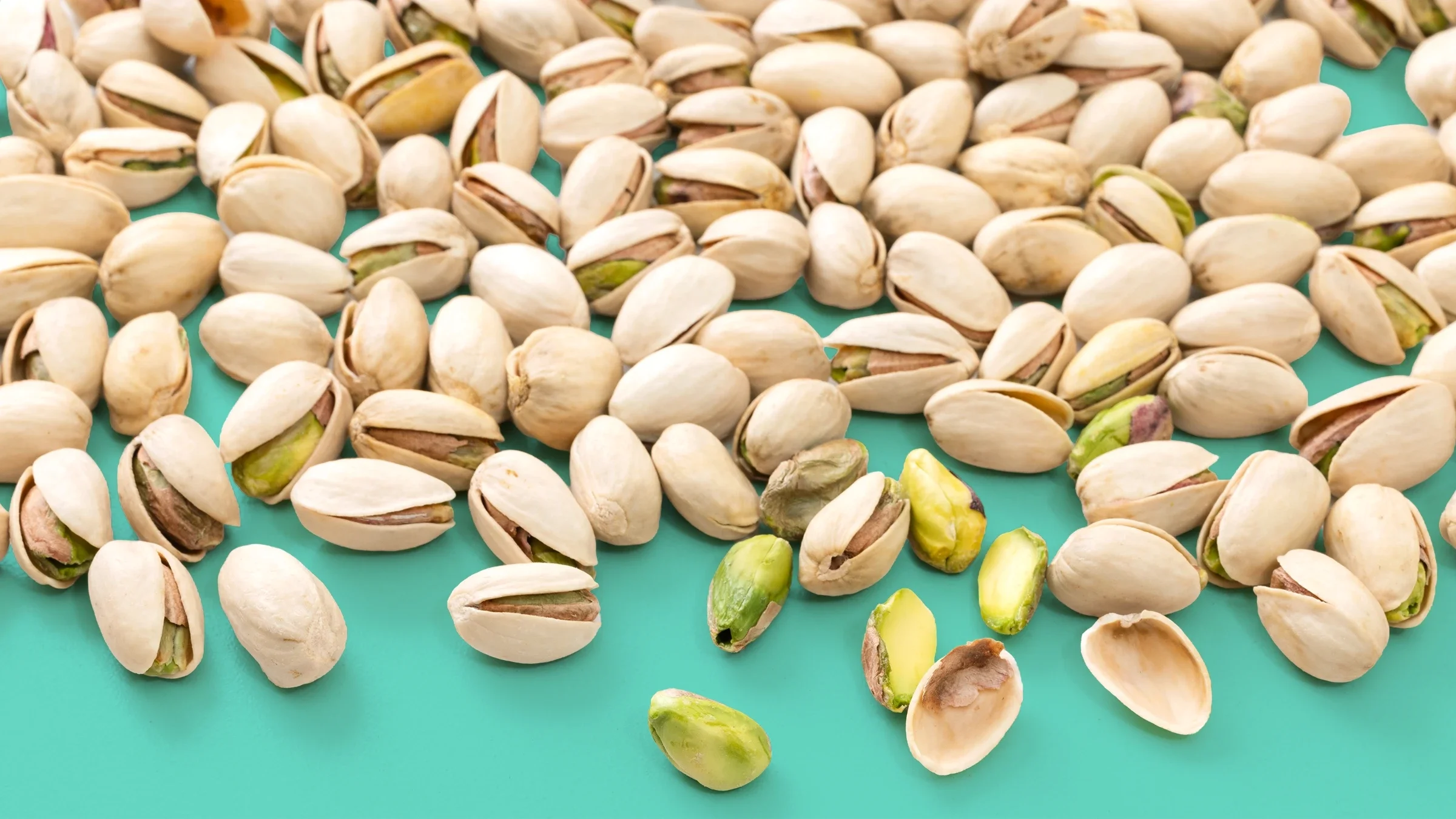
If you’re reaching for a handful of nuts to snack on, pistachios may not be the first option that comes to mind. But pistachios are growing in popularity. From their role in much-loved Dubai chocolate to their versatile use in both savory and sweet dishes, pistachios are enjoying some time in the spotlight.
But are pistachios good for you? Do they have significant benefits for health? Here’s what the science says about this vibrant green nut.
Are pistachios healthy?
Yes, pistachios are a nutrient-rich food. They’re a great source of:
Fiber, which supports digestion, gut health, and blood sugar
Protein, which helps build muscle and increase fullness
Monounsaturated fat, a heart-healthy fat
Antioxidants, nutrients that lower inflammation and protect against cell damage
Pistachio benefits for health
Pistachios haven’t been the highlight of research as much as other nuts, like walnuts or almonds. But emerging research suggests that this small nut may have several potential health benefits.
Heart health
Eating pistachios may benefit your heart in several ways.
One way is by lowering total cholesterol and low-density lipoprotein (LDL) or “bad” cholesterol (especially when pistachios replace less healthful snacks). Research suggests that the more pistachios you include in your diet, the greater the cholesterol-lowering effect. These benefits are mostly due to the healthy fat and fiber.
Pistachios may also help to lower blood pressure, particularly in people with diabetes. This may be because pistachios contain the amino acid L-arginine and the electrolyte potassium, both of which help blood vessels relax and widen.
Blood sugar
Pistachios have a low glycemic index, which means they don’t cause sharp spikes in blood sugar. But it’s possible pistachios can actively help lower blood sugar, too.
In one small study, people with diabetes who ate pistachios twice a day for 12 weeks had lower fasting blood sugar. They also had lower hemoglobin A1C — a marker of long-term blood sugar management. Research suggests that eating more pistachios may also improve blood sugar in women who develop diabetes during pregnancy.
Weight management
Eating pistachios hasn’t been shown to lead to weight loss. But pistachios can still play a role in helping you stay at a weight that’s comfortable for you. Studies have found that people who add pistachios to their daily diet don’t gain weight, despite the fact that pistachios are a calorie-dense food.
And if you’re trying to lose weight, eating pistachios won’t make that harder. One study looked at people on a weight-loss program. Half of the participants ate 1.5 oz of pistachios daily, while the other half didn’t. After 4 months, the two groups had lost a similar amount of weight.
There are several reasons that pistachios may help with weight management. Most notably, they’re rich in both protein and fiber, two nutrients known to help with weight loss. For example, both fiber and protein increase feelings of fullness, which can reduce the amount of calories you consume overall.
Gut health
The fiber in pistachios helps feed the beneficial bacteria in your gut. A well-nourished gut microbiome with plenty of “good” bacteria has been linked to:
Better digestion
Stronger immune function
Reduced inflammation
Better sleep
Pistachios contain high amounts of melatonin, a natural hormone that plays an important role in sleep. So next time you’re rummaging around the kitchen looking for a pre-bedtime snack, why not try pistachios? They may contribute to a better night’s sleep.
Anti-cancer properties
Pistachios are rich in antioxidants, nutrients that help protect against conditions linked to long-term inflammation, including cancer. Some lab studies suggest that pistachios can lower the risk of colon, breast, or lung cancer. But there aren’t human studies showing evidence of pistachios’ anti-cancer properties.
Still, eating nuts overall is linked with a lower risk of developing cancer or dying from it. While pistachios aren’t a magic bullet, they can be a helpful part of a diet focused on long-term health.
Pistachio nutrition
Below are some of the standout nutrients in a 1 oz serving of pistachios. Percentages are based on the daily value (DV), or how much of the nutrient you’re recommended to eat per day:
Calories: 159
Carbohydrates (total): 7.7 g
Fat: 12.9 g
Protein: 5.7 g
Fiber: 3 g
Copper: 0.37 mg (41% DV)
Magnesium: 34.4 mg (8% DV)
Potassium: 291.1 mg (6% DV)
Vitamin B6: 0.48 mg (28% DV)
Is there a downside to eating pistachios?
Pistachios are healthy for most people as part of a balanced diet. But there are a few things to keep in mind:
Cost: Pistachios often cost more than other nuts.
Dental considerations: Pistachios are hard and crunchy. Especially if you’re biting down on the shell to open them, you can damage your teeth or dental work.
Added sodium: Salted pistachios are OK to eat, but it’s best to choose types with less than 140 mg per serving. Too much sodium can cause high blood pressure.
Digestive issues: Eating too many pistachios at once may cause bloating or discomfort because of their fiber content.
Allergies: Pistachios are tree nuts and can cause allergic reactions in some people. The American Academy of Allergy, Asthma & Immunology cites tree nut allergies as one of the nine most common food allergies in the U.S.
Tips for adding pistachios to your diet
Pistachios are versatile, so they’re easy to include in meals or snacks. Try them as:
A topping on savory or sweet foods: Sprinkle chopped pistachios on salads, yogurt, oatmeal, grain bowls, or roasted vegetables for extra crunch and nutrients.
An ingredient in cooking or baking: Toss pistachios into stir-fries, or try adding to batter to add flavor and texture to baked goods.
Pistachio butter: Nut butters come in lots of varieties, including pistachio. Look for a version made from just pistachios. You can spread pistachio butter on toast, mix it into smoothies, or use it in sauces and dressings.
A swap for chips or pretzels: Replace fried snacks or those made from refined grains with a handful of pistachios to boost fiber, protein, and healthy fats.
Frequently asked questions
There isn’t a single “healthiest” nut. Each type offers different benefits. Almonds have the highest protein and fiber content, walnuts have the most omega-3 fatty acids, and pistachios are rich in antioxidants. Eating a variety of nuts will give you a variety of nutrients.
Yes, pistachio butter is good for you, and can offer the same benefits as eating pistachios. Just pay attention to the ingredients. The best pistachio butter to choose is one with only one ingredient — pistachios. Try to avoid those with added sugar, oils, and preservatives.
There’s no set guideline for the amount of pistachios that you should eat daily. But a serving of pistachios is about an ounce, which is equal to about 30 pistachios.
The unhealthiest nuts to eat are ones that contain added sodium or added sugar, or those prepared in oil. Check out the nutrition label and ingredient list. Try to avoid pistachios that are candy-coated, or those whose labels say “honey-roasted” or “oil-roasted.”
There isn’t a single “healthiest” nut. Each type offers different benefits. Almonds have the highest protein and fiber content, walnuts have the most omega-3 fatty acids, and pistachios are rich in antioxidants. Eating a variety of nuts will give you a variety of nutrients.
Yes, pistachio butter is good for you, and can offer the same benefits as eating pistachios. Just pay attention to the ingredients. The best pistachio butter to choose is one with only one ingredient — pistachios. Try to avoid those with added sugar, oils, and preservatives.
There’s no set guideline for the amount of pistachios that you should eat daily. But a serving of pistachios is about an ounce, which is equal to about 30 pistachios.
The unhealthiest nuts to eat are ones that contain added sodium or added sugar, or those prepared in oil. Check out the nutrition label and ingredient list. Try to avoid pistachios that are candy-coated, or those whose labels say “honey-roasted” or “oil-roasted.”
The bottom line
Pistachios are a nutritious nut full of protein, fiber, healthy fats, antioxidants, and more. The nutrients in pistachios can help support your heart, blood sugar, and gut. And they may have some anti-cancer benefits, too. Best of all, pistachios are easy to eat on their own, or incorporate into all kinds of meals and snacks, both sweet and savory.

Why trust our experts?




References
American Academy of Allergy, Asthma & Immunology. (2023). Everything you need to know about tree nut allergy.
American Heart Association. (2025). How much sodium should I eat per day?
Belkaid, Y., et al. (2014). Role of the microbiota in immunity and inflammation. Cell.
Chong, P. P., et al. (2019). The microbiome and irritable bowel syndrome – A review on the pathophysiology, current research and future therapy. Frontiers in Microbiology.
Dash, J. (2025). Pistachio is the flavor of 2025 — and we have a viral TikTok trend to thank. Food & Wine.
Fantino, M., et al. (2020). Daily consumption of pistachios over 12 weeks improves dietary profile without increasing body weight in healthy women: A randomized controlled intervention. Appetite.
Feng, X., et al. (2019). Acute effect of pistachio intake on postprandial glycemic and gut hormone responses in women with gestational diabetes or gestational impaired glucose tolerance: A randomized, controlled, crossover study. Frontiers in Nutrition.
Gebauer, S. K., et al. (2008). Effects of pistachios on cardiovascular disease risk factors and potential mechanisms of action: a dose-response study. The American Journal of Clinical Nutrition.
Glei, M., et al. (2017). Chemopreventive potential of raw and roasted pistachios regarding colon carcinogenesis. Nutrients.
Hernandez, L. D., et al. (2010). Abstract B3: Effect of consuming pistachios on the intake and serum levels of γ‐tocopherol. Cancer Prevention Research.
Mandalari, G., et al. (2021). Pistachio nuts (Pistacia vera L.): Production, nutrients, bioactives and novel health effects. Plants.
Mateos, R., et al. (2022). Why should pistachio be a regular food in our diet? Nutrients.
Meng, X., et al. (2017). Dietary sources and bioactivities of melatonin. Nutrients.
MyFoodData. (n.d.). Raw pistachio nuts.
Neale, E. P., et al. (2020). Barriers and facilitators to nut consumption: A narrative review. International Journal of Environmental Research and Public Health.
Nigam, M., et al. (2024). Exploration of gut microbiome and inflammation: A review on key signalling pathways. Cellular Signalling.
Parham, M., et al. (2014). Effects of pistachio nut supplementation on blood glucose in patients with Type 2 diabetes: A randomized crossover trial. The Review of Diabetic Studies.
Reboredo-Rodríguez, P., et al. (2018). Effect of pistachio kernel extracts in MCF-7 breast cancer cells: Inhibition of cell proliferation, induction of ROS production, modulation of glycolysis and of mitochondrial respiration. Journal of Functional Foods.
Rock, C. L., et al. (2020). Effects of pistachio consumption in a behavioral weight loss intervention on weight change, cardiometabolic factors, and dietary intake. Nutrients.
Sari, I., et al. (2010). Effect of pistachio diet on lipid parameters, endothelial function, inflammation, and oxidative status: A prospective study. Nutrition.
Sauder, K. A., et al. (2014). Abstract P064: Effects of pistachios on blood pressure and systemic hemodynamics in Type 2 diabetes. Circulation.
Taxin, A. (2024). California farmers enjoy pistachio boom, with much of it headed to China. The Associated Press.
Zhang, D., et al. (2020). Meta-analysis of the association between nut consumption and the risks of cancer incidence and cancer-specific mortality. Aging