Key takeaways:
High-protein foods can support weight goals by helping you feel full, curbing cravings, and preserving muscle during weight loss.
The best high-protein foods for weight loss include lean poultry, Greek yogurt, eggs, and legumes.
Including different sources of protein in your diet can help you get all the amino acids you need — plus fiber and other nutrients that support satiety, metabolism, and sustainable weight loss.
If weight loss is your goal, protein deserves a spot at the center of your plate. That’s because protein supports weight loss in several ways. It makes you feel full, increases the amount of calories your body burns, and reduces your appetite.
That said, not all high-protein foods are equally helpful. Some are leaner, more filling, or easier to build meals around than others. Here are 10 helpful high-protein foods for weight loss.
1. Chicken breast
Protein per serving (3 oz): 27.3 g
Skinless chicken breast is a lean, filling protein with very little saturated fat or calories. This makes it a go-to for weight loss.
Like other animal-based proteins, chicken is a complete protein. That means it contains all nine essential amino acids that your body needs but can’t make on its own. Getting these amino acids helps you maintain (or build) muscle. This matters in weight loss because muscle tissue helps your body burn calories throughout the day, even when you’re at rest.
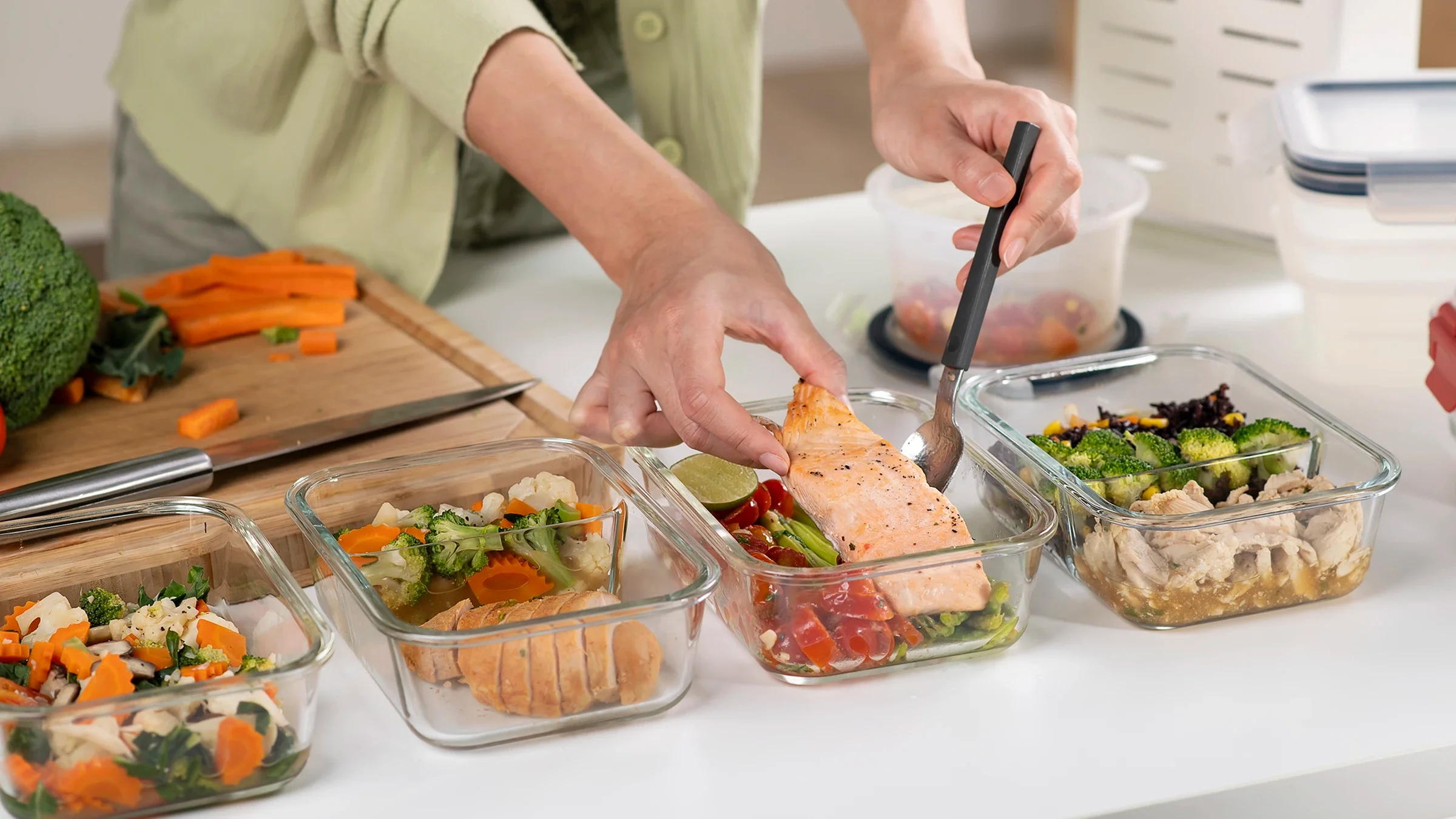
Grilling, baking, or air-frying chicken lets you add flavor without too many calories. And chicken is a great protein to use when you’re prepping meals ahead of time.
2. Turkey breast
Protein per serving (3 oz): 25.6 g
Like chicken, turkey is a lean, high-protein meat.
Turkey’s nutrients are similar to chicken’s. But turkey is slightly lower in calories, and it has a little more vitamin B12, zinc, and choline.
Oven-roasted turkey breast is a nutritious option for deli meat. Whole turkey breast and lean ground turkey (93% fat) are also versatile options. Ground turkey works well in:
Chili
Tacos
Stir-fry
Meatballs
3. Greek yogurt
Protein per serving (6 oz): 17.3 g
Greek yogurt has more protein than regular yogurt. That’s because it's strained to remove extra liquid, which concentrates its protein content.
Some yogurts also contain probiotics. Probiotics might help you manage your weight. That’s because your gut bacteria can affect how your body absorbs calories and stores fat.
Just be sure to choose plain, unsweetened yogurt, since flavored versions are often high in sugar. Nonfat and low-fat varieties are lower in calories. But full-fat options offer a lot of nutrition, too, and can be part of a balanced diet.
Try Greek yogurt for breakfast or as a snack — topped with berries, nuts, and/or seeds for added fiber. You can also blend Greek yogurt into smoothies, or use it in recipes as a substitute for sour cream.
4. Eggs
Protein per serving (1 large): 6.3 g
Eggs can be an excellent part of a weight-loss diet. The combination of protein and fat helps stabilize blood sugar. This can reduce the blood sugar spikes that can lead to energy crashes and food cravings.
In addition to their protein, eggs contain healthy unsaturated fats that keep you fuller for longer. In fact, eating eggs in the morning may help reduce overall calorie intake throughout the rest of the day. Eggs are also high in leucine, an amino acid important for building muscle.
Try pairing eggs with fiber-rich foods like vegetables, whole-grain toast, or oatmeal.
5. Cottage cheese
Protein per serving (1/2 cup, or 4 oz): 11.8 g
Cottage cheese is having a moment (again). That's because it's one of the most protein-dense foods you can eat. A half cup of low-fat cottage cheese has less than 100 calories, but almost as much protein as 2 eggs. Most of the protein in cottage cheese comes from casein. This slow-digesting milk protein helps keep you full longer compared to other proteins.
Top cottage cheese with your favorite seasonings, or use it as a dip for vegetables. You can also use it as a topping for baked potatoes.
6. Tuna
Protein per serving (3 oz): 20.1 g
Tuna has very little fat and calories. And, like eggs, tuna is rich in the amino acid leucine.
Canned tuna is convenient, shelf-stable, and budget-friendly, and it can help you build quick, protein-rich meals. If you’re on a weight-loss diet, you may want to choose tuna that's packed in water instead of oil. Even though olive oil offers many health benefits, it adds calories and fat.
If you’re a fan of avocado toast, try topping your toast with tuna-avocado smash with lime and red pepper flakes instead.
7. Lean beef
Protein per serving (4 oz): 22.6 g
Chicken often gets more attention in weight-loss diets, but lean beef can also be part of a weight-loss strategy. Aside from its protein, lean beef has iron and vitamin B12 to support energy levels and red blood cell production.
To keep fat content in check, look for 90% lean ground beef. Or choose other lean cuts of meat like top sirloin or tenderloin.
Use ground beef in grain bowls or tacos. Or prepare lean beef on skewers with veggies.
8. Salmon
Protein per serving (3 oz): 21.6 g
Salmon is higher in calories than some other lean proteins. But it’s nutrient-rich and can support weight loss.
Salmon contains omega-3 fatty acids, a type of unsaturated fat that can reduce inflammation and support heart health and brain health.
You can eat salmon baked, pan-fried, grilled, or smoked (lox). Canned salmon is budget-friendly and works well in grain bowls, salads, or on toast.
9. Lentils
Protein per serving (1/2 cup): 8.9 g
Lentils are rich in protein and fiber. And they have a low glycemic index (GI). That means they’re less likely to cause blood sugar spikes that can lead to cravings. But, like most plant proteins, lentils aren’t complete proteins on their own.
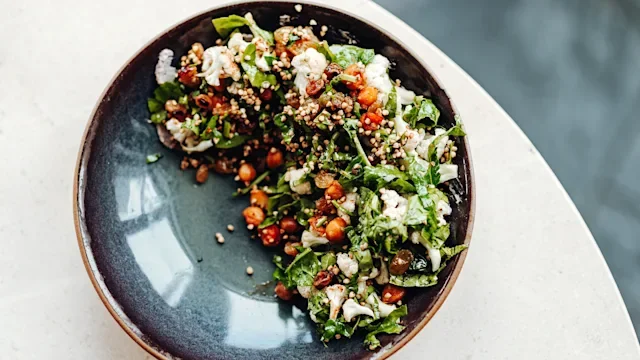
Try lentils in soups or roasted into “croutons” to make a crunchy topping for salad.
10. Soybeans
Protein per serving (1/2 cup): 15.7 g
Like other legumes, mature soybeans provide a mix of protein and fiber. They have about twice as much protein as other beans. Plus, they contain important nutrients like iron, magnesium, and B vitamins that support energy and overall health.
Use cooked soybeans in soups and stews, or blend them into dips.
How much protein do you need in a diet for weight loss?
Research supports getting around 1.2 g to 2 g of protein per kilogram of body weight per day for weight loss. This is about two times more than previously thought.
A good rule of thumb is to aim for 20 g to 30 g of protein per meal. But individual protein needs vary based on factors like body size, activity level, and goals.
How can you add high-protein foods to your diet?
Adding more high-protein foods to your diet doesn’t require tracking every gram of protein, or overhauling the way you eat. Here are some things you can try:
Include a protein source at every meal and snack. Add nuts, seeds, or eggs to oatmeal. Use chicken, tuna, or seeds in green salads. Or dip apple slices in cottage cheese or nut butter.
Eat a high-protein breakfast. Swapping out refined carbohydrates — like bagels, pastries, or cereal — for high-protein breakfasts can help with weight goals.
Find portable protein options. Keeping high-protein snacks like hard-boiled eggs or tuna packets on hand can help you stay on track during the day.
Can you have too much protein in your diet?
Yes, it’s possible to have too much protein in your diet. Consistently prioritizing protein at the expense of other foods can have downsides, including:
Crowding out other nutrients: Eating too much protein can prevent you from getting enough other important nutrients like antioxidants and fiber.
Weight gain: Excess calories from any source, including lean protein, can contribute to weight gain.
Stressing your kidneys: There are a few different ways that too much protein can harm your kidneys. Healthy kidneys can usually adapt. But compromised kidneys often can’t.
Frequently asked questions
Foods that are high in protein and relatively low in calories can help weight loss. Examples are chicken breast, turkey, lean ground beef, Greek yogurt, and legumes. These foods help control hunger while supporting muscle mass.
The “3-3-3 rule” is a way of tracking macros, the three main nutrients your body uses for energy. It suggests choosing 3 protein sources, 3 fat sources, and 3 carbohydrate sources to use as the basis for your diet. Then you choose one food from each category at each meal. The goal is to streamline your options and help make consistent, balanced eating easier to maintain.
No single food can target belly fat specifically. But protein can support overall fat loss by keeping you full, preserving muscle, and supporting a healthy metabolism.
Foods that are high in protein and relatively low in calories can help weight loss. Examples are chicken breast, turkey, lean ground beef, Greek yogurt, and legumes. These foods help control hunger while supporting muscle mass.
The “3-3-3 rule” is a way of tracking macros, the three main nutrients your body uses for energy. It suggests choosing 3 protein sources, 3 fat sources, and 3 carbohydrate sources to use as the basis for your diet. Then you choose one food from each category at each meal. The goal is to streamline your options and help make consistent, balanced eating easier to maintain.
No single food can target belly fat specifically. But protein can support overall fat loss by keeping you full, preserving muscle, and supporting a healthy metabolism.
The bottom line
Eating high-protein foods can support weight loss. Choosing low-calorie, minimally processed protein sources can help you feel fuller, reduce cravings, and maintain muscle mass. Try to add proteins to every meal and snack, and pair proteins with fiber-rich foods and healthy fats.

Why trust our experts?




References
American Diabetes Association. (2022). High blood sugar and hunger.
Bendtsen, L. Q., et al. (2013). Effect of dairy proteins on appetite, energy expenditure, body weight, and composition: A review of the evidence from controlled clinical trials. Advances in Nutrition.
Jerab, D., et al. (2025). Beneficial effects of omega-3 fatty acids on obesity and related metabolic and chronic inflammatory diseases. Nutrients.
Ko, G.-J., et al. (2020). The effects of high-protein diets on kidney health and longevity. Journal of the American Society of Nephrology.
MyFoodData. (n.d.). Beef, ground (minced), 90% lean meat / 10% fat, raw.
MyFoodData. (n.d.). Canned white tuna (packed).
MyFoodData. (n.d.). Cooked lean chicken breast.
MyFoodData. (n.d.). Cooked lentils (boiled) (mature seeds).
MyFoodData. (n.d.). Cooked wild Atlantic salmon.
MyFoodData. (n.d.). Lowfat cottage cheese.
MyFoodData. (n.d.). Mature soybeans (boiled).
MyFoodData. (n.d.). Non fat Greek yogurt.
MyFoodData. (n.d.). Poached eggs.
MyFoodData. (n.d.). Roasted turkey breast.
UMass Chan Medical School Center for Applied Nutrition. (n.d.). Animal products – the saturated fat.
Volek, J. S., et al. (2024). Nutritional considerations during major weight loss therapy: focus on optimal protein and a low-carbohydrate dietary pattern. Current Nutrition Reports.
Wilson, L., et al. (2012). Eggs at breakfast increase satiety and reduce the subsequent intake of energy at lunch and an evening meal relative to cereal or croissant-based breakfasts. Proceedings of the Nutrition Society.
Xu, Z., et al. (2015). The effectiveness of leucine on muscle protein synthesis, lean body mass and leg lean mass accretion in older people: A systematic review and meta-analysis. The British Journal of Nutrition.