Key takeaways:
Hemp seeds are the soft, edible inner part of the hemp plant.
Hemp seeds provide healthy fats, complete plant-based protein, and essential minerals that support heart health, digestion, and energy.
Hemp seeds are high in fat and calories, so it’s best to stick to about 1 oz per day.
Since hemp seeds are mild-tasting, it’s easy to add them to foods like oatmeal, yogurt, and smoothies.
When it comes to seeds to snack on, you may be more familiar with sunflower, pumpkin, and sesame. But hemp seeds are worth getting to know. They’re rich in healthy fats, plant-based protein, and minerals that support heart, digestive, and skin health.
Part of what makes them great is that they’re versatile and very mild-tasting, so they fit easily into everyday meals. You can sprinkle, stir, or blend them into foods you’re already eating without changing the flavor much.
Below, we’ll take a closer look at the potential benefits of hemp seeds, and how to incorporate them into your diet.
What are hemp seeds?
Hemp seeds come from the hemp plant (Cannabis sativa), which grows in many parts of the world, including Europe, Canada, and the U.S. Yes, this is the same plant species as marijuana. But the seeds don’t naturally contain cannabidiol (CBD) or tetrahydrocannabinol (THC), the compounds responsible for marijuana’s psychoactive effects.
Hemp seeds come in three main forms:
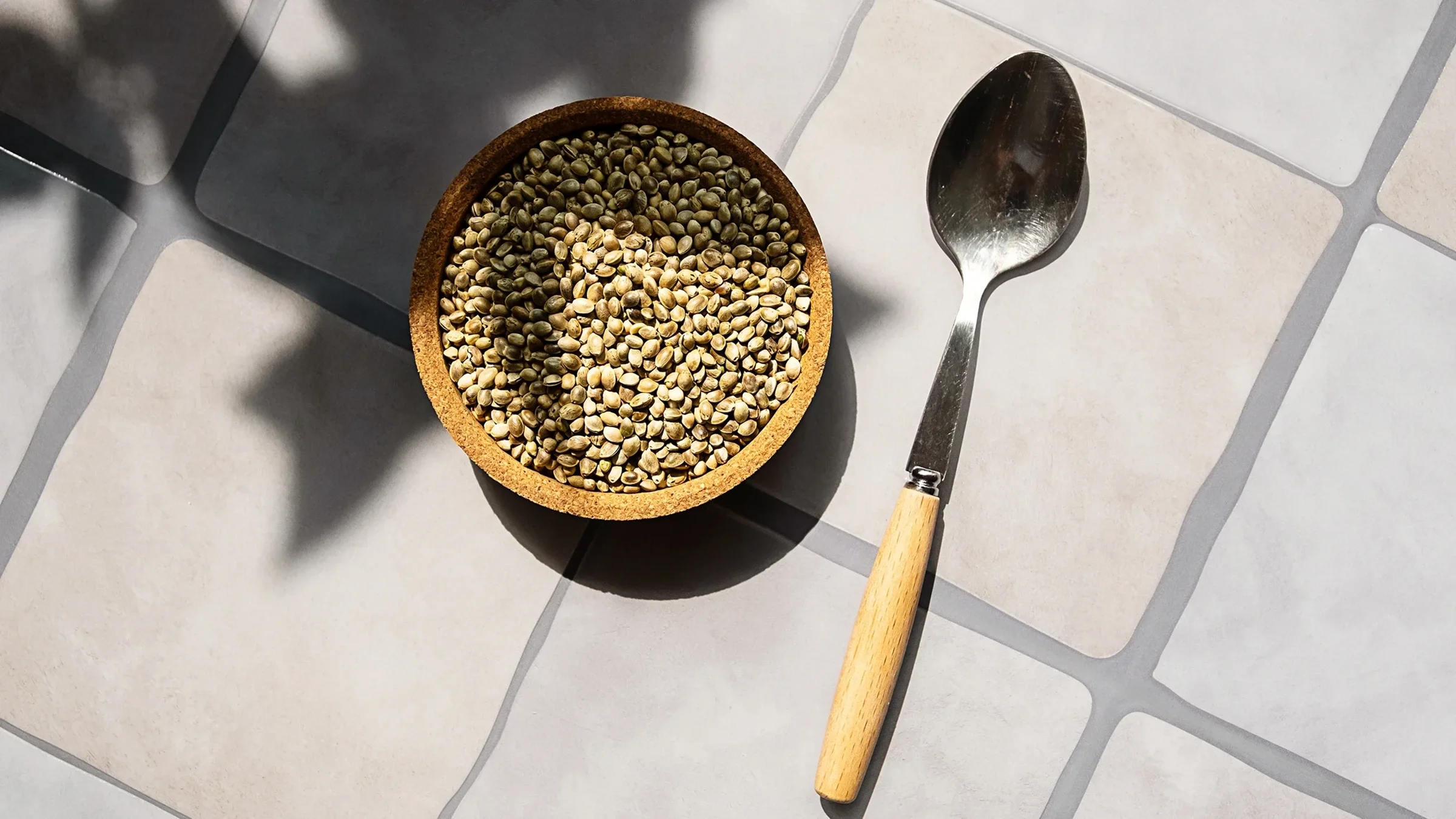
Hulled hemp seeds (also called hemp hearts): These are soft, greenish seeds that have their outer shell (hull) removed. This is the kind you’ll find most often at the store, since they’re the easiest to eat and add to meals.
Whole hemp seeds (with the outer shell): With their shell on, hemp seeds are firmer and a bit crunchier. But this kind of hemp seed is less common to eat.
Hemp seed oil: Made by cold-pressing hemp seeds, hemp seed oil has a rich, nutty flavor. It works best as a finishing oil, not a cooking oil.
Benefits of hemp seeds
Like most seeds, hemp seeds are packed with healthy fats, protein, and fiber that provide potential health benefits. Let’s take a look at how hemp seeds can boost your health.
Note: In this article, we’ll focus on hemp hearts — hulled hemp seeds — since these are the most common type to eat.
1. Heart health
One of the biggest reasons hemp seeds get so much attention is their fat profile. They contain omega-6 and omega-3 fatty acids, which together help keep cholesterol in a healthy range. They do this by lowering LDL (“bad”) cholesterol while supporting HDL (“good”) cholesterol.
Hemp seeds are also a good source of magnesium, which helps regulate blood pressure and maintain a normal heart rhythm — both of which are important for heart health.
2. Anti-inflammatory properties
The balance of omega-3 and omega-6 fatty acids in hemp seeds may also help your body manage inflammation.
Getting too much omega-6 and not enough omega-3 can shift the body toward a more inflammatory state. And many typical Western diets already lean heavily in that direction. But hemp seeds contain a type of omega-6 called gamma-linolenic acid (GLA). Research suggests GLA may directly support a healthy inflammatory response, though more research is needed.
Keeping inflammation in check is linked to a lower risk of developing chronic conditions, such as:
Heart disease
Diabetes
Cancer
Autoimmune disorders, such as rheumatoid arthritis and inflammatory bowel diseases
3. High in protein
Hemp seeds provide a lot of plant-based protein. A 1 oz serving contains about 9 g — more than an egg, which has just over 6 g.
Hemp seeds are also a complete protein, meaning they contain all nine essential amino acids your body needs but can’t make on its own. That’s rare for plant-based foods, and especially helpful if you follow a plant-based diet.
Protein supports muscle repair, satiety (feeling of fullness), and weight management. And by slowing down digestion, protein helps stabilize blood sugar. So adding hemp seeds to your meals may help you avoid energy spikes and crashes.
4. Digestion support
Hemp seeds contain both soluble and insoluble fiber, which support digestion in different ways. Soluble fiber dissolves in water to form a gel-like substance that slows digestion and helps keep your blood sugar steady. Insoluble fiber adds bulk to stool and helps food move through your digestive tract, which helps keep you regular. The fiber in hemp seeds also supports weight management.
5. Skin health
Eating hemp seeds may also benefit skin health, thanks to their omega fatty acids. These fats help maintain the skin barrier, which keeps moisture in and irritants out — leading to skin that’s less prone to dryness or irritation. Hemp seed oil is also commonly added to skin care products since it can also support the skin barrier from the outside.
Hemp seeds nutrition
Here are some of the nutrients in a 1 oz serving of hemp seeds:
Calories: 157
Total fat: 13.8 g
Protein: 9 g
Total carbohydrates: 2.5 g
Fiber: 1.1 g
Phosphorus: 468.6 mg (37% daily value, or DV)
Iron: 2.3 mg (13% DV)
Magnesium: 198.8 mg (47% DV)
Zinc: 2.8 mg (26% DV)
Manganese: 2.2 mg (94% DV)
Potassium: 340.8 mg (7% DV)
What are the downsides of hemp seeds?
While hemp seeds offer a lot of benefits, there are some things to keep in mind when adding them to your diet:
Calorie-dense: Hemp seeds are high in calories that can add up quickly if you’re not watching portions. Stick to 1 oz servings.
Digestive discomfort: Some people have trouble digesting hemp seeds. One reason is the fat content. Another reason is that eating whole hemp seeds (with the shell) can be harder to digest. Hemp hearts tend to be easier on the stomach. But whichever form you choose, start with a small amount and gradually increase your intake to give your body time to adjust.
They have a short shelf life: Because of their high fat content, an opened package of hemp seeds can spoil quickly if they aren’t stored properly. To keep them fresh, store them in an airtight container.
How to eat hemp seeds?
There are many easy ways to add hemp seeds to your diet. Look for hemp hearts, which come ready to eat. You can try them:
Sprinkled on top of yogurt or smoothie bowls
Stirred into hot oatmeal or overnight oats
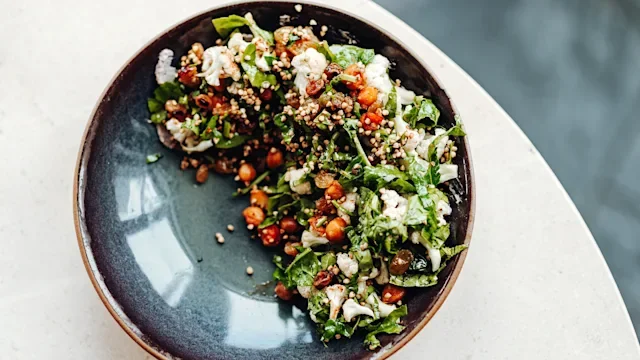
Added to salads or grain bowls
As a topping on almond butter or peanut butter toast
Blended into smoothies
Stirred into soups just before serving
Mixed into homemade energy bites
Added to pancake batter
Frequently asked questions
When comparing chia seeds vs. hemp seeds, neither is “healthier” — each just has different benefits. Both are a complete protein source. Chia seeds are higher in fiber, while hemp seeds contain more healthy fats. They’re used a little differently, too. You can snack on a handful of hemp seeds, or sprinkle them onto foods. Chia seeds are much smaller, and work best mixed into liquids — like smoothies, yogurt, or oatmeal.
No, hemp seeds have a very low glycemic index, which means they don’t cause a rapid spike in blood sugar. Their fat, protein, and fiber help slow digestion and keep blood sugar steady.
Yes, consuming hemp seed oil can be good for you. Hemp seed oil contains beneficial unsaturated fats. But it lacks the protein, fiber, and minerals found in whole hemp seeds. Including both hemp seeds and hemp seed oil in your diet is a good way to get a balance of fat and other nutrients. Note that hemp seed oil has a low smoke point, so it’s not ideal for cooking. Instead, try it in salad dressings, cold sauces, or as a finishing oil on pasta and vegetables.
When comparing chia seeds vs. hemp seeds, neither is “healthier” — each just has different benefits. Both are a complete protein source. Chia seeds are higher in fiber, while hemp seeds contain more healthy fats. They’re used a little differently, too. You can snack on a handful of hemp seeds, or sprinkle them onto foods. Chia seeds are much smaller, and work best mixed into liquids — like smoothies, yogurt, or oatmeal.
No, hemp seeds have a very low glycemic index, which means they don’t cause a rapid spike in blood sugar. Their fat, protein, and fiber help slow digestion and keep blood sugar steady.
Yes, consuming hemp seed oil can be good for you. Hemp seed oil contains beneficial unsaturated fats. But it lacks the protein, fiber, and minerals found in whole hemp seeds. Including both hemp seeds and hemp seed oil in your diet is a good way to get a balance of fat and other nutrients. Note that hemp seed oil has a low smoke point, so it’s not ideal for cooking. Instead, try it in salad dressings, cold sauces, or as a finishing oil on pasta and vegetables.
The bottom line
Hemp seeds can be a small but powerful addition to your diet, providing protein, heart-healthy fats, fiber, and more. They’re easy to work into meals without changing the flavor much. Hemp hearts are your best bet, since they’re easier to digest and ready to use. Just try to be mindful of portions, and stick to a serving of about 1 oz per day.

Why trust our experts?




References
Callaway, J. C. (2004). Hempseed as a nutritional resource: An overview. Euphytica.
Clemente-Suárez, V. J., et al. (2023). Global impacts of Western diet and its effects on metabolism and health: A narrative review. Nutrients.
Dunford, N. (2020). Hemp seed oil properties. Oklahoma State University.
Farinon, B., et al. (2020). The seed of industrial hemp (Cannabis sativa L.): Nutritional quality and potential functionality for human health and nutrition. Nutrients.
Kaçar, Ö. F., et al. (2025). Dietary hempseed and cardiovascular health: nutritional composition, mechanisms and comparison with other seeds. Frontiers in Nutrition.
Montero, L., et al. (2023). Hemp seeds: Nutritional value, associated bioactivities and the potential food applications in the Colombian context. Frontiers in Nutrition.
MyFoodData. (n.d.). Hemp seeds (hulled).
MyFoodData. (n.d.). Poached eggs.
Ryczaj, K., et al. (2025). Feeding the skin barrier: The impact of macro‐ and micronutrients on skin barrier function. Clinical and Translational Allergy.
Sergeant, S., et al. (2016). Gamma-linolenic acid, dihommo-gamma linolenic, eicosanoids and inflammatory processes. European Journal of Pharmacology.
Tănase Apetroaei, V., et al. (2024). Hemp seeds (Cannabis sativa L.) as a valuable source of natural ingredients for functional foods—A review. Molecules.
U.S. Food and Drug Administration. (2018). FDA responds to three GRAS notices for hemp seed-derived ingredients for use in human food.