Key takeaways:
Oatmeal is a healthy way to start the day. It’s high in fiber, which is good for digestive health and cholesterol levels.
Oatmeal isn’t high in protein, an important nutrient to include at breakfast. A ½-cup serving only has about 5 g of protein. Aim for about 20 g of protein at breakfast.
It’s easy to add protein to your morning oatmeal with foods like nuts, seeds, eggs, yogurt, protein powder, tofu, cottage cheese, and peanut butter. These foods can double or even triple the amount of protein in your breakfast.
A bowl of oatmeal has been a popular breakfast staple around the world for thousands of years. It’s versatile, convenient, and can be prepared in a lot of different ways. Oatmeal is a whole grain and a good source of fiber, which is why it’s associated with improved digestive and heart health. But it isn’t a great source of protein.
Eating more protein at breakfast may help you feel full for longer, maintain muscle mass as you age, and reach your weight goals. In this article, we’ll share delicious, filling ways to increase the protein in your morning oatmeal.
Quiz: What should I eat for breakfast?
How much protein is there in oatmeal?
The amount of protein in your oatmeal depends on the kind of oatmeal you choose. Below are three common types of oatmeal and their nutrition facts. Most types of oatmeal on the market today provide similar nutrients, but serving sizes and preparation methods can vary.
| Steel-cut oats | Old-fashioned oats | Instant oatmeal |
|---|---|---|
| Prep: Bring water to a boil, then add oats and cook for 25-30 minutes. | Prep: Bring water to a boil, then add the oats and cook for 3-5 minutes. | Prep: Combine water with instant oats and microwave for 90 seconds. |
Nutrition facts (¼ cup serving):
|
Nutrition facts (½ cup serving):
|
Nutrition facts (1 packet):
|
Steel-cut oats, also called Irish oats, are cut into pieces instead of flattened during processing. This means they take the longest time to cook. It can take up to 30 minutes to prepare steel-cut oats. This is similar to cooking other minimally processed, whole grains. like wild rice and quinoa.
Old-fashioned oats are steamed and flattened before packaging, so they take less time to cook.
Instant oatmeal goes a step further during processing: They’re precooked and dried, which makes them quick to prepare. It’s important to note that many instant oatmeals at restaurants and on grocery shelves contain added sugar. Some newer options even come with protein already added.
10 ways to add protein to oatmeal
Oatmeal is a good way to start the day, and adding protein can make it even better. A study of more than 10,000 adults found that eating a higher-protein breakfast (with 10 g to 23 g of protein) was linked to improved blood pressure and cholesterol levels.
Your individual protein needs are unique to you and your life stage. But many groups of people may benefit from getting more protein to help maintain or build muscle mass. These include older adults, athletes, and people who want to lose weight or maintain their current weight.
1. Prepare it with milk
A cup of milk adds 8 g of protein.
A simple way to add more protein to your oatmeal is to use milk instead of water. In addition to adding protein, milk provides a good or excellent source of 12 other essential nutrients, including calcium, vitamin D, and iodine. You can use a milk with the fat level of your choice, or opt for a lactose-free variety if you have symptoms of lactose intolerance.
An 8-oz serving of reduced-fat milk has:
123 calories
8 g of protein
12 g of carbohydrates
5 g of fat
0 g of fiber
2. Add protein powder
A scoop of whey or soy protein powder adds 13 g of protein.

Read more like this
Explore these related articles, suggested for readers like you.



Protein powders aren’t only for frequent gym-goers. They’re easy to store in your pantry and add to the foods you already eat.
Different protein powders come from different sources of protein. According to a protein rating system, whey and soy protein both receive the highest score of 1. For comparison, pea protein scores a 0.89, while rice protein scores 0.41.
Protein quality is important. But so is finding a powder you like and will use. Many retailers sell small packets of protein powder so you can try different flavors and brands.
One scoop of whey protein powder generally adds about:
75 calories
13 g of protein
4 g of carbohydrates
0 g of fiber
1 g of fat
The amount of added sugar and other ingredients varies by the product. Check the Supplement Facts label to see what you’re getting.
3. Stir in peanut butter
A serving of peanut butter adds 7 g of protein.
Peanut butter is a pantry staple in many households in the U.S. It also adds healthy fats and great flavor to any bowl of oatmeal.
In a 2-tbsp serving of peanut butter (about the size of a golf ball) there’s about:
188 calories
7 g of protein
8 g of carbohydrate
2 g of fiber
16 g of fat (a blend of nutritious fats)
Fat has more calories per gram than protein or carbohydrates, so a little goes a long way. Healthy fats are also important to include in your meals because they help your body absorb certain vitamins and nutrients from food.
For a lower-calorie option, try powdered peanut butter. It provides 6 g of protein and 60 calories in a 2-tbsp serving.
4. Add chia seeds
A tablespoon of chia seeds adds 4 g of protein.
Chia seeds are a good source of fiber, and they also add protein to a bowl of oatmeal.
A 1-oz serving of chia seeds (about the size of a golf ball) provides:
120 calories
4 g of protein
7 g of fat
10 g of carbohydrates
8 g of fiber
That’s 8 g of fiber in a single serving! So, you may want to start with a smaller serving of chia seeds to avoid any unwanted digestive issues.
Chia seeds are also one of the few plant-based sources of omega-3 fatty acids. These are healthy fats that can reduce inflammation in your body and support brain health.
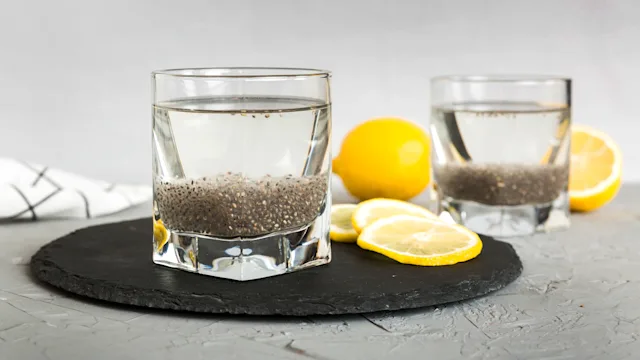
If you don’t like a crunchy texture in your oatmeal, try soaking them first. When you put them in milk or water for about 20 minutes, they swell up and develop a gel-like texture.
5. Add some nuts
A serving of pistachios or almonds adds 6 g of plant-powered protein.
Nuts are a great way to add protein, fiber, and nutritious fats to your oatmeal. Almonds and pistachios have the highest protein content of any nut.
In a 1-oz serving of almonds (23 almonds), there is:
170 calories
6 g of protein
15 g of fat
6 g of carbohydrate
3 g of fiber
In a 1-oz serving of pistachios (49 pistachios) there is:
151 calories
5.7 g of protein
13.2 g of fat
7.6 g of carbohydrate
3 g of fiber
Nuts and nut butters are both calorie- and nutrient-dense, which means they pack a lot of nutrition (and calories) into a small amount. Sliced almonds, crushed pistachios, or nut butters make delicious additions to a bowl of oatmeal. But you can add any nut that you prefer.
For extra flavor and nutrients, round out your nutty oatmeal with cinnamon and pumpkin purée or fresh berries.
6. Add eggs
A single egg adds 6 g of high-quality protein.
Adding eggs to oatmeal makes for a savory breakfast combination. For under 100 calories, 1 egg provides:
72 calories
6.3 g of high-quality protein
5 g of fat
0.36 g of carbohydrates
0 g of fiber
Eggs are considered a complete protein. This means they provide all nine essential amino acids, which are the building blocks of protein. They also contain crucial nutrients, including iodine and choline, which can be difficult to source from other foods.
Start with plain instant oats and add water or milk. Then whisk in an egg. Microwave the mixture for 2 to 3 minutes. Try adding green onions or cheese to the top.
7. Stir in some yogurt
Yogurt adds 6 g to 15 g of protein, depending on the type.
Similar to eggs, yogurt is a source of high-quality protein. The amount of protein depends on how it was processed. Both Greek and Icelandic-style yogurts usually provide higher protein (and a thicker consistency) than traditional yogurt.
Greek yogurt provides:
165 calories
15.3 g of protein
8.5 g of fat
7 g of carbohydrate
0 g of fiber
Regular yogurt is also a great way to boost the health benefits of your oatmeal and adds:
104 calories
6 g of protein
5.5 g of fat
8 g of carbohydrate
0 g of fiber
Yogurt is also a fermented food, which provides additional beneficial bacteria that supports gut health. The fermentation process also reduces the amount of lactose content of yogurt. While all yogurt is fermented, some varieties have added probiotics. These are live microorganisms that can provide additional benefits beyond digestive health.
8. Add cottage cheese
A ½ cup of cottage cheese adds 12 g of protein.
Cottage cheese has become more popular in recent years. That is probably because of its versatility and high-quality protein. Add it to a savory bowl of oatmeal with eggs and sautéed onions and peppers. Or make a sweet bowl with berries and cinnamon.
A ½-cup serving of cottage cheese provides:
103 calories
12 g of protein
4.5 g of fat
3.5 g of carbohydrate
0 g of fiber
9. Mix in sunflower seed butter
Sunflower butter provides 6 g of protein in 2 tbsp.
Similar to peanut butter, seed butters add protein and a creamy texture to oatmeal. Sunflower seeds are excellent sources of selenium, vitamin E, antioxidants, and heart-healthy unsaturated fats. They’re also safe for people who have food allergies to tree nuts and peanuts.
In 2 tbsp of sunflower butter, there is:
197 calories
5.5 g of protein
18 g of fat
7.5 g of carbohydrate
2 g of fiber
10. Try adding tofu
Silken tofu provides 5 g of protein in a 3-oz serving.
Tofu is surprisingly versatile, and there are multiple different kinds. Silken tofu is soft and creamy, making it easy to stir into your morning oats.
In a 3-oz serving of silken tofu, there is:
50 calories
5 g of protein
2.5 g of fat
2 g of carbohydrate
0 g of fiber
High-protein overnight oats
There are an unlimited number of oatmeal combinations that can boost the protein and flavor of your breakfast. Overnight oats are a great way to add protein to your breakfast. And you can make it in advance to save you some time in the morning.
Peanut butter banana overnight oats
Makes 4 servings
Ingredients:
2 cups of old-fashioned rolled oats
1 ½ cups of whole milk
1 container (1 oz to 6 oz) Icelandic yogurt
1 scoop of unflavored whey protein powder
2 tbsp of peanut butter
1 tsp of cinnamon
2 bananas
Instructions:
Combine rolled oats, whole milk, yogurt, protein powder, peanut butter, and cinnamon in a bowl. Divide the mixture evenly into four jars.
Cover and refrigerate overnight for at least 8 hours.
Top each serving with sliced banana. Enjoy!
Each serving gives you:
359 calories
19 g of protein
10 g of fat
50 g of carbohydrate
6 g of fiber
The amount of added sugar and salt varies by brand. Between the peanut butter, cinnamon, milk, and banana, you may not need any additional sugar.
Frequently asked questions
Oatmeal provides between 3 g and 5 g of fiber per serving. It’s considered a good source of fiber. Adding nuts, berries, or seeds can add even more fiber.
Plain oatmeal can be bland, so you can make it sweet or savory. To make a savory oatmeal, start with plain oatmeal and add your choice of liquid according to the package instructions. Before microwaving or baking, add an egg, diced onion, and peppers. Once the oatmeal is cooked and warm, you can top it with shredded cheese or cottage cheese.
To make high-protein baked oatmeal, mix old-fashioned oats, eggs, cottage cheese, milk, and your choice of vegetables in a bowl. Pour the mix into an oven-safe dish and bake for 20 to 30 minutes at 350°F (177°C), or until fully cooked. For a sweet version, mix oats, eggs, milk, fruit, and nuts, then bake the same way.
Oatmeal is a part of the grain food group. While it does contain carbohydrates, it’s a whole grain. Whole grains provide high-quality nutrients like fiber, iron, and B vitamins. Choose whole grains over refined grains when possible.
The bottom line
Oatmeal is a great way to start the day. But if it leaves you feeling hungry just a couple of hours later, or if you’re looking for ways to increase your protein intake, try adding different ingredients to your oatmeal. Foods like nuts, eggs, protein powder, or dairy products can double or triple the protein in your breakfast. Aim for an oatmeal recipe that contains 10 g to 23 g of protein.

Why trust our experts?



References
Berryman, C. E., et al. (2021). Greater protein intake at breakfast or as snacks and less at dinner is associated with cardiometabolic health in adults. Clinical Nutrition.
Khalid, W., et al. (2022). Chia seeds (Salvia hispanica L.): A therapeutic weapon in metabolic disorders. Food Science & Nutrition.
Kristek, A., et al. (2018). The gut microbiota and cardiovascular health benefits: A focus on wholegrain oats. Nutrition Bulletin.
My Food Data. (n.d.). Beverages, Abbott, EAS whey protein powder.
My Food Data. (n.d.). Cereals, quaker, instant oatmeal organic, regular.
My Food Data. (n.d.). Cottage cheese (blended).
My Food Data. (n.d.). Dry roasted almonds.
My Food Data. (n.d.). Greenwise - steel cut oats.
My Food Data. (n.d.). Milk, reduced fat, fluid, 2% milkfat, without added vitamin A and vitamin D.
My Food Data. (n.d.). Pb2 - powdered peanut butter.
My Food Data. (n.d.). Peanut butter (smooth).
My Food Data. (n.d.). Plain Greek yogurt (whole milk, full fat).
My Food Data. (n.d.). Plain yogurt (whole milk, full fat).
My Food Data. (n.d.). Poached eggs.
My Food Data. (n.d.). Roundy’s - Roundy’s old fashioned oats.
My Food Data. (n.d.). Seeds, sunflower seed butter, without salt.
My Food Data. (n.d.). Wegmans - chia seeds.
My Food Data. (n.d.). Whole foods market - silken tofu.
My Food Data. (n.d.). Wonderful - pistachios.
Rutherfurd, S. M., et al. (2015). Protein digestibility-corrected amino acid scores and digestible indispensable amino acid scores differentially describe protein quality in growing male rats. The Journal of Nutrition.
U.S. Department of Agriculture. (2020). Dietary Guidelines for Americans, 2020-2025.