Key takeaways:
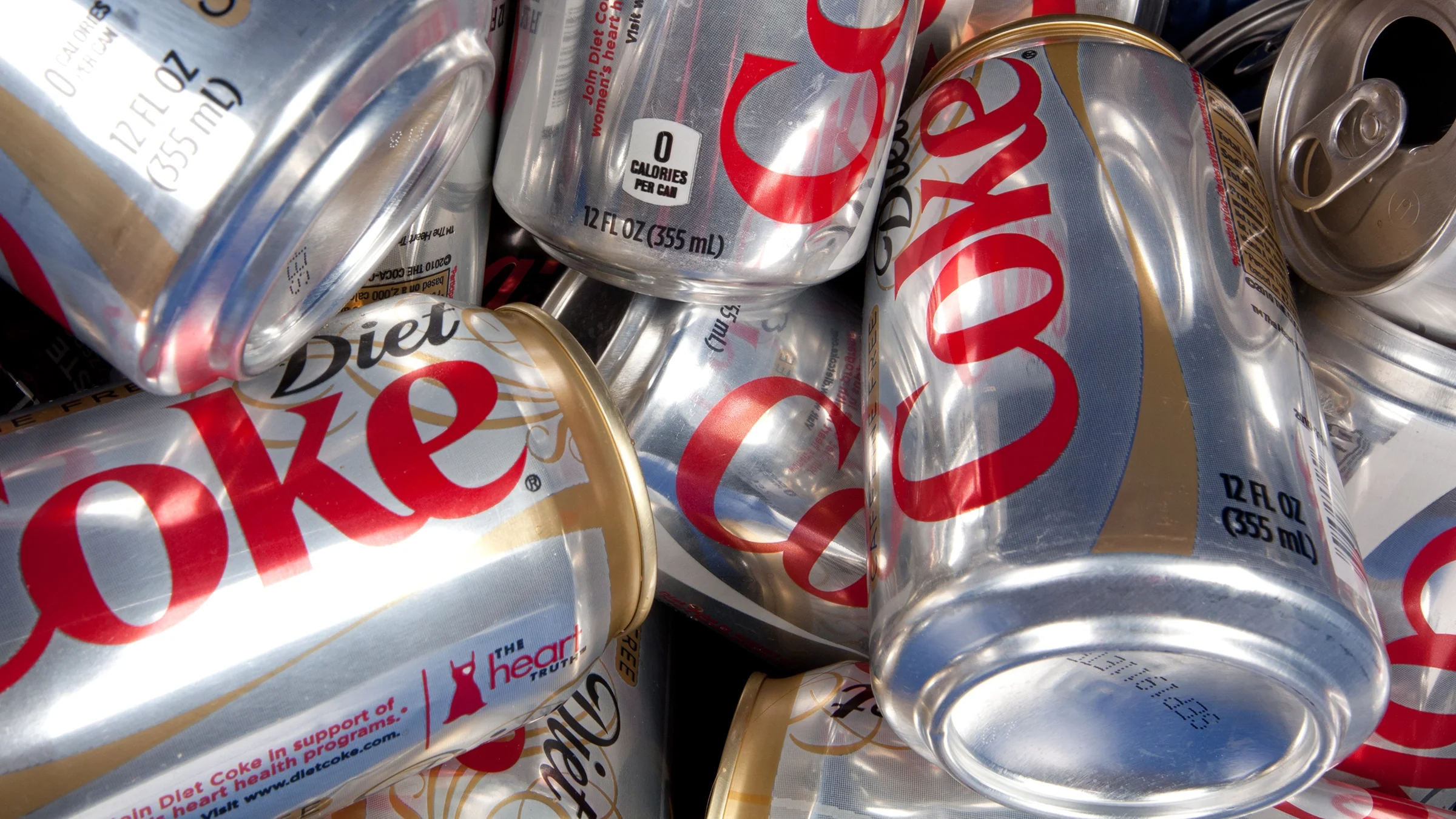
Diet soda contains little to no calories or sugar. Instead of added sugar, it uses low- or no-calorie sweeteners, like aspartame or sucralose.
Replacing regular soda with diet soda can help you cut back on sugar and calories. But diet soda doesn’t contain meaningful nutrients, and researchers are still studying its long-term health effects.
Some studies have linked diet soda to health concerns, including diabetes and heart disease. But it’s not clear if diet soda causes these problems.
Diet soda has long been marketed as a “healthier” alternative to regular soda. Because it has little to no sugar or calories, it can seem like a good choice if you’re trying to cut back on sugar or manage your weight. But headlines about its health effects can be confusing. So, do you need to quit your diet soda habit?
Is diet soda bad for you?
Diet soda isn’t necessarily bad for you. A useful way to think about it is to consider what it’s replacing in your usual routine. If you drink diet soda instead of regular soda, it can help you cut back on added sugar. But if you’re choosing diet soda instead of water, water is generally the better choice for everyday hydration.
Most diet sodas get their sweetness from low- or no-calorie sweeteners, like aspartame, sucralose, or stevia. The FDA considers these sweeteners safe for their permitted uses. But researchers are still studying whether they may affect your long-term health.
You don’t need to give up diet soda if you enjoy it. Just remember that water and other unsweetened drinks are good choices for meeting most of your daily hydration needs.
Does diet soda help with blood sugar?
Diet soda won’t usually raise your blood sugar the way regular soda does. That’s because it contains little to no sugar or carbohydrates.
But researchers are studying whether certain sweeteners may affect how your body responds to insulin, a hormone that helps control blood sugar. So far, it’s unclear whether drinking diet soda affects long-term blood sugar control.
For now, the clearest benefit of diet soda is that it may help you consume less sugar when it replaces regular soda.
Does diet soda help with weight?
Diet soda can help with weight management if it’s replacing regular soda. That’s because making the switch can reduce your calorie intake. A review of clinical trials found small improvements in weight when people replaced sugary drinks with drinks sweetened with low- or no-calorie sweeteners. But diet soda isn’t a weight-loss strategy on its own.
The World Health Organization (WHO) advises against relying on non-sugar sweeteners for weight control. This advice is based on a lack of clear long-term benefit. The guidance looks at sweeteners used in many types of foods and drinks. But it doesn’t mean that replacing regular soda with diet soda can’t help you cut back on calories.
If diet soda helps you cut back on sugary drinks, it may be a useful swap. Of course, your overall eating habits matter more for weight management than any one beverage.
What other health concerns are researchers studying?
The research on diet soda is still developing. So far, most of the findings are based on self-reported data, which leaves a lot of room for error. Some studies have linked frequent diet soda intake to health harms, like diabetes and heart disease. But these studies don’t prove that diet soda is the cause.
Below, we’ll take a look at some of the health concerns linked to diet soda and what the research actually says.
Brain health
One study linked frequent diet soda intake to a higher risk of dementia. But this link was no longer clear when researchers excluded people with diabetes or obesity. This might mean that people with diabetes or obesity are more likely to switch to diet soda. It doesn’t necessarily mean that diet soda itself affects dementia risk.
Another study linked higher intake of low- and no-calorie sweeteners to faster cognitive decline. But this research didn’t look specifically at diet soda. Instead, researchers estimated how much sweetener people consumed across different foods and drinks.
Both studies were observational. This means that neither shows that diet soda or its sweeteners cause problems with brain health.
Gut microbiome
Some research suggests that the sweeteners used in diet soda may change the mix of bacteria in your gut. But studies in people have had mixed results. Experts don’t yet know whether these changes affect the health of people who drink diet soda.
Heart disease
Some studies have linked frequent intake of artificially sweetened drinks to a higher risk of high blood pressure and stroke. Other research has linked higher intake of artificial sweeteners from all foods and drinks (not just diet soda) to an increased risk of cardiovascular disease.
But these studies were observational. They can’t tell us whether diet soda or its sweeteners caused the increased risk or whether other factors played a role.
Can drinking diet soda cause cancer?
There’s no convincing evidence that drinking diet soda causes cancer. Much of the concern focuses on aspartame, a sweetener found in some diet sodas. The International Agency for Research on Cancer (IARC) classified aspartame as “possibly carcinogenic to humans” based on limited evidence. To be clear, that classification identifies a possible hazard. It doesn’t mean that drinking diet soda increases your risk of cancer.
The FDA disagrees with the IARC’s conclusions. A separate expert committee from the WHO and the Food and Agriculture Organization (FAO) also reviewed the evidence. The committee kept its existing guidance on how much aspartame people can safely consume each day.
Are some diet sodas better than others?
There’s no clear evidence that one diet soda is healthier than another.
If you’re standing in the soda aisle trying to choose, focus on what matters to you. Check the label for caffeine if you’re trying to cut back or if caffeine affects your sleep. You can also compare ingredients if you know that certain ones bother you.
And keep in mind that a “natural” label doesn’t necessarily mean a diet soda is healthier.
What are the healthiest alternatives to diet soda?
Diet soda can fit into a balanced eating pattern. But, as with any food or drink, it’s best to enjoy it in moderation. For most of your daily fluid needs, water is best.
If you want to mix up your beverage routine, you can try:
Unsweetened or lightly sweetened black or green tea
Infused water, such as lemon water, cucumber, or berry water
Kombucha, particularly one that’s low in added sugar
Coffee, without excess sugar or cream
Frequently asked questions
No. Diet soda doesn’t contain significant amounts of carbohydrates or sugar. So, it won’t raise blood sugar levels. But it still might influence how your body controls blood sugar. Some research suggests the sweeteners used in diet soda can make your body less sensitive to insulin, which can lead to higher blood sugar levels over time.
There’s no good evidence that diet soda itself causes weight gain. If you drink diet soda instead of regular soda, it can help you reduce your overall calorie intake. This may support weight goals. But diet soda isn’t a weight-loss solution on its own. What matters most is your overall eating pattern.
There’s no set number of diet sodas that count as “too much.” But drinking large amounts of diet soda can cause symptoms for some people. Carbonated drinks can cause bloating, burping, and a sense of fullness. And if your soda contains caffeine, it could upset your stomach, make you feel jittery, or disrupt your sleep.
Drinking diet soda every day isn’t necessarily harmful. It can help you cut back on sugar if you’re drinking it instead of regular soda. But most of your daily fluids should come from water and other unsweetened drinks.
The bottom line
You don’t need to quit your diet soda habit. Swapping regular soda for diet soda can help you cut back on sugar and calories. But diet soda isn’t exactly a “health drink.” Some studies have linked it to health concerns, but it’s unclear whether diet soda is actually to blame. It’s fine to drink diet soda in moderation if you like it. Just try to make water and other unsweetened drinks your go-to choices for daily hydration.

Why trust our experts?




References
Conz, A., et al. (2023). Effect of non-nutritive sweeteners on the gut microbiota. Nutrients.
Cuomo, R., et al. (2009). Carbonated beverages and gastrointestinal system: Between myth and reality. Nutrition, Metabolism, and Cardiovascular Diseases.
Debras, C., et al. (2022). Artificial sweeteners and risk of cardiovascular diseases: Results from the prospective NutriNet-Santé cohort. BMJ.
Farhi, A., et al. (2026). Soda consumption and risk of dementia: The northern Manhattan study. Journal of Alzheimer’s Disease.
Goncalvez, N. G., et al. (2025). Association between consumption of low- and no-calorie artificial sweeteners and cognitive decline. An 8-year prospective study. Neurology.
U.S. Food and Drug Administration. (2025). Aspartame and other sweeteners in food.
U.S. Food and Drug Administration. (2025). Small businesses & homemade cosmetics: Fact sheet.
International Agency for Research on Cancer. (2023). Aspartame hazard and risk assessment results released. World Health Organization.
International Agency for Research on Cancer. (2023). Summary of findings of the evaluation of aspartame at the international agency for research on cancer (IARC) monographs programme’s 134th Meeting, 6–13 June 2023 and the joint FAO/WHO expert committee on food additives (JECFA) 96th meeting, 27 June–6 July 2023. World Health Organization.
Jensen, P. N., et al. (2020). Associations of diet soda and non-caloric artificial sweetener use with markers of glucose and insulin homeostasis and incident diabetes: The Strong Heart Family Study. European Journal of Clinical Nutrition.
Kim, Y., et al. (2016). Prospective association of sugar-sweetened and artificially sweetened beverage intake with risk of hypertension. Archives of Cardiovascular Diseases.
McGlynn, N. D., et al. (2022). Association of low- and no-calorie sweetened beverages as a replacement for sugar-sweetened beverages with body weight and cardiometabolic risk. A systematic review and meta-analysis. JAMA Network Open.
Mossavar-Rahmani, Y., et al. (2019). Artificially sweetened beverages and stroke, coronary heart disease, and all-cause mortality in the women’s health initiative. Stroke.
U.S. Centers for Disease Control and Prevention. (2026). About water and healthier drinks.
U.S. Food and Drug Administration. (2014). High-intensity sweeteners.
World Health Organization. (2023). WHO advises not to use non-sugar sweeteners for weight control in newly released guideline.