Key takeaways:
Artificial sweeteners are a type of food additive created to provide sweetness without adding sugar or calories.
Research suggests that consuming artificial sweetener may have negative health effects, including increased appetite, poor blood sugar regulation, and an unhealthy gut.
It’s best to limit your use of artificial sweeteners, just as you limit sugar intake.
If you’ve been trying to consume less sugar, you might have tried using artificial sweeteners instead. These products lower the sugar and calorie content in food and drinks. And they’re widely used. In fact, around 1 in 3 people use artificial sweeteners daily.
But you may have heard contradictory claims about the safety of artificial sweeteners. So it’s natural to wonder: Are artificial sweeteners bad for you? Let’s take a closer look at what the evidence says.
What are artificial sweeteners?
Artificial sweeteners (also known as high-intensity sweeteners) are lab-made substances used to replace sugar in foods and drinks. They’re designed to taste sweet — often much sweeter than sugar.
What are the benefits of artificial sweeteners?
Only small amounts of artificial sweeteners are needed. Also, they provide little or no usable energy. As a result, artificial sweeteners add very few (sometimes zero) calories to foods and beverages. They also don’t:
Raise blood sugar levels
Increase your risk of dental cavities
List of artificial sweeteners
The FDA regulates sweeteners used in foods and drinks. It has approved six artificial sweeteners for use in the U.S.:
Saccharin
Sucralose
Acesulfame potassium (Ace-K)
Neotame
Advantame
Artificial sweeteners vs. sugar alcohols and natural sweeteners
Artificial sweeteners aren’t the only substitutes for table sugar. Other types of sugar alternatives include:
Sugar alcohols: Sugar alcohols are carbohydrates that are used as sweeteners. Examples are sorbitol, xylitol, and erythritol. Despite their name, they don’t contain alcohol.
Natural sweeteners: Natural sweeteners come from plants or other natural sources. Examples include honey, molasses, and stevia. Some natural sweeteners — such as honey — contain some beneficial compounds, like antioxidants. But they’re still considered added sugars and contain calories.
Like artificial sweeteners, stevia and certain sugar alcohols contain few or no calories, and they don’t cause large spikes in blood sugar. But this article focuses on the safety of artificial sweeteners and doesn’t cover the safety of sugar alcohols.
Are artificial sweeteners bad for you?
Major regulatory agencies, including the FDA, consider approved artificial sweeteners safe when consumed within the recommended limit.
In the past, cancer risk has been an area of debate. The International Agency for Research on Cancer (IARC) classified aspartame as "possibly carcinogenic to humans." This classification means that there’s limited evidence of a potential cancer risk — not that aspartame has been proven to cause cancer. The agency (and many other experts) noted that the available evidence is limited and inconclusive.
And it’s important to note that the FDA's acceptable daily intake for aspartame is much higher than what most people consume. You’d need to consume very large amounts to approach that limit.

Read more like this
Explore these related articles, suggested for readers like you.




Based on current evidence, any cancer risk from artificial sweeteners appears to be low. But researchers are continuing to study other ways artificial sweeteners may affect your health.
What are the possible side effects of consuming artificial sweeteners?
Studies suggest that there may be a link between artificial sweeteners and the following five health concerns.
1. Increased appetite
Some research has suggested that artificial sweeteners may activate reward pathways in the brain that increase appetite. Some studies have linked regular aspartame consumption with increased caloric intake, hunger, and sugar cravings. However, findings have been mixed.
2. Poor blood sugar regulation
Although artificial sweeteners don’t increase blood sugar levels directly, some research suggests that certain sweeteners may stimulate insulin release. Because they taste sweet, they may trigger some of the body’s normal responses to sugar.
Researchers have also found a possible link between long-term use of artificial sweeteners and insulin resistance. In one recent study, healthy participants who consumed sucralose daily for a month showed reduced insulin sensitivity. This may be because sucralose changes the bacteria in the gut. Those changes can create substances that lead to inflammation, and that inflammation may interfere with how insulin works in the body.
Some small studies suggest artificial sweeteners may contribute to reactive hypoglycemia (low blood sugar after eating) in certain people, but evidence is limited. It’s possible that they trigger insulin release, which could lower blood sugar even when little or no sugar is consumed.
3. Altered gut microbiome
Bacteria in the gut react differently to artificial sweeteners than they do to real sugar. For example, saccharin and sucralose have been found to change the gut microbiome. And artificial sweeteners may be linked to dysbiosis, an imbalance of good and harmful bacteria.
4. Increased risk for stroke and heart disease
A large study found that frequently consuming artificially sweetened beverages was associated with a higher risk of stroke and other cardiovascular events. But this doesn’t necessarily mean that artificial sweeteners caused these outcomes. More studies are needed to understand this relationship.
5. Increased risk for metabolic syndrome
Research has found a possible link between artificial sweetener use and metabolic syndrome. However, it’s unclear how much artificial sweeteners contribute directly to the condition, or whether people already at higher risk are more likely to use them.
Metabolic syndrome refers to a number of risk factors that raise your risk of major health problems such as heart disease, diabetes, and stroke. These risk factors include:
Fat around the waistline
High triglyceride levels
Low levels of “good” cholesterol, high-density lipoprotein (HDL)
High blood pressure
High blood sugar
Are artificial sweeteners better or worse for you than sugar?
There isn’t a clear winner. Artificial sweeteners have some advantages over sugar, including fewer calories and less impact on blood sugar. But researchers are still studying their long-term effects. Neither sugar nor artificial sweeteners should make up a large part of a balanced diet.
Who is at higher risk from artificial sweeteners?
Some experts recommend that certain groups discuss artificial sweetener use with a healthcare professional. That’s because research on long-term effects in these populations is limited or because they may respond differently to certain sweeteners.
These groups include:
People who are pregnant or lactating
Anyone with bowel disorders or absorption problems
People who’ve had or are going to have weight loss surgery
People who experience migraines and epilepsy
Children
How to reduce added sugar intake
Eating too much real sugar isn’t good for you either. Most people eat more sugar than they realize. If you’re looking to cut back on sugar, it can help to do the following:
Avoid sweet drinks: Swap soda, energy drinks, sports drinks, and fruit juices for water. If you want to add flavor, try adding fruit chunks or herbs to plain water.
Read food labels: Paying close attention to food labels is important. Sugar is added to many foods where you wouldn’t expect to find it. Examples include pasta sauces, salad dressing, ketchup, crackers, and bread. Even foods marketed as “health foods” — like protein bars, granola bars, smoothies, or acai bowls — can be high in added sugar.
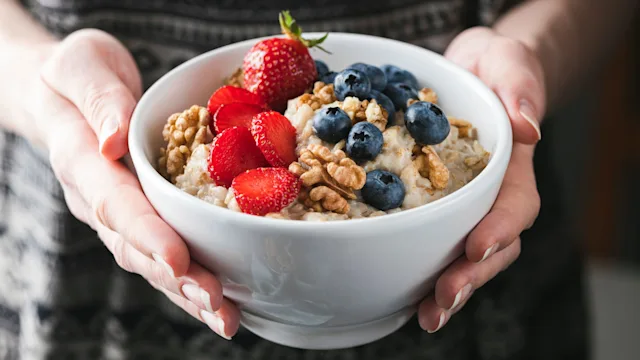
Increase your fruit intake: Fruits contain natural sugar, which can help satisfy cravings for sweets. They’re also packed with vitamin C, fiber, antioxidants, and hydrating water.
Frequently asked questions
There isn’t one sugar substitute that’s clearly the healthiest for everyone. If you’re looking for a natural alternative to table sugar, options like honey or maple syrup may provide small amounts of antioxidants. But they’re still considered added sugars and contain calories. If your goal is weight loss, low- and no-calorie artificial sweeteners can be helpful. No matter which sweetener you choose, it’s best to use it in moderation.
Honey may be better for you than sugar. Both honey and white sugar are considered added sugars. But honey may have nutritional advantages because of its antioxidants, antibacterial properties, and blood sugar benefits. It may also ease a cough. Honey has slightly more calories and sugar per serving than sugar. But since it tastes sweeter, you can use less of it.
It’s not clear that Splenda (sucralose) or pure stevia is safer than the other. The FDA considers both sweeteners safe when consumed within recommended limits. They have little to no calories, along with minimal effects on blood sugar levels. But they’re made differently. Sucralose is an artificial sweetener produced in a lab, while stevia is made from the leaves of the stevia plant. Although stevia is considered a natural sweetener, that doesn’t automatically make it safer. Experts continue to study the long-term health effects of both sweeteners.
There isn’t one sugar substitute that’s clearly the healthiest for everyone. If you’re looking for a natural alternative to table sugar, options like honey or maple syrup may provide small amounts of antioxidants. But they’re still considered added sugars and contain calories. If your goal is weight loss, low- and no-calorie artificial sweeteners can be helpful. No matter which sweetener you choose, it’s best to use it in moderation.
Honey may be better for you than sugar. Both honey and white sugar are considered added sugars. But honey may have nutritional advantages because of its antioxidants, antibacterial properties, and blood sugar benefits. It may also ease a cough. Honey has slightly more calories and sugar per serving than sugar. But since it tastes sweeter, you can use less of it.
It’s not clear that Splenda (sucralose) or pure stevia is safer than the other. The FDA considers both sweeteners safe when consumed within recommended limits. They have little to no calories, along with minimal effects on blood sugar levels. But they’re made differently. Sucralose is an artificial sweetener produced in a lab, while stevia is made from the leaves of the stevia plant. Although stevia is considered a natural sweetener, that doesn’t automatically make it safer. Experts continue to study the long-term health effects of both sweeteners.
The bottom line
Artificial sweeteners are a popular sugar substitute for people looking to reduce calories or limit sugar intake. Some studies suggest that artificial sweeteners can affect appetite, gut health, and metabolic health. But researchers are still trying to learn whether these relationships are causal. It’s best to use artificial sweeteners sparingly, just as you would sugar. Instead, focus on whole foods such as fruits, which provide naturally occurring sugars, fiber, vitamins, and other nutrients.

Why trust our experts?




References
American Cancer Society. (2023). Aspartame and cancer risk.
Chakravartti, S. P., et al. (2025). Non-caloric sweetener effects on brain appetite regulation in individuals across varying body weights. Nature Metabolism.
Hetta, H. F., et al. (2025). Artificial sweeteners: A double-edged sword for gut microbiome. Diseases (Basel, Switzerland).
Liauchonak, I., et al. (2019). Non-nutritive sweeteners and their implications on the development of metabolic syndrome. Nutrients.
Mathur, K., et al. (2020). Effect of artificial sweeteners on insulin resistance among type-2 diabetes mellitus patients. Journal of Family Medicine and Primary Care.
O'Connor, D., et al. (2021). A rational review on the effects of sweeteners and sweetness enhancers on appetite, food reward and metabolic/adiposity outcomes in adults. Food & Function.
Pase, M. P., et al. (2017). Sugar- and artificially sweetened beverages and the risks of incident stroke and dementia: A prospective cohort study. Stroke.
Romo-Romo, A., et al. (2025). Sucralose consumption modifies glucose homeostasis, gut microbiota, Curli protein, and related metabolites in healthy individuals: A randomized placebo-controlled, triple-blind trial. Clinical Nutrition ESPEN.
Ruiz-Ojeda, F. J., et al. (2019). Effects of sweeteners on the gut microbiota: A review of experimental studies and clinical trials. Advances in Nutrition.
Sharma, A., et al. (2016). Artificial sweeteners as a sugar substitute: Are they really safe? Indian Journal of Pharmacology.
Sylvetsky, A. C., et al. (2016). Trends in the consumption of low-calorie sweeteners. Physiology & Behavior.
Tandel, K. R. (2011). Sugar substitutes: Health controversy over perceived benefits. Journal of Pharmacology and Pharmacotherapeutics.
U.S. Food and Drug Administration. (n.d.). Sweetness intensity of sweeteners compared to table sugar.
U.S. Food and Drug Administration. (2017). High-intensity sweeteners.
U.S. Food and Drug Administration. (2025). Aspartame and other sweeteners in food.
World Health Organization. (2023). Aspartame hazard and risk assessment results released.