Key takeaways:
The best foods for diarrhea are often bland, low in fiber, and easy to digest. Examples of these foods include crackers, broth-based soups, and eggs.
Diarrhea can easily lead to dehydration, so it’s important to get enough fluids with electrolytes. Foods can help with this.
It’s best to avoid greasy or spicy foods, sweetened beverages, and most dairy products, since they can make diarrhea worse.
Most people experience diarrhea at some point. It’s not always caused by diet, but what you eat can play a big role in how quickly you recover. Certain foods can ease symptoms and give your digestive system a chance to rest while also keeping you nourished. Knowing what to eat — and what to avoid — can make a real difference. Here’s what you need to know about the best foods for diarrhea.
What foods are good for diarrhea?
The best foods for diarrhea are gentle on your digestive system and help replace lost nutrients. Look for foods that are:
Bland and easy to digest to give your gut a break
Low in fiber, since some types of fiber, like insoluble fiber, can worsen symptoms
Carbohydrate-rich, to maintain energy
Hydrating, since preventing dehydration is key
Rich in electrolytes to replace lost minerals
The BRAT diet — short for bananas, rice, applesauce, and toast — has long been recommended to help manage diarrhea, nausea, and upset stomach. It may help in the very short term, but it’s not meant to be followed for long. Because it’s so restrictive, experts recommend limiting it to about 24 to 48 hours. As your symptoms improve, it’s best to return to a more balanced diet.
So, what should you eat when you have diarrhea? Thankfully, you have many options that can give your digestive system a break while still providing nourishment. Here are some foods to try.
1. Broth-based soups
Broth-based soups — such as vegetable, miso, or chicken — are hydrating. They also contain essential electrolytes like sodium, which your body may need after diarrhea. And miso soup is fermented, so it has beneficial bacteria that support gut health and digestion.
Just try to avoid dairy-based soups or those with beans. These can be harder to digest. Also avoid spicy soups, which can irritate your gut.
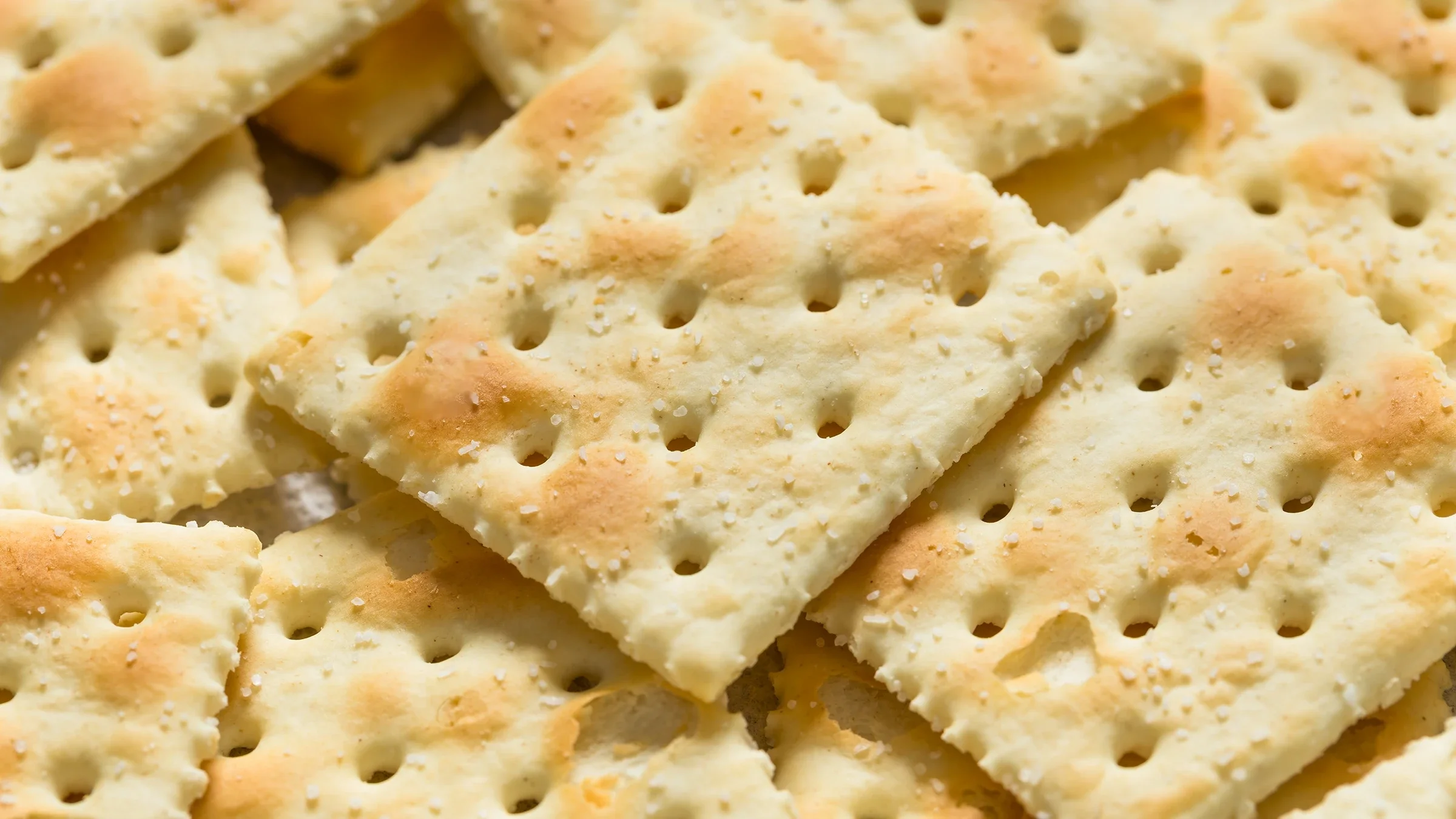
2. Crackers
Lightly salted crackers are a great choice when you have diarrhea. They’re easy to digest and provide necessary sodium and carbohydrates. Look for those that are low in fiber — ideally 1 g or less per serving. Avoid seeded crackers and those made from whole grains. Instead, try saltine crackers or lightly salted rice crackers.
3. Potatoes
Potatoes are gentle on your stomach. Just be sure to peel off the skin before you cook them to reduce their fiber content. And avoid fried potatoes, since oil can make diarrhea worse. Instead, try baked or boiled potatoes with a bit of salt and olive oil.
4. White rice
White rice is a refined grain that’s bland, low in fiber, and easy to digest. This may make it less nutritious. But it can be good when you have diarrhea. Once your diarrhea resolves, slowly incorporate more high-fiber whole grains (including brown rice) back into your diet.
5. Eggs
Eggs contain protein that’s easy for most people to digest. Getting some protein as you recover from diarrhea is important. That’s because protein gives you energy and can help you regain your strength. It also supports your immune system and may help balance gut bacteria.
Aside from protein, eggs contain many other important nutrients like iron, phosphorus, choline, and healthy fats.
6. Lean poultry
Animal proteins are typically easier to digest than plant-based proteins. Turkey or chicken breast can be good protein choices because they’re low in fat but full of vitamins and minerals. Just be sure to avoid high-fat meats (particularly red or processed meats). High-fat foods can make diarrhea worse.
7. Plain noodles
Noodles provide carbohydrates and can be calming to your digestive tract. Just be sure to avoid adding spicy or high-fat sauces or heavy seasonings. Instead, keep it simple with a bit of olive oil, salt and pepper, and perhaps some broth.
Normally, higher-fiber pastas — like whole wheat or legume-based pastas — are a great choice. But when you have diarrhea, it’s best to stick to low-fiber pastas like traditional white pasta, rice noodles, or egg noodles.
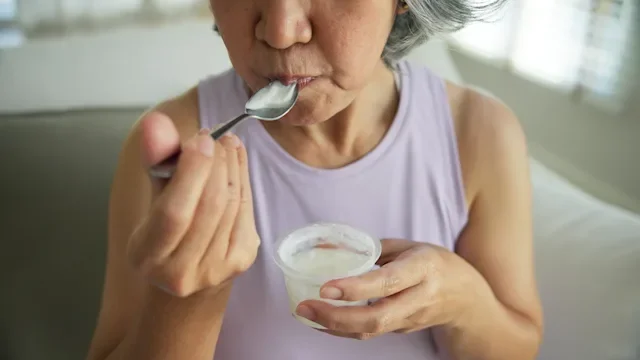
8. Yogurt with probiotics
When you have diarrhea, it’s usually recommended to avoid dairy products. That's because many dairy foods contain lactose, a natural sugar in milk that can worsen stomach upset and diarrhea for some people. But yogurt may be an exception. It typically has less lactose because of how it’s made. Plus, some yogurts contain probiotics, which are beneficial bacteria that support digestion and may improve diarrhea symptoms.
If you’re choosing yogurt, look for labels that say "live and active cultures" or list the name of the probiotics used.
9. Certain juices
Juice is hydrating. It’s also rich in carbohydrates, vitamins, and minerals. The antioxidants in juice may have anti-inflammatory effects that calm your digestive tract. Look for “100% juice,” which means it has no added sugars.
Still, juice can be high in natural sugars and sugar alcohols like sorbitol, which can potentially make diarrhea worse. It’s best to dilute juice with water at a 1:1 ratio. Try apple, cranberry, or grape juice. Avoid prune juice, tomato juice, and orange juice because they can be too acidic or high in fiber.
10. Caffeine-free tea
Tea is hydrating and full of antioxidants. Note that caffeine can potentially make diarrhea worse by speeding up how fast food moves through your digestive tract. But you can try herbal teas, which are naturally caffeine-free.
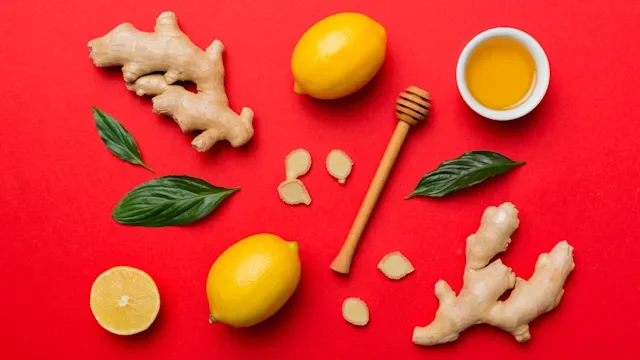
Ginger tea may ease diarrhea and upset stomach. Peppermint tea contains menthol, which can help relax the muscles in your digestive tract. However, this means it can cause heartburn and acid reflux in some people. Other gut-healthy teas include chamomile tea and fennel tea.
Foods to avoid when you have diarrhea
When you have diarrhea, it’s best to avoid certain foods and beverages that are common triggers for diarrhea, including:
Foods that cause gas (legumes, oatmeal, cruciferous vegetables, carbonated drinks)
Fatty or greasy foods (pizza, chips, creamy soups, processed meats)
Sugar substitutes like sugar alcohols or artificial sweeteners (often found in sugar-free foods and drinks, including diet soda)
Drinks with caffeine (regular coffee or tea, soda, energy drinks)
Alcoholic drinks (beer, wine, liquor)
High-lactose dairy products (milk, cream, yogurt, soft cheeses)
Spicy foods (jalapenos, cayenne pepper, hot chili peppers)
Once your diarrhea stops, you can slowly add small amounts of these foods and beverages back into your diet. Just be sure to monitor your symptoms and adjust as necessary.
Frequently asked questions
There are many potential causes of diarrhea. Infections (like bacteria, viruses, or parasites) are one cause. Health conditions, including irritable bowel syndrome (IBS), food allergies, or food intolerance, can also cause diarrhea. Some common medications, especially antibiotics, can cause diarrhea as a side effect. And stress can cause diarrhea. Your brain and gut are linked, so when you’re stressed, your gut may have a harder time digesting food.
Whether diet can prevent diarrhea depends on the cause. If your diet is the problem, changing what you eat can help manage or prevent it. But if your diarrhea is due to illness or medication, diet may not prevent it. Still, what you eat can help you manage your symptoms.
Foods with soluble fiber can help make stool more solid. Examples include oats, bananas (slightly unripe), and well-cooked vegetables like carrots. Once your diarrhea begins to improve, try adding these foods to see if they help. Some people may also benefit from probiotics, so yogurt and other fermented foods may help.
There are many potential causes of diarrhea. Infections (like bacteria, viruses, or parasites) are one cause. Health conditions, including irritable bowel syndrome (IBS), food allergies, or food intolerance, can also cause diarrhea. Some common medications, especially antibiotics, can cause diarrhea as a side effect. And stress can cause diarrhea. Your brain and gut are linked, so when you’re stressed, your gut may have a harder time digesting food.
Whether diet can prevent diarrhea depends on the cause. If your diet is the problem, changing what you eat can help manage or prevent it. But if your diarrhea is due to illness or medication, diet may not prevent it. Still, what you eat can help you manage your symptoms.
Foods with soluble fiber can help make stool more solid. Examples include oats, bananas (slightly unripe), and well-cooked vegetables like carrots. Once your diarrhea begins to improve, try adding these foods to see if they help. Some people may also benefit from probiotics, so yogurt and other fermented foods may help.
The bottom line
Your diet can play an important role in helping you recover quickly from diarrhea. At first, choose foods that are easy to digest and low in fiber to give your digestive system a rest. But you don’t need to follow a highly restrictive diet for long. As your symptoms start to improve, try adding a wider variety of foods back into your diet, including proteins. The key is to introduce foods gradually and watch how your body responds.

Why trust our experts?




References
Alammar, N., et al. (2019). The impact of peppermint oil on the irritable bowel syndrome: a meta-analysis of the pooled clinical data. BMC Complementary and Alternative Medicine.
Ghayur, M.N., et al. (2005). Pharmacological basis for the medicinal use of ginger in gastrointestinal disorders. Digestive Diseases & Sciences.
National Cancer Institute. (2024). Easy-to-digest foods.
Wu, S., et al. (2022). Effect of dietary protein and processing on gut microbiota-A systematic reviewf. Nutrients.
Yan, Z., et al. (2020). Antioxidant mechanism of tea polyphenols and its impact on health benefits. Animal Nutrition.
Zhang, Y., et al. (2026). The relationship between coffee consumption and diarrhea: A cross-sectional study based on NHANES data. Nutrition Clinique et Métabolisme.