Key takeaways:
Nut butters are a good source of fiber, healthy fats, and plant-based protein.
The most nutrient-rich nut butters include almond, peanut, and cashew. Sunflower seed butter is a good nut-free option with a similar nutrition profile to nut butters.
Try to choose nut butters without added sugar or artificial flavors. And look for ones that have a layer of oil sitting on the top. This suggests that the oils are naturally occurring oils from the nut, not added oils.
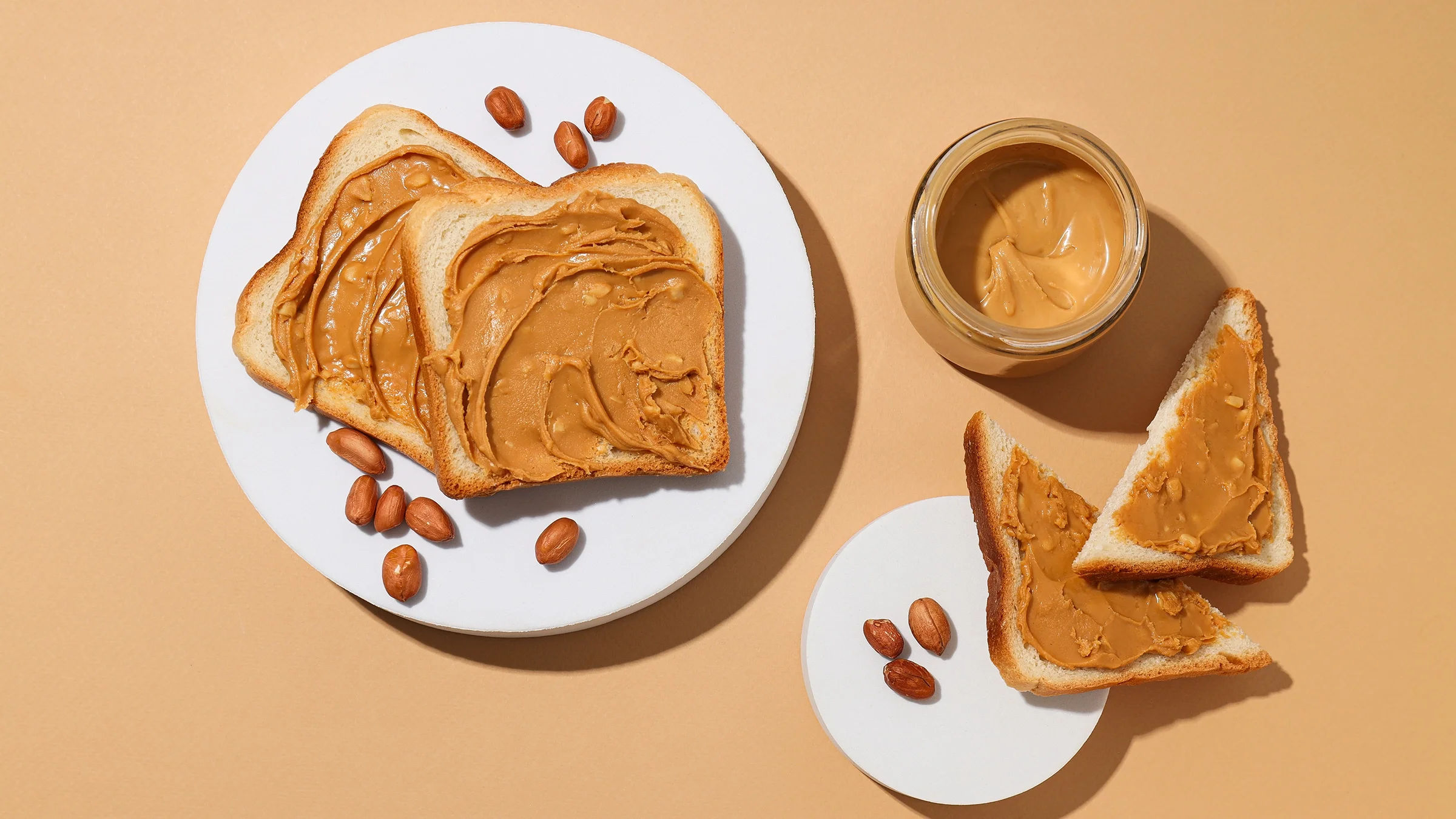
Many people love a good, old-fashioned, peanut-butter-and-jelly sandwich. It's a classic for a reason. But these days, peanut butter isn’t the only option when it comes to nut butter. Stroll down a grocery store aisle and you're likely to see dozens of choices.
All nut butters provide nutrients. But with so many options, which nut butters are the best? We explain what to look for — and what to avoid — when choosing the healthiest nut butter.
Is nut butter good for you?
Since nut butter is made from ground nuts, it retains all of the nuts’ nutrients. No matter which nut butter you choose, you’ll be getting a good amount of:
Healthy unsaturated fats that support heart health
Plant-based protein, which plays a crucial role in building muscle, bone, cartilage, and skin
Fiber to support gut health, heart health, and blood sugar
Antioxidants, which are nutrients that protect your body from damage
Nut butters also contain important nutrients like:
Calcium
Potassium
Iron
Magnesium
Here are 6 of the healthiest nut butters you can choose.
1. Almond butter
All nut butters provide fiber and protein. But almond butter is higher in both these nutrients than most other nut butters.
Almond butter is also the highest in vitamin E. This is an antioxidant that helps protect your body’s cells from oxidative stress that can increase your risk of conditions like heart disease, Type 2 diabetes, and cancer.
And almond butter is an excellent source of magnesium. This mineral has many different jobs in your body, including supporting healthy nerve and muscle function.
2. Peanut butter
Peanut butter may be the most popular of all the nut butters — although technically peanuts are a legume, not a nut. Peanut butter is tied with almond butter for the highest protein, with 7 g per serving.
Peanuts also contain high amounts of two B vitamins: folate and niacin. Folate helps to make healthy red blood cells, RNA, and DNA. Niacin helps the body turn food into energy.
Peanut butter is usually the least expensive and easiest to find of all the nut butters.
3. Cashew butter
Cashew butter is a great source of iron — with 9% of your daily needs per 2 tbsp serving. Our bodies need iron to make hemoglobin. Hemoglobin is the part of red blood cells that delivers oxygen to the different parts of your body.
Cashew butter is often more expensive than other nut butters due to the higher cost of cashews and more limited production.
4. Walnut butter
Walnut butter contains the most omega-3 fats of any nut butter. This is a major benefit, since these healthy fats support many different body functions, including your:
Heart and blood vessels
Immune system
Lungs
Hormones
Walnut butter isn’t as common as other nut butters. But you can find it in some major super markets and health food stores.
5. Sun butter
Sun butter is made from sunflower seeds, not nuts. But it has become a popular alternative to nut butters, especially for those with nut allergies.
Like nut butters, sun butter provides protein, fiber, and healthy fats. And it’s particularly high in certain minerals. Sun butter has more magnesium than nut butters. It has about a quarter of your daily needs in just 1 serving. And it’s high in selenium, a mineral that supports thyroid function, fertility, and immune health.
6. Pistachio butter
Pistachios are very high in potassium. Potassium is an electrolyte that plays several important roles in your body. It helps with:
Muscle contraction
Supporting bone health
Fluid balance
Regulating blood pressure
Many people love pistachio butter's unique flavor and creamy texture. Just note that there’s a difference between pistachio butter and pistachio cream. Pistachio cream is often sweetened and flavored. Pistachio butter is simply ground pistachios with no added ingredients — except maybe salt.
Comparing nut butter nutrients
The table below compares the nutrients in a 2 tbsp serving of different nut butters.
Nut butter (2 Tbsp) | Calories | Protein | Fat | Carbs | Fiber | Particularly high in: |
|---|---|---|---|---|---|---|
188 | 7 g | Total: 16 g Saturated: 3 g | 8 g | 2 g | Folate, niacin | |
196 | 7 g | Total: 18 g Saturated: 1 g | 6 g | 3 g | Vitamin E, magnesium | |
195 | 4 g | Total: 17 g | 10 g | 1 g | Iron | |
197 | 5.5 g | Total: 18 g Saturated: 1.5 g | 7.5 g | 2 g | Magnesium, selenium | |
174 | 3.5 g | Total fat: 14 g Saturated fat: 2 g | 9 g | 3 g | Potassium | |
177 | 5 g | Total fat: 17 g Saturated fat: 2 g | 6 g | 2 g | Omega-3 fatty acids |
What is the healthiest nut butter to choose?
To choose the healthiest nut butter, take a look at the nutrition label and ingredients list. Here are some things to keep in mind.
What to look for:
A simple ingredients list: The ingredients list should name only the nuts (or seeds) used and optional salt. Many nut butters also have unsalted versions.
A layer of oil on top: Nut oils naturally separate from the ground nuts. A layer of oil on top is usually a sign of minimal processing. When you first open the jar, you’ll need to stir the oil into the ground nuts.
What to avoid:
Nut butters that come “pre-stirred:” These nut butters usually contain an added oil — like palm oil — to help prevent separation and keep a smooth texture. But these added oils are high in saturated fats and have fewer nutrients than natural nut oils.
Added sugar: Check the ingredients list, and try to stick to unsweetened nut butters.
Artificial flavors: Artificial flavors might include chocolate or vanilla flavoring. This is usually a sign that the nut butter has been more highly processed.
Large amounts of salt: Some salt is OK. But too much salt is associated with high blood pressure, which is a risk factor for heart disease and stroke. Look for a nut butter with less than 138 mg (about 6% Daily Value) per 2 tbsp serving.
Frequently asked questions
All nut butter contains fiber, which is good for gut health. Fiber serves as food for the microbes (the “good” bacteria) living in your gut. Fiber also helps to move food through your digestive tract, which can help prevent constipation. Almond and pistachio butters contain slightly more fiber than other types of nut butter, at 3 g per serving.
All types of nut butter can help fight inflammation, thanks to nutrients like magnesium and vitamin E. Walnut butter may be the most anti-inflammatory nut butter because of its high amount of omega-3s.
All nut butter contains fiber, which is good for gut health. Fiber serves as food for the microbes (the “good” bacteria) living in your gut. Fiber also helps to move food through your digestive tract, which can help prevent constipation. Almond and pistachio butters contain slightly more fiber than other types of nut butter, at 3 g per serving.
All types of nut butter can help fight inflammation, thanks to nutrients like magnesium and vitamin E. Walnut butter may be the most anti-inflammatory nut butter because of its high amount of omega-3s.
The bottom line
All nut butters are nutritious, since they provide the same nutrients you’ll find in whole nuts: fiber, healthy fats, and plant-based protein. Some of the most nutrient-rich nut butters include almond, peanut, and walnut.
When you’re choosing a nut butter, look for those without added sugar or artificial flavors. The only ingredients should be nuts and salt. And your nut butter should come with a layer of oil on top. That means the only oils used are naturally occurring nut oils, not less-healthy added oils.

Why trust our experts?




References
MedlinePlus. (2024). Fluid and electrolyte balance.
My Food Data. (n.d.). Almond butter.
My Food Data. (n.d.). Artisana - walnut butter.
My Food Data. (n.d.). Creamy pistachio butter.
My Food Data. (n.d.). Nuts, cashew butter, plain, with salt added.
My Food Data. (n.d.). Peanut butter (smooth).
My Food Data. (n.d.). Seeds, sunflower seed butter, without salt.
Office of Dietary Supplements. (2021). Potassium. National Institutes of Health.
Office of Dietary Supplements. (2024). Omega-3 fatty acids. National Institutes of Health.
Reddy, V. P. (2023). Oxidative stress in health and disease. Biomedicines.