Key takeaways:
Gluten-free grains such as rice, oats, and quinoa are safe for people with celiac disease or gluten intolerance.
Gluten-free foods aren’t automatically healthier. Gluten-free foods made with refined grains have less fiber and fewer nutrients than gluten-free whole grains.
Even if you don’t need to avoid gluten, you can include gluten-free grains in a balanced diet.
Gluten is a protein found in wheat, rye, and barley. Most people tolerate it just fine. But for people with celiac disease, gluten triggers an immune reaction that damages the intestines and can cause a range of digestive and other symptoms. Some people may be sensitive to gluten or simply feel better when they eat less of it.
The good news is that going gluten-free doesn’t mean giving up grains. Many grains are naturally gluten-free. They’re also versatile, nutrient-dense, and satisfying. Let’s take a look at some popular gluten-free grains and easy ways to include them in your diet.
What grains are gluten-free?
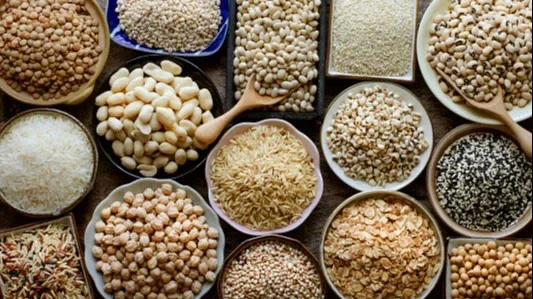
Many grains are gluten-free, including familiar staples you might already eat, like rice, corn, and oats. Beyond these, there are plenty of lesser-known options to explore, like sorghum, amaranth, and millet.
You can cook these grains in their whole form, like boiling brown rice or quinoa for a side dish. They can also be ground into flour to make foods like noodles, bread, cereal, and crackers. You can also buy gluten-free flours for cooking and baking at home.
Here are eight gluten-free grains to try.
1. Rice
Rice is one of the most popular grains in the world. Brown rice is a whole grain, while white rice is the refined version.
In the U.S., white rice is enriched with iron and B vitamins. For this reason, you shouldn’t rinse rice before cooking, since rinsing washes away some of the added nutrients.
Brown rice isn’t enriched, but it’s naturally high in fiber because it’s a whole grain. It has about six times more fiber than white rice. Brown rice is also high in B vitamins, magnesium, and manganese, a mineral with antioxidant properties.
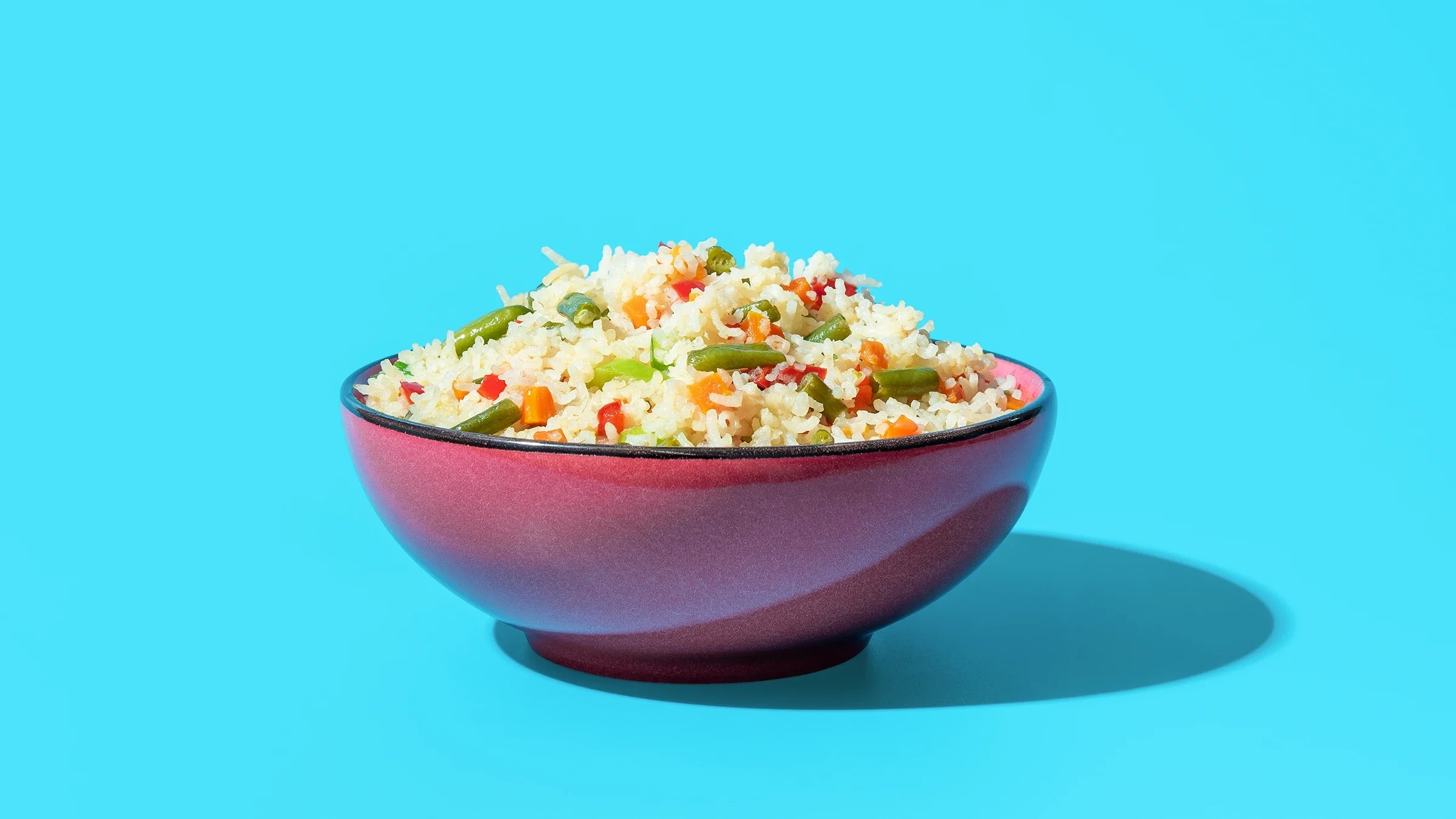
Rice makes an easy side dish with your favorite seasoning, lentils, or slivered almonds. It’s also a great base for curries, stir-fries, and grain bowls.
Nutrition for 1 cup of cooked white rice includes:
Calories: 205
Carbs: 45 g
Fat: less than 1 g
Fiber: less than 1 g
Protein: 4.3 g
Nutrition for 1 cup of cooked brown rice includes:
Calories: 218
Carbs: 46 g
Fat: 1.5 g
Fiber: 3.5 g
Protein: 4.5 g
2. Oats
Pure oats are naturally gluten-free. But oats can be contaminated with gluten during processing. If you need to avoid gluten, look for oats specifically labeled “gluten-free.”
Oats come in many formats with different levels of processing, including:
Steel-cut oats (also called Irish oats): These are whole oats cut into pieces by steel blades, which is where they get their name. They’re perfect for a hearty bowl of oatmeal.
Rolled oats (also called old-fashioned oats): These are whole oats that have been steamed and flattened by heavy rollers. Because they’re flatter, they cook faster. Rolled oats work well in oatmeal, granola, and baked foods like cookies or crumbles.
Instant or quick oats: These are similar to rolled oats but are steamed even longer and rolled even flatter, so they cook in just minutes.
Oats are rich in a type of soluble fiber called beta-glucan, which may help lower cholesterol and stabilize blood sugar. Oats are also high in antioxidant minerals like selenium, an essential trace mineral that supports thyroid function and helps prevent cell damage that can cause inflammation.
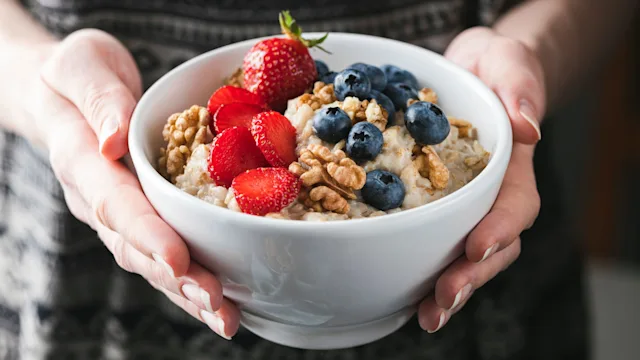
Oatmeal is the easiest and most common way to use oats. Nutrition for 1 cup of cooked oatmeal made from rolled oats includes:
Calories: 166
Carbs: 28 g
Fat: 4 g
Fiber: 4 g
Protein: 6 g
3. Quinoa
Quinoa is a quick-cooking, high-protein grain. Technically, quinoa is a seed, but it’s used like grain.
Unlike most plant-based foods, quinoa is a complete protein. This means it contains all nine amino acids your body needs but can’t make on its own. Quinoa is also a good source of fiber, iron, phosphorus, and B vitamins.
Quinoa works well as a side dish or as a base for salads. You can eat it hot or cold with legumes, vegetables, and your favorite dressing or seasonings. Quinoa has a natural bitter coating that helps protect it from pests as it grows. Rinsing it before cooking removes the bitterness.
Nutrition for 1 cup of cooked quinoa includes:
Calories: 222
Carbs: 39 g
Fat: 3.6 g
Fiber: 5 g
Protein: 8 g
4. Buckwheat
Despite having the word “wheat” in its name, buckwheat is gluten-free and not related to wheat. Technically, it’s a fruit seed related to rhubarb.
Like quinoa, buckwheat is a complete protein. It also provides important minerals like copper, manganese, and magnesium. Compared to most other grains, buckwheat is slightly lower in calories and carbohydrates.
Buckwheat comes in different forms. If you’ve ever had Japanese soba noodles, you’ve already tried buckwheat. Another popular form is toasted buckwheat groats, also called kasha. You can eat kasha by itself, like rice. Or try tossing it with fried onions, mushrooms, and bowtie pasta.
Nutrition for 1 cup of cooked buckwheat (kasha) includes:
Calories: 155
Carbs: 34 g
Fat: 1 g
Fiber: 4.5 g
Protein: 6 g
5. Millet
Millet is a staple food in Asia and Africa. It’s packed with plant compounds called phytochemicals, which have antioxidant properties. Millet is also rich in B vitamins and copper. Plus, it has a low glycemic index, which means it doesn’t raise your blood sugar much.
Try substituting millet for couscous because it has a similar taste and texture. It also works well in breakfast porridge or a fluffy side dish. To bring out its nutty flavor, toast millet in a skillet for a few minutes before boiling it.
Nutrition for 1 cup of cooked millet includes:
Calories: 207
Carbs: 41 g
Fat: 2 g
Fiber: 2 g
Protein: 6 g
6. Sorghum
Sorghum is native to Africa but is now grown in many parts of the world. It provides B vitamins and many minerals, especially copper and manganese.
Sorghum is a round, medium-sized grain that cooks to a chewy consistency. Try using it in grain-based salad. Or you can add sorghum grains to a hot, oiled pan and watch them pop like popcorn. Popped sorghum puffs are a great addition to yogurt or cereals.
Nutrition for 1 cup of cooked sorghum includes:
Calories: 208
Carbs: 46 g
Fat: 2 g
Fiber: 4 g
Protein: 7 g
7. Amaranth
Amaranth is a tiny yellow seed that’s used like a grain. It has a mild, slightly nutty flavor that works well in both sweet and savory dishes. It’s also very nutrient-dense.
Amaranth has more protein than other gluten-free grains. Like quinoa and buckwheat, it’s a complete protein. It also has more fiber than most gluten-free grains. In addition, it’s high in many minerals including iron, manganese, and copper.
Amaranth cooks to the consistency of porridge. It makes a great hot breakfast cereal or creamy side dish.
Nutrition for 1 cup of cooked amaranth includes:
Calories: 251
Carbs: 46 g
Fat: 4 g
Fiber: 5 g
Protein: 9 g
8. Popcorn
Popcorn isn’t as nutrient-dense as some of the other gluten-free grains on this list. But it still contains B vitamins and magnesium. In its natural state, popcorn is very low in calories. Just be sure to skip versions that contain artificial colors, flavors, or high amounts of sugar or sodium.
Nutrition for 3 cups of air-popped popcorn (without oil or butter) includes:
Calories: 93
Carbs: 19 g
Fat: 1 g
Fiber: 3.5 g
Protein: 3 g
You can also use cornmeal, which is made from dried and ground corn kernels, to make cornbread. You can also make polenta, a creamy, smooth corn porridge that thickens as it sets. For more fiber and vitamins, choose whole-grain cornmeal instead of refined cornmeal.
Benefits of gluten-free grains
Some people need to eat gluten-free grains for health reasons. But anyone can eat them. Except for white rice, all the grains listed above are whole grains.
Whole grains have many benefits, including:
Lower risk of heart disease and stroke
Less weight gain
Better blood sugar control and a lower risk of developing Type 2 diabetes
Reduced risk of certain cancers
Are there any downsides to gluten-free grains?
Just because a food is gluten-free doesn’t automatically mean it’s more nutritious. A gluten-free diet is important for people with certain medical conditions. But most people don’t need to avoid gluten.
A lot of packaged gluten-free foods, like bread, noodles, and crackers, are made with refined grains like white rice or corn flour. That means they’re lower in fiber and other nutrients.
Eating a lot of refined grains over time is linked to a higher risk of conditions like heart disease and Type 2 diabetes. A better approach is to focus on whole grains and mix plenty of fruits, vegetables, and legumes into your diet.
Frequently asked questions
Yes, some gluten-free grains can be a risk for cross-contamination, especially oats. This is because oats are often grown and processed near wheat. Always check the label to make sure they’re certified gluten-free and processed in a gluten-free facility.
One way to prevent cross-contamination at home is by keeping cooking areas clean. It’s also important to use separate gluten-free utensils, baking sheets, and toasters. You can also buy separate butter and condiments, such as mayonnaise and jam, to avoid gluten-containing crumbs. Be sure to clearly label utensils, cutting boards, and other kitchen gadgets so you can keep gluten-free tools separate.
Yes, some gluten-free grains can be a risk for cross-contamination, especially oats. This is because oats are often grown and processed near wheat. Always check the label to make sure they’re certified gluten-free and processed in a gluten-free facility.
One way to prevent cross-contamination at home is by keeping cooking areas clean. It’s also important to use separate gluten-free utensils, baking sheets, and toasters. You can also buy separate butter and condiments, such as mayonnaise and jam, to avoid gluten-containing crumbs. Be sure to clearly label utensils, cutting boards, and other kitchen gadgets so you can keep gluten-free tools separate.
The bottom line
Many whole grains are naturally gluten-free, making them a great option for people who avoid gluten — and a nutritious choice for anyone. Most gluten-free grains cook in a similar way to rice, and their flour works well in baking. But gluten-free doesn’t automatically mean they’re better for you. If you don’t need to avoid gluten, gluten-free grains can be a great way to add variety to your meals. The real benefit comes from prioritizing whole grains over refined grains, whether they contain gluten or not.

Why trust our experts?




References
Åberg, S., et al. (2020). Whole-grain processing and glycemic control in type 2 diabetes: A randomized crossover trial. Diabetes Care.
Aune, D., et al. (2016). Whole grain consumption and risk of cardiovascular disease, cancer, and all cause and cause specific mortality: Systematic review and dose-response meta-analysis of prospective studies. BMJ.
Bonfiglio, G. V., et al. (2020). Study of bitterness perception of quinoa (Chenopodium quinoa wild.) saponin extracts. Journal of Cereal Science.
Celiac Disease Foundation. (n.d.). Gluten-free oats: What’s the deal?
Craine, E. B., et al. (2020). Seed composition and amino acid profiles for quinoa grown in Washington state. Frontiers in Nutrition.
Gaesser G. A. (2020). Whole grains, refined grains, and cancer risk: A systematic review of meta-analyses of observational studies. Nutrients.
Gray, P. J., et al. (2016). Cooking rice in excess water reduces both arsenic and enriched vitamins in the cooked grain. Food Additives & Contaminants. Part A, Chemistry, Analysis, Control, Exposure & Risk Assessment.
Hu, Y., et al. (2020). Intake of whole grain foods and risk of type 2 diabetes: Results from three prospective cohort studies. BMJ.
Izydorczyk, M. S., et al. (2013). Canadian buckwheat: A unique, useful and under-utilized crop. Canadian Journal of Plant Sciences.
Jacob, J., et al. (2024). The nutrition and therapeutic potential of millets: An updated narrative review. Frontiers in Nutrition.
Maki, K. C., et al. (2019). The relationship between whole grain intake and body weight: Results of meta-analyses of observational studies and randomized controlled trials. Nutrients.
MyFoodData. (n.d.). Cooked amaranth.
MyFoodData. (n.d.). Cooked brown rice.
MyFoodData. (n.d.). Cooked millet.
MyFoodData. (n.d.). Cooked oatmeal.
MyFoodData. (n.d.). Cooked roasted buckwheat groats (kasha).
MyFoodData. (n.d.). Cooked white rice.
MyFoodData. (n.d.). Quinoa, cooked.
MyFoodData. (n.d.). Sorghum grain.
Oldways Whole Grains Council. (n.d.). Sorghum June grain of the month.
Vici, G., et al. (2016). Gluten free diet and nutrient deficiencies: A review. Clinical Nutrition.
Yu, J., et al. (2022). Effects of oat beta-glucan intake on lipid profiles in hypercholesterolemic adults: A systematic review and meta-analysis of randomized controlled trials. Nutrients.
Zurbau, A., et al. (2021). The effect of oat β-glucan on postprandial blood glucose and insulin responses: A systematic review and meta-analysis. European Journal of Clinical Nutrition.