Key takeaways:
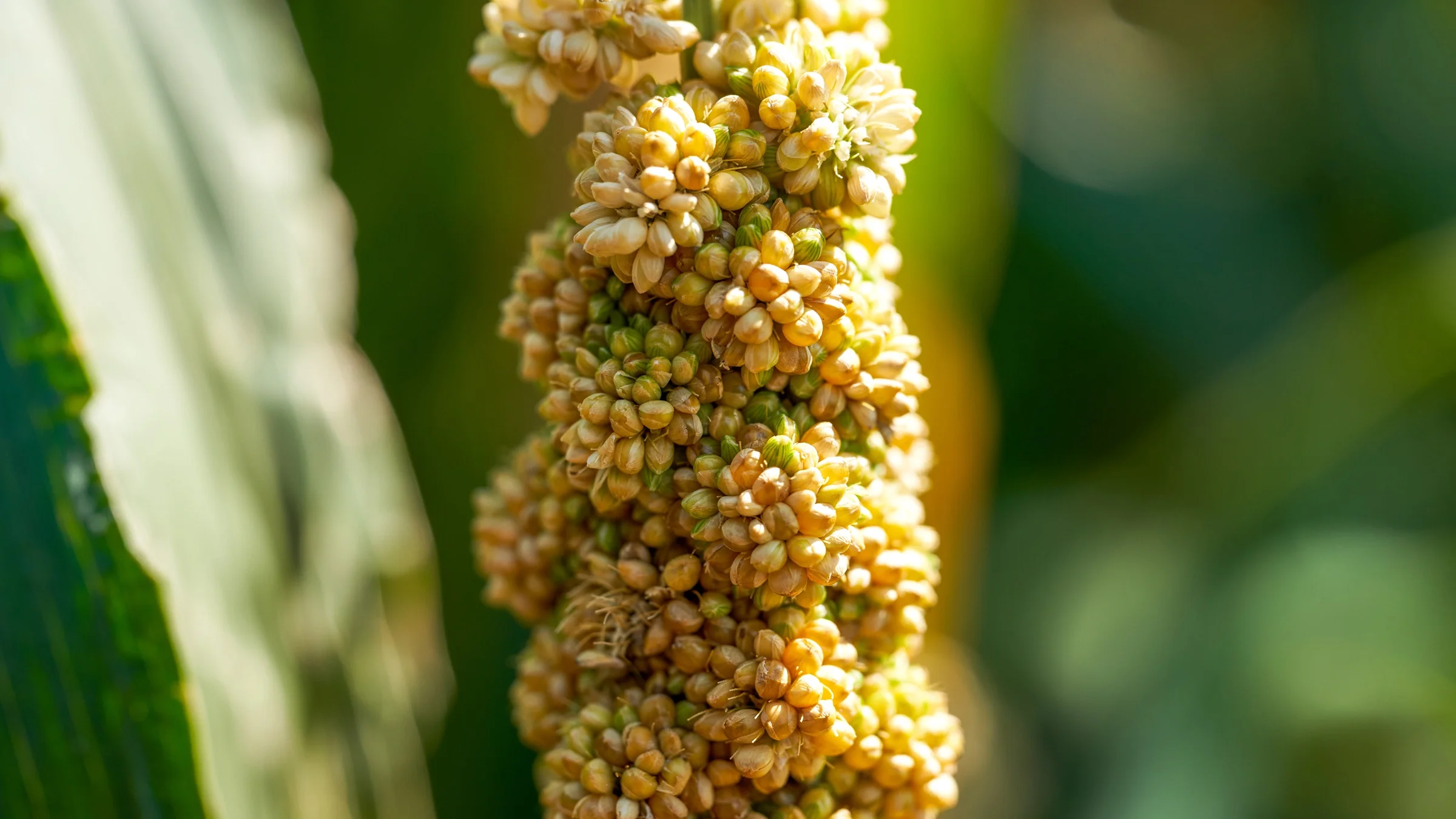
Ancient grains are fiber-rich whole grains that can make a healthful addition to your meals. Quinoa and buckwheat, as well as lesser known varieties like fonio, freekeh, and teff, are all ancient grains.
Including ancient grains in place of refined grains in your meals may help reduce your risk of heart disease, Type 2 diabetes, and certain types of cancer.
In addition to fiber, ancient grains are a good source of protein, vitamins, and minerals. And because they tend to be grown with fewer pesticides and are less processed, they may offer more nutrients than modern grains, like wheat.
Have you noticed some interesting grains lining your local grocery store shelves or popping up on restaurant menus recently? While you may already be familiar with quinoa, buckwheat, and rye, you may know less about some of these newly popular varieties, like farro, sorghum, and freekeh. But these ancient grains come packed with a variety of nutrients.
What are ancient grains?
Ancient grains are grains that have been largely unchanged over the last several hundred years, according to the Whole Grains Council. Many of these grains are already staples in other parts of the world, but they are now gaining in popularity in Western cultures.
Not all ancient grains are actually grains. Some, like quinoa and buckwheat, are actually seeds and called “pseudocereals.” But since they are cooked and eaten like a grain, they are included in the category of ancient grains.
How are ancient grains different from modern grains?
In general, ancient grains have a more robust nutritional profile than modern grains, like wheat, corn, and rice. This is because of how and where they are grown and processed, and because of how they are eaten or enjoyed:
Ancient grains are typically eaten in their whole form or in a minimally processed form. Because of this, they are typically higher in a variety of nutrients and fiber than many refined grain products (like white, or all-purpose, flour made from wheat).
When ancient grains are ground into flours, the entire grain is used. This includes the bran and germ layers, which are the parts that contain the majority of the fiber and nutrients.
Unlike ancient grains, some refined grains have the bran and germ removed prior to processing. Many of the nutrients lost during processing are then added back in.
Ancient grains list
There are a variety of ancient grains available in grocery stores today. They all contain beneficial certain nutrients, including fiber, omega-3 fatty acids, and antioxidants. And in some cases, they also offer protein. In the chart below, we take a look at 15 commonly consumed ancient grains and the nutritional benefits of 1 cup of cooked grains for each.
Calories | Carbs | Fiber | Protein | Vitamins, minerals, and other nutrients | |
1. Amaranth | 251 | 46 g | 5 g | 9.3 g | • Folate |
2. Barley | 193 | 44 g | 6 g | 3.5 g | • Niacin |
3. Buckwheat (groats) | 155 | 33 g | 4.5 g | 5.7 g | • Niacin |
4. Bulgur | 151 | 34 g | 8.2 g | 5.6 g | • Niacin |
5. Einkorn (berries) | 360 | 66 g | 8 g | 18 g | • Riboflavin |
6. Farro (emmer) | 320 | 66 g | 6 g | 12 g | • Niacin |
7. Fonio | 320 | 74 g | 2 g | 6 g | • Iron |
8. Freekeh | 225 | 44 g | 11 g | 9 g | • Niacin |
9. Kamut (Khorasan wheat) | 227 | 48 g | 7.4 g | 10 g | • Thiamine |
10. Millet | 207 | 41 g | 2.2 g | 6 g | • Thiamine |
11. Quinoa | 222 | 39 g | 5 g | 8 g | • Thiamine |
12. Rye | 190 | 42 g | 8.5 g | 5.6 g | • Thiamine |
13. Sorghum | 180 | 39 g | 3.7 g | 5.8 g | • Thiamine |
14. Spelt | 246 | 51 g | 7.5 g | 10.7 g | • Thiamine |
15. Teff | 255 | 50 g | 7 g | 9.8 g | • Thiamin |
What are the health benefits of ancient grains?
Whole grain foods are associated with a variety of health benefits, and ancient grains are a large contributor to this category. Let’s review some of the top health benefits of eating whole and ancient grains.
May improve heart health
Diet has long been known to play a key role in reducing the risk of coronary heart disease (CHD). And whole grains are a primary component of a heart-healthy diet. Recent research found a link between having three servings of whole grains a day and an almost 20% reduced risk of CHD.
Other research has shown that a higher intake of whole grains may help reduce markers of inflammation, especially C-reactive protein, which can be indicative of heart disease.

Read more like this
Explore these related articles, suggested for readers like you.




May help reduce Type 2 diabetes risk
Ancient grains tend to be lower on the glycemic index than refined grains, and they may help you control your blood sugar levels. The glycemic index (GI) is a tool that shows how certain foods might affect your blood sugar levels compared to pure glucose (sugar), which has a GI score of 100. Eating grains with lower GI scores may help prevent big spikes in your blood sugar.
A large study linked eating higher GI foods to a 33% higher risk of Type 2 diabetes. In addition, a large review of studies found that eating two servings (32 g) of whole grains — including ancient grains — was associated with a 20% lower risk of developing Type 2 diabetes.
Might support weight management
Whole grains, including ancient grains, are high in fiber. Eating a diet rich in fiber helps you feel fuller for longer and may reduce your appetite — both of which may help with weight control over time.
Some research suggests a link between eating more whole grains (versus refined grains) and having a lower body mass index (BMI). But not all studies in this area have had the same findings. Scientists think this may be because people who eat more whole grains have a healthy lifestyle in general.
Might offer protection from certain types of cancer
There is a well-documented relationship between whole grains and cancer risk. Specifically, consuming more whole grains has been associated with a reduced risk of cancers of the digestive system, such as esophageal, stomach, and colorectal cancer.
One recent study observed that people with the highest intake of whole grains (close to three servings a day) had a 16% lower risk for colorectal cancer compared to those who had the lowest (around half a serving a day). The study also found that eating fiber — specifically from whole grains — was connected to a lower colorectal cancer risk. One of the reasons for this is that fiber helps you have regular bowel movements and, in turn, eliminate toxins from your body.
May boost your gut health
The fiber in whole and ancient grains also acts as a prebiotic. Prebiotics are carbohydrates that feed the healthy bacteria in your gut. These bacteria are critical for gut health, as well as overall health.
Some ancient grains are also gluten-free. So if you have a gluten intolerance or celiac disease, you can consider the following as alternatives to grains with gluten:
Quinoa
Amaranth
Buckwheat
Millet
Sorghum
Teff
Are there any health risks to eating ancient grains?
For most people, including a variety of ancient grains in one’s diet is perfectly safe.
Some ancient grains, like rye and barley, are high in FODMAPs (fermentable oligosaccharides, disaccharides, monosaccharides, and polyols). People with irritable bowel syndrome may have difficulty digesting this type of carbohydrates.
There is also some concern around ancient grains like quinoa, buckwheat, and teff containing antinutrients. These antinutrients include lectins and phytates, which can prevent your body from using certain vitamins and minerals. But most people are unlikely to experience negative effects from consuming these compounds. And the benefits of eating ancient grains far outweigh any risks.
What should you look for when buying ancient grains?
When shopping for ancient grains, it is important to read labels carefully. Certain products made with ancient grains may be highly refined and not as nutrient-dense as the unprocessed grain. Some things to look out for on labels are:
The first ingredient: An ancient grain should be the first item in the ingredient list on an ancient grain product’s food label.
The words “whole grain”: Look for this on the front label and/or in the ingredient list. This lets you know that the grains in the product are not refined. If you can’t find a product made entirely from whole grains, try to choose one where at least half of the grains used are whole.
A whole-grain stamp: Many products that contain ancient grains will have a whole-grain stamp on the package, indicating that they are a high-quality, whole grain product.
Another good rule of thumb is to avoid pearled grains. This means that the bran layer has been removed during processing. As mentioned, the bran layer contains beneficial nutrients.
How to add ancient grains to your diet
There are many delicious ways you can add ancient grains to your meals. Here are a few ideas to get you started:
Use them in a grain bowl. To start with, you could try mixing ancient grains with brown rice to make a grain blend.
Make cooked grains a part of your breakfast. Consider mixing farro or quinoa into your morning bowl of cereal or oatmeal.
Sprinkle some cooked grains into your salads. Adding sorghum, bulgur, or barley to a salad can help you pack in fiber and protein, while making your meal more satisfying.
Mix ancient grains into your rice or sub them in completely. Using ancient grains make for a more nutrient-dense side dish.
Substitute buckwheat for part of the flour when baking. Try this with your recipes for muffins and other baked goods.
Add cooked bulgur to ground beef. This will add some bulk and more nutrition to your meal.
Use farro or barley in soups. This addition will make for a heartier meal, and you can cook the grains in broth to add more flavor.
The bottom line
If you’ve thought about eating more ancient grains, you should. Ancient grains are nutrient-rich foods that are high in fiber and protein, as well as in vitamins, minerals, and antioxidants. And including these wholesome grains in place of more refined grains may help reduce your risk of many chronic diseases.
There is an abundance of ancient grains to choose from, making them versatile additions to your meals as a whole.

Why trust our experts?




References
Aune, D., et al. (2016). Whole grain consumption and risk of cardiovascular disease, cancer, and all cause and cause specific mortality: Systematic review and dose-response meta-analysis of prospective studies. British Medical Journal (Clinical Research Edition).
Bhupathiraju, S. N., et al. (2014). Glycemic index, glycemic load, and risk of type 2 diabetes: Results from 3 large US cohorts and an updated meta-analysis. The American Journal of Clinical Nutrition.
Brouns, F. (2021). Phytic acid and whole grains for health controversy. Nutrients.
De Munter, J. S. L., et al. (2007). Whole grain, bran, and germ intake and risk of type 2 diabetes: A prospective cohort study and systematic review. PLOS Medicine.
Dhaliwal, S. K. (2022). Glycemic index and diabetes. MedlinePlus.
Emerging Risk Factors Collaboration, et al. (2010). C-reactive protein concentration and risk of coronary heart disease, stroke, and mortality: An individual participant meta-analysis. Lancet.
FoodData Central. (2019). Amaranth grain, cooked. U.S. Department of Agriculture.
FoodData Central. (2019). Barley, pearled, cooked. U.S. Department of Agriculture.
FoodData Central. (2019). Buckwheat groats, roasted, cooked. U.S. Department of Agriculture.
FoodData Central. (2019). Bulgur, cooked. U.S. Department of Agriculture.
FoodData Central. (2019). Millet, cooked. U.S. Department of Agriculture.
FoodData Central. (2019). Quinoa, cooked. U.S. Department of Agriculture.
FoodData Central. (2019). Rye grain. U.S. Department of Agriculture.
FoodData Central. (2019). Sorghum grain. U.S. Department of Agriculture.
FoodData Central. (2019). Spelt, cooked. U.S. Department of Agriculture.
FoodData Central. (2019). Teff, cooked. U.S. Department of Agriculture.
FoodData Central. (2019). Wheat, KAMUT Khorasan, cooked. U.S. Department of Agriculture.
FoodData Central. (2021). Organic whole grain cracked freekeh. U.S. Department of Agriculture.
FoodData Central. (2022). Organic whole grain einkorn. U.S. Department of Agriculture.
FoodData Central. (2023). Organic farro. U.S. Department of Agriculture.
Gaesser, G. A. (2020). Whole grains, refined grains, and cancer risk: A systematic review of meta-analyses of observational studies. Nutrients.
Hullings, A. G., et al. (2020). Whole grain and dietary fiber intake and risk of colorectal cancer in the NIH-AARP Diet and Health Study cohort. The American Journal of Clinical Nutrition.
Jones, J. M., et al. (2020). Perspective: Whole and refined grains and health-evidence supporting "make half your grains whole". Advances in Nutrition.
Maki, K. C., et al. (2019). The relationship between whole grain intake and body weight: Results of meta-analyses of observational studies and randomized controlled trials. Nutrients.
Oldways Whole Grains Council. (n.d.). Ancient grains.
Oldways Whole Grains Council. (n.d.). Whole grain stamp.
Sanders, L. M., et al. (2021). Effects of whole grain intake, compared with refined grain, on appetite and energy intake: A systematic review and meta-analysis. Advances in Nutrition.
Wei, X., et al. (2022). Health effects of whole grains: A bibliometric analysis. Foods.
Yolélé. (n.d.). Fonio.