Key takeaways:
The “gelatin diet” is a social media trend that involves dissolving plain gelatin in hot water and drinking it before meals.
Supporters claim that gelatin leads to weight loss by reducing calorie intake and increasing fat burning.
Because gelatin is high in protein, it may temporarily increase feelings of fullness. But there’s little evidence that it causes meaningful or long-term weight loss.
Drinking gelatin is safe and harmless for most people. But if your goal is weight loss, it’s better to focus on eating a balanced diet, doing regular physical activity, and getting adequate sleep.
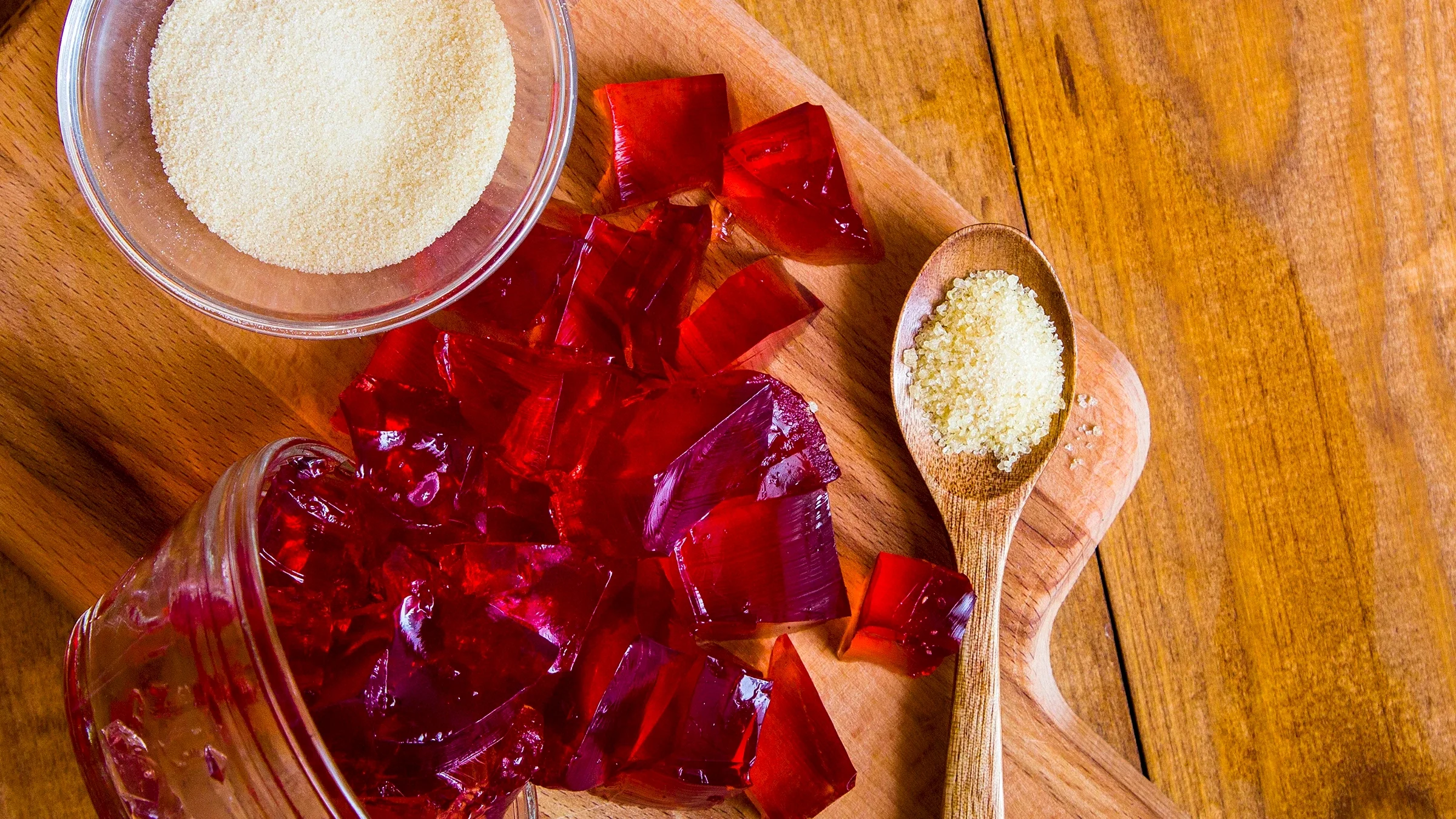
The latest weight loss hack isn’t a trendy supplement or a complicated diet plan. It’s a packet of plain gelatin powder — like you’d find in a box of Jell-O. Across social media, wellness influencers are mixing gelatin powder with water and drinking it in hopes of losing weight.
But does gelatin actually help with weight loss? Is there any evidence to support this? Or is this just another wellness trend without much scientific backing? Let’s take a look.
What is the gelatin trick for weight loss?
Most versions of the gelatin diet involve dissolving unflavored gelatin in hot water, tea, coffee, or hot lemon water. People typically drink the mixture first thing in the morning or about 15 to 30 minutes before meals.
Some people claim that drinking gelatin can lead to weight loss by:
Helping you feel fuller for longer, so you consume fewer calories overall
Increasing your metabolism so you burn more fat
Can the gelatin trick really help you lose weight?
Below are some of the claims about gelatin for weight loss — and what science actually says about each.
Claim: Gelatin can help keep you full
Verdict: This is likely true, at least in the short term.
Gelatin is made up almost entirely of protein. It comes from collagen, which is found naturally in animal skin, bones, and connective tissues. When collagen is cooked and broken down, it forms gelatin.
Protein can help increase fullness after a meal and support weight loss. And since gelatin is made from protein, it may have a similar effect. In studies where people consumed gelatin before a meal, they felt more full afterward. In one study, gelatin increased feelings of fullness more than some other protein sources. But most importantly, there’s no current evidence that this translates into greater weight loss.
Claim: Gelatin can help you consume fewer calories
Verdict: Maybe.
In theory, feeling fuller could lead to eating less. But most of the studies on gelatin only looked at short-term effects measured over a few hours, not weeks or months.
That’s an important distinction because feeling fuller doesn’t automatically mean that you’ll eat fewer calories overall and lose weight. Some people may end up eating more later in the day, which could offset any calorie savings.
In other words, gelatin may help some people eat less at a specific meal. But there isn’t evidence that it leads to meaningful or sustained weight loss in the long term.
Claim: Gelatin helps you burn more fat
Verdict: There’s little evidence to support this claim.
Because gelatin is a source of protein, your body uses slightly more energy to digest it than it does digesting carbohydrates or fat. This is known as the thermic effect of food. But gelatin isn’t unique in this regard. Other protein-rich foods have a similar effect.
More importantly, that small increase in calorie burn is unlikely to make much difference in weight loss on its own. And despite claims you may see on social media, there’s no evidence that gelatin burns fat, targets belly fat, or speeds up fat loss.
So, can gelatin help you lose weight?
Gelatin may increase feelings of fullness, which could indirectly support weight-loss efforts. But there isn’t evidence that it leads to meaningful or sustained weight loss on its own.
In other words, you shouldn’t think of it as a shortcut to weight loss. Your overall diet, physical activity level, sleep quality, stress level, and other lifestyle habits still play a large role.
Downsides of the gelatin diet
Gelatin is generally safe for most people, and occasionally drinking a gelatin beverage is unlikely to cause harm. But the gelatin diet has some downsides, such as:
It may crowd out nutrient-rich foods: Some people recommend drinking gelatin in place of meals or snacks. That can reduce calories in the short term. But it can also lower your intake of fiber, vitamins, minerals, and other nutrients crucial for your health.
Gelatin is an incomplete protein: Gelatin is high in protein, but it doesn’t provide all nine of the essential amino acids your body needs. You shouldn’t rely on it as a major protein source in place of complete proteins, like eggs, dairy products, fish, poultry, soy foods, and quinoa.
It’s incompatible with vegetarian or vegan diets: Gelatin is derived from collagen found in animal skin, bones, and connective tissue, typically from cows or pigs.
Gelatin may contain artificial sweeteners: Some gelatin products contain sugar, calories, and/or artificial sweeteners, which some people prefer to limit.
Gelatin nutrition facts
Gelatin nutrition can vary by brand, but the table below shows the nutrient content of 1 tbsp (12 g) of unflavored gelatin powder. This is the amount typically recommended for the gelatin diet recipe.
Nutrient | Amount |
Calories | 40 |
Protein | 11 g |
Total fat | 0 g |
Carbohydrates | 0 g |
Fiber | 0 g |
Sodium | 35 mg (1% daily value, or DV) |
How to drink gelatin for weight loss
There isn’t one standardized gelatin recipe for weight loss. But many recipes online call for:
1 tbsp of unflavored gelatin
1 cup of hot water
A splash of lemon juice (optional)
Stir the mixture until the gelatin dissolves, then drink the mixture while it’s still warm. The beverage has very little flavor, and people often describe it as mild and broth-like.
There are plenty of variations online, though. Some people mix gelatin into hot coffee or green tea, while others add ingredients such as apple cider vinegar or collagen powder. You can also refrigerate the gelatin-and-water mixture until it sets and eat it as a snack.
Frequently asked questions
Trying to ignore hunger isn’t a healthy or sustainable weight-loss strategy. Hunger is a normal biological signal, not something you need to eliminate. And ignoring your body’s hunger cues can make cravings and overeating more likely later on. A better approach is to choose foods that naturally help you feel full and satisfied. Foods high in protein, fiber, and healthy fats tend to be especially filling. This can make it easier to stick to your calorie goals without feeling deprived. So instead of trying to suppress your appetite, focus on building satisfying meals.
Individual calorie needs vary widely from person to person depending on age, activity level, and other factors. In general, most adults need somewhere between 1,600 and 3,200 calories per day. Keep in mind that cutting calories isn’t always the most effective weight-loss strategy. It can lead to malnutrition, disordered eating, and for many, long-term weight gain. The best way to know how many calories you need a day is to work with a dietitian or nutritionist.
Trying to ignore hunger isn’t a healthy or sustainable weight-loss strategy. Hunger is a normal biological signal, not something you need to eliminate. And ignoring your body’s hunger cues can make cravings and overeating more likely later on. A better approach is to choose foods that naturally help you feel full and satisfied. Foods high in protein, fiber, and healthy fats tend to be especially filling. This can make it easier to stick to your calorie goals without feeling deprived. So instead of trying to suppress your appetite, focus on building satisfying meals.
Individual calorie needs vary widely from person to person depending on age, activity level, and other factors. In general, most adults need somewhere between 1,600 and 3,200 calories per day. Keep in mind that cutting calories isn’t always the most effective weight-loss strategy. It can lead to malnutrition, disordered eating, and for many, long-term weight gain. The best way to know how many calories you need a day is to work with a dietitian or nutritionist.
The bottom line
The gelatin weight-loss trend isn’t pure hype, but it’s not a weight-loss magic bullet, either. While gelatin might help fill you up, that doesn’t necessarily translate into meaningful, long-term weight loss. If you like gelatin, there’s no harm in occasionally drinking (or eating) it. But if your goal is weight loss, don’t get hung up on the gelatin diet or other hacks you see online. Instead, focus on eating satisfying, balanced meals, getting adequate exercise and sleep, and reducing stress. This matters much more than relying on a single food or drink.

Why trust our experts?




References
Guarneiri, L. L., et al. (2024). Effects of varying protein amounts and types on diet-induced thermogenesis: A systematic review and meta-analysis. Advances in Nutrition.
Hochstenbach-Waelen, A., et al. (2010). No long-term weight maintenance effects of gelatin in a supra-sustained protein diet. Physiology & Behavior.
Hochstenbach-Waelen, A., et al. (2009). Single-protein casein and gelatin diets affect energy expenditure similarly but substrate balance and appetite differently in adults. The Journal of Nutrition.
MyFoodData. (n.d.). Great lakes gelatin - unflavored beef gelatin, unflavored.
Pesta, D. H., et al. (2014). A high-protein diet for reducing body fat: mechanisms and possible caveats. Nutrition & Metabolism.
U.S. Department of Agriculture. (2020). Dietary Guidelines for Americans 2020-2025.