Key takeaways:
GLP-1 medications can lower your sense of thirst and cause side effects like nausea or diarrhea. This combination can increase your risk of dehydration.
Most people should aim for around 2 L to 3 L of fluid each day while taking GLP-1 medications.
Not drinking enough water can lead to symptoms like fatigue and dizziness and, in more serious cases, kidney problems or low blood pressure.
Save on related medications
You may already know that GLP-1 medications can change how your body experiences hunger. But they can also change your thirst drive.
Because of this, paying more attention to hydration becomes even more important when you’re taking a GLP-1. In some cases, you may need to drink more fluids than you’re used to, or be more mindful of how much water you’re drinking.
Understanding why this happens can help you stay ahead of dehydration and feel your best while taking these medications.
Why do you need to drink more water on GLP-1s?
Everyone needs to pay closer attention to their fluid intake while taking GLP-1 medications. You may not need to drink more than the usual recommended amount of water for your age and health.
But even if your healthcare team doesn’t recommend drinking more water while taking a GLP-1, you’ll need to make sure you’re consistently meeting your hydration needs.
That’s because you’re at higher risk for developing dehydration while taking a GLP-1 medication. This is due to two GLP-1 effects: increased fluid losses and a lower thirst drive.
Increased fluid losses: GLP-1 medications commonly cause stomach-related side effects. These include nausea, vomiting, and diarrhea. Up to 1 in 3 people experience one or more of these symptoms, especially when starting the medication or increasing the dose. These symptoms can quickly lead to fluid loss and dehydration.
Lower thirst drive: GLP-1 medications can lower your thirst drive. This effect appears to be separate from how these medications reduce hunger. Early research on the topic suggests that some people drink less water while taking GLP-1 medications and they may not realize they feel less thirsty than usual.
Together, these two GLP-1 effects can increase your risk of dehydration over time.
How much water should you drink while taking GLP-1s?
How much water you need depends on your age, health, and any medical conditions you have. Your healthcare team can help you figure out what’s right for you.
But in general, many experts recommend about 2 L to 3 L of fluid per day (67.5 oz to 101.5 oz) while taking a GLP-1 medication. Some people may need to drink more than this each day to meet their hydration needs.
GLP-1s slow digestion and reduce your thirst drive. As a result, you may not feel thirsty even when your body needs more fluids. Because of this, it’s important to drink regularly throughout the day rather than waiting until you feel thirsty.
It’s also helpful to include foods that contain water and electrolytes. This is especially important when you’re increasing your medication dose and side effects like nausea or diarrhea are more likely.
What happens if you don’t drink enough water on GLP-1s?
Not drinking enough water while taking a GLP-1 medication can lead to dehydration. Early signs of dehydration can include:
Increased thirst
Dry mouth
Fatigue
Dizziness
Headaches
These symptoms can be uncomfortable and they’re also a warning sign that your body needs more fluids.
If dehydration continues, it can lead to more serious health problems, such as:
Kidney injury: Dehydration can reduce blood flow to the kidneys, which can affect your kidney function and lead to kidney injury.
Low blood pressure and fainting: Fluid loss lowers blood volume, which can lead to dizziness, lightheadedness, or fainting. This can increase the risk of falls, especially in older adults.
Gallstones and gallbladder issues: Dehydration can make bile more concentrated, increasing the risk of gallstones and gallbladder inflammation.
Electrolyte imbalances: Losing fluids can disrupt sodium and potassium levels, which are needed for normal heart, muscle, and nerve function.
Constipation and slowed digestion: GLP-1 medications already slow digestion, and dehydration can make constipation worse.
Kidney stones: Lower fluid intake can increase the risk of kidney stone formation.
Who is most likely to become dehydrated while taking GLP-1s?
Some people are more likely to become dehydrated while taking GLP-1 medications. They may also be at higher risk for complications related to dehydration. People at higher risk include:
Older adults: As you get older, your sense of thirst and your body’s ability to conserve water both diminish. This puts you at higher risk for dehydration.
People with kidney disease: GLP-1 medications may support kidney health over time. But fluid loss early in treatment can put extra strain on the kidneys, especially in more advanced kidney disease.
People taking diuretics or SGLT2 inhibitors: These medications cause your body to lose more fluid. When combined with GLP-1 medications, they can increase the risk of dehydration.
People starting a GLP-1 or increasing their dose: Side effects like nausea, vomiting, and diarrhea are more likely when you first start GLP-1 medications or when you increase your dose.
Your healthcare team may recommend closer monitoring if you have any of these risk factors, especially when starting treatment or adjusting your dose.
Tips for staying hydrated while taking GLP-1s
There are steps you can take to help you stay hydrated while taking GLP-1s. Try these strategies to help you keep up with your fluid needs:
Set a daily fluid goal: Aim for a target amount of water each day and track it. Using a marked water bottle or an app can help you stay consistent.
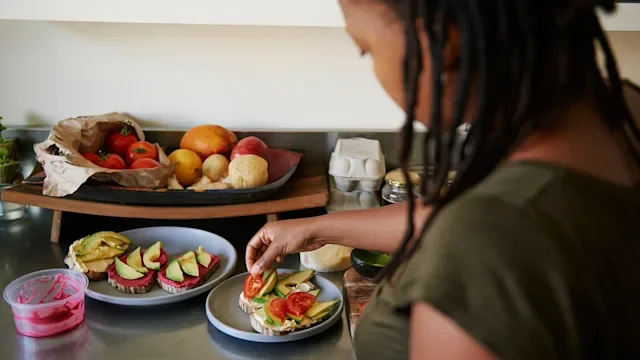
Include hydrating foods: Foods with high water content can help you meet your fluid needs. Fruits and vegetables can help you get more fluid throughout the day.
Review your medications with your healthcare team: Some medications, like diuretics, increase fluid loss. Your healthcare team may adjust these medications if you’re starting a GLP-1. But don’t make changes to your medications without talking with your healthcare team first.
Get treatment for GLP-1 side effects: Nausea, vomiting, and diarrhea can increase fluid loss. Your healthcare team can help adjust your dose or recommend treatments to make these side effects easier to tolerate.
Limit alcohol: Alcohol makes you pee more often. It also irritates your stomach, which can worsen nausea and vomiting. Limiting alcohol can help lower the risk of developing dehydration.
Frequently asked questions
Hydration can help ease constipation from GLP-1s. Water is the best option if you’re experiencing constipation. Staying hydrated can also help ease dehydration-related symptoms, like fatigue and headaches.
GLP-1s don’t cause water retention. Some people can experience bloating while taking GLP-1s. Bloating develops because GLP-1s slow digestion causing food and water to sit in your stomach for longer periods of time.
Most people don’t need to add electrolytes to their water. Instead, it’s better to get electrolytes from foods. Fruits and vegetables like avocados, bananas, and oranges can help provide the balance your body needs to stay hydrated.
If you have a history of heart or kidney disease, talk with your healthcare team before adding electrolyte supplements. These conditions can make it harder for your body to regulate electrolyte levels, which can lead to complications if levels get too high.
Hydration can help ease constipation from GLP-1s. Water is the best option if you’re experiencing constipation. Staying hydrated can also help ease dehydration-related symptoms, like fatigue and headaches.
GLP-1s don’t cause water retention. Some people can experience bloating while taking GLP-1s. Bloating develops because GLP-1s slow digestion causing food and water to sit in your stomach for longer periods of time.
Most people don’t need to add electrolytes to their water. Instead, it’s better to get electrolytes from foods. Fruits and vegetables like avocados, bananas, and oranges can help provide the balance your body needs to stay hydrated.
If you have a history of heart or kidney disease, talk with your healthcare team before adding electrolyte supplements. These conditions can make it harder for your body to regulate electrolyte levels, which can lead to complications if levels get too high.
The bottom line
GLP-1 medications can make you less thirsty, so it’s easy to become dehydrated without realizing it. It’s important to drink enough fluids throughout the day, especially when starting treatment or increasing your dose. Paying attention to early signs of dehydration and keeping up with your fluid intake can help you feel better and avoid complications. Your healthcare team can help you create a hydration plan that fits your health needs.

Why trust our experts?



References
American Diabetes Association Professional Practice Committee for Diabetes. (2025). 13. Older Adults: Standards of Care in Diabetes-2026. Diabetes Care.
Brown, E., et al. (2021). SGLT2 inhibitors and GLP-1 receptor agonists: established and emerging indications. The Lancet.
He, L., et al. (2024). Pharmacovigilance study of GLP-1 receptor agonists for metabolic and nutritional adverse events. Frontiers in Pharmacology.
Kushner, R. F., et al. (2025). Managing adverse effects of incretin-based medications for obesity. JAMA.
Mehrtash, F., et al. (2025). Integrating diet and physical activity when prescribing GLP-1s-lifestyle factors remain crucial. JAMA Internal Medicine.
Rosen, C. J., et al. (2026). GLP-1 receptor agonists. The New England Journal of Medicine.
Winzeler, B., et al. (2021). A randomized controlled trial of the GLP-1 receptor agonist dulaglutide in primary polydipsia. Journal of Clinical Investigation.
Winzeler, B., et al. (2020). Effects of glucagon-like peptide-1 receptor agonists on fluid intake in healthy volunteers. Endocrine.
Xie, Y., et al. (2025). Mapping the effectiveness and risks of GLP-1 receptor agonists. Nature Medicine.