Key takeaways:
Electrolytes are essential minerals that support many processes in your body. The electrolytes you need include potassium, magnesium, calcium, and sodium.
Many of the foods you eat — including fruit — naturally have electrolytes. Fruits with electrolytes include bananas, avocados, and oranges. Usually you can get all the electrolytes you need from your diet.
Unlike electrolyte drinks, fruits contain many beneficial antioxidants, fiber, and vitamins.
Electrolytes are essential minerals that are crucial for many body functions. Electrolytes are needed for muscle contraction, blood pressure, and balancing the amount of water in the body.
You need electrolytes all the time. But they’re extra essential when you’ve lost a lot of nutrients. This can happen if you’ve been sweating a lot, or if you’ve been sick with diarrhea or vomiting.
You may be familiar with electrolyte drinks. But you might not realize that electrolytes are naturally found in many of the foods you already eat — including fruit. Many fruits are a great source of the electrolytes potassium, magnesium, and calcium.
Let’s take a look at some of the top fruits with electrolytes.
1. Avocados
Electrolytes: 487 mg of potassium (10% daily value, or DV) and 29 mg of magnesium (7% DV) per ½ of a medium avocado
Avocados are a heart-healthy food. One reason is that they’re among the foods highest in potassium, and potassium helps to regulate blood pressure. In fact, the American Heart Association (AHA) recommends eating potassium-rich foods to help manage blood pressure. Avocados also contain healthy, unsaturated fats. These fats support heart health by helping to control cholesterol levels.
2. Bananas
Electrolytes: 422 mg of potassium (9% DV) and 32 mg of magnesium (8% DV) in one medium banana
Bananas are known for being a great pre- or postworkout snack. One reason is that they’re high in magnesium and potassium, two minerals that can help prevent muscle cramps. (And having low potassium and/or magnesium can cause muscle cramping.) Bananas also provide carbohydrates for energy, along with about 3 g of filling fiber.
3. Oranges
Electrolytes: 232 mg of potassium (5% DV), 15 mg of magnesium (4% DV), and 60 mg of calcium (5% DV) in one navel orange
Oranges may be best known for their vitamin C content. But oranges also contain more calcium than most other fruits. Calcium is essential for strong bones and teeth. But it also plays an important role in helping muscles contract — and this includes the heart muscle. In addition to their calcium, oranges contain a small amount of the electrolytes potassium and magnesium.
4. Tomatoes
Electrolytes: 353 mg of potassium (8% DV) and 16 mg of magnesium (4% DV) per cup of cherry tomatoes
Tomatoes are often grouped with vegetables, but they’re fruits. Tomatoes are made up of about 95% water, so they’re a very hydrating food. They’re also high in lycopene, a powerful antioxidant that helps protect your cells from damage, and may have specific benefits for heart health, blood sugar, and decreasing the risk of prostate cancer.
5. Watermelon
Electrolytes: 320 mg of potassium (7% DV), 28 mg of magnesium (7% DV), and 20 mg of calcium (2% DV) per wedge of watermelon (about 1/16 of the fruit)
Though watermelon and tomatoes taste quite different, they have a lot in common. Watermelon is high in lycopene, the antioxidant that gives it its red color. And true to its name, watermelon is full of water. It also contains both potassium and magnesium. Since you lose both water and electrolytes when you sweat, watermelon is a great food for hot days.
6. Cherries
Electrolytes: 342 mg of potassium (7% DV), 17 mg of magnesium (4% DV), and 20 mg of calcium (2% DV) per cup of pitted cherries
In addition to their electrolytes, cherries are a natural source of melatonin, a hormone that helps your body regulate its sleep-wake cycle. This benefit is even greater in tart cherries — which are smaller and brighter red than sweet cherries. So eating cherries can help you stay hydrated and may promote better sleep.
7. Strawberries
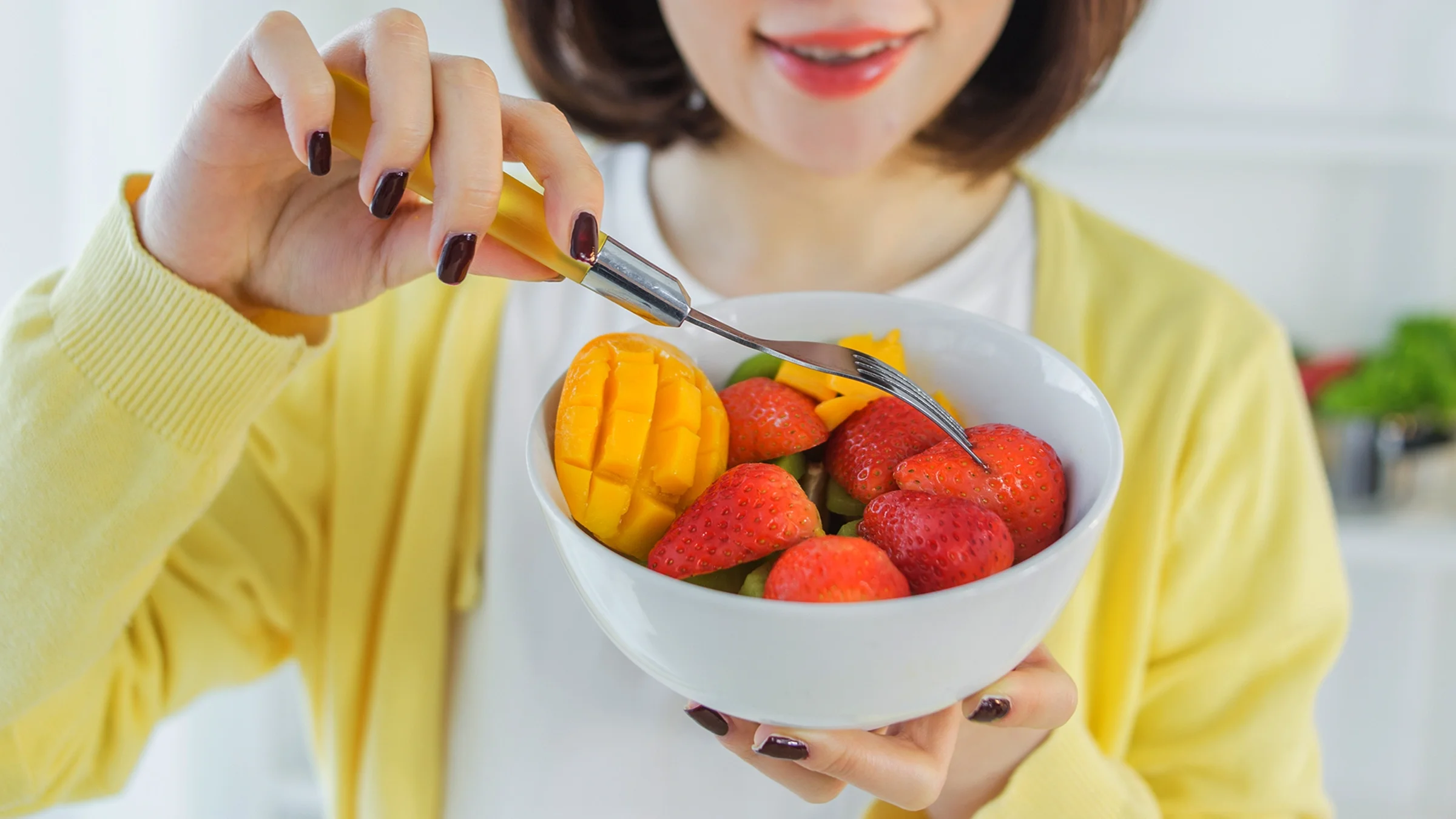
Electrolytes: 254 mg of potassium (5% DV), 21 mg of magnesium (5% DV), and 26 mg of calcium (2% DV) per cup of sliced strawberries
Strawberries are an excellent source of vitamin C — providing even more than an orange. This vitamin C helps your body make healthy white blood cells, which are necessary for fighting off infections. Vitamin C also works as an antioxidant, helping to protect immune cells from damage caused by free radicals — unstable molecules that can build up and increase your risk for chronic conditions.
8. Mango
Electrolytes: 277 mg of potassium (6% DV) and 16 mg of magnesium (4% DV) per cup of sliced mango
Mango has more to offer than its deliciously sweet taste. Along with its electrolytes, mango is high in the antioxidant beta carotene. Beta carotene turns into vitamin A in the body and supports eye health.
Though mango has a good amount of fiber (3 g per cup), it’s still a high-glycemic fruit. This means it raises blood sugar more than lower-glycemic fruits do. So people with diabetes — or anyone who’s watching their blood sugar — may need to limit their intake.
Other foods with electrolytes
In addition to fruits, many other foods and beverages also provide electrolytes, including:
Milk
Potatoes
Leafy greens like spinach and kale
Legumes like beans and lentils
Poultry, including chicken and turkey
Pickles and pickle juice
Why does the body need electrolytes?
Electrolytes are minerals that have an electric charge when dissolved in water or other body fluids like blood or urine. Your body needs electrolytes for many functions, including:
Balancing the amount of water in your body
Treating and/or preventing dehydration
Moving nutrients into your cells, and waste out of your cells
Supporting nerve and muscles function (including the heart muscle)
Regulating the pH of your blood
Stabilizing blood pressure
There are seven main electrolytes that are important for the body:
Sodium
Potassium
Chloride
Magnesium
Calcium
Phosphate
Bicarbonate
What is electrolyte imbalance?
Your body works hard to help maintain a consistent balance of electrolytes in your body. Your kidneys are responsible for filtering electrolytes, and removing any excess through your urine. But it’s possible to have an imbalance. Some things that can cause an electrolyte imbalance include:
Excessive fluid loss, such as from excessive sweating, vomiting, and/or diarrhea
Kidney conditions, like chronic kidney disease (CKD)
Certain medications, including diuretics
Endocrine (hormone) disorders
Malnutrition
Electrolyte imbalance symptoms
Symptoms of electrolyte imbalance can include:
Muscle cramps, spasms, or weakness
Difficulty breathing
Heart arrhythmias, which are problems with the rate or rhythm of your heartbeat
Mental confusion
Swelling of body tissues
If you experience these symptoms, it’s important to get medical care. But note that electrolyte imbalance isn’t common. For most people most of the time, drinking water and eating a balanced diet will maintain a normal balance of electrolytes.
Frequently asked questions
Each dietary electrolyte has a recommended daily adequate intake amount. As an example, the daily adequate intake for potassium is 2,600 mg per day for women and 3,400 mg for men. Aside from your sex, other factors can affect how many electrolytes you need. These factors include your activity level, how much water you drink, the climate you live in, and whether you are pregnant or breastfeeding.
Yes, it’s possible to consume too many electrolytes. And an electrolyte imbalance can be dangerous. But this is more likely to happen if you consume a high amount of electrolyte drinks or take electrolyte supplements. It’s not as likely to happen with food.
It depends. For most people most of the time, drinking plain water is enough to stay hydrated. But if you’re exercising intensely for long periods of time, or exercising in extreme heat, an electrolyte drink may hydrate you faster than water. The same applies to people who have excessive or prolonged vomiting or diarrhea.
Many juices are an excellent source of potassium. Examples include orange juice, prune juice, and tomato juice. These juices are often even higher in electrolytes than their whole-fruit counterparts. That’s because juice is more concentrated than fruit — it takes multiple pieces of fruit to make a single serving of juice. When you’re buying juice, make sure to choose 100% juice so you can avoid added sugars and other fillers.
Each dietary electrolyte has a recommended daily adequate intake amount. As an example, the daily adequate intake for potassium is 2,600 mg per day for women and 3,400 mg for men. Aside from your sex, other factors can affect how many electrolytes you need. These factors include your activity level, how much water you drink, the climate you live in, and whether you are pregnant or breastfeeding.
Yes, it’s possible to consume too many electrolytes. And an electrolyte imbalance can be dangerous. But this is more likely to happen if you consume a high amount of electrolyte drinks or take electrolyte supplements. It’s not as likely to happen with food.
It depends. For most people most of the time, drinking plain water is enough to stay hydrated. But if you’re exercising intensely for long periods of time, or exercising in extreme heat, an electrolyte drink may hydrate you faster than water. The same applies to people who have excessive or prolonged vomiting or diarrhea.
Many juices are an excellent source of potassium. Examples include orange juice, prune juice, and tomato juice. These juices are often even higher in electrolytes than their whole-fruit counterparts. That’s because juice is more concentrated than fruit — it takes multiple pieces of fruit to make a single serving of juice. When you’re buying juice, make sure to choose 100% juice so you can avoid added sugars and other fillers.
The bottom line
Many foods contain electrolytes, and fruit is one example. Watermelon, cherries, and oranges are some of the fruits that provide electrolytes that your body needs for daily function. Because so many foods contain electrolytes, most people get enough through their diets. But electrolyte drinks can come in handy in certain situations, like with extreme water loss from sweating, vomiting, or diarrhea.

Why trust our experts?




References
Agricultural Research Magazine. (2002). Watermelon packs a powerful lycopene punch. U.S. Department of Agriculture.
American Heart Association. (2025). How potassium can help prevent or treat high blood pressure.
Balcı, A. K., et al. (2013). General characteristics of patients with electrolyte imbalance admitted to emergency department. World Journal of Emergency Medicine.
Carr, A. C., et al. (2017). Vitamin C and immune function. Nutrients.
Deep, A., et al. (2023). Serum electrolytes in patients presenting with acute exacerbation of chronic obstructive pulmonary disease (COPD) and their comparison with stable COPD patients. Cureus.
Fries, C. , et al. (2025). [An endocrinological perspective on electrolyte imbalances]. Deutsche Medizinische Wochenschrift.
MedlinePlus. (n.d.). Fluid and electrolyte balance.
Michael Merschel. (2024). Electrolytes can give the body a charge, but try not to overdo it. American Heart Association.
MyFoodData. (n.d.). Avocados.
MyFoodData. (n.d.). Bananas.
MyFoodData. (n.d.). Mangos.
MyFoodData. (n.d.). Navel oranges.
MyFoodData. (n.d.). Strawberries.
MyFoodData. (n.d.). Sweet cherries.
MyFoodData. (n.d.). Tomatoes.
MyFoodData. (n.d.). Watermelon.
Office of Dietary Supplements. (2022). Potassium fact sheet for health professionals. National Institutes of Health.
Schwinger, R. H., et al. (1992). Heart failure and electrolyte disturbances. Methods and Findings in Experimental and Clinical Pharmacology.
Shrimanker, I., et al. (2023). Electrolytes. StatPearls.
Xia, H., et al. (2020). Melatonin accumulation in sweet cherry and its influence on fruit quality and antioxidant properties. Molecules.