Key takeaways:
GLP-1 medications slow down digestion, which can cause bloating, nausea, and a feeling of fullness. This is especially common when you first start a GLP-1 or after a dose increase.
Eating smaller meals and avoiding high-fat, fried, and gas-producing foods can help reduce bloating while you’re on GLP-1s.
Bloating from GLP-1s usually improves over time. But severe or persistent symptoms should be discussed with a healthcare professional.
Save on related medications
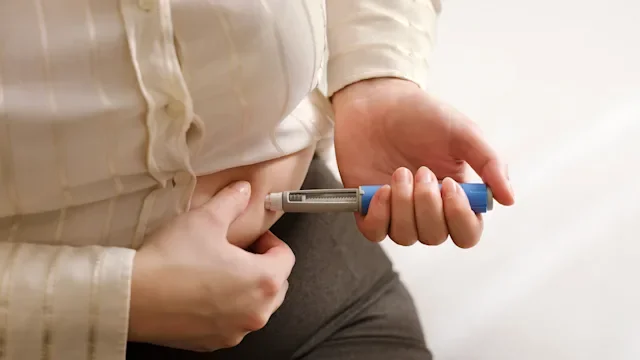
If you’ve started taking a glucagon-like peptide-1 (GLP-1) medication — like Ozempic, Wegovy, Mounjaro, or Zepbound — and you’re feeling uncomfortably full and bloated after meals, you’re not alone. Bloating is one of the most common GLP-1 side effects, and, for many people, it’s one of the most bothersome.
The good news: GLP-1 bloating is usually manageable, and the longer you’re on the medication, the more likely these symptoms are to improve. Understanding why it happens — and what you can do about it — can make those first weeks or months of treatment a lot more comfortable.
What is GLP-1 bloating?
GLP-1 medications mimic a natural hormone in your body. This hormone helps to regulate blood sugar, reduce appetite, and slow down how fast food moves from your stomach into the rest of your digestive tract. This slowing of your digestion is called delayed gastric emptying, and it’s actually part of how these medications work. By keeping food in your stomach longer, they help you feel fuller and cause you to eat less.
But that same process also causes bloating. When food lingers in your stomach longer than usual, gas can build up, your belly can feel tight or distended, and you may feel uncomfortably full, even after a small meal.
Other gastrointestinal (GI) symptoms are common, too. Bloating on GLP-1s frequently occurs alongside:
How common is bloating from GLP-1s?
Bloating is one of the most frequent complaints people have when taking GLP-1s. But there isn’t a lot of data on it. That’s because bloating isn’t always tracked as a separate symptom in studies. It tends to get grouped under broader GI complaints. Regardless, the research shows that GI side effects in general arethe most commonly reported issues with GLP-1s.
Most GI symptoms are mild to moderate. And they improve over time as your body adjusts to the medication. By the third month, most people who experience GI symptoms on a GLP-1 notice significant improvement.
Do all GLP-1s cause bloating?
All GLP-1 medications slow gastric emptying to some degree. So, bloating is a side effect across this whole class of medications.
But some medications tend to cause more GI trouble than others. Studies suggest that tirzepatide (Mounjaro, Zepbound) carries a higher overall risk of GI side effects than semaglutide (Ozempic, Wegovy). Dulaglutide (Trulicity) and liraglutide (Saxenda) tend to show lower rates of bloating as well.
How do you get rid of GLP-1 bloating?
Because GLP-1s slow digestion, what you eat makes a bigger difference than you might expect. Small adjustments to your diet and eating habits can go a long way toward keeping symptoms manageable.
What foods should you eat if you have bloating on GLP-1s?
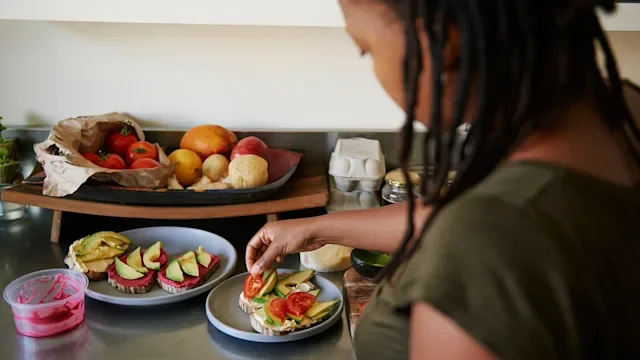
If you have bloating on GLP-1s, a good place to start is by eating smaller, more frequent meals. Try 4 to 6 small meals throughout the day, rather than 2 or 3 large ones. When your stomach is slow to empty, a big meal just makes the problem worse. Beyond that, focus on foods that are easy to digest and don’t add more gas burden.
Good options include:
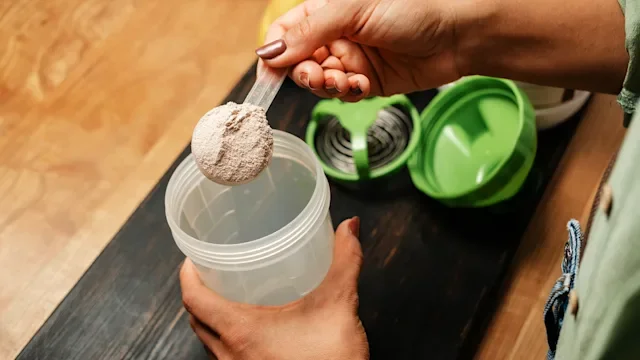
Lean proteins: Chicken, fish, eggs, and low-fat dairy are good options. Protein is generally well-tolerated and helps preserve muscle mass during weight loss.
Cooked vegetables: Raw vegetables are harder to digest and can produce more gas. Steaming or roasting them makes them gentler on your stomach.
Whole grains, in moderation: Oats, brown rice, quinoa, and other whole grains provide fiber that supports healthy digestion.
Low-sugar fruits: Low-sugar fruits — like berries, melon, and bananas — are nutritious and usually well-tolerated.
Plenty of water: GLP-1s can also decrease your sense of thirst, which can lead to dehydration. Aim for 8 to 12 cups of water a day.
What foods should you avoid on GLP-1s?
Some foods are more likely to trigger or worsen bloating when you’re on a GLP-1. Cutting back on these can make a real difference:
High-fat and fried foods: Examples include fried chicken, cheeseburgers, bacon, and creamy sauces. Fatty foods naturally slow gastric emptying. Combining them with a GLP-1 worsens this effect.
Carbonated drinks: Sparkling water, soda, and beer increase gas. The bubbles introduce gas directly into your digestive tract, and, with everything moving slowly from the GLP-1 medication, that gas has nowhere to go.
Gas-producing vegetables: Broccoli, cauliflower, cabbage, brussels sprouts, beans, and lentils are notorious for causing gas. You don’t have to eliminate them, just make sure to cook them thoroughly and watch your portion sizes.
Highly processed and sugary foods: White bread, pastries, candy, and sugary cereals are highly processed. These don’t contain much fiber and can worsen constipation.
Alcohol: Alcohol worsens nausea, promotes dehydration, and irritates the GI tract, all of which make GLP-1 side effects worse.
Can you prevent bloating on GLP-1s?
You may not be able to avoid bloating entirely, but these habits can help keep symptoms manageable:
Slow down your eating. Eating quickly causes you to swallow air, which worsens bloating. Take smaller bites, chew thoroughly, and pace yourself.
Stay upright after meals. Sitting or walking for at least 30 minutes after eating helps digestion.
Don’t rush to increase your dose. GLP-1 medications are designed to be started at a low dose and increased slowly. If your symptoms are hard to tolerate, ask your prescriber about slowing down your dose increases.
Skip eating right before bed. Eating right before bed can slow your digestion and can make bloating and reflux worse overnight.
Is GLP-1 bloating serious?
For most people, GLP-1 bloating is uncomfortable, but not dangerous. Symptoms tend to be worse in the first few weeks and around each dose increase, then fade as your body adjusts. Mild bloating that doesn’t stop you from eating or drinking is generally nothing to worry about.
When should you be concerned about bloating on GLP-1s?
In rare cases, GLP-1 medications can lead to a condition called gastroparesis, where the stomach empties so slowly that it actually stops working properly. This is more serious than the typical GLP-1 bloating that most people experience. Luckily, GLP-1-related gastroparesis is usually reversible. Reducing the dose or stopping the medication typically resolves it.
You should reach out to a healthcare professional if you notice:
Bloating that’s severe, constant, or getting progressively worse
A hard or visibly swollen belly
Inability to pass gas or have a bowel movement
Severe stomach pain or cramping
Persistent nausea or vomiting
Signs of dehydration, like dark urine or dizziness
Frequently asked questions
No GLP-1 medication is completely free of GI side effects. That said, some tend to be better tolerated than others. Research suggests that tirzepatide (Mounjaro, Zepbound) carries the highest overall risk of GI side effects, and dulaglutide (Trulicity) and liraglutide (Saxenda) tend to cause fewer problems. Individual responses vary a lot, though. So, finding the right fit often requires a personalized approach.
Most GI side effects peak in the first few weeks and around each dose increase. Then, they tend to improve as your body adjusts. Nausea typically gets better within about a week for most people, and diarrhea often resolves within a few days. Constipation tends to hang around longer, but it usually responds to fiber, hydration, and over-the-counter (OTC) options, if needed. By the time they’ve settled into their maintenance dose, most people find their symptoms have largely faded.
No GLP-1 medication is completely free of GI side effects. That said, some tend to be better tolerated than others. Research suggests that tirzepatide (Mounjaro, Zepbound) carries the highest overall risk of GI side effects, and dulaglutide (Trulicity) and liraglutide (Saxenda) tend to cause fewer problems. Individual responses vary a lot, though. So, finding the right fit often requires a personalized approach.
Most GI side effects peak in the first few weeks and around each dose increase. Then, they tend to improve as your body adjusts. Nausea typically gets better within about a week for most people, and diarrhea often resolves within a few days. Constipation tends to hang around longer, but it usually responds to fiber, hydration, and over-the-counter (OTC) options, if needed. By the time they’ve settled into their maintenance dose, most people find their symptoms have largely faded.
The bottom line
Bloating is a common side effect of GLP-1 medications. It happens because these medications slow down your digestion. For most people, symptoms are manageable and improve significantly on their own during the first few months of treatment.
But there are things you can do to help. Eating smaller meals, staying hydrated, and cutting back on fatty, carbonated, and gas-producing foods can help you get through the adjustment period.
If your symptoms are severe, persistent, or come with warning signs, like a hard belly or an inability to keep food down, call your prescriber. They can work with you to change your dose adjustment schedule and offer tips for managing side effects, which can make a real difference.

Why trust our experts?



References
Gentinetta, S., et al. (2024). Dietary recommendations for the management of gastrointestinal symptoms in patients treated with GLP-1 receptor agonist. Diabetes, Metabolic Syndrome and Obesity.
Jalleh, R. J., et al. (202t). Clinical consequences of delayed gastric emptying with GLP-1 receptor agonists and tirzepatide. The Journal of Clinical Endocrinology & Metabolism.
Kalas, M. A., et al. (2021). Medication-induced gastroparesis: A case report. Journal of Investigative Medicine High Impact Case Reports.
Kim, J. A., et al. (2025). Exploring the side effects of GLP-1 receptor agonist: To ensure its optimal positioning. Diabetes & Metabolism Journal.
Patel, H., et al. (2023). Gastrointestinal adverse events and weight reduction in people with Type 2 diabetes treated with tirzepatide in the SURPASS clinical trials. Diabetes, Obesity and Metabolism.
Safwan, M., et al. (2025). Gastrointestinal safety of semaglutide and tirzepatide vs. placebo in obese individuals without diabetes: A systematic review and meta analysis. Annals of Saudi Medicine.
Xie, X., et al. (2025). Comparative gastrointestinal adverse effects of GLP-1 receptor agonists and multi-target analogs in Type 2 diabetes: A Bayesian network meta-analysis. Frontiers in Pharmacology.