Key takeaways:
In clinical trials, people on the highest dose of Zepbound lost an average of about 21% of their body weight. That’s roughly 50 lbs for someone who weighs 230 lbs.
Most people start to see weight loss within the first month, but the biggest results come over time as your dose increases.
Diet and exercise matter. Zepbound works best when paired with a reduced-calorie diet and regular physical activity.
Save on related medications
Zepbound (tirzepatide) has produced some of the largest weight loss numbers ever seen in clinical trials. People taking the highest dose have lost, on average, around a fifth of their body weight — results that were once only seen after weight-loss (bariatric) surgery.
But averages don’t tell the whole story. How much weight you actually lose on Zepbound depends on your starting weight, your dose, how long you’re on it, and what you’re doing alongside the medication.
Here’s what the evidence shows, and what you can realistically expect.
How much weight can you lose on Zepbound?
Zepbound has some of the highest weight-loss numbers of any medication ever approved to manage weight. In the study that led to its FDA approval, here’s how much weight people lost on average, by dose:
Tirzepatide 5 mg: average weight loss of 15% (about 35 lbs for someone who weighs 230 lbs)
Tirzepatide 10 mg: average weight loss of almost 20% (about 45 lbs for someone who weighs 230 lbs)
Tirzepatide 15 mg: average weight loss of almost 21% (about 50 lbs for someone who weighs 230 lbs)
Zepbound also came out ahead in a head-to-head trial against Wegovy (semaglutide), the other leading weight-loss injection. In that study, people on Zepbound lost an average of 20% of their body weight compared to almost 14% for those on Wegovy. This would come out to about a 50 lb weight loss for Zepbound versus a 33 lb weight loss for Wegovy.
How much weight can you lose in the first month on Zepbound?
You may not see much weight loss in the first month on Zepbound. The starting dose for Zepbound is typically 2.5 mg for the first month. This dose is designed to let your body adjust, not to drive major weight loss. Most people notice their appetite decreasing pretty quickly, but the scale moves slowly at first. It’s typical to lose around 5 lbs to 8 lbs in the first month, but this can vary from person to person.
The bigger losses tend to come later, as your dose increases every 4 weeks. By the time you’re at a maintenance dose — anywhere from 5 mg to 15 mg depending on your response — weight loss tends to increase. Remember, the first month on GLP-1s is the starting line, not the finish.
How long does it take to start losing weight on Zepbound?
Most people notice changes within the first few weeks — a reduced appetite, feeling full faster, thinking about food less. Actual weight loss may begin in the first month, though the early doses are modest by design.
Typical weight loss on Zepbound may look something like this:
Slow, steady weight loss in the first few months while your dose is increasing
More significant loss once you’re at or near your maintenance dose
Weight loss hitting a plateau somewhere around 9 to 12 months for most people, once the body has adjusted to the medication’s effects
Maintaining weight loss, and in some cases continuing losing a bit more weight while on a maintenance dose
How can you maximize weight loss on Zepbound?
Zepbound is approved for use as a weight-loss medication alongside a reduced-calorie diet and increased physical activity. That means the lifestyle changes you make while taking Zepbound can help improve your weight loss. The clinical trials that reported significant weight loss were completed with people who also made dietary and exercise changes. The medication does a lot of the heavy lifting, but what you do alongside it makes a real difference.
Let’s review specific tips that may help you maximize your weight loss on Zepbound below.
Focus on protein and whole foods
Protein should be one of the staples in your diet while taking GLP-1 medications like Zepbound. Protein helps you feel fuller longer and may also help to boost natural GLP-1 production in the body. This can help suppress your appetite and improve your weight loss.
It’s also important to eat protein because one of the risks of rapid weight loss on GLP-1 medications is muscle loss. When you’re eating significantly less, your body can break down muscle for energy. Adequate daily protein intake (about 20 g to 30 g per meal) will help preserve your muscle mass as the weight comes off.
Round out your meal with vegetables, whole grains, and healthy fats. Processed foods, sugary snacks, and fatty fried foods can worsen the GLP-1 side effects and interfere with how well the medication works.
Add strength training
Cardio is great for overall health, but resistance training using weights, resistance bands, and body-weight exercises, is particularly valuable when you’re losing weight quickly. It helps preserve lean muscle mass, which keeps your metabolism from slowing down. Even 2 to 3 sessions a week can make a meaningful difference.
Don’t rush your dose increases
Going up too fast on your dose is one of the main reasons people struggle with Zepbound’s side effects. Side effects like nausea, bloating, and constipation can make it harder to eat well and stay consistent. Follow the gradual dosage schedule and give yourself extra time at a lower dose if you need it — this tends to lead to better long-term outcomes.
Stay consistent with injections
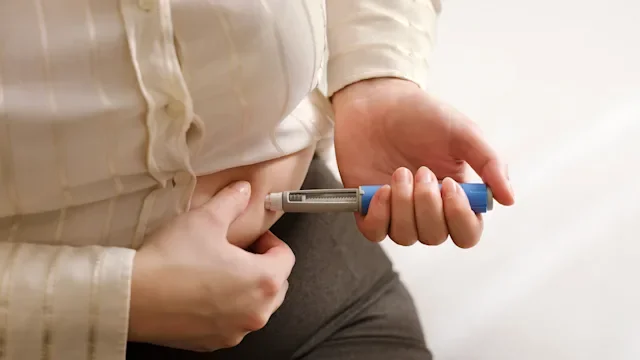
Zepbound is a once-weekly injection taken on the same day each week. Consistency matters — irregular dosing can reduce the medication’s effectiveness and worsen your side effects. If you’re unsure about how to give yourself the injection, your pharmacist or prescriber can walk you through it.
What is the highest available dose for Zepbound?
The maximum approved dosage of Zepbound for weight loss is 15 mg once a week. You don’t start at this dosage, though. The standard dosage typically starts at 2.5 mg and moves up every 4 weeks as you are able to tolerate it.
Your maintenance dose is the highest dose you tolerate well, and it isn’t necessarily 15 mg for everyone. Some people may have success at 10 mg and stay there for the long term, while others may need the highest available dose of 15 mg for their Zepbound maintenance dose.
Frequently asked questions
Zepbound is unique among weight-loss medications because it targets two hormone receptors instead of one: GLP-1 and GIP. Both play a role in appetite regulation and blood sugar control. By activating both, Zepbound reduces hunger, increases feelings of fullness, slows digestion, and helps the body use insulin more effectively. The result is that most people naturally eat less without feeling deprived.
Based on the current evidence, Zepbound (tirzepatide) produces the most average weight loss of any approved medication in its class. In a direct head-to-head trial, Zepbound outperformed Wegovy (semaglutide). That said, “best” depends on each person. Some people respond better to Wegovy, while others may do better with Zepbound. The best GLP-1 for you may factor in cost, insurance coverage, side effects, and personal preferences. The best way to decide is to have a conversation with a healthcare professional.
Zepbound and Mounjaro have the same active ingredient, but they’re approved for different uses. Mounjaro is FDA approved for Type 2 diabetes, while Zepbound is FDA approved for weight loss and obstructive sleep apnea. Another important difference may be insurance coverage: Some plans cover one but not the other, depending on your diagnosis.
Most people have to keep taking Zepbound if they want to maintain results. Zepbound works as long as you’re taking it. In clinical trials, people who lost weight and then stopped the medication, regained most of it back within a year. Weight loss is an ongoing journey, and for most people, Zepbound is a long-term medication.
The most common Zepbound side effects are related to the gastrointestinal (GI) tract. They include:
Nausea
Diarrhea
Constipation
Vomiting
Stomach pain
These are most common early in treatment and around each dose increase. They also tend to improve as your body adjusts to the medication. Less common but more serious side effects include pancreatitis and gallbladder disease. Your prescriber will go over all of the risks with you to make sure the medication is a good fit for you.
Zepbound is unique among weight-loss medications because it targets two hormone receptors instead of one: GLP-1 and GIP. Both play a role in appetite regulation and blood sugar control. By activating both, Zepbound reduces hunger, increases feelings of fullness, slows digestion, and helps the body use insulin more effectively. The result is that most people naturally eat less without feeling deprived.
Based on the current evidence, Zepbound (tirzepatide) produces the most average weight loss of any approved medication in its class. In a direct head-to-head trial, Zepbound outperformed Wegovy (semaglutide). That said, “best” depends on each person. Some people respond better to Wegovy, while others may do better with Zepbound. The best GLP-1 for you may factor in cost, insurance coverage, side effects, and personal preferences. The best way to decide is to have a conversation with a healthcare professional.
Zepbound and Mounjaro have the same active ingredient, but they’re approved for different uses. Mounjaro is FDA approved for Type 2 diabetes, while Zepbound is FDA approved for weight loss and obstructive sleep apnea. Another important difference may be insurance coverage: Some plans cover one but not the other, depending on your diagnosis.
Most people have to keep taking Zepbound if they want to maintain results. Zepbound works as long as you’re taking it. In clinical trials, people who lost weight and then stopped the medication, regained most of it back within a year. Weight loss is an ongoing journey, and for most people, Zepbound is a long-term medication.
The most common Zepbound side effects are related to the gastrointestinal (GI) tract. They include:
Nausea
Diarrhea
Constipation
Vomiting
Stomach pain
These are most common early in treatment and around each dose increase. They also tend to improve as your body adjusts to the medication. Less common but more serious side effects include pancreatitis and gallbladder disease. Your prescriber will go over all of the risks with you to make sure the medication is a good fit for you.
The bottom line
Zepbound can produce meaningful weight loss — up to 21% of your body weight. On average, it can lead to more weight loss than any other approved weight-loss medication currently available. During the first month, you’d typically experience modest weight loss while your dose ramps up. The most significant weight loss comes later.
The medication works best when paired with a reduced-calorie diet, adequate protein intake, and regular exercise. Keep in mind, Zepbound works as long as you’re taking it. Most people regain a significant portion of the weight if they stop the medication.

Why trust our experts?



References
Aronne, L. J., et al. (2023). Continued treatment with tirzepatide for maintenance of weight reduction in adults with obesity: The SURMOUNT-4 randomized clinical trial. JAMA.
Aronne, L. J., et al. (2025). Tirzepatide as compared with semaglutide for the treatment of obesity. The New England Journal of Medicine.
Eli Lilly. (2022). ZEPBOUND® (tirzepatide) injection [package insert].
Jastreboff, A. M., et al. (2022). Tirzepatide once weekly for the treatment of obesity. The New England Journal of Medicine.
Mehrtash, F., et al. (2025). I am taking a GLP-1 weight-loss medication—What should I know? JAMA Internal Medicine.