Key takeaways:
Glucagon-like peptide-1 (GLP-1) overdoses are becoming more common. But most of the time, they don’t require emergency medical attention.
The symptoms of a GLP-1 overdose can include nausea, vomiting, and stomach pain. These symptoms can last for several days.
GLP-1 overdoses are usually accidental. Most of them happen when someone measures out the wrong dose or confuses their dosage schedule.
Save on related medications
Glucagon-like peptide-1 agonists (GLP-1s) have become some of the most widely used treatments for weight loss and Type 2 diabetes. Popular medications include semaglutide (Ozempic and Wegovy) and tirzepatide (Mounjaro and Zepbound). These medicines help control blood sugar, reduce appetite, and support weight loss. While they’re generally safe when used as prescribed, taking too much of a GLP-1 medication can lead to an overdose.
As more people use these medications, poison control centers are receiving an increasing number of calls related to accidental overdoses and dosing mistakes.
We’ll help you understand the risks, symptoms, and prevention strategies that can help prevent serious complications.
Can you overdose on GLP-1s?
Yes, it’s possible to overdose on a GLP-1 medication, but it’s rarely life-threatening. Most overdoses happen by accident, not on purpose.
Common causes of GLP-1 overdoses include:
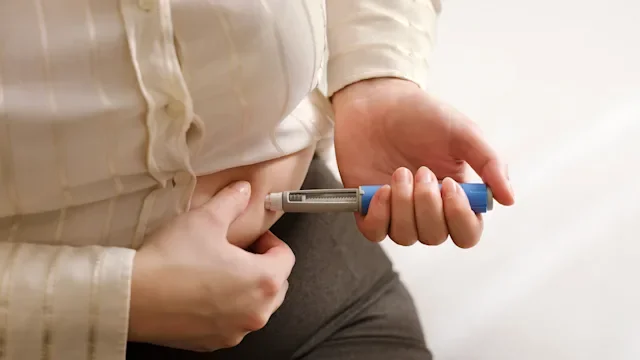
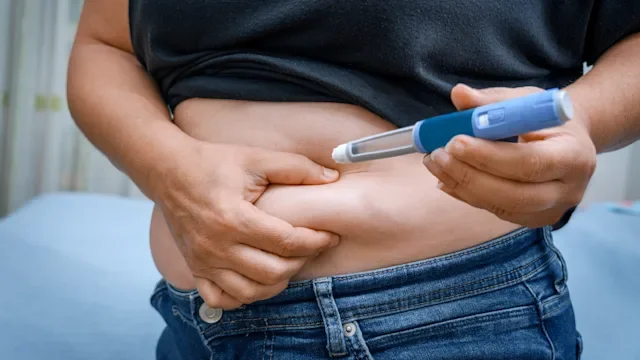
Injecting the wrong dose, which can be easy to do when you’re working with a prefilled syringe.
Confusing weekly and daily dosage schedules.
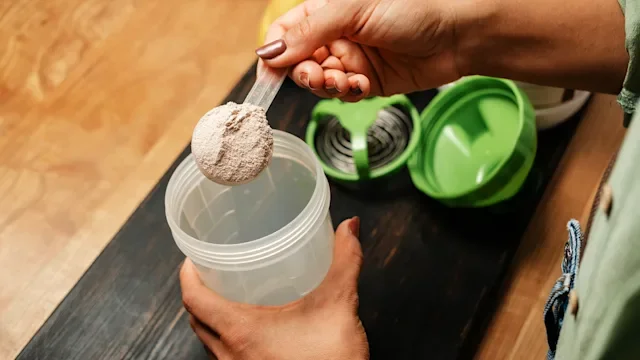
Measurement errors with compounded GLP-1 medications, which require measuring each dose by hand.
Using counterfeit GLP-1 medications, which may contain too much, too little, or none of the active ingredient. They can also contain other harmful ingredients.
Poison center data suggests that most reported GLP-1 overdoses are a result of accidental dose errors.
What are the signs of a GLP-1 overdose?
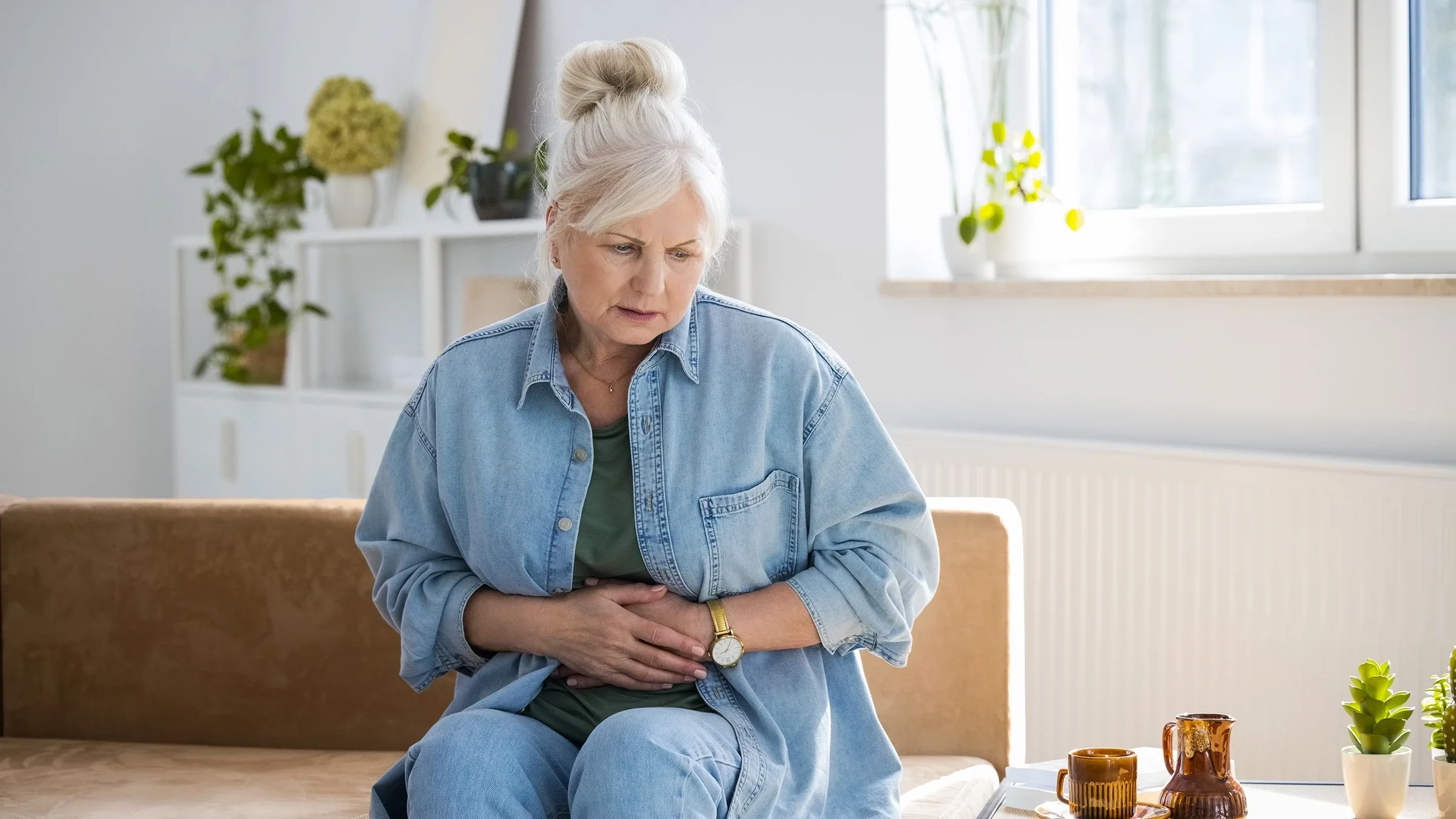
The most common signs of a GLP-1 overdose are digestive symptoms. These symptoms may begin within hours of an overdose and can sometimes last for several days.
Signs can include:
Severe nausea
Repeated vomiting
Stomach pain or cramping
Diarrhea
Constipation
Loss of appetite
Fatigue or weakness
Dizziness
Research studies and case reports show that nausea and vomiting are the most commonly reported symptoms. When the symptoms last for several days, some people may become dehydrated.
Interestingly, low blood sugar (hypoglycemia) isn’t common with most GLP-1 overdoses unless a person is also taking other diabetes medications that lower blood sugar.
Is a GLP-1 overdose dangerous?
Most of the time, a GLP-1 overdose isn’t dangerous. Most overdose cases reported to poison centers in the U.S. were minor and didn’t require medical attention. But a small number of people did need serious medical attention.
People should seek immediate medical attention if they experience:
Signs of severe dehydration
Severe abdominal pain
Confusion
Difficulty staying awake
If you think you may have overdosed, you can contact Poison Control at 1-800-222-1222 for free. They provide expert guidance, 24 hours a day, 7 days a week. Call 911 immediately if someone is unconscious, having difficulty breathing, or if you have any concern about a medical emergency.
How can you prevent an overdose on GLP-1s?
Most GLP-1 overdoses are preventable. These simple safety steps can reduce the risk of taking too much medication:
Follow the prescribed dose: Always take the exact dose prescribed by your healthcare team. Don’t increase your dose on your own, even if you feel the medication isn’t working quickly enough.
Pay attention to your dosage schedule: Many GLP-1 medications are taken once a week, not every day. Marking injection days on your calendar or setting reminders on your phone can help prevent mistakes.
Read medication instructions carefully: Before using a GLP-1 medication, review the instructions provided by your healthcare team or pharmacist. If anything is unclear, ask questions before taking the medication.
Double-check before you inject: Take a moment to verify the dose before every injection. This is especially important when using compounded medications or multidose pens.
Keep a medication log: Tracking injection dates and doses can help prevent accidentally taking an extra dose.
Store medications safely: Keep GLP-1 medications out of reach of children and store them according to the manufacturer’s instructions.
Contact your healthcare team if you miss a dose: If you’re unsure what to do after you miss a dose, contact a healthcare professional or pharmacist for guidance instead of guessing.
Frequently asked questions
Not necessarily. Many glucagon-like peptide-1 (GLP-1) overdoses cause symptoms such as nausea, vomiting, or stomach pain. These symptoms can usually be managed at home with guidance from Poison Control or a healthcare professional. But you should go to the emergency room if you have severe symptoms, like continuous vomiting, signs of dehydration, or severe abdominal pain. Severe symptoms can also include confusion or symptoms of severe low blood sugar.
No. Any GLP-1 medication can lead to an overdose if you take too much. However, dosing mistakes may be more common with medications that require you to measure doses on your own, such as some compounded GLP-1 products.
No, there isn’t an antidote or way to quickly remove GLP-1 medications from your body. Treatment focuses on managing symptoms and staying hydrated while the medication naturally breaks down and leaves your body. Because many GLP-1 medications are long-acting, symptoms can sometimes last for several days after an overdose.
Not necessarily. Many glucagon-like peptide-1 (GLP-1) overdoses cause symptoms such as nausea, vomiting, or stomach pain. These symptoms can usually be managed at home with guidance from Poison Control or a healthcare professional. But you should go to the emergency room if you have severe symptoms, like continuous vomiting, signs of dehydration, or severe abdominal pain. Severe symptoms can also include confusion or symptoms of severe low blood sugar.
No. Any GLP-1 medication can lead to an overdose if you take too much. However, dosing mistakes may be more common with medications that require you to measure doses on your own, such as some compounded GLP-1 products.
No, there isn’t an antidote or way to quickly remove GLP-1 medications from your body. Treatment focuses on managing symptoms and staying hydrated while the medication naturally breaks down and leaves your body. Because many GLP-1 medications are long-acting, symptoms can sometimes last for several days after an overdose.
The bottom line
Glucagon-like peptide-1 (GLP-1) medications have helped millions of people manage diabetes and lose weight. But accidental overdoses can occur. Most overdoses result from dosing mistakes rather than intentional misuse. Common symptoms include nausea, vomiting, abdominal pain, and fatigue. Serious complications are rare. Most patients recover with supportive care, but medical guidance is helpful whenever an overdose is suspected. Calling Poison Control at 1-800-222-1222 can provide immediate expert assistance and help determine the safest next steps.

Why trust our experts?



References
Filippatos, T. D., et al. (2014). Adverse effects of GLP-1 receptor agonists. The Review of Diabetic Studies.
Gaw, C. E., et al. (2024). Glucagon-like peptide-1 receptor agonist cases reported to United States poison centers, 2017-2022. Journal of Medical Toxicology.
U.S. Food and Drug Administration. (2024). FDA alerts health care providers, compounders and patients of dosing errors associated with compounded injectable semaglutide products.
U.S. Food and Drug Administration. (2025). FDA warns consumers not to use counterfeit Ozempic (semaglutide) found in U.S. drug supply chain.
U.S. Food and Drug Administration. (2026). FDA’s concerns with unapproved GLP-1 drugs used for weight loss.
Weiner, B. G., et al. (2024). Challenges with glucagon-like peptide-1 (GLP-1) agonist initiation: A case series of semaglutide overdose administration errors. Clinical Toxicology.