Key takeaways
Getting enough protein while taking a GLP-1 is one of the best ways to protect against muscle loss that can happen as a side effect of weight loss.
You should try to aim for 80 g to 120 g of protein per day while taking a GLP-1.
Convenient sources of protein include lean meat, Greek yogurt, eggs, and protein shakes when solid food feels like too much.
Save on related medications
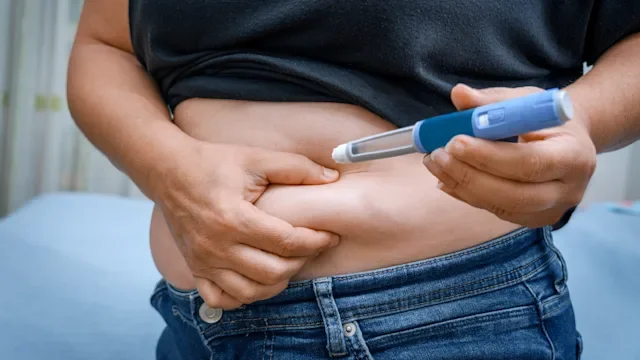
If you’re taking a GLP-1 medication like Ozempic, Wegovy, Zepbound, or Mounjaro, you already know it can drastically shrink your appetite. That’s one of the ways it can lead to rapid weight loss. But there’s a catch. When you eat less food overall, you also tend to eat less protein. And when your body doesn’t get enough protein while you’re losing weight quickly, some of what you lose isn’t just fat — it’s muscle, too.
The good news: Getting enough protein while taking a GLP-1 is very manageable. You don’t need a complicated diet overhaul, just a bit more intention around protein. Let’s take a closer look at why protein matters when you take a GLP-1, how much you actually need, and simple ways to get protein even when you don’t have much of an appetite.
Why is protein important while taking GLP-1s?
It’s important that you get enough protein while taking GLP-1s to help protect your muscle and bone health. Protein is an important building block for bone health and growing muscles, and is necessary to keep them healthy and strong.
This matters because research on semaglutide and tirzepatide shows that a good portion of the weight people lose while taking GLP-1 medications is muscle mass, not just fat. Studies show that about 25% of the total body weight people lose while taking either tirzepatide or semaglutide is muscle mass. Increasing how much protein you have while taking GLP-1s can help protect against this effect.
It’s important to know that muscle loss isn’t unique to GLP-1s. It can happen anytime you lose a significant amount of weight. When going on any type of weight-loss journey, it’s a good idea to prioritize getting enough protein.
Protein is also important when you’re taking GLP-1s for other reasons. Protein can also:
Help you feel fuller longer
Lower your appetite
Help you burn more calories
Help give you more energy
How much protein do you need daily on GLP-1s?
A 2025 joint advisory from the American Society for Nutrition recommends a flat target of about 80 g to 120 g a day for most adults who are engaged in active weight loss. This is almost twice the recommended amount of daily protein for people who aren’t trying to lose weight. Aiming for this amount each day should help to prevent any muscle loss and avoid any consequences of too much protein.
How can you tell if you’re getting enough protein while taking a GLP-1?
A good way to know that you’re getting enough protein while taking a GLP-1 is to add up roughly how many grams of protein you’re eating in a day and compare it with your target. Nutrition labels and food-tracking apps make this fairly easy to do.
Beyond the numbers, there may be signs that you’re not getting enough protein, like:
Noticeably smaller muscles
Feeling unusually weak
Fatigue
Thinning hair
Brain fog
If you’re concerned about your protein intake or if you’re losing muscle, ask your prescriber or a registered dietitian about a body composition check. This can show how much of your weight loss is coming from fat versus muscle.
What are the healthiest sources of protein?
Lean, minimally processed proteins are some of the best sources of protein. Here are a few reliable options and roughly how much protein they provide.
Food | Serving | Protein |
Chicken breast, cooked | 1 piece (174 g) | |
Salmon | 100 g | |
Greek yogurt (nonfat) | 1 container (156 g) | |
Cottage cheese | 100 g | |
Eggs | 2 large | |
Lentils, cooked | 1 cup | |
Edamame | 1 cup | |
Whey protein powder | 2 scoops (39 g) |
Lean poultry, fish, eggs, dairy, and legumes all give you protein without much saturated fat. This can be gentler on the stomach during digestion. Fatty, fried, and heavily processed protein can worsen nausea, so it’s probably a good idea to limit those foods.
How can you include more protein in your diet?
With a smaller appetite, it can be challenging to get enough protein each day. Here are a few tips that may help:
Eat protein first: Start each meal with the protein portion before moving to vegetables, grains, or anything else. If your appetite runs out halfway through, you’ve still gotten your protein in.
Spread it across the day: Aiming for roughly 25 g to 30 g of protein per meal — rather than saving it all for one big dinner, for example — tends to be more effective and more realistic with a reduced appetite.
Keep easy options on hand: String cheese, hard-boiled eggs, Greek yogurt, and canned tuna require little effort on days when cooking feels like too much.
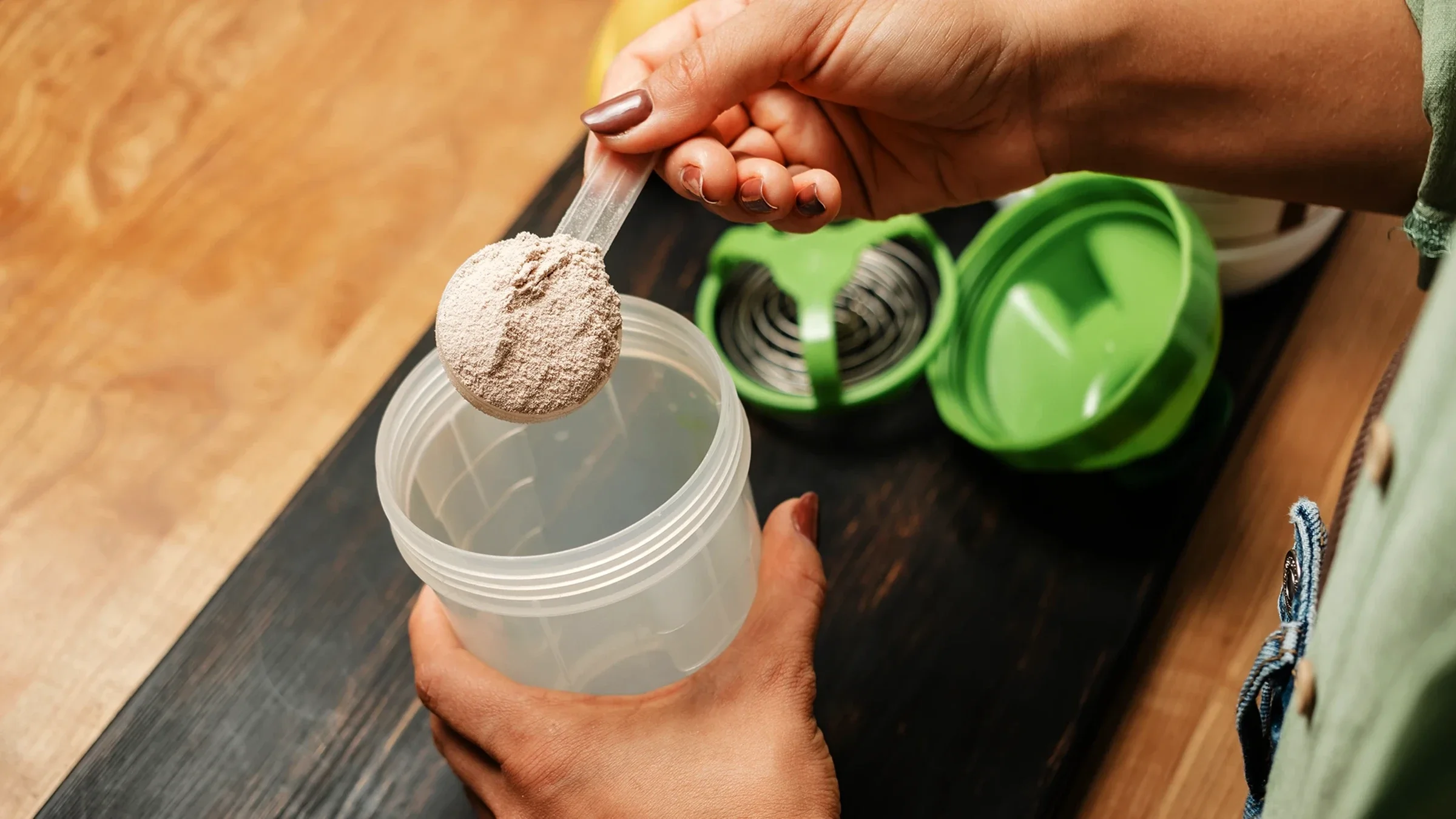
Go liquid when solid food is hard: A protein shake or smoothie can be easier to tolerate than a full meal, especially in the first few weeks after a dose increase.
Do you need more fiber if you increase your protein intake while taking GLP-1s?
When you’re taking GLP-1s, it’s a good idea to increase your fiber intake along with protein. GLP-1s slow digestion, and constipation is one of the most common side effects. Increasing your fiber can help make GLP-1s easier to tolerate.
There aren’t specific fiber guidelines for people taking GLP-1s, so the standard recommendations apply.
18-50 years old | 51 years and older | |
Women | 25 g to 28 g daily | 22 g daily |
Men | 31 g to 34 g daily | 28 g daily |
The best way to get fiber in your diet is from a mix of:
Fruits
Vegetables
Whole grains
Legumes
Several high-protein foods, like lentils, edamame, and beans, are also good fiber sources. Eating these types of foods helps you to reach both dietary targets at once.
Is it OK to use protein powder or supplements on GLP-1s?
Generally, yes. Protein powders and shakes can be a useful tool when your appetite is too low to get enough protein from food. Research shows that supplements during GLP-1 treatment can help you hit daily protein targets, and help preserve muscle along with resistance training.
Protein shakes work best as an addition to your diet, not a replacement for whole foods across the board. You’ll still want fiber, vitamins, and minerals that come from a varied diet.
But keep in mind, the FDA doesn’t regulate supplements the way it regulates medications. This means, quality and label accuracy can vary between brands. You’ll want to look for products that have been third-party tested.
Check with your pharmacist or prescriber before adding a new supplement, especially if you’re managing other health conditions.
Frequently asked questions
Protein itself doesn’t make you gain weight. Increasing protein in your diet often helps when you’re trying to lose weight. That’s because your body burns more energy digesting it — and it tends to leave you feeling fuller longer. But like any nutrient, eating a lot more protein than your body needs could contribute to weight gain.
Nothing is strictly off limits, but fried, fatty, and heavily processed proteins (think fried chicken, sausage, or deli meats) tend to worsen nausea and slow digestion even further. Leaner options like poultry, fish, eggs, dairy, and plant proteins are generally easier to tolerate.
For most healthy adults, it’s tough to eat too much protein. Eating almost 1 g of protein per pound of body weight each day doesn’t seem to be harmful. But there aren’t many studies looking at eating amounts much higher than that. If you’re following a high-protein diet and not eating enough fiber, you might also have more trouble with constipation. It’s also not necessary to eat extremely high amounts of protein to have healthy muscles, so there’s no reason to go beyond the recommended limits anyway.
Protein itself doesn’t make you gain weight. Increasing protein in your diet often helps when you’re trying to lose weight. That’s because your body burns more energy digesting it — and it tends to leave you feeling fuller longer. But like any nutrient, eating a lot more protein than your body needs could contribute to weight gain.
Nothing is strictly off limits, but fried, fatty, and heavily processed proteins (think fried chicken, sausage, or deli meats) tend to worsen nausea and slow digestion even further. Leaner options like poultry, fish, eggs, dairy, and plant proteins are generally easier to tolerate.
For most healthy adults, it’s tough to eat too much protein. Eating almost 1 g of protein per pound of body weight each day doesn’t seem to be harmful. But there aren’t many studies looking at eating amounts much higher than that. If you’re following a high-protein diet and not eating enough fiber, you might also have more trouble with constipation. It’s also not necessary to eat extremely high amounts of protein to have healthy muscles, so there’s no reason to go beyond the recommended limits anyway.
The bottom line
GLP-1 medications are effective in large part because they reduce your appetite. But that can also make it easy to fall short on getting enough protein. Protein intake is important for keeping your muscles healthy when losing large amounts of weight. Aiming for roughly 80 g to 120 g of protein a day, spread across meals, is one of the most useful things you can do to protect your muscle while taking GLP-1s. If you’re struggling to hit that target, a conversation with a dietitian about protein shakes and meal timing can make it a lot more manageable.

Why trust our experts?



References
FoodData Central. (2019). Chicken, broiler or fryers, breast, skinless, boneless, meat only, cooked, braised. U.S. Department of Agriculture
FoodData Central. (2022). Cottage cheese, full fat, large or small curd. U.S. Department of Agriculture.
FoodData Central. (2019). Eggs, Grade A, Large, egg whole. U.S. Department of Agriculture.
FoodData Central. (2024). Fish, salmon, Atlantic, farm raised, raw. U.S. Department of Agriculture.
FoodData Central. (2019). Yogurt, Greek, plain, nonfat. U.S. Department of Agriculture.
Halton, T. L., et al. (2004). The effects of high protein diets on thermogenesis, satiety and weight loss: A critical review. Journal of the American College of Nutrition.
Holmes, C. J., et al. (2021). The utility of body composition assessment in nutrition and clinical practice: An overview of current methodology. Nutrients.
Johnson, B. V. B., et al. (2025). Dietary supplement considerations during glucagon-like peptide-1 receptor agonist treatment: A narrative review. Obesity Pillars.
Leidy, H. J., et al. (2015). The role of protein in weight loss and maintenance. The American Journal of Clinical Nutrition.
Mozaffarian, D., et al. (2025). Nutritional priorities to support GLP-1 therapy for obesity: A joint Advisory from the American College of Lifestyle Medicine, the American Society for Nutrition, the Obesity Medicine Association, and The Obesity Society. The American Journal of Clinical Nutrition.
MyFoodData. (n.d.). 100% whey protein powder.
MyFoodData. (n.d.). Cooked lentils (boiled) (mature seeds).
MyFoodData. (n.d.). Edamame, cooked.