Key takeaways:
GLP-1 agonist medications can cause many side effects. The most common are nausea, stomach upset, and bowel habit changes.
Most GLP-1 side effects go away on their own as your body adjusts to the medication. Eating the right foods can help minimize these side effects.
Foods that can help ease GLP-1 side effects include lean proteins, fruits, vegetables, and whole grains.
Save on related medications
Glucagon-like peptide-1 (GLP-1) agonist medications can help treat several medical conditions and improve heart and kidney health.
There are several FDA-approved GLP-1 agonists, including:
Semaglutide (Ozempic, Wegovy, Rybelsus)
Liraglutide (Victoza, Saxenda)
Dulaglutide (Trulicity)
Tirzepatide (Mounjaro, Zepbound)
Orforglipron (Foundayo)
Exenatide (Byetta, Bydureon BCise)
But, like any medication, GLP-1s may cause side effects.
You might be surprised to learn that there are natural ways to manage GLP-1 side effects, including making changes to your diet. Let’s look at GLP-1-friendly foods, as well as foods to avoid while using GLP-1s.
What are the most common GLP-1 side effects?
GLP-1 medications work in part by slowing down digestion and changing how quickly food moves through the stomach. Because of this, most GLP-1 agonist side effects impact the digestive system.
The most common GLP-1 side effects include:
Nausea and vomiting
Diarrhea
Constipation
Stomach pain
Heartburn
Headaches
Fatigue
Most side effects are mild and go away on their own as your body adjusts to the medication.
Which foods can help you manage GLP-1 side effects?
What you eat can make a big difference in how your body responds to GLP-1 medications. Choosing certain foods can help ease common side effects and make the medication easier to tolerate day to day. Here are five foods to try.
1. High-fiber cereals
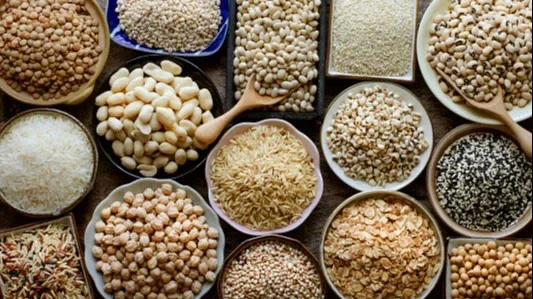
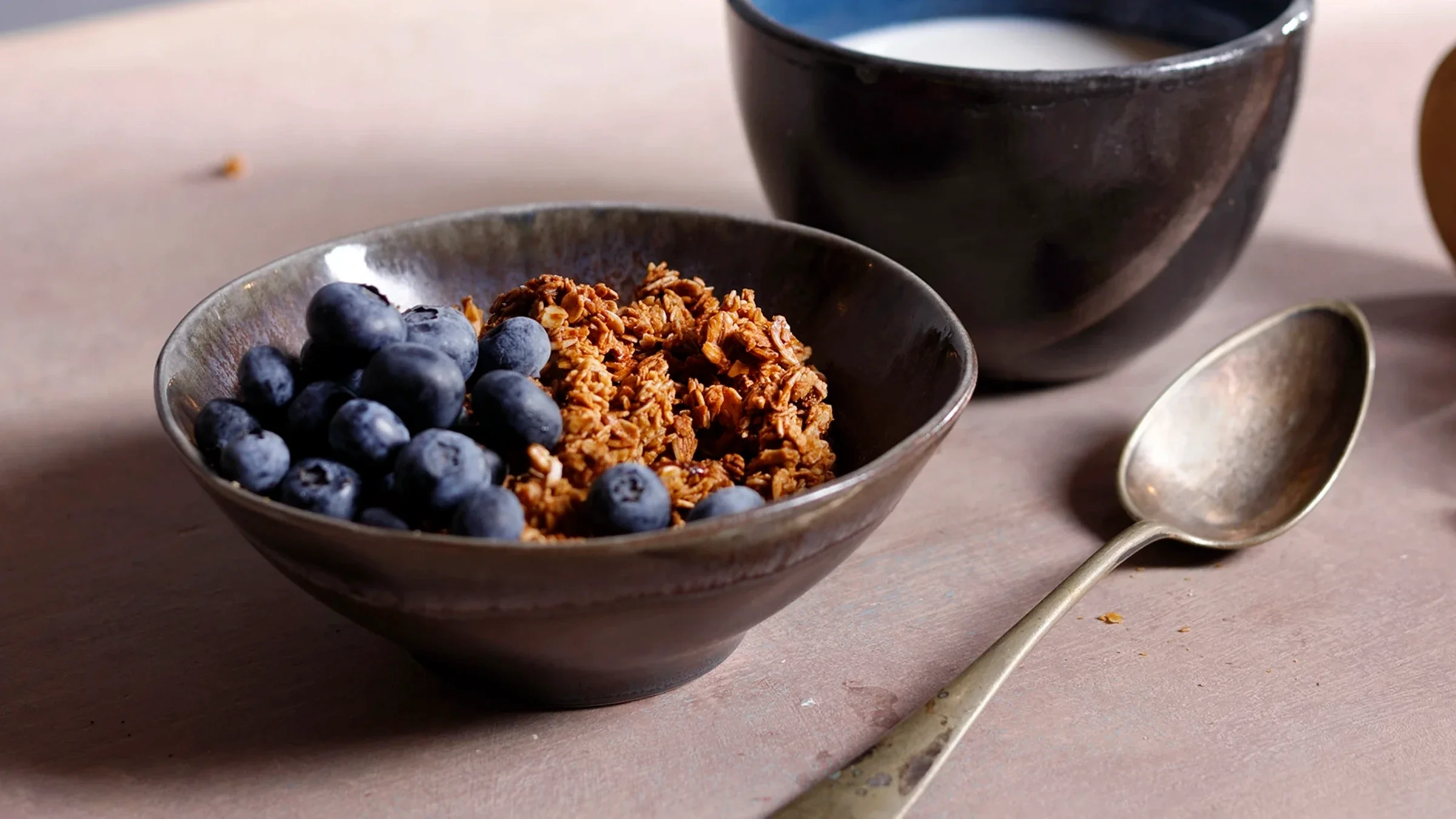
Higher-fiber cereals can help with many GLP-1 side effects. The high fiber content can help prevent constipation, a common GLP-1 side effect. These cereals also contain beta glycans. Beta glycans can help support digestion health. High-fiber cereals also contain complex carbohydrates, which help prevent blood sugar spikes.
Choose cereals that are minimally processed and contain at least 5 g of fiber per serving. Some good options include:
Steel-cut oats
Barley-based cereals (like Grape-Nuts)
Bran-based cereals (like All-Bran or Raisin Nut Bran)
Whole-wheat-based cereals (like shredded wheat)
2. Lean protein
Many people lose weight while taking GLP-1 medications. People sometimes lose muscle mass, too. Lean protein helps maintain muscle. Protein also helps stabilize blood sugar levels and makes you feel full longer.
Examples of lean proteins include:
Cottage cheese
Eggs
Greek yogurt
Lean cuts of beef (tenderloin, sirloin)
Lentils
Skinless chicken or turkey breast
Tuna
Tofu
3. Low-glycemic fruits
All fruits can be part of a healthy diet while taking a GLP-1. But lower glycemic fruits may be a better choice, since they’re less likely to cause rapid changes in blood sugar.
Fruits offer several benefits. They’re a good source of fiber, which supports regular bowel movements. Many fruits also have a high water content, which can help prevent constipation and dehydration. And they’re nutrient-dense, providing important vitamins and minerals.
Since GLP-1 medications can reduce your appetite, you may be eating less overall, which can make it harder to meet your daily nutrient needs. Eating fruit can help you get the nutrients your body needs in smaller portions.
Examples of low-glycemic fruits include:
Apples
Blackberries
Blueberries
Oranges
Pears
4. Non-starchy vegetables
Vegetables are another excellent good source of fiber, vitamins, and minerals. They can also help manage common GLP-1 side effects in several ways. Their fiber content supports regular bowel movements and can help relieve constipation. Steamed or roasted vegetables are easy to digest, which may help reduce nausea and indigestion. Vegetables are also nutrient-dense, which is especially important if your appetite is lower while taking a GLP-1. When you’re eating less overall, vegetables can help you still get the vitamins and minerals your body needs.
Examples of non-starchy vegetables include:
Broccoli
Carrots
Cauliflower
Kale
Squash
5. Water
It’s important to pay attention to your hydration while taking GLP-1 medications. These medications can make you feel full sooner, which may also mean you drink less without realizing it. Over time, this can increase your risk of dehydration.
Staying hydrated helps your body function normally and can prevent side effects, like constipation. It can also help reduce dehydration symptoms, like fatigue, which can develop if you’re not getting enough fluids.
Drinking water regularly throughout the day can help you feel better overall while taking a GLP-1.
What foods should you limit while taking GLP-1s?
Although some foods may help you manage GLP-1 side effects, other foods may worsen them.
Some foods to avoid when taking a GLP-1 include:
High-fat foods: Both GLP-1s and high-fat foods slow food movement through the gut. This combination can worsen bloating and heartburn.
Sugary foods and drinks: Sugary foods and drinks can cause quick spikes and crashes that make blood sugar harder to manage over time.
Refined carbohydrates: Refined carbohydrates are low in fiber. It’s a good idea to limit low-fiber foods, since these can contribute to constipation.
Alcohol: Alcohol irritates the stomach lining, which can worsen nausea and stomach upset. It can also increase the risk of hypoglycemia in people with Type 2 diabetes.
Frequently asked questions
Most GLP-1 side effects start a few days after you receive a dose of the medication. Most side effects go away on their own as your body adjusts to the medication. Side effects may return if your dose increases. Side effects are often temporary and will go away after your body adjusts to the medication.
Common side effects — like nausea, upset stomach and stool changes — can last several days to weeks. They should get better over time. Talk with your healthcare team if your symptoms aren’t getting better or if they’re keeping you from your daily activities.
According to a recent study, dulaglutide (Trulicity) is the GLP-1 with the least amount of side effects. Trulicity is FDA-approved to treat Type 2 diabetes, and it also lowers the risk for heart disease. Your healthcare team will determine which GLP-1 is best for you, depending on why you need to use it.
Most GLP-1 side effects start a few days after you receive a dose of the medication. Most side effects go away on their own as your body adjusts to the medication. Side effects may return if your dose increases. Side effects are often temporary and will go away after your body adjusts to the medication.
Common side effects — like nausea, upset stomach and stool changes — can last several days to weeks. They should get better over time. Talk with your healthcare team if your symptoms aren’t getting better or if they’re keeping you from your daily activities.
According to a recent study, dulaglutide (Trulicity) is the GLP-1 with the least amount of side effects. Trulicity is FDA-approved to treat Type 2 diabetes, and it also lowers the risk for heart disease. Your healthcare team will determine which GLP-1 is best for you, depending on why you need to use it.
The bottom line
You don’t need to follow a strict diet while taking a GLP-1 medication, but your food choices still matter. Eating GLP-1-friendly foods — like unprocessed high-fiber cereals, low glycemic fruits, non-starchy vegetables, and lean protein — and drinking plenty of water will help your GLP-1 work best.

Why trust our experts?



References
American Diabetes Association. (n.d.). Alcohol and diabetes.
American Diabetes Association. (n.d.). Food and blood glucose.
American Diabetes Association. (n.d.). Non-starchy vegetables for blood glucose control.
Gannon, M. C., et al. (2003). An increase in dietary protein improves the blood glucose response in persons with Type 2 diabetes. The American Journal of Clinical Nutrition.
Gentinetta, S., et al. (2024). Dietary recommendations for the management of gastrointestinal symptoms in patients treated with GLP-1 receptor agonist. Diabetes, Metabolic Syndrome and Obesity.
Lante, A., et al. (2023). Beta-glucans of cereals: Functional and technological properties. Nutrients.
Neeland, I. J., et al. (2024). Changes in lean body mass with glucagon-like peptide-1-based therapies and mitigation strategies. Diabetes, Obesity and Metabolism.
van der Klaauw, A. A., et al. (2012). High protein intake stimulates postprandial GLP-1 and PYY release. Obesity.
Xie, X., et al. (2025). Comparative gastrointestinal adverse effects of GLP-1 receptor agonists and multi-target analogs in Type 2 diabetes: A Bayesian network meta-analysis. Frontiers in Pharmacology.