Key takeaways:
When taking a glucagon-like peptide-1 (GLP-1) medication, there’s no “GLP-1 diet.” But what you eat can affect how you feel and how well the medication works.
Foods like sugary drinks, refined carbs, high-fat meals, spicy foods, and alcohol can make side effects worse.
Lean protein, fiber-rich vegetables, and whole grains can help reduce side effects and help you get the best results from your medication.
Save on related medications
Glucagon-like peptide-1 (GLP-1) receptor agonists are a class of prescription medications that can help manage a growing number of medical conditions. They don’t come with a strict list of foods you have to avoid. There isn’t a single “GLP-1 diet” and most people can continue eating a wide variety of foods while taking these medications.
That said, some foods and drinks can make common side effects — like nausea, bloating, and heartburn — more noticeable. Others may reduce the medication’s benefits by making it harder to manage appetite, blood sugar, or weight over time. Here are some foods and drinks to limit or avoid while taking a GLP-1 medication.
What are GLP-1s?
GLP-1 medications mimic a natural hormone your body releases after you eat. They work by:
Increasing insulin release
Lowering the amount of sugar your liver makes
Slowing down digestion
Helping you feel full sooner
Some GLP-1s also affect a second gut hormone called gastric inhibitory polypeptide (GIP). These medications are known as dual GIP / GLP-1 receptor agonists.
GLP-1s are FDA approved for several medical conditions, including:
There are several FDA-approved GLP-1 medications. Most are given as injections, but some are available as oral tablets. Current GLP-1 medications include:
Semaglutide (Ozempic, Wegovy, Rybelsus)
Tirzepatide (Mounjaro, Zepbound)
Liraglutide (Victoza, Saxenda)
Dulaglutide (Trulicity)
Exenatide (Byetta, Bydureon)
No matter which GLP-1 medication you take or why you take it, certain foods can make side effects worse or limit how well the medication works. Here are five drinks and foods to avoid or limit while taking GLP-1 medications.
Foods and drinks with added sugar
Foods and drinks with added sugar can work against the benefits of GLP-1 medications. These medications help steady blood sugar and reduce appetite. But sugary foods can cause quick spikes and crashes in blood sugar, making it harder to manage over time.
Sugary foods and drinks may also worsen nausea and fatigue, especially when you’re first starting treatment.
Examples include:
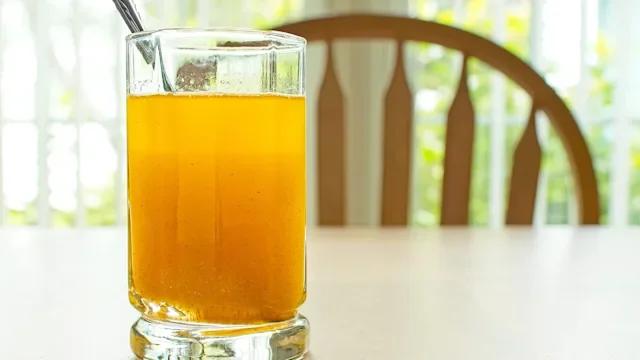
Soda and other sweetened drinks
Candy and desserts
Sweetened coffee or tea drinks
Packaged snacks with added sugar
Soda and other carbonated beverages can also cause bloating and gas. This can make common GLP-1 side effects — like bloating and gas — feel worse.
Refined carbohydrates
Carbohydrates are an important part of a balanced diet. But ultra-processed, or refined, carbohydrates lack fiber and most vitamins.
Because GLP-1 medications reduce appetite, you may eat less overall. Choosing nutrient-dense foods can help make sure you’re still getting the vitamins and minerals your body needs.
Try to limit refined carbohydrates while taking a GLP-1 and focus on nutrient-dense foods instead.
Examples of refined carbohydrates include:
White bread
White flour
Pasta made from white flour
Crackers
High-fat foods
GLP-1 medications slow how quickly your stomach empties. High-fat foods take longer to digest, which can make GLP-1 side effects like nausea, bloating, and stomach discomfort worse.
Experts also recommend limiting fatty foods if you have GLP-1-related diarrhea.
These foods are also higher in calories and lower in nutrients, which can make it harder to reach your health goals.
Over time, diets high in certain types of fat can raise cholesterol levels and contribute to metabolic liver disease, which may limit some of the benefits of GLP-1 medications.
Examples of foods to avoid or limit include:
Fried foods
Fast food
Fatty cuts of meat
Processed meats
Cream-based sauces
Spicy foods
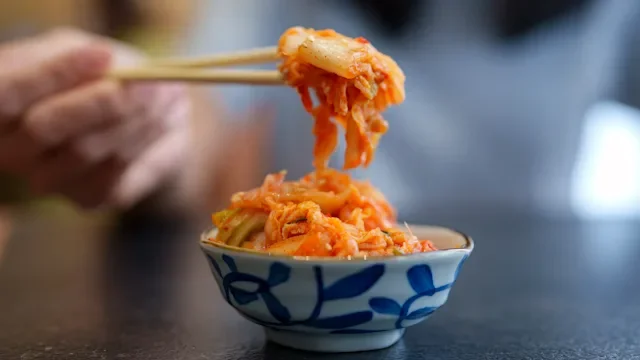
Spicy foods can be harder to tolerate while taking a GLP-1 medication. They contain compounds that can irritate the lining of your esophagus and stomach, which can trigger or worsen acid reflux and heartburn.
GLP-1 medications also slow how quickly your stomach empties. As a result, these irritating compounds stay in contact with your esophagus and stomach longer, increasing the risk of reflux. If you already have a history of reflux, spicy foods may make your symptoms more noticeable.
Examples of spicy foods to limit include:
Hot sauces and chili-based condiments
Spicy curries and heavily seasoned dishes
Foods made with chili peppers or pepper flakes
Spicy snack foods
Alcohol
Experts recommend limiting alcohol while taking a GLP-1 medication. Alcohol can worsen GLP-1 side effects and make it harder for the medication to work at its best.
Alcohol can also increase the risk of low blood sugar, especially if you have diabetes or take other blood sugar-lowering medications. It may worsen side effects like nausea, vomiting, and dehydration, particularly when you’re first starting a GLP-1 medication or increasing your dose.
In addition, alcohol may make it harder to recognize feelings of fullness. This can lead to overeating or make it more difficult to stay on track with your nutrition goals.
Examples of alcoholic drinks to limit include:
Beer
Wine
Cocktails and mixed drinks
Sweet or high-calorie alcoholic beverages
Best foods to eat while taking a GLP-1
GLP-1 medications lower your appetite and slow digestion. Because of this, it’s important to choose foods that provide nutrition in smaller portions and are easy on your gut.
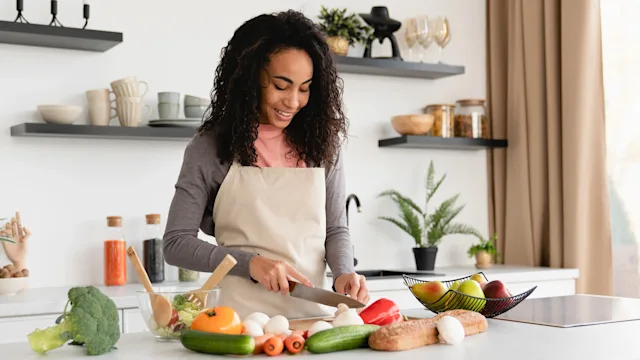
Some of the best foods to prioritize include:
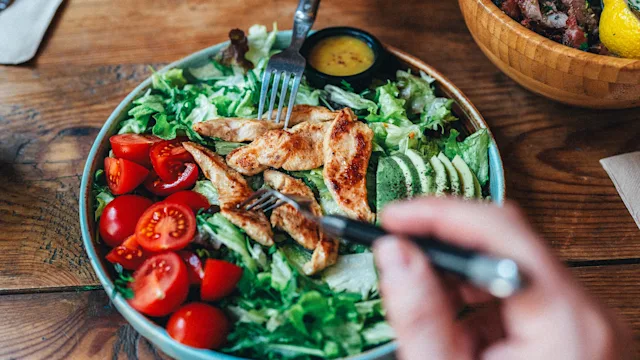
Lean protein, like chicken, fish, eggs, and Greek yogurt
Fiber-rich vegetables, like leafy greens, broccoli, and zucchini
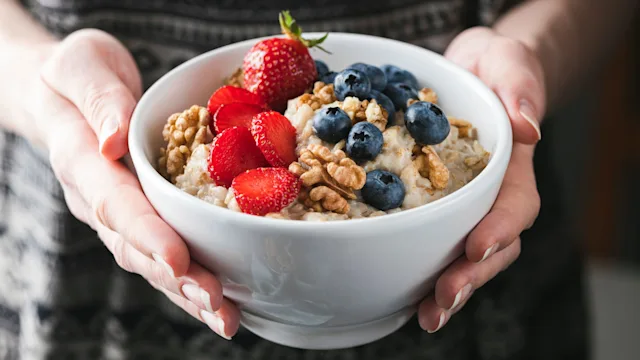
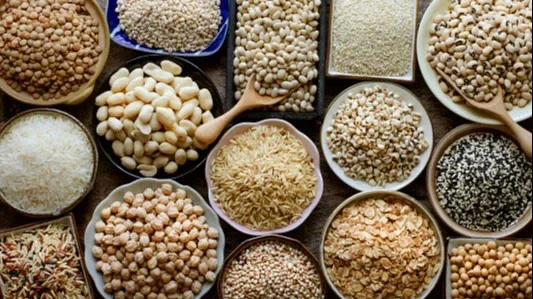
Whole grains, like oats, quinoa, and brown rice
Fruits with a low glycemic index, like berries, apples, and pears
Legumes, like beans, lentils, and chickpeas
Water and low- or no-sugar beverages
These foods provide important nutrients and protein to support your overall health. They also contain fiber, which may help with side effects like constipation.
Frequently asked questions
The right amount of water varies from person to person depending on your age, overall health, and whether you’re experiencing side effects. Glucagon-like peptide-1 (GLP-1) side effects, like nausea, vomiting, and diarrhea, can also increase your risk of dehydration. Work with your healthcare team to determine how much water you should drink each day. Create a schedule to help you meet your daily hydration goals.
Your diet matters when taking GLP-1s because these medications slow digestion and reduce appetite. What you eat can affect how well the medication works and how you feel from day to day. Choosing the right foods can help minimize side effects and support your overall health.
Besides a good diet, there are several ways to help minimize GLP-1 side effects. These may include prescription or over-the-counter (OTC) medications to manage specific side effects. Starting with a low dose and increasing slowly can also help your body adjust to the medication. Your healthcare team can help you find the best strategies if you’re experiencing side effects.
The right amount of water varies from person to person depending on your age, overall health, and whether you’re experiencing side effects. Glucagon-like peptide-1 (GLP-1) side effects, like nausea, vomiting, and diarrhea, can also increase your risk of dehydration. Work with your healthcare team to determine how much water you should drink each day. Create a schedule to help you meet your daily hydration goals.
Your diet matters when taking GLP-1s because these medications slow digestion and reduce appetite. What you eat can affect how well the medication works and how you feel from day to day. Choosing the right foods can help minimize side effects and support your overall health.
Besides a good diet, there are several ways to help minimize GLP-1 side effects. These may include prescription or over-the-counter (OTC) medications to manage specific side effects. Starting with a low dose and increasing slowly can also help your body adjust to the medication. Your healthcare team can help you find the best strategies if you’re experiencing side effects.
The bottom line
You don’t need to follow a strict diet while taking a glucagon-like peptide-1 (GLP-1) medication, but your food choices still matter. Some foods can make side effects harder to manage or work against your health goals. Foods to limit or avoid while taking a GLP-1 medication include refined carbohydrates and foods high in fat and sugar. It’s also helpful to limit alcohol and spicy foods. Lean protein, fruits, and vegetables can help you feel your best and get the most benefit from your medication. Talk with your healthcare team if you’re experiencing side effects from your GLP-1 medication. They can help you find an approach that works for you.

Why trust our experts?



References
American Diabetes Association. (n.d.). Food and blood glucose.
American Heart Association. (2023). Carbohydrates.
Mehrtash, F., et al. (2025). Integrating diet and physical activity when prescribing GLP-1s-lifestyle factors remain crucial. JAMA Internal Medicine.
Mozaffarian, D., et al. (2025). Nutritional priorities to support GLP-1 therapy for obesity: A joint advisory from the American college of lifestyle medicine, the American society for nutrition, the obesity medicine association, and the obesity society. Obesity.