Key takeaways:
Glucagon-like peptide-1 (GLP-1) medications are FDA approved to treat Type 2 diabetes, help people lose weight, and lower the risk of serious cardiovascular problems.
Some GLP-1s are also approved to treat obstructive sleep apnea, chronic kidney disease, and a type of fatty liver disease.
Potential future uses of GLP-1s include peripheral artery disease and heart failure.
Save on related medications
Glucagon-like peptide-1 (GLP-1) medications are often talked about in the context of weight loss. But their uses extend far beyond the scale. They were developed to treat Type 2 diabetes. But GLP-1s are FDA approved for several other health conditions.
What are GLP-1s used for? Here’s a closer look at their current and potential uses.
What are GLP-1 medications?
GLP-1 medications simulate natural gut hormones that your body releases after you eat. Most simulate the GLP-1 hormone. Some also simulate a second hormone called glucose-dependent insulinotropic polypeptide (GIP). These hormones play a role in:
Stimulating insulin release
Reducing glucose (sugar) production in the liver
Slowing stomach emptying
Regulating appetite and feelings of fullness
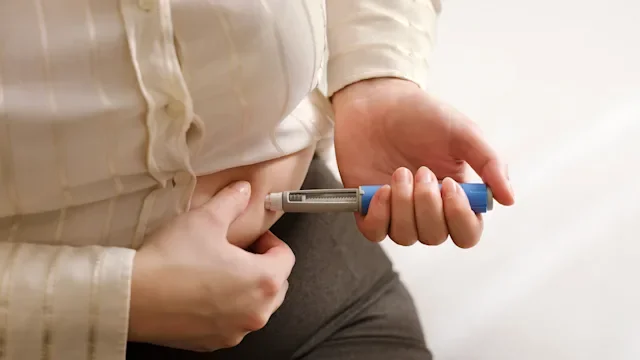
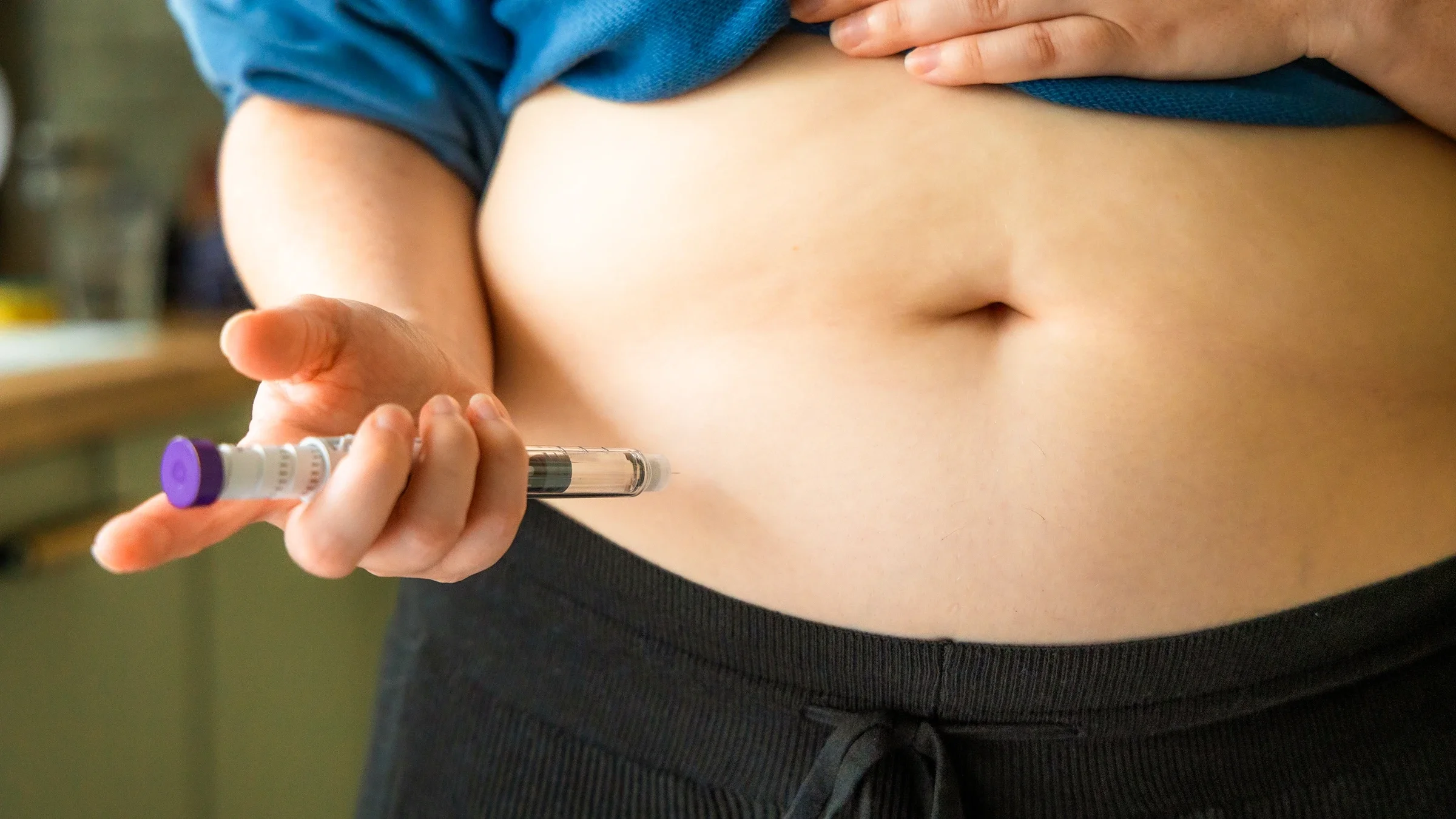
Most GLP-1s are available as injections, while a few come as oral pills.
1. Type 2 diabetes
GLP-1 medications were first FDA approved to treat Type 2 diabetes. They help lower blood glucose (blood sugar) by increasing insulin release after meals, reducing how much glucose the liver makes, and slowing stomach emptying. GLP-1s also have a lower risk of low blood sugar (hypoglycemia) compared with some older diabetes medications.
The following GLP-1s are approved to treat Type 2 diabetes:
Ozempic (injectable and oral semaglutide)
Rybelsus (oral semaglutide)
Trulicity (dulaglutide)
Mounjaro (tirzepatide)
Victoza (liraglutide)
Exenatide (previously sold as Byetta and Bydureon BCise)
2. Weight loss
Some GLP-1 medications are approved to help people lose weight and manage their body weight long term. They can help with weight loss by reducing appetite, increasing feelings of fullness, and decreasing food cravings. Clinical trials show that many people lose 10% to 20% or more of their starting body weight, though results vary by person and medication.
The following GLP-1s are approved for weight loss:
Wegovy injections (semaglutide)
Wegovy pill (oral semaglutide)
Zepbound (tirzepatide)
Saxenda (liraglutide)
3. Cardiovascular risk reduction
Having Type 2 diabetes or a larger body size can increase your risk of serious cardiovascular problems, such as heart attack and stroke. Several GLP-1 medications are approved to help lower this risk in certain people with heart disease or risk factors for heart disease.
The following GLP-1s are approved to lower the risk of major adverse cardiovascular events (heart attack, stroke, or cardiovascular death) in certain people:
Ozempic injection and pill
Rybelsus
Wegovy injection and pill
Trulicity
Victoza
GLP-1s can help reduce cardiovascular risk in a few ways beyond weight loss and blood sugar management. They may also help lower blood pressure, improve cholesterol levels, and reduce inflammation in the body. In fact, cardiovascular benefits were seen even before participants lost a meaningful amount of weight during Wegovy clinical trials.
4. Chronic kidney disease
About 40% of people living with Type 2 diabetes develop chronic kidney disease (CKD). For years, researchers suspected that GLP-1s may offer kidney-related benefits for this group. And in January 2025, Ozempic injections became the first GLP-1 approved to treat CKD in people with Type 2 diabetes.
Studies have shown that Ozempic can help slow the progression of kidney disease and reduce the risk of serious kidney-related complications, including the need for dialysis.
5. Liver disease
Metabolic dysfunction-associated steatohepatitis (MASH) is a serious form of fatty liver disease that’s closely linked to obesity. Over time, MASH can lead to liver scarring (fibrosis), cirrhosis, and liver failure if left untreated.
Wegovy injections are approved to treat MASH with liver scarring. It helps by reducing liver fat, inflammation, and scarring. Clinical trials showed meaningful improvements in liver inflammation and fibrosis, which led to its FDA approval for this use. Studies are evaluating Wegovy’s long-term benefits for liver-related outcomes, such as cirrhosis.
Other GLP-1s, including Zepbound, are also being studied for the treatment of MASH.
6. Obstructive sleep apnea
Obstructive sleep apnea (OSA) is closely linked with higher body weight and health conditions like Type 2 diabetes. Extra weight can narrow the airways during sleep, making OSA worse. Because of this, GLP-1 medications have been explored as a treatment option for people with OSA and a larger body size.
Zepbound is approved to treat moderate-to-severe OSA in adults with excess weight. It works by promoting significant weight loss, which can lessen airway blockage and improve breathing at night. In studies, adults with OSA who received Zepbound had fewer breathing interruptions, improved sleep, and better daytime alertness.
7. Peripheral artery disease
Peripheral artery disease (PAD) occurs when the arteries that supply blood become narrowed, most commonly to the legs and feet. This can lead to leg pain, cramping, and difficulty walking. PAD is more common in people with Type 2 diabetes, excess body weight, and other cardiovascular risk factors.
GLP-1s are known to help lower blood sugar, support weight loss, and improve heart health. Because of these benefits, they’ve been studied for their potential to help people with PAD. Research shows that Ozempic may help those with Type 2 diabetes and PAD walk longer distances with less pain and enjoy a better quality of life.
GLP-1s are not approved for PAD. But Ozempic could receive approval for this use sometime in 2026.
8. Heart failure with preserved ejection fraction
Heart failure with preserved ejection fraction (HFpEF) is a type of heart failure in which the heart pumps normally but has trouble relaxing and filling with blood. HFpEF is closely linked to obesity. And excess body weight can worsen symptoms such as shortness of breath.
GLP-1s have shown benefits for people living with HFpEF. Wegovy injections are under FDA review for HFpEF after studies showed improvements in heart failure symptoms, physical function, and quality of life.
Zepbound was also under FDA review for HFpEF. But the application was withdrawn because the FDA is requiring an additional study.
The bottom line
Glucagon-like peptide-1 (GLP-1) medications were originally approved for Type 2 diabetes and later for weight loss. Since then, research has uncovered broader benefits, including uses related to heart, kidney, and liver health. Ongoing clinical trials may further expand how GLP-1s are used in the future.

Why trust our experts?



References
Armstrong, A. (2025). Lilly unfazed as CVS picks Novo’s side in obesity market battle. BioSpace.
Fenta, E. T., et al. (2023). Prevalence and predictors of chronic kidney disease among Type 2 diabetic patients worldwide, systematic review and meta-analysis. Diabetology & Metabolic Syndrome.
Jones, W. S. (2025). Semaglutide and walking capacity in people with symptomatic peripheral artery disease and Type 2 diabetes - STRIDE. American College of Cardiology.
Kawanami, D., et al. (2020). GLP-1 receptor agonists in diabetic kidney disease: From clinical outcomes to mechanisms. Frontiers in Pharmacology.
Loomba, R., et al. (2024). Tirzepatide for metabolic dysfunction–associated steatohepatitis with liver fibrosis. New England Journal of Medicine.
Ozempic, Rybelsus. (2026). Rybelsus (semaglutide) tablets, for oral use. Ozempic (semaglutide) tablets, for oral use [package insert]. Novo Nordisk.
Sanyal, A. J., et al. (2025). Phase 3 trial of semaglutide in metabolic dysfunction–associated steatohepatitis. New England Journal of Medicine.
U.S. Food and Drug Administration. (2025). FDA approves treatment for serious liver disease known as ‘MASH.’