Key takeaways:
Taking glucagon-like peptide-1 (GLP-1) medications can drastically change how much you eat, but your body still has basic nutritional needs that have to be met. Make every bite count by choosing foods rich in protein, fiber, and other key nutrients.
Foods like chicken breast, salmon, Greek yogurt, beans, and lentils are good options for a balanced and nutritious diet while taking GLP-1s.
Don’t forget to hydrate. Drinking enough water may help prevent dehydration and ease common side effects, like constipation.
Save on related medications
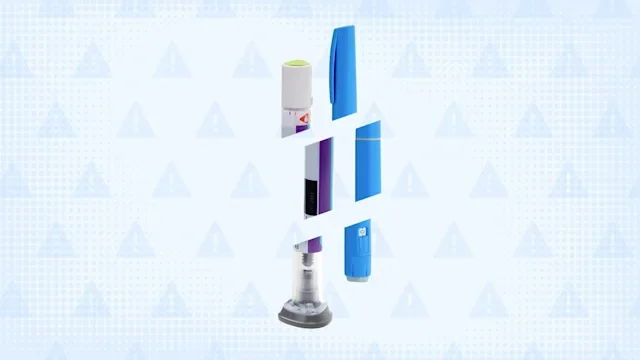
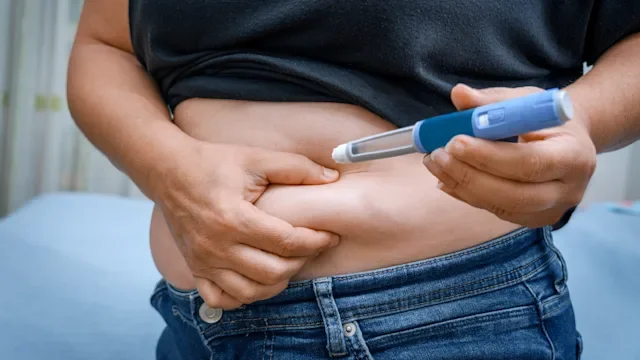
Glucagon-like peptide-1 (GLP-1) medications, such as Ozempic, Wegovy, and Zepbound, can help people lose weight and improve blood sugar. Because these medications often reduce your appetite, every bite matters. You may also find it easier to eat smaller meals and snacks throughout the day instead of three large meals. Choosing nutrient-rich foods can help support your health and may also reduce common GLP-1 side effects, such as nausea and constipation.
Let’s take a closer look at what to eat while taking GLP-1 medications and the best foods to include in your diet.
What should you look for in foods to eat while taking GLP-1s?
The best foods for people taking GLP-1s have a few things in common. When planning meals and snacks, look for foods that are:
High in protein: Protein helps you stay full and supports muscle health during weight loss. Try to include a source of protein with every meal and snack whenever possible.
High in fiber: Fiber supports healthy digestion, helps prevent constipation, and can help you feel full longer.
Rich in healthy fats: Foods with healthy fats, like avocados, nuts, seeds, and olive oil, support heart health and help your body absorb certain vitamins. They can also help make smaller meals more satisfying.
Packed with vitamins and minerals: Since you may be eating less, choose nutrient-rich foods, like fruits, vegetables, whole grains, beans, and lean proteins. These foods can help you get the nutrition your body needs.
Gentle on your stomach: If you have nausea or stomach upset, bland foods and smaller meals may be easier to tolerate than greasy, spicy, or highly processed foods. Eating slowly may also help reduce stomach discomfort.
Many everyday foods fit these recommendations. Here are some of the best options for foods to eat while you’re taking a GLP-1.
1. Greek yogurt
Greek yogurt is one of the easiest ways to increase protein intake while taking a GLP-1 medication. Because GLP-1s often reduce your appetite, every bite becomes more important. Greek yogurt provides a source of high-quality protein, which helps preserve muscle mass during weight loss and also helps you feel full longer between meals. It’s also naturally rich in calcium, an important mineral for bone health.
Choose plain, low-fat, or nonfat Greek yogurt when possible. This will help you avoid unnecessary added sugars. If plain yogurt tastes too tart, sweeten it naturally with fresh fruit or a sprinkle of cinnamon instead of choosing flavored varieties, which often contain large amounts of added sugar.
Simple ways to enjoy Greek yogurt include:
Topping with berries and chopped walnuts
Mixing it with chia seeds and sliced peaches
Using it instead of sour cream on tacos or baked potatoes
Blending it into smoothies for extra protein
2. Eggs
Eggs are one of the most versatile protein foods available. They provide all nine essential amino acids, along with nutrients like vitamin B12 and choline, which support brain function and overall health. Because eggs are easy to prepare and portion, they’re an excellent option on days when you have a low appetite.
Some people taking GLP-1 medications experience nausea, particularly when first starting treatment or increasing their dose. In these situations, scrambled, poached, or hard-boiled eggs are often easier to tolerate because they’re relatively bland and easy to digest. Pairing eggs with vegetables or whole-grain toast can also help create a more balanced meal.
Simple meal ideas for eggs include:
Vegetable omelet with spinach and tomatoes
Hard-boiled eggs with fresh fruit
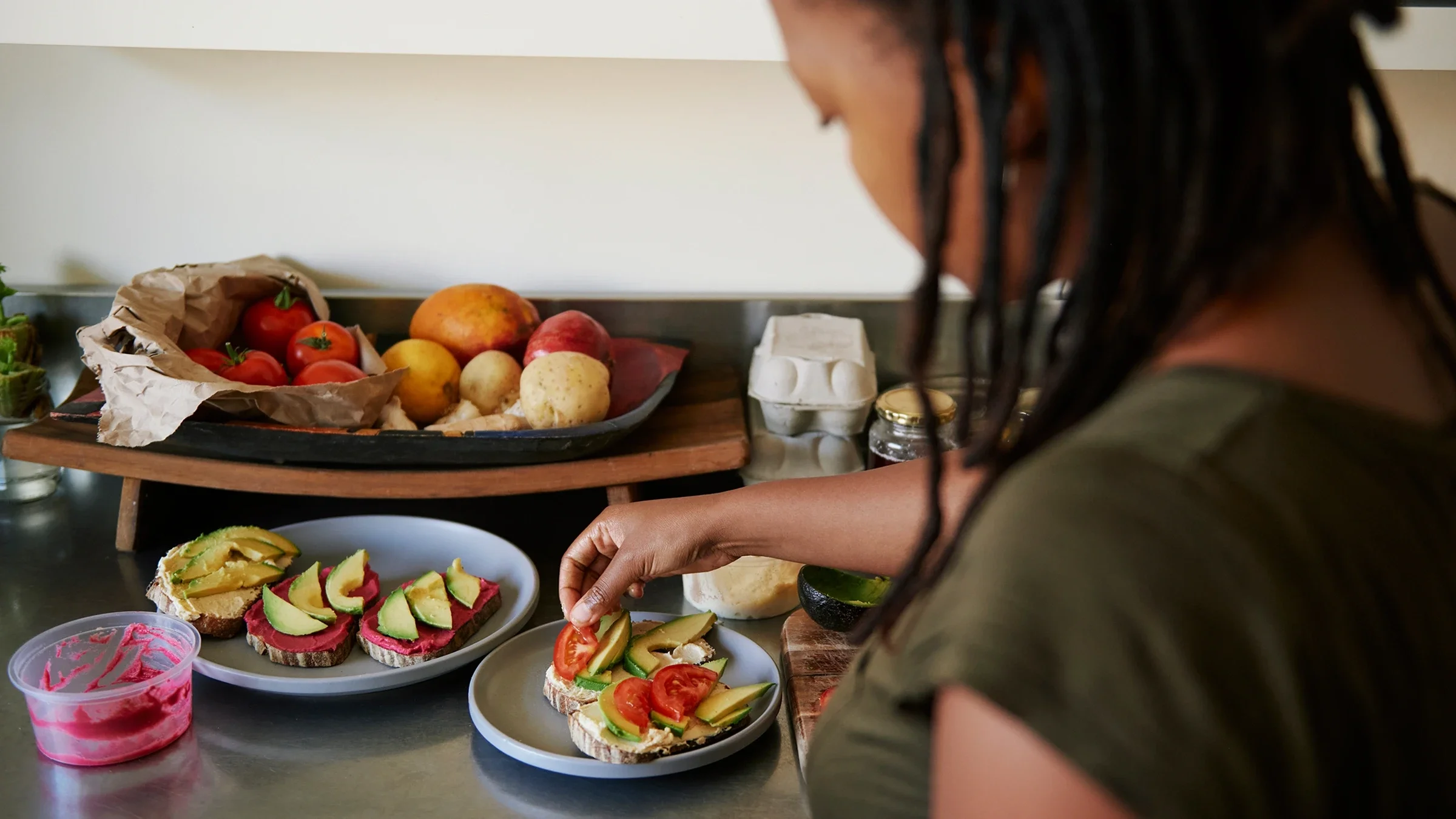
Avocado toast topped with a poached egg
Egg muffins prepared ahead of time for busy mornings
3. Oatmeal
Oatmeal is a healthy whole grain that’s rich in fiber. Fiber helps you feel full longer and supports healthy digestion. It may also help lower cholesterol. Because some people taking GLP-1 medications experience constipation, eating fiber-rich foods like oatmeal and drinking plenty of water can help keep your digestive system moving.
Choose plain rolled oats or steel-cut oats instead of flavored instant oatmeal, which often contains added sugar. You can make oatmeal even more nutritious by adding fruit, nuts, or seeds for extra fiber, healthy fats, and protein.
Simple ways to enjoy oatmeal include:
Topped with blueberries, walnuts, and a sprinkle of cinnamon
Stirred in chia seeds or ground flaxseed for extra fiber
Adding a spoonful of plain Greek yogurt after cooking for more protein
Making overnight oats for an easy breakfast on busy mornings
4. Cottage cheese
Cottage cheese is a great food to eat while taking a GLP-1 medication. Because these medications often reduce your appetite, it’s important to choose foods that provide a lot of nutrients in just a few bites. Cottage cheese is high in protein and also provides calcium, which helps support strong bones. Getting enough protein can also help you maintain muscle while losing weight.
Another benefit of cottage cheese is that it’s easy to add to your daily routine. You can eat it for breakfast, as a snack, or as part of a meal. Choose plain, low-fat, or reduced-fat cottage cheese when possible. Pair it with fruits, vegetables, or whole grains to create a balanced meal.
Simple ways to enjoy cottage cheese include:
Topped with fresh berries and a handful of chopped nuts
Enjoyed with sliced peaches or pineapple
Spread on whole-grain toast with sliced tomatoes and black pepper
Blended into a smoothie for extra protein
5. Berries
Berries are rich in fiber, vitamins, and antioxidants, making them a smart choice for meals and snacks while taking a GLP-1. Because they’re naturally sweet, they can satisfy a sweet craving without adding a lot of sugar.
Choose fresh or frozen berries without added sugar. They pair well with protein-rich foods like Greek yogurt or cottage cheese, helping you build a balanced snack that supports your overall health. Try a variety of berries, such as blueberries, strawberries, raspberries, and blackberries, to get a mix of nutrients.
Simple ways to enjoy berries include:
Freezing berries for a refreshing snack
Adding berries to a spinach salad with nuts
Mashing berries and spooning them over whole-grain toast
Pairing berries with a handful of almonds or walnuts for a balanced snack
6. Beans and lentils
Beans and lentils are nutritional powerhouses because they provide both plant-based protein and dietary fiber. This combination can help support fullness, stabilize blood sugar, and contribute to overall digestive health. For people taking a GLP-1 medication, beans and lentils are an excellent way to get more nutrients, especially on days when eating large portions feels difficult.
Because GLP-1 medications can slow stomach emptying, some people experience bloating or constipation. The fiber in beans and lentils can help support regular bowel function. But it’s important to increase fiber gradually and drink plenty of water. This may help minimize digestive discomfort. If you’re new to eating beans and lentils regularly, start with smaller portions and increase them as your body adjusts.
Simple ways to incorporate beans and lentils include:
Adding black beans or chickpeas to salads
Stirring lentils into soups or vegetable stews
Building a grain bowl with quinoa, roasted vegetables, and beans
Blending white beans into soups for added creaminess and protein
Enjoying roasted chickpeas as a crunchy, high-fiber snack
7. Salmon
Salmon is one of the most nutrient-dense protein choices you can include in your diet, which can help preserve lean muscle during weight loss. Salmon is also rich in omega-3 fatty acids, which support heart, brain, and overall health. It also provides vitamin D and several B vitamins — nutrients that many adults don’t get enough of.
Because people taking GLP-1 medications often eat smaller portions, choosing foods that deliver multiple important nutrients in a single serving can be especially helpful. Salmon is a good choice. Baking, grilling, or air-frying salmon with herbs and lemon creates a flavorful meal without heavy sauces. Heavy sauces may worsen nausea or digestive discomfort for some people.
Easy meal ideas featuring salmon include:
Baked salmon with roasted broccoli and brown rice
Grilled salmon served over mixed greens with avocado
Flaked salmon added to a whole-grain bowl with vegetables
Salmon paired with roasted sweet potatoes and asparagus
Leftover salmon mixed into a salad or wrapped in a whole-grain tortilla for lunch
Other nutritious options to include while taking GLP-1s
In addition to the foods highlighted above, many other nutrient-rich foods can help you get enough protein, fiber, and healthy fat while supporting overall health.
Lean proteins
Nutritious lean protein options to consider while taking GLP-1s include:
Skinless chicken breast
Turkey
Tofu
Edamame
High-fiber foods
Nutritious high-fiber food options to consider while taking GLP-1s include:
Roasted chickpeas
Broccoli
Kale
Quinoa
Nutritious fats
Food options with nutritious fats to consider while taking GLP-1s include:
Avocados
Nuts
Sardines
Seeds (like ground flaxseeds, chia seeds, and hemp seeds)
No single food provides every nutrient your body needs. Instead of focusing on one "superfood," aim to build meals with a variety of protein-rich foods, colorful fruits and vegetables, whole grains, and healthy fats. This approach can help make sure you’re getting the nutrients you need to support your health while taking a GLP-1 medication.
Why is your diet so important when taking GLP-1s?
Think of a GLP-1 as a tool, not the whole plan. The foods you eat still play a big role in your health. A nutritious diet helps your body get the nutrients it needs and may reduce common side effects. Pairing healthy eating with regular physical activity, including strength training, can help preserve muscle during weight loss. Good nutrition also supports your heart, bones, immune system, and long-term weight management.
Do you need to drink more water while taking GLP-1s?
Drinking enough water is especially important while taking a GLP-1 medication. Some people experience side effects like nausea, vomiting, or diarrhea. These symptoms can increase your risk of dehydration. Staying hydrated supports digestion and may help prevent constipation, a common side effect of GLP-1 medications. Fiber and water work together, so drinking enough fluids becomes even more important if you’re eating more high-fiber foods.
Most adults should aim for about 9 to 13 cups of fluids each day, but everyone’s needs are different. A simple way to tell if you’re drinking enough is to check the color of your urine. Pale yellow urine usually means you’re well hydrated. If you’re experiencing vomiting or diarrhea, or spending time in the heat, you may need more fluids.
Frequently asked questions
There aren’t any foods that work like a prescription glucagon-like peptide-1 (GLP-1) medication. Some foods, especially those high in protein and fiber, may help your body release more of its natural GLP-1 hormone. But this effect is generally small.
There aren’t any foods you have to avoid completely while taking a GLP-1 medication. But some foods may make side effects like nausea, bloating, or stomach upset worse. These include:
Fried or greasy foods
Spicy foods
Sugary foods and drinks
Large meals
If these foods make your symptoms worse, try eating smaller amounts or avoiding them until you feel better. Eating slowly and stopping when you feel comfortably full may also help reduce nausea. Alcohol isn’t off-limits for everyone, but it may not be a good choice while taking a GLP-1 medication. Alcohol can increase your risk of dehydration.
There isn’t one best diet for people taking GLP-1 medications. Many healthy eating patterns can work, including the Mediterranean diet and the Dietary Approaches to Stop Hypertension (DASH) diet. The key is choosing mostly whole, nutrient-rich foods while limiting highly processed foods and added sugars.
There aren’t any foods that work like a prescription glucagon-like peptide-1 (GLP-1) medication. Some foods, especially those high in protein and fiber, may help your body release more of its natural GLP-1 hormone. But this effect is generally small.
There aren’t any foods you have to avoid completely while taking a GLP-1 medication. But some foods may make side effects like nausea, bloating, or stomach upset worse. These include:
Fried or greasy foods
Spicy foods
Sugary foods and drinks
Large meals
If these foods make your symptoms worse, try eating smaller amounts or avoiding them until you feel better. Eating slowly and stopping when you feel comfortably full may also help reduce nausea. Alcohol isn’t off-limits for everyone, but it may not be a good choice while taking a GLP-1 medication. Alcohol can increase your risk of dehydration.
There isn’t one best diet for people taking GLP-1 medications. Many healthy eating patterns can work, including the Mediterranean diet and the Dietary Approaches to Stop Hypertension (DASH) diet. The key is choosing mostly whole, nutrient-rich foods while limiting highly processed foods and added sugars.
The bottom line
Glucagon-like peptide-1 (GLP-1) medications are a powerful tool, but they work best when added to a nutritious, balanced eating plan. Choosing nutrient-rich foods, staying hydrated, and building sustainable habits can help you manage side effects, support your overall health, and maintain your results over time.

Why trust our experts?



References
Christensen, S., et al. (2024). Dietary intake by patients taking GLP-1 and dual GIP/GLP-1 receptor agonists: A narrative review and discussion of research needs. Obesity Pillars.
Hanna, M., et al. (2022). B Vitamins: Functions and uses in medicine. The Permanente Journal.
Johnson B. V. (2026). Fiber supplementation during and after glucagon-like peptide-1 receptor agonists treatment: A perspective on clinical benefits. The Journal of Nutrition.
National Institutes of Health, Office of Dietary Supplements. (2025). Vitamin B12 fact sheet for health professionals. U.S. Department of Health and Human Services.
Törrönen, R., et al. (2012). Postprandial glucose, insulin and glucagon-like peptide 1 responses to sucrose ingested with berries in healthy subjects. The British Journal of Nutrition.
van der Klaauw, A. A., et al. (2013). High protein intake stimulates postprandial GLP1 and PYY release. Obesity.
Zeisel, S. H., et al. (2009). Choline: An essential nutrient for public health. Nutrition Reviews.