Key takeaways:
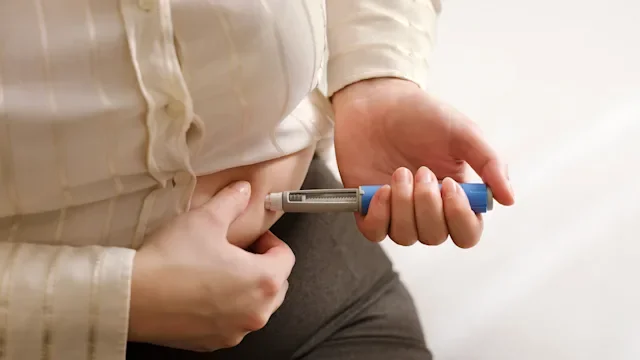
Starting a glucagon-like peptide-1 (GLP-1) medication begins with a prescription from a healthcare professional. You'll begin at a low “starter” dose, and your prescriber will increase your dose every 4 weeks until you reach your effective dose.
One of the first things people tend to notice after starting a GLP-1 is an appetite decrease in the first few weeks. Side effects like nausea are also common early on and right after a dose increase.
You may not lose weight immediately after starting a GLP-1, it could take some time. Signs your medication is working can include feeling full faster and thinking about food less.
Save on related medications
You're thinking about starting a glucagon-like peptide-1 (GLP-1) medication like Wegovy (semaglutide) or Zepbound (tirzepatide). So, what actually happens next?
The short version is this: You'll get a prescription after a medical review, start on a low dose, and ramp up slowly. Your appetite will likely shift in a couple of weeks. But real weight loss doesn’t usually happen right away. Rather, it builds over the following months.
Having an idea of what to expect in the first weeks can help you set yourself up for a smooth start.
How do you start taking a GLP-1?
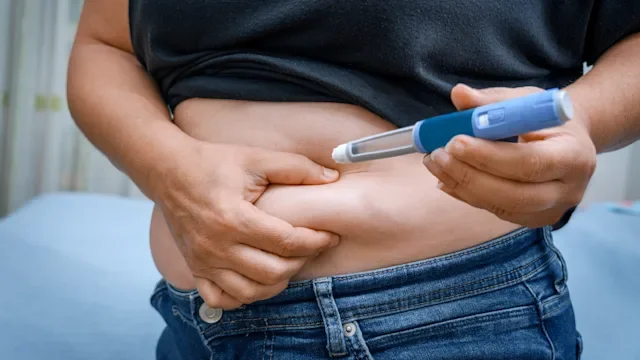
GLP-1s are available by prescription only. So, the first step is to get evaluated by a licensed healthcare professional. They can make sure GLP-1s are safe for you and, if so, write you a prescription. Here are a few things to know:
Who can prescribe GLP-1s? Any licensed healthcare professional can prescribe a GLP-1. This includes a primary care provider, a nurse practitioner or physician assistant, an obesity medicine specialist, or an endocrinologist. Ideally, it's someone who can follow up with you over time, since GLP-1s are medications you take for the long term.
Where should you go to get a GLP-1? You can start in person or through a telehealth service online. Be wary of any site that hands out a prescription without a full medical review.
What does a GLP-1 visit cover? Your prescriber reviews your medical history, current medications, and goals to make sure a GLP-1 is safe and right for you.
You're generally a candidate for a GLP-1 if you have:
A body mass index (BMI) of 30 or higher
A BMI of 27 or higher with a weight-related condition like high blood pressure or Type 2 diabetes.
A healthcare professional can review the different types of GLP-1s available and help you decide where to start.
What are the first few weeks like on GLP-1s?
The first few weeks are mostly about adjusting to the medication, the routine, and a smaller appetite.
You'll begin with a starter dose that's too low to drive much weight loss. Its purpose is to help you tolerate the medication and its side effects. Your prescriber then raises the dose about every 4 weeks to an effective dose for you. These dose increases are what drive the real weight loss.
Here's what tends to happen along the way:
Appetite drops first. Within a couple of weeks, many people feel less hungry, get full faster, and simply think about eating food less often (referred to as “food noise”).
Side effects show up early. Nausea is the most common, and it can start within the first few days after a dose. Stomach-related side effects are usually mildest at the starter dose and flare briefly after each increase. Fortunately, side effects are usually temporary.
What dietary changes should you make when you start a GLP-1?
A few simple eating habits make the first weeks on a GLP-1 much smoother. Here are some tips below to help limit the GLP-1 side effects that tend to show up in the first few weeks:
Adjust your portions. Eat smaller meals, and stop when you feel full.
Modify your diet. Avoid greasy, fried, and sweet foods, which tend to worsen nausea.
Be proactive. Stay hydrated, and add fiber gradually to help with any constipation.
Prioritize protein. It helps you feel full and protects muscle as you lose weight.
How can you tell if a GLP-1 is working?
Early on, the clearest sign isn't the number one scale: It's your appetite. In the first few weeks of starting a GLP-1, you’ll likely know it’s working by the following signs:
Decreased appetite
Eating less
Feeling more satisfied on smaller portions
Thinking about food less
These signs tend to show up even before you lose any weight. Weight loss is a slower signal that comes as your dose climbs.
How can you encourage weight loss on GLP-1s?
GLP-1s are most effective when you combine them with a balanced eating plan along with movement and exercise. Here things to do to get the most out of your GLP-1:
Eat whole foods. Eating lean protein, high-fiber foods, and healthy fats may help to increase your GLP-1 naturally and improve your results.
Protect your muscles. Some of the weight lost on GLP-1s comes from muscle, not just fat. Eating enough protein and doing regular strength training helps you hold onto the most muscle while your fat melts away.
Stay hydrated. Drinking plenty of water and limiting alcohol can help make higher doses easier to tolerate.
What are the most common side effects of GLP-1s?
Most GLP-1 side effects affect the gastrointestinal (GI) tract. Fortunately, they’re largely mild and temporary. Side effects are usually worse when you first start the medication and each time the dose is increased. They tend to improve after that. The most common side effects are:
Nausea
Diarrhea
Constipation
Vomiting
Stomach pain
Very rarely, you can have more dangerous symptoms that you need to act on. Get medical care right away if you notice:
Severe or persistent belly pain, especially if it spreads to your back. This can be a symptom of pancreatitis.
Persistent pain in the upper-right part of your abdomen. It could point to a gallbladder problem.
Vomiting or diarrhea bad enough to leave you dehydrated.
Signs of an allergic reaction, like a rash or swelling.
Not every rough patch of side effects means you should stop taking the medication though. If side effects are uncomfortable but manageable, your prescriber may slow down your dose increases or recommend other strategies to help, rather than stopping the medication.
What should you do if you miss a GLP-1 dose?
What to do after missing a GLP-1 dose depends on which medication you take and how much time has passed since your last dose. The chart below outlines what you should do if you miss a dose of Wegovy (semaglutide), Foundayo (orforglipron), or Zepbound (tirzepatide).
| Medication | If you miss a dose |
|---|---|
| Wegovy (semaglutide) injection |
|
| Wegovy (semaglutide) pill |
|
| Zepbound (tirzepatide) |
|
| Foundayo (orforglipron) |
|
If you miss doses for 2 or more weeks, don't just restart where you left off. Check with your prescriber. You may need to lower your dose and work your way back up to avoid a return of uncomfortable side effects.
Frequently asked questions
Weight loss is usually minimal in the first month on the starter dose. Then it picks up as you reach an effective dose. So, expect a gradual start. Most people can anticipate losing at least 5% of their body weight within the first few months.
How much weight you can lose while taking GLP-1s will vary from person to person. In clinical trials, people lost about 15% of their body weight over 68 weeks on semaglutide (Wegovy). And they lost up to 21% of their weight over 72 weeks on tirzepatide (Zepbound).
Your prescriber can help you decide where to start and which GLP-1 option is best for you to try.
For most people, staying on the medication is what keeps the weight off. When people stop, they tend to regain much of what they lost. In one study, people regained about two-thirds of their weight within a year of stopping their GLP-1. GLP-1s are designed for long-term use, though your prescriber can help you determine your options.
Weight loss is usually minimal in the first month on the starter dose. Then it picks up as you reach an effective dose. So, expect a gradual start. Most people can anticipate losing at least 5% of their body weight within the first few months.
How much weight you can lose while taking GLP-1s will vary from person to person. In clinical trials, people lost about 15% of their body weight over 68 weeks on semaglutide (Wegovy). And they lost up to 21% of their weight over 72 weeks on tirzepatide (Zepbound).
Your prescriber can help you decide where to start and which GLP-1 option is best for you to try.
For most people, staying on the medication is what keeps the weight off. When people stop, they tend to regain much of what they lost. In one study, people regained about two-thirds of their weight within a year of stopping their GLP-1. GLP-1s are designed for long-term use, though your prescriber can help you determine your options.
The bottom line
Starting a glucagon-like peptide-1 (GLP-1) medication is a gradual, guided process. You'll get a prescription after a medical evaluation, begin on a low dose, and then slowly step up your dose. Expect your appetite to fade within the first week or two. Mild stomach side effects should come and go as your dose rises. Simple habits like eating smaller meals and more protein and staying hydrated will make the starting process smoother. And know the red flags: Severe belly pain or relentless vomiting means it's time to call your prescriber.

Why trust our experts?



References
He, L., et al. (2022). Association of glucagon-like peptide-1 receptor agonist use with risk of gallbladder and biliary diseases: A systematic review and meta-analysis of randomized clinical trials. JAMA Internal Medicine.
Jastreboff, A. M., et al. (2022). Tirzepatide once weekly for the treatment of obesity. The New England Journal of Medicine.
Martin, C. K., et al. (2025). Tirzepatide on ingestive behavior in adults with overweight or obesity: a randomized 6-week phase 1 trial. Nature Medicine.
Noronha, J. C., et al. (2025). Optimizing GLP-1 therapies for obesity and diabetes management. Obesity Pillars.
Reiss, A. B., et al. (2025). Weight reduction with GLP-1 agonists and paths for discontinuation while maintaining weight loss. Biomolecules.
Wilding, J. P. H., et al. (2022). Once-weekly semaglutide in adults with overweight or obesity. The New England Journal of Medicine.
Wilding, J. P. H., et al. (2022). Weight regain and cardiometabolic effects after withdrawal of semaglutide: The STEP 1 trial extension. Diabetes, Obesity & Metabolism.